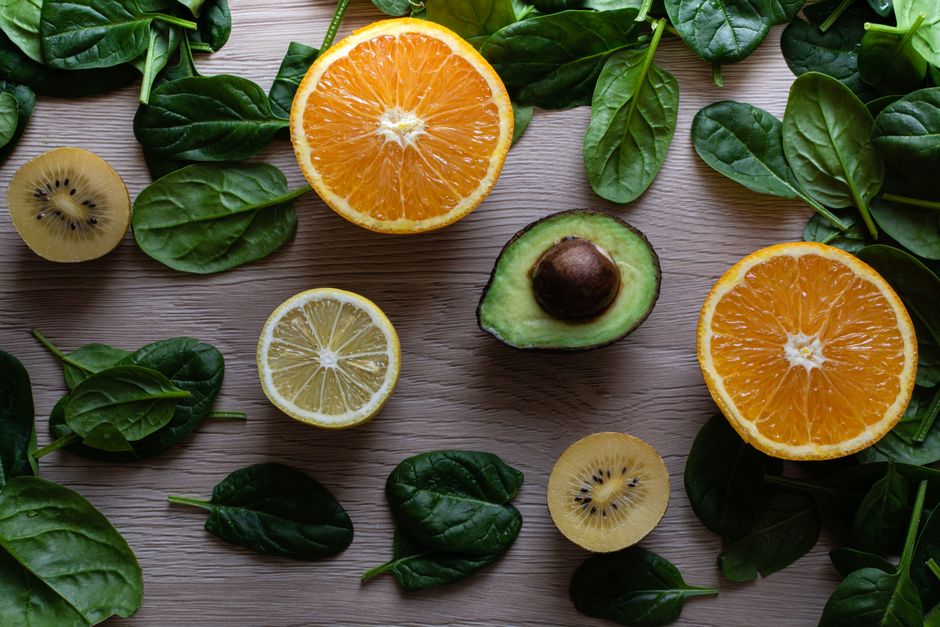
How to Keep Cut Avocado From Browning
The avocado is perhaps the most temperamental jewel in the culinary crown, a fruit that demands both our adoration and our constant vigilance. When perfectly ripe, its buttery texture and nutty profile can elevate a simple slice of sourdough or a complex bowl of ceviche into a transcendental dining experience. Yet, we have all faced the heartbreak of returning to the kitchen only to find that half an avocado—once a vibrant, emerald green—has succumbed to a dull, unappealing brown sludge. This process, while visually offensive, is actually a fascinating biological reaction known as enzymatic browning, which occurs the moment the delicate flesh is exposed to oxygen. Mastering the art of preservation requires not just a desire to save leftovers, but a fundamental understanding of how to outsmart the very atmosphere that surrounds our produce.
In the professional kitchen, the difference between a high-end plating aesthetic and a messy garnish often comes down to timing and technique. A chef never merely tosses an avocado into a bowl; they treat it as a fragile ingredient that needs a protective barrier against the environment. Whether you are prepping for a brunch service or simply trying to save half of your morning toast topping, the goal remains the same: isolating the lipids from the air. By exploring the chemistry behind this oxidation, we can move beyond the common, often ineffective, hacks and embrace science-based methods that actually preserve color and quality. It is time to treat the avocado with the respect it deserves, ensuring that your final bite is as fresh as your first.
At Blame The Chef, we believe that culinary excellence is found in the details, and the preservation of fresh produce is a hallmark of a thoughtful cook. You should never feel forced to consume an entire, over-ripe avocado in one sitting just to avoid waste, nor should you have to settle for the oxidized, metallic-tasting remnants of a previous meal. Throughout this guide, we will break down the exact ratios, storage temperatures, and physical barriers required to keep your avocados looking like they were just plucked from the tree. Put away the old wives' tales and prepare to learn the professional-grade strategies that will change the way you store your produce forever. With a little bit of foresight and the right tools, you will never have to scrape off a layer of brown oxidation again.
The Chemistry of Oxidation
To stop the browning, one must first understand what causes it. When an avocado is cut, the cells are ruptured, exposing an enzyme called polyphenol oxidase (PPO) to the oxygen in the air. This enzyme reacts with phenolic compounds present in the fruit, essentially acting as a catalyst for the creation of quinones. These quinones then polymerize to form melanin, the same pigment responsible for skin color, which manifests as the unsightly brown hue we loathe. This process is the plant's natural defense mechanism, but in the culinary world, it is the enemy of visual appeal and texture.
The key to prevention is oxygen deprivation and pH manipulation. By lowering the pH of the surface area, we can denature the enzymes responsible for the reaction, effectively putting them to sleep before they can create those dark pigments. Furthermore, physical barriers that create an airtight seal are essential. If oxygen cannot touch the flesh, the enzymatic reaction cannot begin, regardless of how much time passes. It is a delicate balance of acidity and mechanical protection that defines the professional approach to storage.
Understanding Enzymatic Browning
The browning process is not merely a surface issue; it is a rapid chemical transformation that begins the second a knife blade passes through the skin. Factors like temperature play a massive role here, as the PPO enzyme becomes significantly more active at room temperature. Cold environments can slow the process down, but they cannot stop it entirely. You are fighting a war against the ambient air in your kitchen, and your primary weapon is the strategic application of inhibitors.
"The avocado is not just a fruit; it is a complex biological system. To keep it pristine, you must act as a barrier between the internal enzymes and the destructive nature of oxygen."
The Acidic Barrier Technique
The most traditional and effective method for preserving avocado involves the use of ascorbic acid or citric acid, typically found in fresh citrus juices. When you apply lemon or lime juice to the surface of an avocado, you are drastically lowering the pH level. This acidic environment inhibits the activity of PPO, effectively stalling the oxidation process. While the citrus does add a slight flavor profile, when used sparingly, it serves as a functional preservative rather than a dominant ingredient.
For the best results, use a fine-mist spray bottle filled with fresh-squeezed lime juice. Avoid the bottled stuff found in the baking aisle, as it often contains preservatives that can alter the flavor in unwanted ways. A light, even mist provides better coverage than brushing it on with a pastry brush, which can physically tear the surface of the fruit and create more microscopic channels for oxidation to take place.
Precision Application
When applying your acidic barrier, focus only on the flesh. Excess liquid pooling in the bottom of your storage container can actually accelerate the degradation of the fruit's texture, turning it into a mushy consistency over time. A professional tip is to dab the surface gently with a paper towel after the misting to ensure that only a micro-thin layer of acid remains. This keeps the environment acidic while maintaining the structural integrity of the avocado meat.
* Select a ripe, firm lime for maximum citric acid concentration.
* Use a food-grade fine mist sprayer.
* Hold the sprayer at least six inches away from the fruit for an even, light application.
* Never oversaturate the avocado; a light coating is more than sufficient.
Physical Barriers and Airtight Sealing
If acidity is the first line of defense, then the mechanical barrier is the absolute wall. Plastic wrap is the home cook's go-to, but it is often used incorrectly. To be effective, the plastic must be pressed directly against the surface of the avocado with no trapped air pockets. If there is a gap between the fruit and the wrap, oxygen will be trapped, and the browning process will continue behind the scenes. This is the most common mistake made in households across the world.
Beyond plastic, beeswax wraps offer a sustainable alternative, though they are often less flexible than standard cling film. If you find that the avocado is already quite soft, the rigidity of a beeswax wrap might not allow for the tight, wrinkle-free seal required to keep the air out. In these instances, a small, glass container that is sized exactly to the avocado half is the gold standard.
The Water Bath Technique
For those who are skeptical of plastic, there is a professional method involving a cold water bath. By submerging an avocado half in a bowl of ice-cold water, you create a complete seal against oxygen. While this sounds counterintuitive to many home cooks, the lipids in the avocado prevent the water from penetrating the flesh, effectively isolating it from the air. Just be sure to pat the fruit completely dry with a lint-free cloth or a high-quality paper towel before you attempt to serve it, as wet avocado can be quite slippery and difficult to plate properly.
"True kitchen mastery is the ability to manipulate the environment to preserve the ingredient, not just to prepare it. An airtight seal is the difference between a pristine garnish and kitchen waste."
Managing Temperature for Maximum Longevity
Temperature is the invisible variable in the storage equation. The PPO enzyme mentioned earlier is heat-sensitive; it thrives in warm, ambient air and slows down significantly in the refrigerator. However, a refrigerator is a dry, circulating environment, which can often lead to dehydration of the fruit's surface. If you store an uncovered avocado in the fridge, it will likely dry out and turn dark, not from oxidation, but from moisture loss.
To counter this, store your treated and wrapped avocado in the crisper drawer of your refrigerator. This area of the fridge is designed to maintain a higher humidity level than the main shelves, which is ideal for produce that is prone to drying out. Furthermore, keep the avocado away from ethylene-producing fruits like apples, bananas, or tomatoes. These fruits release a gas that accelerates the ripening—and eventual decay—of everything in their immediate vicinity.
The Ideal Storage Timeline
Even with the best techniques, an avocado has a finite shelf life once opened. Do not expect perfection beyond 24 to 48 hours. If you are prepping for a dinner party, the best strategy is to treat the avocado as late as possible. If you must store it overnight, the combination of a light citrus mist, a tight plastic wrap seal, and a cool, humid environment will provide the highest quality results.
The Role of Fats and Oils
An interesting technique often utilized in professional catering is the application of a neutral-tasting oil to the exposed flesh. Oils like grapeseed or high-quality avocado oil itself act as a physical barrier. Because oil and water do not mix, the oil creates a hydrophobic seal that keeps the moisture inside the avocado and the oxygen outside. This is particularly effective if you are making a large batch of guacamole that you need to store for a few hours.
If you are using this method, ensure that the oil you choose has a very neutral flavor profile. You do not want the nuttiness of an olive oil to clash with the delicate, grassy notes of the avocado. When ready to serve, you can simply stir the oil back into the guacamole or garnish—it adds a luxurious mouthfeel that is often appreciated by diners.
Advanced Fat Barrier Strategies
For a truly professional aesthetic, consider using a vacuum sealer. While many home cooks have these for meat, they are underutilized for delicate produce. If you pulse the vacuum function rather than running it continuously, you can remove enough air to seal the avocado without crushing it. This is the absolute peak of preservation, keeping the fruit in a "just-cut" state for significantly longer than any other manual method.
* Always use a neutral, high-smoke-point oil for a flavor-neutral barrier.
* When using a vacuum sealer, always use the "pulse" function to avoid fruit damage.
* Combine oil and acid barriers for double the protection against surface oxidation.
Advanced Techniques for Guacamole Preservation
Guacamole is notoriously difficult to store, as the high surface area of the mashed fruit makes it a magnet for oxygen. When storing a bowl of guacamole, the traditional approach is to level the top of the mixture with the back of a spoon to create a smooth, flat surface. This minimizes the peaks and valleys that provide extra surface area for oxidation. Once the surface is perfectly flat, you can place a piece of plastic wrap directly against the top layer of the dip, ensuring there are absolutely no air bubbles.
Another professional trick is to pour a very thin layer of cold water or lime juice over the top of the guacamole before sealing the container. The liquid acts as a physical barrier to the air. When you are ready to serve the dip, you simply drain off the excess liquid and give the guacamole a quick stir. This technique preserves the vibrant green color perfectly for several hours, making it ideal for event prep.
Preventing Discoloration in Large Batches
If you are preparing large quantities, acidity is your greatest ally. Ensure the ratio of lime juice to avocado is balanced correctly—usually one tablespoon of juice per two medium-sized avocados. This does not just help with flavor; it is a chemical necessity for color retention. Incorporating diced red onions or cilantro can also help, as these ingredients act as physical buffers, though they do not replace the need for an airtight seal.
"A well-prepped guacamole is not just about the ripeness of the fruit, but about the integrity of the surface. Protect the top layer as if it were a delicate work of art, because, in the eyes of your guests, it is."
Common Myths and Mistakes to Avoid
There are many myths circulating in the culinary world regarding avocado storage, and most of them are ineffective at best and harmful at worst. One common myth involves leaving the pit (seed) inside the leftover half. Many believe that the pit acts as a preservative, preventing the flesh beneath it from browning. In reality, the pit only prevents oxygen from reaching the small circle of flesh it physically covers. The rest of the exposed area will brown just as quickly as if the pit were not there at all.
Another mistake is using aluminum foil. While foil is a great barrier for heat, it is not an airtight seal. It often reacts with the acidic components of the avocado and the natural oils, which can lead to a metallic off-flavor. Always stick to glass, food-grade plastic, or stainless steel when storing your avocados. Avoid anything that can corrode or leach chemicals when exposed to the natural acids of the fruit.
Troubleshooting Your Preservation
If your avocado still browns despite your best efforts, consider the ripeness of the fruit when you started. An over-ripe avocado is already high in PPO activity; its cellular walls have begun to break down, making it much more susceptible to rapid oxidation. For the best preservation results, select avocados that are firm but yield slightly to gentle pressure. You cannot "save" a fruit that is already at the end of its life cycle, regardless of how good your storage technique might be.
Conclusion
Mastering the art of keeping cut avocado from browning is a perfect example of how culinary skill is built upon a foundation of scientific curiosity and practical application. By understanding the role of oxygen, the impact of acidity, and the necessity of physical barriers, you elevate your home cooking from simple preparation to a calculated, professional standard. It is not enough to simply cook well; one must also understand the life cycle of the ingredients we handle and how to extend their peak quality for as long as possible.
Remember that the goal is always to treat the avocado with gentleness. Every bruise, every unnecessary cut, and every exposure to air is a step toward that unwanted browning. By utilizing the methods outlined in this guide—whether it is the strategic application of citrus, the meticulous use of plastic wrap, or the clever use of water barriers—you gain total control over your ingredients. You are no longer at the mercy of the oxidation process; you are the one dictating the pace of decay.
As you move forward in your culinary journey, take these lessons beyond the avocado. The principles of oxidation and surface protection apply to countless other ingredients, from sliced apples to delicate herbs and fresh produce. The more you understand the chemistry of your pantry and refrigerator, the more confidence you will have in the kitchen. Keep experimenting with these techniques, find the balance that works for your personal taste, and never let a brown avocado ruin your plating again. You have the tools, the knowledge, and the professional perspective required to maintain perfection. Go forth and cook with the assurance that your ingredients will remain as vibrant and delicious as you intended, from the first slice to the very last serving. Your kitchen is your domain, and with these strategies, it is a domain where freshness is truly under your command.

Get the Next Recipe
Weekly recipes, techniques, and gear picks — straight to your inbox.
