
How to Keep Strawberries Fresh Longer
There is perhaps no greater culinary disappointment than reaching for a pristine carton of vibrant red strawberries, only to discover a fuzzy, gray patch of mold lurking in the center. Strawberries are the fleeting jewels of the produce aisle, prized for their delicate perfume, candy-like sweetness, and stunning aesthetic appeal in desserts, salads, and morning yogurt bowls. Because of their high water content and thin, permeable skin, these berries are notoriously perishable, often turning soft or developing spoilage within mere days of leaving the farm. Mastering the art of storage is not just about reducing food waste; it is about preserving the fleeting magic of the season so that you can actually enjoy your groceries rather than tossing half of them into the compost bin.
At "Blame The Chef," we believe that every home cook possesses the capability to extend the life of their ingredients through simple, science-backed storage techniques. You do not need professional walk-in coolers or industrial-grade equipment to keep your berries firm, bright, and delicious for a significantly longer duration. By understanding the physiological needs of the strawberry—specifically its sensitivity to moisture, temperature fluctuations, and ethylene gas—you can transform your refrigerator into a sanctuary for your produce. We are moving beyond the standard advice of "just keep them cold" and diving into the granular details of cleaning, drying, and housing your berries to ensure they stay at their peak.
This comprehensive guide is designed for the home cook who is tired of the heartbreak of squishy, moldy fruit. Whether you have just returned from the local farmers' market with a haul of sun-ripened berries or you are simply trying to make your supermarket carton last through the weekend, the techniques outlined here will change your kitchen routine for the better. We will discuss everything from the "vinegar bath" method to the importance of airflow and the science of moisture control. Get ready to elevate your storage game, save money on your grocery bill, and experience the satisfaction of perfectly fresh strawberries every time you open your refrigerator door.
The Science of Strawberry Spoilage
Understanding why strawberries deteriorate is the first step toward preventing it. Strawberries are highly active biological organisms that continue to "breathe" or respire even after they have been harvested. This respiration process consumes oxygen and releases carbon dioxide and moisture. When you seal strawberries in an airtight container without proper ventilation, the environment becomes stagnant and humid, creating the perfect breeding ground for mold spores, which are naturally present on the skin of the fruit from the moment they are picked.
Temperature is the second major factor in the lifespan of your berries. Strawberries are tropical-adjacent in their sensitivity; they thrive at cooler temperatures, but they also abhor freezing or extreme temperature swings. If you store your strawberries in the warmest part of your refrigerator—usually the door—the constant opening and closing of the fridge causes the temperature to fluctuate, which accelerates the decay process. To maintain freshness, berries must be kept at a steady, consistent temperature, ideally between 32°F and 36°F (0°C to 2°C).
Finally, we must address the issue of moisture management. While it might seem counterintuitive to wash produce before storing it, the moisture left behind on the surface of a berry after a rinse is the single greatest enemy of longevity. If you do not dry them completely, you are essentially creating a damp environment that encourages microbial growth. Most home cooks fail to realize that the green hull (or calyx) is a hotspot for bacterial accumulation. By mastering the washing and drying process, you stop the decay cycle before it even begins.
The Ethylene Factor
Strawberries are not heavy ethylene producers, but they are susceptible to the gas produced by other fruits. If you store your strawberries next to apples, bananas, or stone fruits, the ethylene gas released by those items will cause your strawberries to ripen—and eventually rot—much faster. Always keep your berries in a dedicated, isolated space within your refrigerator to avoid cross-contamination.
"The difference between a berry that lasts three days and a berry that lasts ten is almost entirely determined by how you handle it within the first hour of bringing it home."
The Vinegar Bath Method
The vinegar bath is a legendary technique in the professional culinary world that often sounds strange to the uninitiated. Many home cooks fear that washing their strawberries will lead to premature spoilage, but the truth is that a diluted vinegar rinse kills the mold spores that are naturally clinging to the fruit. A simple rinse with plain water is often ineffective at killing these microscopic threats, but the acetic acid in vinegar is an excellent, food-safe sanitizer.
To perform the bath, prepare a solution consisting of one part white distilled vinegar to three parts cool, filtered water. Submerge the strawberries gently in this mixture and let them soak for about two to three minutes. You will be shocked by what you find in the water afterward—dirt, tiny debris, and occasionally hitchhiking insects that would have otherwise ended up in your fruit salad. This step is non-negotiable if you want to ensure the safety and longevity of your harvest.
After the soak, the most critical part of the process begins: the dry-down. If you skip this step, you have wasted your time. You must remove the berries from the vinegar solution and rinse them thoroughly under cold, running water to ensure they do not take on a vinegary flavor. Once rinsed, transfer them to a salad spinner lined with a thick layer of paper towels.
Perfecting the Drying Process
Spinning the berries removes excess surface moisture without bruising the delicate flesh. However, don't stop there. After spinning, lay the berries out on a lint-free kitchen towel or a fresh layer of paper towels and allow them to air-dry for at least 30 to 45 minutes. They should be completely dry to the touch before you even think about putting them into a storage container. Any residual water will eventually result in "weeping" fruit.
Proper Storage Containers
The container you choose for your strawberries is just as important as the preparation method. The original plastic clamshell that the berries arrive in is designed for shipping and visibility, not for long-term storage in your refrigerator. These containers often lack adequate ventilation, or they have too much, causing the berries to dehydrate and lose their plump, firm texture.
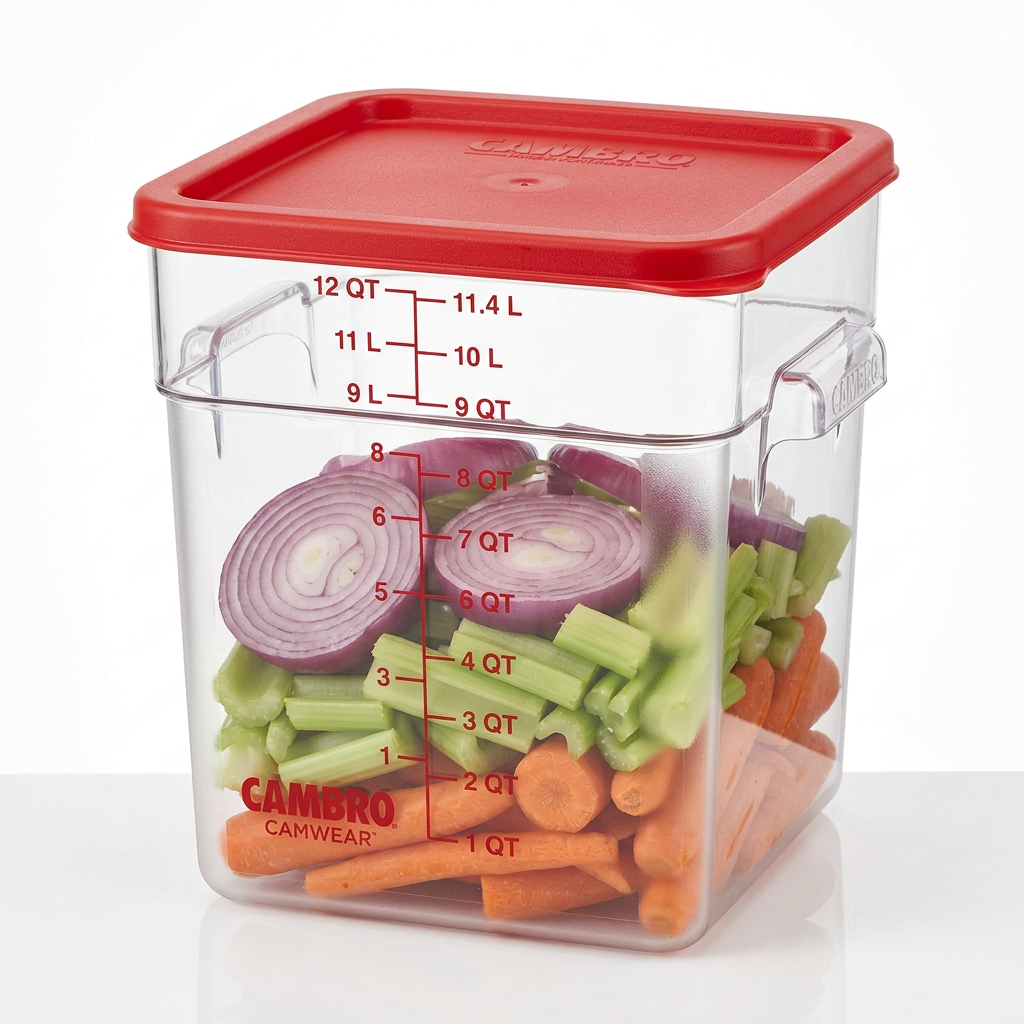
For the best results, look for a container that allows for controlled airflow. A glass container or a high-quality BPA-free plastic container lined with a dry paper towel is ideal. The paper towel acts as a wicking agent, absorbing any excess moisture that the berries might naturally release over time. This keeps the environment inside the container stable and inhibits the growth of mold.
Do not overcrowd your container. If you stack the strawberries in a deep pile, the weight of the berries on top will crush the delicate ones at the bottom, leading to bruising and juice release. If the fruit begins to "bleed," that liquid will ruin the entire batch. Aim to store them in a single layer if possible, or at least in a shallow container that prevents pressure from building up on the fruit at the bottom.
Airflow versus Humidity
While strawberries need to breathe, they should not be exposed to a drafty, dry environment, which will turn them into shriveled raisins. If you are using a lid, leave it slightly ajar, or use a container with a small ventilation port. If your container does not have a vent, simply place a single sheet of paper towel between the container and the lid to allow for a tiny amount of gas exchange while keeping the fruit protected.
Handling the Hulls and Stems
There is a long-standing debate among chefs: should you remove the green hulls before storing the berries? The answer is a resounding no. The calyx (the green stem and leaves) acts as a natural seal for the top of the berry. When you pull that stem off, you expose the interior of the fruit, creating an entry point for bacteria and accelerating the rate at which the berry loses its moisture.
Only remove the hulls when you are ready to eat the berries or when you are preparing them for a specific recipe. By leaving the stems intact, you keep the integrity of the fruit structure sound. If you purchase berries that are already missing their stems, consume those first, as they have a significantly shorter shelf life than those that remain "on the vine."
Furthermore, how you cut the berries matters for preservation. If you are preparing a fruit salad ahead of time, leave the berries whole. Cutting a strawberry increases its surface area, which leads to rapid oxidation and the breakdown of the cell walls. If you must slice them, store the slices in a separate airtight container and consume them within 24 hours.
Selecting the Best Fruit
The secret to longevity starts at the store. When you are picking out your strawberries, look for firm, bright red berries with green, fresh-looking hulls. Avoid any cartons that show signs of juice pooling at the bottom, as this indicates that the fruit has already begun to break down. If you see even one moldy berry in a carton, assume that the mold spores have already traveled to every other berry in that container.
"A single moldy berry is a ticking time bomb. If you find one, remove it immediately to save the rest of your haul, but assume the process has already begun for its neighbors."
Organizing the Refrigerator
Not all refrigerator shelves are created equal. The temperature inside your fridge varies significantly depending on the location of the cooling element and how often the door is opened. For strawberries, you need the most stable, coldest environment available. In most standard kitchen refrigerators, the crisper drawers are the ideal location.
Crisper drawers are designed to manage humidity levels, which is perfect for delicate produce. However, make sure your crisper drawer isn't so full that it prevents the drawer from sealing properly. If your fridge doesn't have a crisper drawer, choose the middle shelf toward the back, away from the door. Never store your strawberries near the back wall where the cooling vents are, as they may freeze if they touch the metal surface, leading to rapid cellular collapse once they thaw.
If you are a frequent cook, you likely have a variety of items in your fridge. Be mindful of items with strong odors, such as onions, garlic, or pungent cheeses. Strawberries are highly porous and can actually absorb the smells of other foods in the refrigerator. Keeping them in a sealed or semi-sealed container not only controls moisture but also acts as a barrier against these unwanted odors.
The Importance of Temperature
Always keep an eye on your refrigerator’s thermostat. While most are set to 40°F (4°C), strawberries perform significantly better at slightly cooler temperatures. If you have a digital thermometer, verify that your fridge is hovering around 35°F. This small adjustment can add two to three extra days of freshness to your berries, making a world of difference in your kitchen workflow.
Troubleshooting Common Issues
Even with the best intentions, you might occasionally find that your strawberries aren't lasting as long as you'd hoped. One common issue is "weeping," where the berries lose their structure and release a watery, syrupy liquid. This usually indicates that the berries were stored while damp or that they were subjected to a temperature spike that caused the cells to rupture.
If you notice your berries starting to soften but they aren't yet moldy, don't throw them away. This is the perfect time to pivot your culinary plans. Soft berries are no longer suitable for a fresh fruit platter, but they are perfectly acceptable for cooking or blending. You can quickly turn them into a strawberry reduction for yogurt, a base for a smoothie, or a quick compote to serve over pancakes.
Another common problem is the development of white, fuzzy mold. If you see even a tiny speck of white mold on one berry, do not try to "cut around it." Mold mycelium—the root structure of the fungus—often permeates the entire fruit long before the visible fuzz appears on the surface. For the safety of your health and the quality of your dish, discard any berry that shows signs of mold, and inspect the surrounding berries very carefully.
When to Freeze
If you realize you have more strawberries than you can possibly eat before they go bad, do not wait for the spoilage to set in. Prepare the berries by washing, drying, and hulling them, then spread them in a single layer on a parchment-lined baking sheet. Freeze them until solid—a process known as flash freezing—and then transfer them to a freezer-safe zip-top bag. This allows you to use your berries for smoothies or baking at any time without them clumping into a giant, unusable block of ice.
Advanced Culinary Tips for Berry Prep
Beyond storage, the way you prep your strawberries can influence their taste and texture. If you want to maximize the sweetness of your strawberries, especially if they are slightly under-ripe or early in the season, try a technique known as maceration. Sprinkle a light coating of granulated sugar over your hulled, sliced berries and let them sit for about 20 minutes at room temperature.
The sugar draws the natural juices out of the strawberry, creating a beautiful syrup while intensifying the berry's natural flavor. This is a classic professional technique used in everything from shortcakes to sophisticated plated desserts. When you are ready to serve, the berries will be plump, glossy, and incredibly flavorful.
Additionally, consider the pairing potential of your fruit. Strawberries have a natural acidity that pairs beautifully with fresh herbs like basil, mint, or even a hint of cracked black pepper. By experimenting with these flavors, you can take a humble bowl of strawberries and turn it into a high-end dessert that feels like it came straight out of a restaurant kitchen.
The "Blame The Chef" Promise
We know that life gets busy, and sometimes the best intentions fall by the wayside. If you find your berries are on the brink of losing their luster, remember that the "Blame The Chef" approach is always about finding the best way to utilize what you have. A slightly overripe strawberry is a tragedy only if it is wasted. If it is turned into a jam, a syrup, or a smoothie, it is a triumph of home cooking.
"Freshness is not a static state; it is a commitment. By controlling the environment, managing the moisture, and respecting the chemistry of the fruit, you become the master of your ingredients, not their victim."
Conclusion
Keeping strawberries fresh is a skill that blends basic science with a little bit of patience. It is not about magic; it is about managing the variables that nature has placed in your hands. By treating your produce with care from the moment you bring it home—rinsing it with a vinegar solution, drying it thoroughly, choosing the right storage vessel, and minding the temperature—you can ensure that you are getting the absolute most out of your purchase.
Remember that the ultimate goal of these techniques is to enjoy your food. When your berries remain firm, vibrant, and sweet, you are far more likely to include them in your daily diet, which is the hallmark of a healthy and delicious lifestyle. We hope this guide empowers you to stop feeling frustrated by spoilage and start feeling confident in your ability to maintain your ingredients at a professional level.
As you continue to explore the culinary arts, keep looking for these small, actionable changes that make a big difference in the kitchen. Whether you are a novice cook or someone who has spent years in the kitchen, there is always more to learn about how to treat your food with the respect it deserves. Thank you for trusting "Blame The Chef" to help you navigate the nuances of your pantry and refrigerator—your future fruit salads will surely thank you.
Final Thoughts on Sustainable Kitchen Practices
Looking forward, the habits you form today while storing your berries will translate into a more sustainable kitchen overall. Reducing food waste is one of the most effective ways to lower your ecological footprint, and it starts with small, daily decisions about how we store, prepare, and consume the fresh items we buy. By extending the life of your produce, you are voting for a more intentional way of eating.
If you enjoyed these tips, we encourage you to apply similar principles to other delicate items, such as raspberries, blueberries, or leafy greens. The fundamental pillars of moisture control, airflow management, and temperature stability remain the same. The more you practice these techniques, the more intuitive they will become, until you are managing your refrigerator with the same precision as a sous-chef on the line.
We invite you to experiment with these methods and share your results. The kitchen is a living, breathing laboratory, and your feedback is what helps us grow. Keep your berries dry, keep your temperatures cold, and never settle for soggy fruit again. Your refrigerator is your domain, and with the right tools, you can ensure that the freshness of the season lasts as long as possible. Stay curious, stay hungry, and keep perfecting your craft.
We must also emphasize the importance of shopping locally and seasonally whenever possible. While modern logistics allow us to enjoy strawberries throughout the year, the berries that come from a local farm during peak season will always have a higher sugar content and better structural integrity than those that have traveled thousands of miles. When you buy local, you are starting with a superior product, which inherently gives you a head start in your storage efforts.
Don't be discouraged if you don't get it right the first time. The environment in your refrigerator is unique to your home, influenced by everything from the age of your appliance to how often you store leftovers. Treat your storage routine as a variable you can tweak until you find the perfect balance. You have the tools now, and the rest is simply a matter of execution and consistency.
Finally, remember that the joy of cooking is found in the details. When you take the extra ten minutes to wash and dry your strawberries properly, you are practicing a form of mindfulness. You are honoring the effort it took to grow the fruit, and you are ensuring that your own effort in the kitchen leads to a superior result. We are proud to support you on your culinary journey, and we can’t wait to see what you create with your perfectly preserved ingredients.
Stay tuned to "Blame The Chef" for more in-depth looks at how to manage your pantry and produce, and remember that when something goes wrong in the kitchen, you can always blame the chef—or you can use it as a learning opportunity to master the technique. You now have the knowledge to keep your strawberries fresh, which is a significant win in the battle against food waste. Go forth, fill your kitchen with the scent of fresh fruit, and enjoy the fruits of your labor!
There is nothing quite like the taste of a strawberry in its prime, and with these steps, you have guaranteed that your next snacking experience will be as fresh as the day the fruit was picked. Keep your standards high, keep your berries dry, and keep on cooking. Your kitchen is the heart of your home, and we are honored to be part of your process. Keep these tips pinned to your fridge or tucked away in your recipe book, and share them with a friend who is tired of tossing out moldy berries. Together, we can make every meal a masterpiece of freshness and flavor.
As you move forward, keep in mind that the best tools you have are your own senses. A visual inspection, a quick touch, and a smell test are always your final line of defense against spoilage. Trust your instincts, practice the techniques, and continue to refine your culinary skills. Your journey to becoming a better home cook is an ongoing process, and we are here to support you at every turn. Cheers to many more bowls of fresh, delicious strawberries in your future.
Get the Next Recipe
Weekly recipes, techniques, and gear picks — straight to your inbox.
