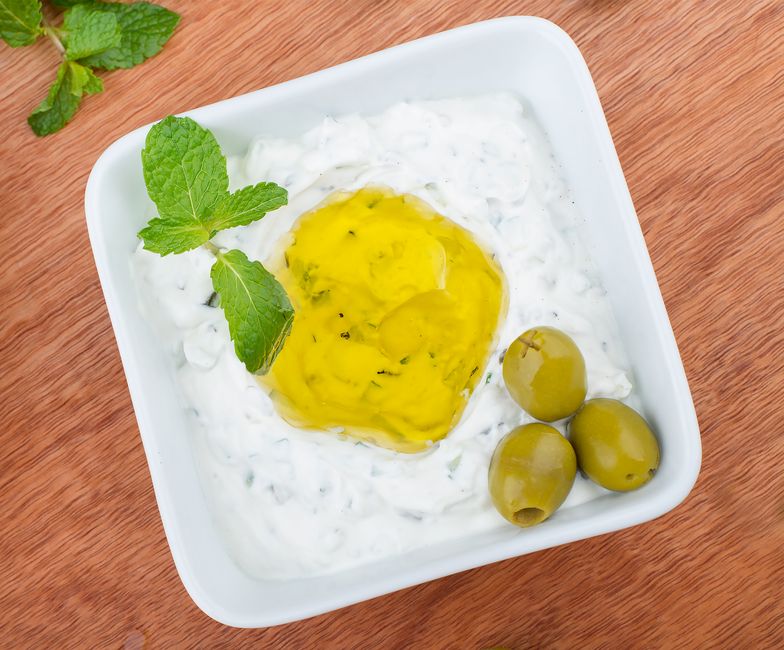
How to Make Authentic Tzatziki
When it comes to enhancing your home cooking with vibrant flavors and refreshing textures, few culinary treasures compare to an authentic tzatziki sauce. Originating from Greece, tzatziki embodies the essence of Mediterranean cuisine: bright, fresh, and invigorating. Made primarily from yogurt, cucumbers, garlic, and herbs, this versatile dip can elevate not only grilled meats and vegetables but also wraps, sandwiches, and salads. The balance of creamy, tangy yogurt with crisp cucumber and aromatic garlic creates a harmonious flavor profile that is irresistible and satisfying.
The allure of tzatziki lies not only in its deliciousness but also in its simplicity. With just a few high-quality ingredients, you can whip up a batch in no time. While it’s commonly served as a dip or sauce for gyros or souvlaki, this dish has virtually limitless applications you can explore in your own kitchen. Mastering the basics of tzatziki not only allows you to create an authentic version but also encourages experimentation with various flavor profiles, textures, and presentations.
In this post, we will delve into the fascinating world of tzatziki, exploring its origins, the essential ingredients, various preparation techniques, and some creative serving suggestions. Whether you’re serving guests at a summer barbecue, preparing a light lunch, or simply enjoying a quiet evening at home, tzatziki is sure to become a staple in your culinary repertoire. Roll up your sleeves, and let’s get started on this delicious journey!
The Origins of Tzatziki
Understanding the history of tzatziki adds depth to your appreciation of this classic sauce. Tzatziki has roots that date back to ancient times, with variations appearing in various cultures throughout the Mediterranean and the Middle East. The Greek version is thought to have been influenced by similar sauces found in Turkey and the Balkans, where the use of strained yogurt and garlic as a condiment has been a longstanding tradition.
Throughout its history, tzatziki has served as a staple accompaniment to many dishes, providing a cool contrast to spicy and flavorful meats. In Greece, it is commonly paired with grilled lamb, chicken, or pork, offering a refreshing balance to rich, smoky flavors. The use of garlic in tzatziki not only contributes to its bold flavor but also highlights the Mediterranean approach to utilizing local and vibrant ingredients. The combination of flavors is reflective of the region’s climate, agricultural practices, and culinary traditions that have been shared and adapted through generations.
In modern times, tzatziki has transcended its traditional roots, becoming a popular fixture in many international cuisines. Its versatility has made it an attractive choice for various dietary preferences, including vegans and those following gluten-free diets—a testament to its adaptability. Whether used as a dip or a dressing, tzatziki continues to evoke feelings of warmth and hospitality wherever it is served.
Essential Ingredients for Tzatziki
Creating delicious tzatziki starts with selecting the right ingredients. Each component plays a significant role in providing flavor, texture, and authenticity. Here we’ll break down the essential ingredients you need to make the perfect tzatziki sauce.
Greek Yogurt
The cornerstone of tzatziki is Greek yogurt. This rich, tangy yogurt is thicker than regular yogurt due to a straining process that removes excess whey. Its creaminess is essential for achieving the right consistency in tzatziki. Look for full-fat Greek yogurt for the richest flavor. If you can’t find Greek yogurt, you can strain regular yogurt using cheesecloth, effectively creating your own.
Cucumbers
Fresh cucumbers add a crisp, refreshing bite to tzatziki. The traditional choice is the English cucumber, also known as the seedless cucumber, which has a thinner skin and is less bitter than regular cucumbers. They also contain more water, making them perfect for tzatziki.
To prepare the cucumber, wash it thoroughly and peel if desired. Grate or finely dice the cucumber, and then salt it lightly to draw out excess moisture, ensuring your tzatziki doesn’t become watery.
Garlic
Garlic is the aromatic powerhouse in tzatziki. It elevates the flavors of the dish and adds depth. When using garlic, the key is in the preparation. Fresh garlic cloves should be minced or pressed to release their natural oils and flavor.
Olive Oil and Vinegar
A good extra virgin olive oil enhances the richness of tzatziki and lends a fruity aroma. Adding a splash of red wine vinegar or lemon juice brightens the sauce, balancing the creaminess of the yogurt.
Salt and Pepper
Don't forget to season your tzatziki! Kosher salt enhances the flavors of all the ingredients, while freshly cracked black pepper adds just the right amount of heat.
Fresh Herbs
Traditional tzatziki is flavored with dill or mint. Fresh herbs contribute to the vibrant flavor and aroma of the sauce. Dill has a slightly sweet and unique flavor, while mint adds a refreshing element.
Classic Tzatziki Recipe
Now that you’re familiar with the essential ingredients, let’s proceed to the classic tzatziki recipe. This straightforward preparation method will ensure you achieve a creamy, flavorful sauce that embodies the essence of authentic tzatziki.
Ingredients
Instructions
- Wash the cucumber thoroughly. You can either peel it or leave the skin on for color and texture. Grate it using a box grater or a food processor.
- Place the grated cucumber in a fine mesh strainer or cheesecloth and sprinkle with a pinch of salt. Let it sit for about 10-15 minutes to draw out moisture. Gently press down on the cucumber to extract excess water.
- In a mixing bowl, combine the Greek yogurt with the minced garlic. Use a garlic press for the best results or finely chop the garlic with a knife.
- After squeezing out the excess water from the cucumber, add it to the yogurt mixture.
- Stir in the olive oil and red wine vinegar (or lemon juice).
- Fold in the fresh herbs, and season the mixture with salt and pepper to taste.
- Taste the tzatziki and adjust the level of garlic if necessary. If you want a stronger garlic flavor, feel free to add more.
- Refrigerate the tzatziki for at least 30 minutes before serving. This resting time allows the flavors to meld beautifully. Before serving, stir it gently and garnish with a drizzle of olive oil and additional herbs if desired.
Serving Suggestions
Tzatziki is incredibly versatile and can be served in a variety of ways, perfecting your culinary creations:
Variations of Tzatziki
Once you’ve mastered the classic recipe, you might want to explore various tzatziki variations from different regions or even create your own unique twist. Each variation offers a fresh take on this beloved sauce, allowing for endless customization.
Mediterranean Tzatziki with Feta
Adding crumbled feta cheese to tzatziki brings a delightful creaminess and a salty flavor that enhances the sauce. To incorporate feta:
Avocado Tzatziki
For a creamy yet healthier alternative, consider replacing some yogurt with mashed avocado. The avocado adds healthy fats and a luscious texture.
Spicy Tzatziki
For a kick of heat, you can incorporate chopped jalapeños or a dash of cayenne pepper into your tzatziki. This spicy variation is fantastic for those who enjoy bold flavors.
Chef’s Tips for Perfecting Tzatziki
While making tzatziki is relatively simple, there are some professional tips that can take your sauce from good to great, providing that restaurant-quality taste and texture you desire.
Use the Right Yogurt
Choosing a high-quality Greek yogurt is essential. You may consider sourcing yogurt from a local dairy, which often provides a fresher taste compared to mass-produced brands. If you wish to experiment with different fat content, you can try making tzatziki with yogurt labeled at 2% or non-fat, but the flavor may not be as rich.
Quality Control with Cucumbers
Resting Time is Key
While it can be tempting to dig into your tzatziki right after mixing the ingredients, resist the urge! Allowing the tzatziki to rest for at least 30 minutes in the refrigerator is crucial. This waiting period allows the flavors to marry, resulting in a more harmonious taste.
Experiment with Flavors
Feel free to let your creativity run wild with tzatziki. Consider introducing flavors from other cuisines, like adding curry powder for an Indian twist or using basil and sun-dried tomatoes for a Mediterranean flair. The basic technique of tzatziki allows for such exploration, welcoming diverse flavor profiles.
Tzatziki Around the World
While tzatziki is most famously recognized as a Greek sauce, similar yogurt-based dips can be found across the globe. Understanding these variations can enhance your culinary journey and inspire you to create unique versions of tzatziki.
Middle Eastern Labneh
In the Middle East, labneh is commonly used, which is a strained yogurt that has a richer and thicker consistency than Greek yogurt. Labneh is often seasoned with olive oil, salt, and herbs to create a delightful dip.
Indian Raita
In India, the dish known as raita serves a similar purpose as tzatziki: it cools and complements spicier dishes. Made from yogurt, cucumbers, and spices like cumin or coriander, raita is often enjoyed alongside biryanis and curries.
Turkish Cacik
The Turkish version of tzatziki is called cacik. While it shares many similarities, it’s often thinner in consistency and may include more herbs and spices, such as mint or dill, giving it a distinct flavor.
Conclusion
Making authentic tzatziki in your own kitchen not only enhances your culinary skills but also brings a taste of the Mediterranean into your home. By using quality ingredients and allowing time for the flavors to meld, your homemade tzatziki will undoubtedly impress family and friends alike. This simple, yet versatile sauce can be a lush companion to numerous dishes or enjoyed on its own.
As you continue to explore this beloved sauce, remember to let your creativity shine through. Fee free to tweak and adapt the recipe to suit your tastes. Let tzatziki inspire you to dive deeper into the realm of Mediterranean flavors, as you pair it with grilled meats, fresh salads, or use it as a flavorful spread. With each batch you prepare, you’ll create your own culinary stories and memories, one dollop of tzatziki at a time.
Whether you’re a novice home cook or an experienced chef, tzatziki offers an accessible starting point for exploring the diverse textures and flavors of Greek cuisine. Now equipped with knowledge and techniques, you can embark on an exciting journey filled with culinary discovery. So gather your ingredients, invite friends over, and enjoy the delicious rewards of your tzatziki-making venture!


Get the Next Recipe
Weekly recipes, techniques, and gear picks — straight to your inbox.
