How to Make Dim Sum at Home
Dim sum has become a cherished meal, celebrated not just for its delicious flavors but also for the shared experience it creates among diners. These small plates, traditionally enjoyed during brunch, invite you to explore a variety of textures and tastes that can tantalize the palate. Whether it’s the delicate steamed buns, savory dumplings, or the crispy spring rolls, each bite is an adventure. For many, the prospect of making dim sum at home may seem daunting; however, with a little guidance, some quality ingredients, and a dash of creativity, anyone can bring this delightful culinary experience into their own kitchen.
The art of preparing dim sum involves not only crafting each component but also understanding the harmony of flavors and presentation. Each dish serves not only as a source of nourishment but also as a form of hospitality, intended to be shared and enjoyed amongst family and friends. Dim sum can be a labor of love, and while some dishes are more complex than others, the satisfaction of serving a beautiful selection of homemade dim sum to your loved ones is irreplaceable. Plus, making dim sum at home allows you to customize the fillings, wrapping techniques, and even the cooking method to suit your family’s preferences.
In this guide, we will take a step-by-step approach to making some of the most popular dim sum dishes, covering everything from dough and fillings to cooking techniques. You’ll learn not only how to make classic dishes but also tips and tricks from culinary professionals to elevate your home cooking. Without further ado, let's gather the necessary ingredients, roll up our sleeves, and start crafting our very own dim sum feast!
Understanding Dim Sum: Origins and Importance
Dim sum has its roots in the Cantonese tradition of yum cha, or “drinking tea,” which dates back over a thousand years. Originally enjoyed as a light snack by travelers along the Silk Road, it gradually evolved into the elaborate meal we recognize today. The term “dim sum” translates to “touch the heart,” which reflects the small portions designed to entice the palate and encourage conversation.
The Dim Sum Experience
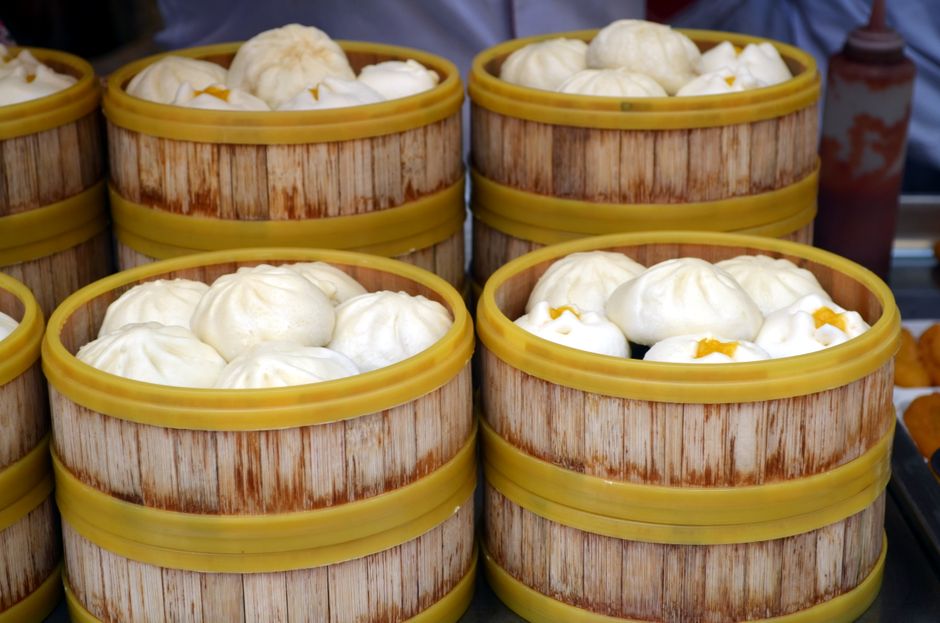
Part of the charm of dim sum lies in its communal aspect—dishes are often served in steamer baskets, allowing diners to share and sample a variety of small plates. The traditional experience involves ordering a selection of items from a trolley, but at home, you can arrange everything on a large table or serve from a central platter. This not only fosters a sense of community but also encourages food exploration.
“Making dim sum at home isn’t just about the food; it’s about connecting with family and friends over a shared love for good meals.”
When preparing dim sum at home, be sure to embrace the ritual of the meal. Setting the table with steamed teas, chopsticks, and a variety of dipping sauces can not only elevate the dining experience but also create a beautiful presentation that reflects the culture's emphasis on aesthetics.
Essential Kitchen Tools
Before diving into recipes, it's important to equip your kitchen with the right tools. While some traditional equipment can be found in specialized stores or online, many home cooks can improvise with items they already own. Here are the essentials for your dim sum toolkit:
With these tools in hand, you’re well on your way to crafting delightful dim sum at home.
Ingredients for Dim Sum Mastery
A significant factor in creating authentic dim sum lies in using the right ingredients. Unlike many Western dishes, where a few staple ingredients can create diverse flavors, dim sum often requires a more extensive array of components. Here are the key ingredients you’ll need:
Staples
Proteins
Aromatics and Seasonings
Filling Combinations
The beauty of dim sum lies in its versatility. Here are some classic filling combinations you can consider:
Techniques for Wrapping and Folding
One hallmark of dim sum is the craftsmanship that goes into wrapping and folding the dumplings, buns, and rolls. While it may take some practice to perfect these techniques, the results will be worth the effort.
Dumpling Wrapping
The most common dim sum dish is the dumpling. To wrap dumplings like a pro, you will want to:
Bun Making
Buns are slightly different from dumplings in structure. For fluffy buns, follow these steps:
Spring Roll Assembly
Spring rolls are a popular favorite, allowing for even more creativity with fillings. To assemble:
"Practice makes perfect when it comes to folding. Don’t be discouraged—imperfect dumplings still taste delicious!"
Cooking Methods for Dim Sum
Dim sum can be prepared using several different cooking methods, each lending its own unique texture and flavor. Here are the primary methods and some tips to get them just right.
Steaming
Steaming is the most popular cooking method for dim sum as it retains moisture and flavor.
Frying
For a crispy texture, frying is an excellent option.
Baking
For a less traditional approach, baked dim sum offers a different flavor profile.
Pairing Dim Sum with Dipping Sauces and Beverages
One of the joys of dim sum dining is the array of dipping sauces that accompany these small bites. Here are a few essential sauces that will elevate your dim sum experience:
Classic Dipping Sauces
Tea Pairings
Don’t forget about the beverages! Traditional dim sum is often served with tea. Here are some excellent choices:
Tips for a Successful Dim Sum Party
Once you’ve mastered the art of making dim sum, consider hosting a dim sum party! Here’s how to take your culinary skills to the next level and impress your guests.
Plan Ahead
Setting the Scene
Engage Your Guests
Advanced Dim Sum Techniques
Once you have a grasp on the basics, it's time to explore more advanced techniques that can further elevate your dim sum game, including unique fillings and creative presentation styles.
Unique Filling Ideas
While traditional fillings are wonderful, don’t hesitate to experiment with unique combinations, such as:
Decorative Touches
Plating Techniques
Arranging dim sum beautifully can turn a home meal into something that looks professionally prepared. Consider using varying heights and colors to create a visually pleasing display.
Conclusion
Crafting dim sum at home not only brings a sense of accomplishment but also allows for creativity and connection with those you share the meal with. From mastering the dough to learning how to sauté perfectly, each step of the dim sum process is a journey of skill and discovery.
With your newfound knowledge and passion for making dim sum, you can delve into the world of flavors, textures, and aromas right from your kitchen. Remember, the ultimate goal is enjoyment—allow yourself to experiment, share your culinary exploits, and, most importantly, savor the pleasure of creating delicious food for those you love. Happy cooking, and may your dim sum adventures be delightful and fulfilling!


Get the Next Recipe
Weekly recipes, techniques, and gear picks — straight to your inbox.
