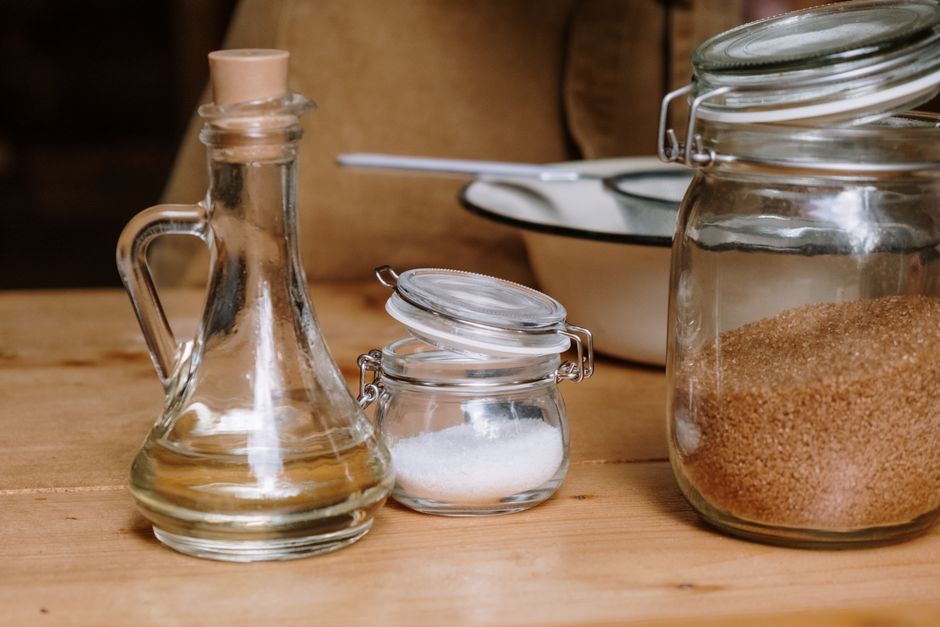
How to Make Homemade Mayonnaise
Making homemade mayonnaise might seem daunting to some, but it’s one of those culinary skills that can elevate your cooking to professional levels. This creamy condiment, which is a staple in many kitchens, is not only incredibly versatile but also customizable to suit your tastes. Creating mayonnaise from scratch allows you to control the quality of your ingredients, the flavor profile, and even the texture. Moreover, there’s an undeniable satisfaction in preparing something entirely from scratch, especially when it entails such a beloved staple.
Once you make your own mayonnaise, you'll likely find yourself wondering why you ever settled for the store-bought variety. Homemade mayonnaise is richer, more flavorful, and free from preservatives. It can also be tailored to fit various diets – whether you prefer classic recipes or want to explore flavored variations with herbs, garlic, or even spices. The beauty of homemade mayonnaise lies in its simplicity; with just a few basic ingredients, you can create something far superior to anything you can buy off the shelf.
In this comprehensive guide, we will explore the ins and outs of making mayonnaise at home, covering everything from ingredient selection and preparation techniques to troubleshooting common issues. Whether you're a novice cook trying to expand your culinary repertoire or an experienced chef looking to refine your skills, this guide is tailored for you. Let's dive into the world of homemade mayonnaise, transforming a simple mixture of eggs and oil into a luxurious, creamy condiment that can enhance countless dishes.
The Basics of Mayonnaise
To better understand how to make homemade mayonnaise, it’s essential to grasp the fundamentals of what mayonnaise actually is. At its core, mayonnaise is an emulsion, a mixture of two liquids—oil and water— that typically do not mix. In mayonnaise, the emulsifying agent is usually egg, specifically the yolk, which contains lecithin. This natural emulsifier allows the oil to blend seamlessly with the acidic ingredient, usually vinegar or lemon juice, creating a thick and creamy sauce.
The Science Behind Emulsification
Emulsification is a fascinating process where tiny droplets of one liquid become suspended in another, preventing them from separating. Here’s a quick look at how this magical transformation occurs:
Understanding these fundamental principles of emulsification will not only help you make mayonnaise but give you the confidence to experiment with other emulsified sauces like aioli, dressings, and hollandaise.
Key Ingredients
To make homemade mayonnaise, the proper selection of ingredients is crucial. You will need the following:
Equipment Needed
Having the right equipment can make your mayonnaise-making experience smoother and more enjoyable. Essential tools include:
By understanding the science and selecting the right ingredients and equipment, you will set yourself up for success when preparing homemade mayonnaise.
Techniques for Making Perfect Mayonnaise
The technique you use to make mayonnaise can significantly affect the outcome. Here, we’ll go over both classic and modern approaches, providing insight into what might work best for you.
Classic Hand Whisk Method
Here’s how to create mayonnaise using the classic hand-whisk method – a technique that gives you great control and builds confidence in your emulsification skills:
Immersion Blender Method
For those who prefer a quicker and more effortless approach, an immersion blender is a fantastic tool for making mayonnaise. This method is notably faster and reduces the risk of breaking the emulsion.
Regardless of the method you choose, mastering the emulsification technique will lead to excellent homemade mayonnaise every time.
Troubleshooting Common Issues
Working with emulsions can sometimes be finicky. Understanding how to troubleshoot potential issues will ensure your mayonnaise-making experience is a success. Here are common problems you might encounter, along with solutions.
Emulsion Break: What to Do?
If your mayonnaise fails to thicken or breaks (the oil separates from the yolk), don’t despair. Here’s how you can salvage the situation:
Too Runny? Thickening Up Your Mayonnaise
If your mayonnaise is too runny, you may have added the oil too quickly, or your ingredients may be too warm. To thicken it up:
Flavor Adjustments
If the flavor isn’t quite what you envisioned, use the following tips to adjust:
By taking these troubleshooting steps, you can feel confident that even if something doesn’t go as planned, your mayonnaise-making adventure can still have a delicious ending.
Customizing Your Mayonnaise
One of the best aspects of homemade mayonnaise is its versatility. You can easily customize this basic recipe to fit various cuisines and flavor profiles. Here are several enticing variations you can explore.
Garlic Aioli
If you want to add a flavorful twist, try making a garlic aioli, a fantastic variation that enhances the mayonnaise with the rich, pungent flavors of garlic.
- 1 large egg yolk
- 1 tablespoon Dijon mustard
- 1 tablespoon lemon juice
- 1 cup olive or neutral oil
- 2-3 cloves minced garlic (adjust for taste)
- Salt to taste
- Follow the same steps as in basic mayonnaise but add the minced garlic after you've achieved a thick emulsion. Blend thoroughly for a creamy texture.
Herbed Mayonnaise
Herbs can bring freshness and complexity to mayonnaise, perfect for sandwiches or as a dip.
- Follow the basic ratio (1 egg yolk to 1 cup of oil).
- Choose your herbs (such as basil, dill, or chives)—use about 2 tablespoons, finely chopped.
- Optional: Zest of lemon or lime for an aromatic finish.
- Prepare your basic mayonnaise, then fold in the herbs after you've reached the desired thickness. Mix gently to maintain the airy texture.
Spicy Mayonnaise
For those who enjoy a kick, incorporating some heat can be a game-changer.
- Start with the basic mayonnaise ingredients.
- Add 1-2 teaspoons of sriracha, chipotle in adobo, or a pinch of cayenne pepper based on your heat preference.
- Blend the spicy element into the mayonnaise at the end of the process, ensuring it's mixed evenly.
These are just a few variations to consider; feel free to experiment with any flavors or spices that excite your palate. The joy of homemade mayonnaise is that it can be tailored to your specific taste preferences.
Conclusion
Homemade mayonnaise is a testament to the joy of cooking from scratch. It embodies the essence of culinary art—a combination of science, technique, and creativity. With only a handful of ingredients, you can create a thick, creamy, and incredibly fresh condiment that will complement countless dishes. From classic sandwiches and salads to unique dips and dressings, the possibilities are endless.
During your journey to mastering mayonnaise, remember that each kitchen experience is an opportunity to learn and refine your skills. Whether you utilize the classic whisk method or opt for the quick immersion blender technique, the most critical aspect of the process is your patience and commitment to quality ingredients. By troubleshooting common challenges and experimenting with flavors, you will not only enhance your culinary repertoire but also experience the joy of creating talismans of flavor that resonate with your taste.
Now that you’ve learned the intricacies of making mayonnaise from scratch, the world of sauces and emulsion-based dishes opens up to you. Don't hesitate to explore, play, and innovate, for cooking is not just about sustenance—it’s about enjoyment, creativity, and sharing love through food. So, gather your ingredients, roll up your sleeves, and embrace the satisfaction of crafting your mayonnaise masterpiece at home. Happy cooking!
(Word Count: 2,022)

Get the Next Recipe
Weekly recipes, techniques, and gear picks — straight to your inbox.
