How to Make Panna Cotta
Panna cotta is a classic Italian dessert that has charmed dessert lovers around the globe with its rich, creamy texture and elegant simplicity. The name itself translates to "cooked cream," which beautifully encapsulates the essence of this dish—using simple, high-quality ingredients to create a dessert that feels luxurious yet remains approachable for home cooks. This no-bake dessert is not only perfect for impressing guests at dinner parties, but it also serves as a delightful end to a casual meal with family. With just a few key components, panna cotta offers an open canvas for flavors and presentations, allowing chefs to get creative while still keeping the process straightforward.
At its core, panna cotta consists of cream, sugar, and gelatin, with the possibility of infusing flavors such as vanilla, coffee, or citrus zest. The beauty of this dessert lies in its versatility. You can dress it up with a variety of toppings, ranging from fresh berries and coulis to caramel sauce or even a sprinkle of sea salt for a savory twist. Moreover, panna cotta can be made in advance, making it an ideal choice for those who want to streamline their dinner preparations or simply enjoy a sweet treat without the last-minute fuss.
The technique for making panna cotta is deceptively simple: heat the cream with sugar, dissolve the gelatin, and allow it to set. However, like any culinary endeavor, attention to detail is key. Achieving the right balance of sweetness, creaminess, and flavor can turn a good panna cotta into a truly memorable one. In this post, we will take a deep dive into the nuances of crafting the perfect panna cotta, exploring variations, tips, and tricks to elevate your dessert game to the next level.
Understanding the Essentials of Panna Cotta
Before diving into the specifics of the recipe, it’s vital to understand the key components that play a starring role in a panna cotta. Each ingredient brings its own unique qualities to the table, and understanding their roles can help you make informed choices, whether you’re crafting a traditional version or experimenting with new flavors.
The Cream
The primary ingredient in panna cotta is cream, which provides the luxurious texture and richness that characterize this dessert. It’s important to choose the right type of cream. Heavy cream (or heavy whipping cream) is optimal, as it has a higher fat content—around 36% or more—resulting in a silkier mouthfeel. If you prefer a lighter version, you can use a combination of half-and-half and whole milk, although the texture may not be quite as creamy.
Additionally, considering the quality of your cream is crucial. Go for the freshest cream you can find, ideally from a local dairy, which will elevate the flavor profile. When heated, the cream should be warmed gently to avoid scorching, ensuring that it remains smooth and inviting.
The Sweetener
Sugar is the classic sweetener for panna cotta, often in the form of granulated white sugar. However, you can personalize the sweetness according to your palate or even experiment with alternative sweeteners such as honey, maple syrup, or agave nectar. Keep in mind that each sweetener has a different intensity of sweetness—honey can be more flavorful while agave may blend seamlessly.
When heating the cream, adding sugar not only sweetens but also aids in the dissolution of flavors infused into the cream itself. Make sure to stir gently until the sugar is fully dissolved to create a harmonious blend.
The Gelatin
Gelatin is the essential component that gives panna cotta its signature wobbly texture. It works by forming a gel when combined with liquid, thus giving the dessert its body. There are different forms of gelatin available, namely sheet (or leaf) gelatin and powdered gelatin.
For sheet gelatin, you’ll start by soaking the sheets in cold water until they are softened, which usually takes about 5 to 10 minutes. In contrast, powdered gelatin requires blooming in a small amount of cold water for 5 minutes before it can be added to the warm cream. It’s important to follow the packaging instructions for exact ratios, but a general guideline is using about 1 tablespoon of powdered gelatin for every 2 cups of liquid.
"Balancing the flavors and the texture is the hallmark of a great panna cotta. Precision and attention to detail make all the difference."
Infusions and Flavorings
While classic panna cotta is delightful as is, infusing flavors takes it to another level. Popular options include:
These infusions can be made during the heating process—simply add your flavorings along with the sugar and cream, and allow them to steep as the cream warms.
Crafting the Perfect Panna Cotta
Now that we’ve covered the essentials, let’s move into the step-by-step process of making the perfect panna cotta. This section will guide you through preparing a classic vanilla panna cotta, including the necessary techniques and tips along the way.
Ingredients Required
Here’s what you’ll need for a basic vanilla panna cotta that serves four to six people:
Preparation Steps
- If using powdered gelatin, sprinkle it over the cold milk in a small bowl, making sure it’s evenly distributed. Let it sit for about 5 minutes to bloom.
- If using sheet gelatin, place the sheets in a bowl of cold water to soften for about 5 to 10 minutes.
- In a medium saucepan, combine the heavy cream, sugar, and a pinch of salt. If using a vanilla bean, split it lengthwise and scrape the seeds into the cream while adding the pod as well.
- Heat the mixture over medium heat, stirring gently until the sugar dissolves and the cream is just about to simmer. Avoid boiling, as this can compromise the texture.
- Once the cream mixture is hot, remove it from the heat. If using sheet gelatin, squeeze the excess water from the sheets and add them directly to the hot cream, stirring until dissolved. If using powdered gelatin, add it to the cream mixture and stir until fully dissolved.
- If using pure vanilla extract, stir it in after the gelatin has been dissolved (do not add it while heating).
- For a silky panna cotta, pour the mixture through a fine-mesh sieve into a separate bowl or directly into serving cups. This will remove any undissolved gelatin or vanilla bean particles.
- Let the panna cotta cool at room temperature before transferring it to the refrigerator. Chill for at least 4 hours or overnight until fully set.
Serving Tips
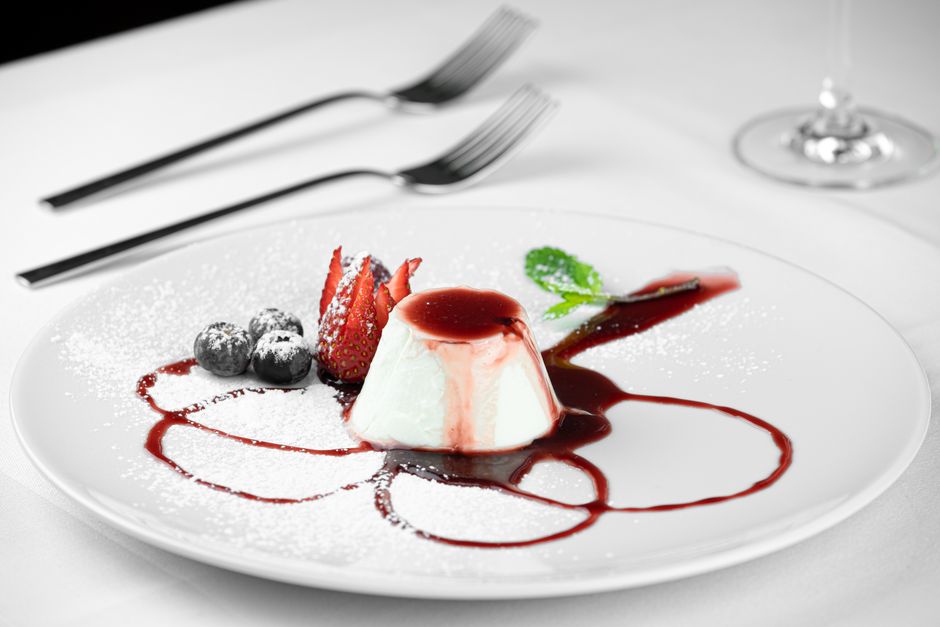
Once your panna cotta is set and beautifully wobbly, you can serve it directly in the cups or demold it for an elegant presentation. To unmold, briefly dip the bottom of each cup into warm water to loosen it from the sides. Carefully invert onto a plate and gently lift the cup away.
For serving, consider adding toppings to enhance the panna cotta experience. Here are some ideas:
"Presentation can elevate a simple dessert into the extraordinary. Invest a little time in assembling your plate, and it will pay off in your guests’ delight!"
Variations on Traditional Panna Cotta
While vanilla panna cotta is a timeless classic, there's a world of possibilities when it comes to flavor variations. Experimentation can yield delightful results, allowing you to customize the dessert for different occasions or according to specific preferences.
Chocolate Panna Cotta
For chocolate lovers, a chocolate panna cotta offers a rich, decadent alternative. To make this variation, follow the same basic steps but add 6-8 ounces of high-quality dark chocolate to the cream mixture before dissolving the gelatin. The process is similar; simply melt the chocolate into the cream as it heats, stirring until smooth.
Coffee Panna Cotta
To create a coffee panna cotta, use brewed espresso or coffee instead of some of the cream. Ensure you adjust the gelatin slightly if using a more concentrated coffee. For instance, substitute one cup of cream with one cup of strong brewed espresso, following the same recipe steps. The result will be a delightful, slightly bitter dessert that intrigues the palate.
Citrus Panna Cotta
For a refreshing take, consider a citrus panna cotta. Infuse the heavy cream with zest from lemons, oranges, or limes during the heating process. A squeeze of juice can also be added after the gelatin has dissolved for an extra kick. This variation is particularly delightful during the warmer months when you crave something light and bright.
Herbal and Spiced Panna Cotta
For an adventurous twist, consider infusing your panna cotta with herbs or spices. Rosemary, lavender, or cardamom can add unexpected and pleasant flavors. Strain the infusion thoroughly to obtain a smooth texture, ensuring that only the essential flavors remain to enhance the creaminess.
Vegan Panna Cotta
For a dairy-free option, vegan panna cotta can be achieved by using coconut milk or almond milk in place of cream and gelatin derived from agar-agar instead of traditional gelatin. The proportions will vary, so follow the instructions on the agar package, as it functions slightly differently from gelatin. The flavor may also vary, but coconut milk gives a beautifully rich consistency.
Common Mistakes to Avoid
Even with its straightforward technique, panna cotta can still go awry if you're not cautious. Here are some common pitfalls and how to avoid them.
Scorching the Cream
One of the most frequent mistakes is overheating the cream, which can lead to a burnt flavor and grainy texture. Always heat the cream mixture gently over medium heat and stir constantly. Remove it from the heat just before it begins to simmer.
Ove or Under-Blooming Gelatin
Improper handling of gelatin can lead to a dessert that won’t set correctly. Ensure that you allow enough time for blooming, whether using powdered or sheet gelatin. If you miss this step, your panna cotta may not achieve the desired firmness.
Over-Sweetening
While panna cotta should be sweet, it’s essential to balance the flavors of your chosen toppings. Remember that many fruits and sauces can be sweet as well, so taste test! Adjusting sugar before setting will ensure a well-rounded sweetness that allows the core flavors to shine.
Ruining the Texture
If you find your panna cotta grainy, it’s likely due to undissolved gelatin. Pour the mixture through a fine-mesh sieve to catch any lumps before refrigerating.
Not Chilling Long Enough
One of the biggest mistakes is not allowing enough time for the panna cotta to set. Inadequate chilling can lead to a flimsy texture and may result in a dessert that collapses upon serving. Aim for at least four hours or overnight in the fridge.
Conclusion
Making panna cotta at home can seem intimidating at first, but armed with the right knowledge and techniques, it can be a simple and rewarding endeavor. This dessert’s adaptability means that you can customize it to fit your taste and the season, whether you prefer classic vanilla or wish to venture into exciting flavor territory. With a few high-quality ingredients and some thoughtful preparation, you can consistently produce a panna cotta that impresses both yourself and your guests.
Incorporating various toppings and presentation styles can transform a simple panna cotta into a stunning centerpiece for your dining experience. So, don your apron and gather your ingredients—it's time to create a dessert that is not just delicious but also a canvas for your creativity. Whether enjoyed after a casual weeknight dinner or as the grand finale to an elegant multi-course meal, panna cotta is sure to elevate your culinary repertoire.
With its silky texture and versatility, panna cotta is more than just a dessert; it’s an experience that invites experimentation and creativity. Dive into flavor combinations, explore various infusions, and don’t be afraid to adjust the recipe to match your taste. In the end, panna cotta embodies the heart of Italian cooking—simple ingredients transformed into something that captivates the senses.


Get the Next Recipe
Weekly recipes, techniques, and gear picks — straight to your inbox.
