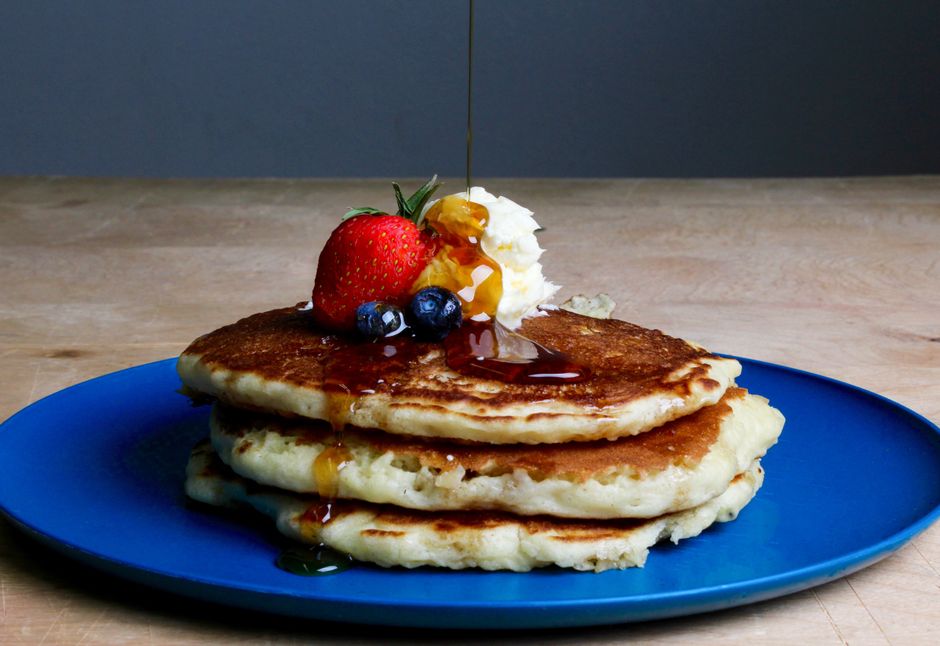
How to Make Perfect Pancakes
Cooking breakfast is often the most cherished part of the morning routine, and at the heart of this culinary experience is the pancake. Whether you prefer them fluffy or thin, sweet or savory, pancakes offer a world of possibilities that can transform an ordinary day into something extraordinary. Making perfect pancakes can elevate your breakfast game, turning simple ingredients into a delightful treat that pleases both young and old. In this comprehensive guide, we will explore the nuances of pancake-making, from selecting the right ingredients to mastering the cooking techniques that will have everyone asking for seconds.
Understanding the essential building blocks of pancakes is crucial for achieving that light, airy texture that is highly sought after. At its core, a pancake batter consists of flour, liquid, a leavening agent, eggs, and fat. Each ingredient plays a specific role. Flour provides structure, while the liquid hydrates the flour and activates the gluten. Leavening agents like baking powder or baking soda create those fluffy bubbles that make pancakes rise. Eggs contribute richness and stability, and fat adds moisture and flavor. Balancing these components effectively is key to ensuring your pancakes turn out just right.
This blog post will take you through the entire process of pancake-making – from the basic recipe and tools you'll need, to tips for customization and serving suggestions. We will also address common mistakes and troubleshooting methods, ensuring your pancakes are a resounding success every time. Whether you are a beginner looking to master basic techniques or a seasoned cook wanting to refine your skills, this guide is designed to enhance your pancake-making journey. So grab your apron, and let’s get ready to whip up something delicious!
The Essential Ingredients for Pancakes
Every great pancake begins with quality ingredients. Choosing the right components can make the difference between a mediocre result and a breakfast triumph. Here’s a closer look at the essential ingredients and some handy tips for selecting them.
Flour Types and Their Impact
The flour you choose plays a pivotal role in the structure and texture of your pancakes.
When trying different types of flour, keep in mind that the liquid ratios may need adjusting based on what you use. Whole wheat flour absorbs more moisture, so you may need to add a little extra milk.
Leavening Agents: The Secret to Fluffiness
Leavening agents are key to achieving that perfect rise in your pancakes.
A general rule of thumb is to use about 1 tablespoon of baking powder or ½ teaspoon baking soda per cup of flour for optimal lift.
The Role of Eggs and Dairy
Eggs add moisture and richness, while dairy contributes flavor and texture.
For non-dairy alternatives, almond milk or oat milk can work, but aim for unsweetened varieties to avoid altering the flavor profile.
The Importance of Sugar and Salt
While not always seen as vital, sugar and salt enhance flavor and can impact texture.
Tools and Equipment for Perfect Pancakes
To achieve pancake cooking nirvana, having the right tools on hand is almost as important as your ingredients. The following are essential tools that will help you create perfect pancakes.
Nonstick Skillet or Griddle
A high-quality nonstick skillet or griddle will ensure your pancakes cook evenly and don't stick. Preheat it over medium-low to medium heat for the best results. Here’s how to test if your skillet is ready:
Mixing Bowls and Whisks
Using the right tools for mixing can make a significant difference.
Measuring Cups and Spoons
Precision is key to achieving the perfect pancake consistency. Use accurate measuring cups for liquids and dry ingredients. When measuring flour, spoon it into the measuring cup and level it off with a knife rather than scooping directly from the bag.
Spatula
A good quality, wide spatula makes flipping pancakes much easier. Look for one with a thin edge that can slide easily under the pancake without damaging it.
The Basic Pancake Recipe
Now that you know about the essential ingredients and tools, let’s get to the heart of the matter: making a basic pancake batter. This foundational recipe can be adapted and customized according to your preferences.
Basic Pancake Batter Recipe
Ingredients:
Instructions:
"Remember, the best pancakes are made when you treat the batter gently. Don’t over-mix—it’s okay to have a few lumps."
Customizing Your Pancake Recipe
Now that you’ve mastered the basic pancake batter, the possibilities for customization are endless! Here are some fun ideas to personalize your pancakes and keep breakfast exciting.
Add-Ins to Enhance Flavor
Adding different ingredients can provide exceptional flavor and texture variations. Here are some delightful add-ins:
Flavor Variations
Experimenting with different flavor profiles can also expand your pancake repertoire.
Savory Pancakes
Pancakes can even take a savory turn! Consider these options:
Cooking Techniques for Flawless Pancakes
Even with the best ingredients, the cooking process plays a major role in the perfection of pancakes. Mastering technique can yield pancakes with the ideal golden brown crust and soft interior.
Preheating and Greasing the Pan
Proper preheating is essential for achieving even cooking.
Pouring and Flipping
How you pour and flip pancakes can affect their shape and texture.
Keeping Pancakes Warm
To prevent your pancakes from cooling while you finish cooking, keep them warm in the oven:
Serving Suggestions for Pancakes
Once your pancakes are cooked to perfection, it’s time to serve! Here are some topping ideas that will make your pancakes even more irresistible.
Classic Toppings
Creative Toppings
Explore unique options to enhance your pancake experience:
Sides to Complete the Meal
Consider serving your pancakes with extras that blend well:
Troubleshooting Common Pancake Issues
Even seasoned cooks may face challenges when making pancakes. Here are some solutions to common issues you may encounter.
Dense Pancakes
If your pancakes turn out too dense, it might be due to over-mixing or using too much flour.
Pancakes That Stick
Sticking pancakes can occur for several reasons, including insufficient greasing or an inadequately preheated pan.
Uneven Cooking
If your pancakes cook unevenly, check if the heat distribution is consistent across your cooking surface.
Conclusion
Making perfect pancakes is a delightful journey that begins with understanding the ingredients and techniques involved. With this guide, you have all the tools necessary to create fluffy, delicious pancakes that brighten any morning. Remember to experiment with different flavors, toppings, and customization to keep your pancake breakfast exciting. The joy of cooking lies in creativity and personal preference, allowing you to adapt and evolve your pancake-making skills over time.
Gather friends or family around the breakfast table and share a stack of your homemade pancakes, elevating a simple meal into a cherished memory. With practice and a bit of passion, your pancakes will undoubtedly become a staple in your culinary repertoire. So the next time someone asks about your pancake secrets, you can confidently say it all starts with quality ingredients, solid techniques, and a love for cooking. Enjoy flipping, serving, and, most importantly, indulging in these tasty treats!
Get the Next Recipe
Weekly recipes, techniques, and gear picks — straight to your inbox.
