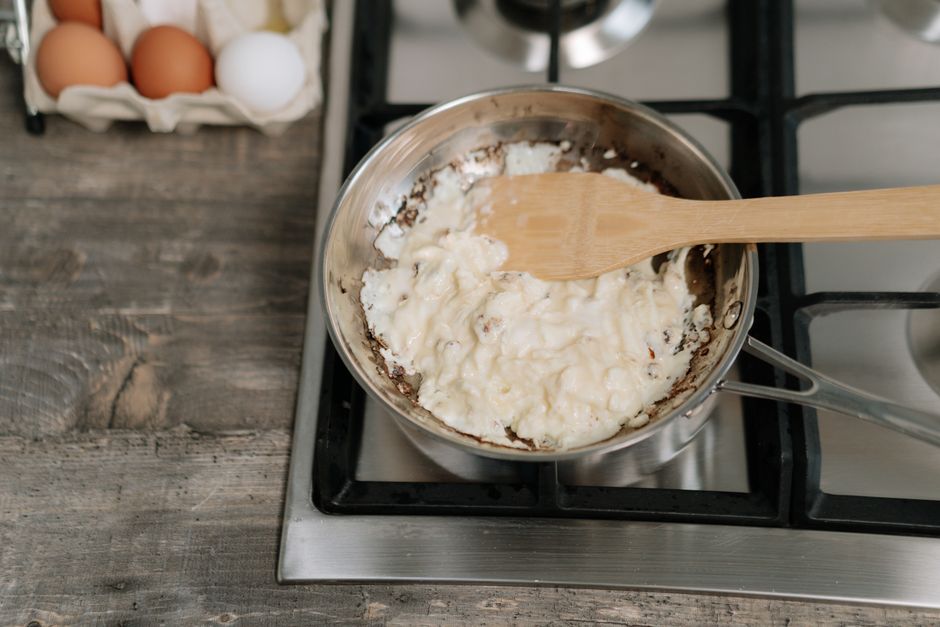
How to Make Perfect Scrambled Eggs
Making scrambled eggs seems like one of the simplest tasks in the kitchen, yet for many home cooks, it can turn into a perplexing challenge. The delicate balance of achieving that perfect texture—creamy but not runny, fluffy but not dry—can elude even the best intentions. To make perfect scrambled eggs, we need to focus on the right techniques, the choice of eggs, and the perfect cooking method. Whether you're preparing breakfast for yourself or hosting a brunch for friends, mastering this classic dish will enhance your culinary repertoire and elevate every morning meal.
In this comprehensive guide, we will delve into the different methods of achieving perfect scrambled eggs. From understanding the science behind the cooking process to exploring various flavor enhancements, our journey will encompass all aspects of this beloved dish. Utilizing the right tools and techniques can dramatically improve the outcome, transforming ordinary eggs into a sublime dish that delights the senses. Every step, from choosing the freshest eggs to the final plating, counts towards creating an egg experience that you and your guests will rave about.
The beauty of scrambled eggs lies in their versatility. They can be enjoyed plain, dressed up with herbs, cheese, or vegetables, or served alongside myriad sides, making them a staple in breakfast and brunch menus worldwide. By mastering a few basic principles and techniques, you’ll be on your way to whipping up the best scrambled eggs you’ve ever tasted. Let’s embark on this culinary adventure together and crack the code to perfect scrambled eggs.
Understanding Eggs: The Foundation of Scrambled Perfection
The Importance of Fresh Eggs
When it comes to eggs, freshness is key. Fresh eggs not only taste better, but they also produce fluffier scrambled eggs. As eggs age, the whites thin out, and the yolks become less firm, leading to a less desirable texture. Always purchase eggs from a reputable source, ideally from local farms or farmers' markets, where you can ensure their quality.
A simple freshness test can be conducted at home: place your egg in a bowl of water. If it sinks and lays flat on the bottom, it’s fresh. If it stands upright or even floats, it’s best to discard it. For scrambled eggs, you ideally want to use eggs that are no more than a couple of weeks old.
Egg Varieties and Their Impact
Not all eggs are created equal. The type of eggs you choose can significantly influence the flavor and texture of your scrambled eggs. Here are a few varieties to consider:
Each type of egg brings distinct qualities to the table. Experimenting with different varieties can help you determine your preference and ultimately enhance your scrambled egg creation.
Mastering the Ideal Technique
Preparing Your Ingredients
To set yourself up for success, it’s crucial to prepare your ingredients and tools before getting started. Gather the following:
Cooking Methods Explained
There are several methods to cook scrambled eggs, from high heat to low, and each produces different outcomes. Here are the most common techniques:
Let’s break down the stovetop method, as it offers the most control and opportunity for refinement.
The Stovetop Technique
#### 1. Whisking the Eggs
To kick things off, crack your eggs into a mixing bowl. For a smoother consistency, whisk the eggs vigorously with a fork or a whisk until the yolks and whites are completely blended. Aim for a uniform color. If you’re adding milk or cream for extra richness, incorporate it now. Remember that the more fat you add, the creamier the final product will be.
#### 2. Seasoning the Mixture
It’s essential to season your eggs at this stage. Add a pinch of salt and pepper to taste. Be cautious with the salt; too much can draw moisture from the eggs and result in a watery scramble. You can always adjust the seasoning later.
#### 3. Heat the Pan
The right pan and heat level are critical. Use a non-stick skillet or well-seasoned cast iron skillet for the best results. Preheat your pan over medium-low heat; aim for around 250°F (121°C). This low and slow approach allows the eggs to cook evenly without burning.
#### 4. Add Butter to the Pan
Once your pan is warm, add a generous pat of butter. Let it melt gently without turning brown. The butter adds flavor and helps prevent sticking, creating a silky texture when combined with the eggs.
5. Pour in the Eggs
Now it’s time to add your egg mixture to the pan. Let it sit for just a moment to begin setting on the edges, then gently stir the eggs with a spatula, pushing them from the edges towards the center. This technique helps create soft curds.
“Cooking scrambled eggs is more about patience than technique. Low and slow is the key to fluffy perfection.”
#### 6. Control the Heat
As you cook, maintain an eye on the heat. If the eggs start to cook too fast or show signs of browning, lower the heat immediately. Your goal is soft, creamy curds that hold their shape without drying out.
When the eggs are almost set but still slightly wet—this should take about 4-5 minutes—take them off the heat. Residual heat will continue to cook them slightly, achieving that perfect texture.
#### 7. Finishing Touches
You can fold in additional ingredients like cheese or fresh herbs at the end for flavor enhancement. Ingredients like chives, parsley, or goat cheese can elevate your dish significantly.
#### 8. Serve Immediately
Scrambled eggs taste best right after cooking, so serve them immediately while they’re still warm and fluffy. Pair with crusty toast, crisp bacon, or fresh fruit to round out your breakfast experience.
Enhancing Your Scrambled Eggs
Flavor Additions
While simple scrambled eggs shine on their own, you can boost their appeal with a few thoughtful additions. Here’s a list of optional enhancements to consider:
Making It Your Own
Feel free to experiment! Here’s a step-by-step guide to incorporating these enhancements into your scrambled eggs:
#### Example Recipe: Cheesy Herb Scramble
For a delicious twist, try this quick recipe for a Cheesy Herb Scramble:
- 3 eggs
- 1 tablespoon milk
- 2 tablespoons shredded cheddar cheese
- 1 teaspoon fresh chives, chopped
- Salt & pepper to taste
Choosing the Right Accompaniments
Your scrambled eggs can be the star of the show, but the right companions elevate the meal. Here are some popular pairings:
Cooking Scrambled Eggs for a Crowd
Making scrambled eggs for a large group can be daunting, but with a few adjustments, you can serve fluffy delicious scrambled eggs to everyone at the table.
Preparing Ahead
Equipment Considerations
Using a large non-stick skillet allows you to cook more eggs at once efficiently. If making for a big gathering, consider using two pans or cooking in stages to manage timing.
Temperature and Timing
For large batches, avoid the temptation to crank up the heat. Cooking slowly ensures even texture.
Science Behind Scrambled Eggs
Understanding Egg Cookery
Cooking eggs involves breaking down protein structures in the egg white and yolk. Understanding the science behind this process can help you achieve better results.
Texture Breakdown
Fluffy scrambled eggs stem from the creation of delicate curds. Here’s a breakdown of how to achieve the perfect texture:
“Understanding how eggs cook is the first step toward mastering their myriad preparations.”
Troubleshooting Common Errors
While working with eggs, several common problems may arise:
Conclusion
Once you have embraced the art of making scrambled eggs, a world of culinary possibilities unfolds. From the choice of the freshest eggs to the method employed in cooking, every element plays a role. By paying attention to detail, controlling the heat, and incorporating your favorite enhancements, you can elevate this simple dish into a remarkable culinary experience.
Perfecting scrambled eggs takes practice, but the journey is enjoyable and rewarding. Whether you keep it classic or dress it up, your newfound skills will impress yourself and any guests who are fortunate enough to sit down at your table. The perfect scramble is not just a meal; it’s a canvas on which you can paint your culinary creativity.
Now, armed with techniques and tips, step into your kitchen and create scrambled eggs that deserve to be savored. Let this guide serve as your map in the beautiful territory of egg cookery, igniting your passion for cooking and urging you to explore even further. Bon appétit!


Get the Next Recipe
Weekly recipes, techniques, and gear picks — straight to your inbox.
