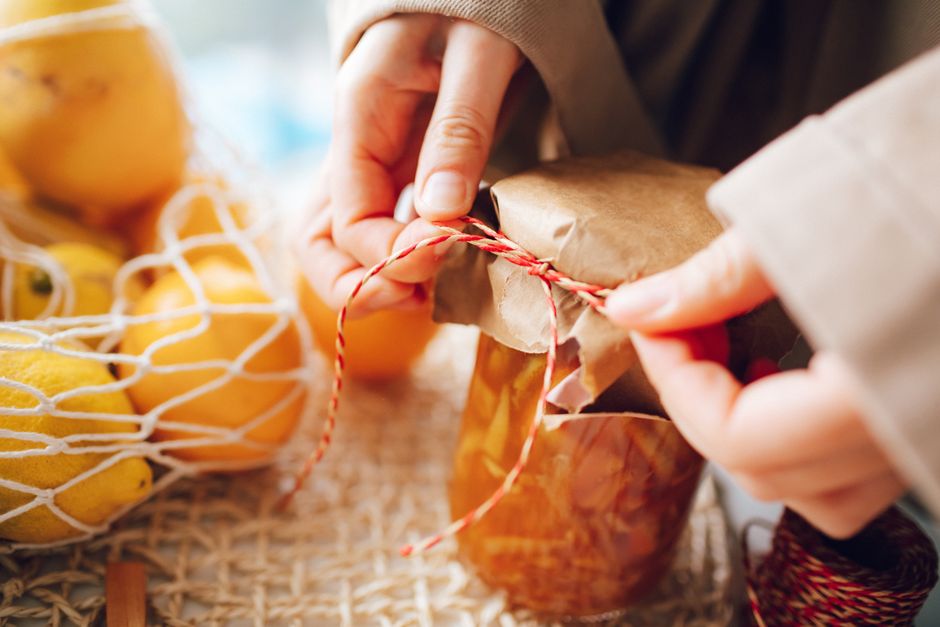
How to Make Preserved Lemons
Preserved lemons are a culinary treasure that can transform ordinary dishes into extraordinary culinary experiences. With their vibrant flavor and unmistakable aroma, preserved lemons are a staple in many Mediterranean and Middle Eastern cuisines, often used to add depth, acidity, and a unique tartness. They are incredibly versatile and can be incorporated into a wide array of dishes, from salads and sauces to tagines and couscous. While the concept of preserving fruits might seem daunting to some home cooks, the process of making preserved lemons is simple, requiring just a few basic ingredients and some patience.
As you embark on this culinary adventure, you will discover that preserving lemons not only enhances your cooking repertoire but also allows you to savor the bright flavors of lemons long after the fruit is out of season. The technique involves fermenting the lemons in salt and their own juice, a process that intensifies their flavor and creates a complex, savory ingredient that can elevate many recipes. Whether you're a seasoned chef or a beginner in the kitchen, mastering the art of preserved lemons will be a rewarding experience that adds a touch of sophistication to your dishes.
In this post, we will guide you through the step-by-step process of making preserved lemons, from choosing the right lemons to storing and utilizing them in your cooking. We’ll delve into the best practices, tips, and tricks that will ensure your preserved lemons turn out perfectly every time. So roll up your sleeves, grab your ingredients, and let's dive into the world of preserved lemons!
Selecting the Right Lemons
When it comes to making preserved lemons, the first step is to select the perfect lemons. The type of lemon you choose can significantly impact the final product, so it is worth taking the time to ensure you make the right selection.
Types of Lemons
When selecting lemons, look for those that are organic and untreated if possible, as the wax and pesticides used on conventional lemons can affect the preservation process and alter the flavor. You want lemons that are firm, heavy for their size, and devoid of blemishes. A slight sheen on the skin indicates freshness.
Ideal Characteristics
"The success of your preserved lemons hinges on the quality of your fruit. Always select organic, unwaxed lemons for the best flavor."
Preparing the Lemons
Once you've selected your lemons, the next step is to prepare them for preservation. This process is both straightforward and essential to ensure that the lemons absorb the salt and develop their flavors during the preservation process.
Cleaning the Lemons
Begin by rinsing the lemons under cool water to remove any dirt or impurities. If you’ve opted for non-organic lemons, consider giving them a wash with a mixture of vinegar and water to help remove any wax residues. Once they’re clean, pat them dry with a clean towel. This step is crucial, as you want to avoid introducing any bacteria or contaminants that might spoil the preservation process.
Cutting the Lemons
Next, you will need to cut the lemons. The traditional method involves halving the lemons:
This cutting method facilitates the absorption of the salt and spices you’ll be using, enhancing their flavor during the fermentation process.
Salting the Lemons
Salting is the heart of the preservation process. You will need coarse sea salt or kosher salt for this step. Use about 1 tablespoon of salt for every lemon you prepare. The salt not only draws out moisture from the lemons but also helps to create a brine in which the lemons will ferment.
It is important to leave some space at the top of the jar for the brine that will form as the lemons sweat.
"Be generous with the salt—it’s essential for creating that signature flavor and ensuring long-lasting preservation."
Fermentation Process
After packing your jar with the salted lemons, the next step is waiting for the magical fermentation process to take place. This can take anywhere from a few weeks to a couple of months depending on your preference and usage.
Storing the Jars
Seal the jar tightly and store it in a cool, dark place, such as a pantry or cupboard away from direct sunlight. For the first few days, make it a habit to turn the jar upside down for a few minutes each day to help distribute the salt and juices evenly.
Fermentation Timeline
Flavor Development
The process of fermentation allows for the breakdown of the lemons’ cellular structure, resulting in a softer texture and more pronounced flavors. You’ll notice that the taste shifts from sharp and pungent to an earthy brightness that is excellent for enhancing dishes.
Using Preserved Lemons
After the lemons have fully fermented, they’re ready for use! Preserved lemons are a versatile ingredient that can enhance many recipes. Let's explore a few common ways to incorporate them into your cooking.
Culinary Applications
"Preserved lemons are not only flavorful but also a great way to elevate ordinary dishes into extraordinary culinary experiences."
Precautions and Storage
Once opened, preserved lemons can last in the refrigerator for several months. To keep them fresh, ensure they remain submerged in their brine and use a clean utensil each time you're scooping them out. If you may not use them frequently, consider repacking them in smaller jars.
Remember that the rind is the most flavorful part of the preserved lemon, while the pulp can be quite salty and potent. Typically, you’ll want to rinse the pulp to remove excess salt before using it in your dishes.
Creative Recipe Ideas
Now that you know how to make and use preserved lemons, let’s explore some creative recipe ideas that showcase their flavor and versatility. Each recipe is designed to highlight the unique essence of preserved lemons, making them the star ingredient.
Preserved Lemon and Herb Hummus
This delicious twist on traditional hummus infuses the classic chickpea dip with bright lemony flavors.
Ingredients:
Instructions:
Chicken Tagine with Preserved Lemons and Olives
A traditional Moroccan dish that beautifully showcases the flavor of preserved lemons.
Ingredients:
Instructions:
Quinoa Salad with Preserved Lemons and Feta
This refreshing salad combines the nutty flavor of quinoa with tangy feta and the unique taste of preserved lemons.
Ingredients:
Instructions:
Cleaning Up After Preserving
Preserving lemons can be a bit messy, so it’s essential to maintain a clean workspace. Ensure that all equipment and utensils used during the preservation process are thoroughly cleaned and sanitized to avoid any contamination.
Equipment Cleaning
Storing Leftover Ingredients
If you have leftover salt or ingredients used for the preservation process, store them in airtight containers in a cool, dry place. Label each container with the date to ensure you use them within a reasonable timeframe.
Conclusion
Making and using preserved lemons is a fantastic way to enhance your culinary skills while adding incredible flavor to your dishes. The sweetness and acidic brightness they offer can elevate everything from simple salads and grains to complex stews and marinades. By following the steps outlined in this post, you’ll master the art of preservation and enjoy the unique taste of preserved lemons at their peak.
In a world where culinary exploration can sometimes take a backseat to convenience, preserving lemons allows you to connect with vibrant flavors and the joys of cooking. Be sure to experiment with different recipes and discover how preserved lemons can play a starring role in your kitchen. Once you’ve made your first batch, you’ll find endless inspiration in how to use this simple yet powerful ingredient.
The reward of your patience in making preserved lemons will transcend the ordinary and lead you to explore new heights in your culinary journey. Dive into the world of preserved lemons and experience how a humble fruit can transform your cooking into something exceptional. Happy preserving!


Get the Next Recipe
Weekly recipes, techniques, and gear picks — straight to your inbox.
