How to Make Restaurant-Quality Risotto at Home
Risotto is often seen as a pinnacle of Italian cuisine, revered for its creamy texture and rich flavor. Yet, many home cooks shy away from making risotto, perceiving it as too complicated or labor-intensive. This attitude stems from misconceptions about the process and ingredients involved. The truth is, with the right techniques, you can easily create a restaurant-quality risotto right in your own kitchen. Armed with knowledge and a bit of patience, you can turn this seemingly daunting dish into a simple yet elegant masterpiece.
At its core, risotto is a celebration of arborio rice, which has a high starch content that releases creaminess when cooked slowly with broth. The beauty of risotto lies not only in its smooth texture but also in its versatility. It can be customized with a plethora of ingredients—from seasonal vegetables to fresh herbs and proteins. This means that with a foundational understanding, you can tailor your risotto to suit your taste preferences or the ingredients you have on hand, allowing for creativity while staying within the comforting embrace of tradition.
Making risotto is not just about the final product; it’s an experience, marked by an exquisite balance of flavors and textures. The slow cooking process encourages you to engage with your ingredients, to watch as they transform under your attentive care. This blog will guide you through everything you need to know about making the perfect risotto, from choosing the right rice to serving it beautifully. Let’s dive into the wonderful world of risotto and elevate your home cooking skills!
The Foundation: Understanding Risotto
To create a superb risotto, you must first understand the essential components that make this dish shine. The primary ingredient, arborio rice, is not just any rice; it is short-grained and unique in its ability to absorb flavors while releasing starches, resulting in the creamy consistency that is characteristic of this dish. The choice of rice is crucial; alternatives like carnaroli and vialone nano are also excellent options, boasting similar qualities that can elevate your result further.
The ratio of rice to broth is typically one part rice to four parts liquid. While this is a good starting point, it may vary based on the specific recipe or ingredients you are using. Using homemade broth will make a significant difference, enhancing the depth of flavor. Stock should always be kept at a simmer while you are preparing the risotto, as adding cold liquid will interrupt the cooking process and prevent the rice from cooking evenly.
Let’s not forget about flavoring—the sautéed aromatics that set the stage for your risotto. At minimum, you should incorporate onions or shallots and garlic, which caramelize and enhance the overall flavor profile. Adding a splash of white wine after the rice is toasted gives it a bright acidity that balances the creaminess. While these elements may seem simple, they form the vital foundation on which you will build the flavors of your dish.
Selecting Quality Ingredients
Choosing the Right Rice
The heart and soul of a successful risotto lie in the rice you select. While arborio is the most common choice, many chefs prefer carnaroli for its higher starch content and ability to hold its shape during cooking. If you can’t find these options, look for rice labeled as suitable for risotto. Avoid long-grain rice varieties, like basmati or jasmine, as they do not release enough starch to create that signature creaminess.
Stock and Broth
As previously mentioned, the liquid you choose to cook the rice is paramount. Always use homemade stock or high-quality store-bought broth. The flavor of your risotto will suffer if you skimp on this element. The type of stock can vary, too—a vegetable stock will lend itself to lighter, summery risottos, while a chicken or beef stock will create a richer base, perfect for an earthy or heartier dish.
When preparing your stock, consider adding complementary flavors. Roasting vegetables like carrots, onions, and celery in a little oil before boiling can enhance the flavor significantly. Herbs such as thyme, bay leaf, and parsley can also be infused into the broth for an extra depth of flavor.
Aromatics and Other Ingredients
While the riso will absorb the main flavor from the broth, the finishing touches come from the aromatics and other additions you use. The classic combination of finely diced onion and garlic forms the basis for most risotto recipes. Their flavors should bloom in a hot pan with some oil or butter before adding the rice.
When it comes to enriching your risotto, consider adding seasonal vegetables. Mushrooms, for example, bring a meaty depth, while peas or asparagus can add a fresh brightness. You might also choose to incorporate proteins such as shrimp, chicken, or even smoked sausage. The key is to add these ingredients based on their cooking times—be sure to add anything that requires longer cooking early on, while adding quicker-cooking items towards the end.
Cheese is another critical element that makes risotto decadent. Parmesan is the classic choice, adding nuttiness and saltiness to the final dish. Grating it fresh will ensure it melts beautifully, enveloping the rice with that signature creaminess.
Mastering the Cooking Technique
Toasting the Rice
One of the most crucial steps in making risotto is the toasting of the rice. This process adds a delightful nuttiness to the flavor profile. Start by heating a tablespoon of oil (or a combination of oil and butter) in a heavy-bottomed pot or skillet over medium heat. Once hot, add the finely diced onion and sauté until soft and translucent—this usually takes about 3-4 minutes.
Next, add the rice to the pot, stirring it continuously for about 2-3 minutes. The grains will look opaque, and they’ll take on a slight golden hue. To enhance this step, you can also try adding a pinch of salt during the cooking process, which can help to heighten the flavors.
Adding Liquid Gradually
After toasting the rice, it’s time to deglaze the pan with white wine. This will enhance the flavor significantly; use a dry wine to avoid overpowering the risotto. Allow the wine to simmer until it’s mostly evaporated before beginning to add your simmering broth.
When it comes to adding broth, one of the most critical techniques is to do so gradually.
Typically, this process will take about 18-20 minutes, depending on your heat and the type of rice used. The rice should be al dente when finished—cooked through but still firm at the center.
Techniques for Flavor Development
Stirring continuously is an essential technique for achieving that creamy consistency. While many cooks fear that constant stirring is labor-intensive, think of it as almost meditative. This motion is what allows the rice to release its starch and makes the risotto creamy without the need for excessive butter or cream.
You can also experiment with ways to enhance flavors throughout the cooking process. Adding herbs such as thyme or bay leaves can infuse your dish with extra depth. Ensure you remove any whole herbs before serving, as they can be unappealing in texture.
Additionally, always taste your risotto along the way! This will help you gauge seasoning levels and adjust as necessary. If you notice it’s turning too thick, you may need to add a little bit more stock.
Finishing Touches: Perfecting Risotto
The Importance of Emulsifying
Once your rice is at the desired doneness, it’s time for the finishing touches. At this point, emulsification will elevate your risotto into an entirely new realm. This technique involves adding butter and grated Parmesan cheese to the cooked risotto off the heat, which creates a gorgeously creamy sauce that clings to each grain.
This method introduces a luxurious mouthfeel and a touch of elegance. Don’t skip this step—it's what truly transforms your risotto into a restaurant-quality dish!
Adding Flavor Elements
A final sprinkle of finishing salt can truly make the flavors pop. Consider adding fresh herbs, such as chopped parsley, basil, or chives to add freshness and color to the dish. Also, a squeeze of fresh lemon juice can cut through the richness, enhancing flavor balance.
For an extra touch, try garnishing your risotto with toasted nuts, such as pine nuts or walnuts, or a drizzle of high-quality olive oil or truffle oil for an unexpected yet delightful flavor boost.
Plating Your Risotto
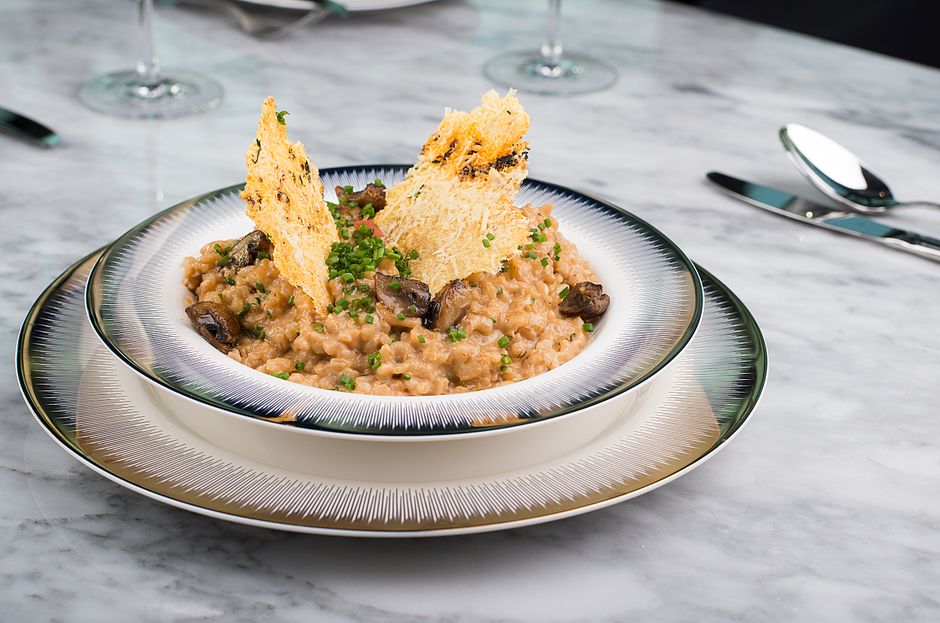
Your risotto is now complete, but presentation is key in elevating any dish. Use a warm, shallow bowl to serve your risotto. This allows you to create an appealing mound in the center.
Making your dish visually beautiful not only enhances the culinary experience but adds to the satisfaction of presenting your creation to family or guests.
Addressing Common Risotto Issues
Like any skill, making risotto can come with some common pitfalls. Here are some troubleshooting tips for common issues:
Dry Risotto
If your risotto turns out dry, it may be due to not adding enough broth during cooking. In the future, keep a simmering pot of stock nearby and add it more frequently, being sure to keep the rice moist.
Overcooked Rice
Overcooked rice can be another issue, often resulting in a mushy final product. This usually stems from adding too much liquid or cooking for too long. Aim for a cooking time of around 18-20 minutes and ensure you are taste-testing along the way to reach that perfectly tender, yet firm texture.
Graininess
If your risotto feels grainy or uneven, it may be due to not stirring sufficiently or cooking at too high a heat. Keep your heat on medium and stir often; this helps release the starch properly, leading to a creamy texture.
Lack of Flavor
If your risotto is lacking in flavor, revisit your broth. If using commercial stock, opt for low-sodium options so you can better control the seasoning. Also, remember to season each step carefully. Tasting as you go is essential!
Creative Risotto Variations
Risotto’s versatility is one of its most celebrated traits. While learning the base technique is crucial, exploring various flavors and ingredients allows you to make the dish your own!
Vegetable Risotto
Incorporating seasonal vegetables elevates flavor and texture. Seasonal favorites include:
Seafood Risotto
Seafood risotto transforms a basic dish into something elevated. Consider these additions:
Mushroom Risotto
Using various mushroom types adds complex flavor profiles and textures. Try swapping out the traditional broth for a mushroom broth for deeper flavor immersion. Consider enhancing with a sprinkle of truffle oil for luxury.
Wild Greens Risotto
Adding fresh greens such as spinach, kale, or arugula can bring vitality back into the classic risotto, plus a serving of essential nutrients. Sauté them lightly with the shallots before adding the rice.
Conclusion
Cooking risotto may seem intimidating at first glance, but breaking it down into manageable steps can demystify the process and turn it into a culinary adventure. At its essence, risotto reflects the harmony of patience, technique, and simple but high-quality ingredients. This luxury dish, often reserved for fine dining, is now within your reach.
Armed with the knowledge of ingredient selection, cooking technique, and the importance of integrating flavors, you stand at the threshold of creating not just a meal but an experience. Invite versatility into your kitchen and allow your imagination to guide you as you experiment with different flavors and textures.
By following this guide, you’ll not only impress yourself but also those you share your meal with. With practice, risotto will become a beloved staple in your repertoire, a dish you return to time and again, celebrating with each creamy spoonful.
So, roll up your sleeves, gather your ingredients, and start your risotto journey today. The delicious rewards of your labor await!


Get the Next Recipe
Weekly recipes, techniques, and gear picks — straight to your inbox.
