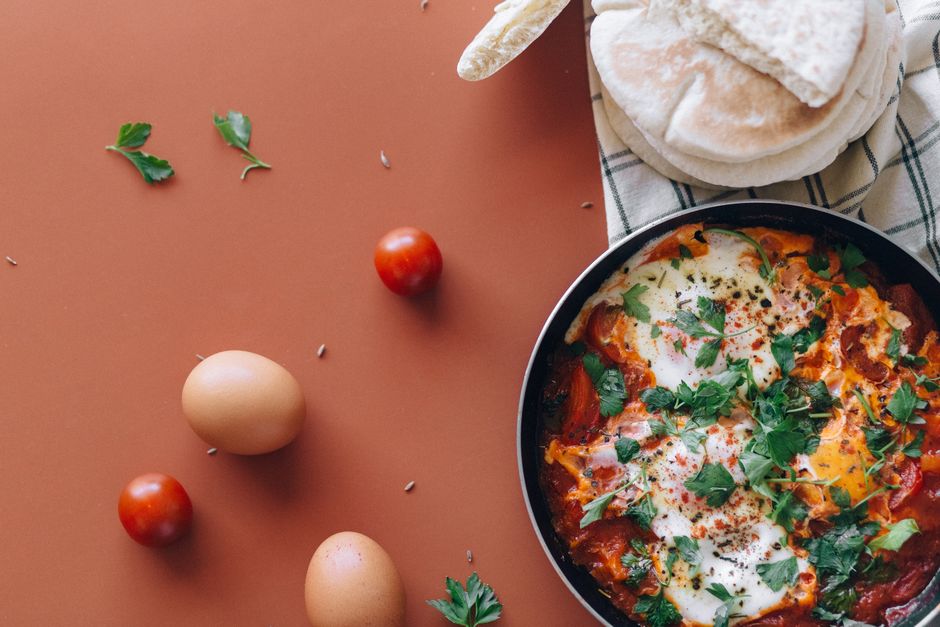
How to Make Shakshuka
Shakshuka is a dish that invites you to slow down. It’s a Middle Eastern staple that has traveled well beyond its roots in North Africa and has become beloved in various cuisines around the globe. The base of the dish is a rich and robust tomato sauce combined with an array of spices that come together beautifully to create a vibrant and flavorful foundation for the stars of the show: the eggs. Cooking shakshuka is more than just about following a recipe; it's an immersive experience that offers a window into the diverse culinary traditions round the Mediterranean.
As you embark on cooking shakshuka, you will find that this dish is not only incredibly satisfying to eat but also quite simple to prepare. The beauty of shakshuka lies in its versatility. You can adjust the heat according to your preference, add various vegetables or proteins, and even experiment with sides or toppings. Whether you’re whipping it up for breakfast, lunch, or dinner, shakshuka is the perfect canvas for culinary creativity. The warm spices and hearty vegetables complement the creamy, runny yolk, making each bite a little piece of heaven.
Let's delve deeper into how to achieve that perfect shakshuka. Cooking this dish with care reveals the layers of flavor that can be developed with the right techniques and quality ingredients. Here, you will not only learn the steps to make an authentic shakshuka but also gain insights into the tips and tricks that will elevate your dish to the next level. Leave behind the fear of cooking eggs in sauce; by the end of this guide, you will transform into a shakshuka pro.
Understanding Shakshuka: A Flavorful History
Shakshuka is believed to have originated in North Africa, with versions of the dish dating back to the Ottomans, showcasing its rich historical significance. The name shakshuka itself means “a mixture” in Arabic, which perfectly describes the wonderful medley of ingredients used across its variations. Recognizing the roots of shakshuka helps deepen your appreciation of the dish and informs how you can recreate it in your kitchen.
The Regional Variations
Across the Mediterranean, each region has put its own spin on shakshuka, with different spices and ingredients reflecting local tastes and traditions. For instance, in Morocco, you might find additional ingredients such as cumin, saffron, or even spiced lamb. On the other hand, in Israeli cuisine, shakshuka is often served with a spicy harissa sauce, bringing a kick that enhances the overall flavor profile.
Understanding these variations is essential as they provide a spectrum of flavors and preparations to explore. You can decide whether to stick with a classic recipe or take inspiration from these adaptations to make your unique version.
Ingredients Overview
While the foundation of any shakshuka is a flavorful tomato sauce, the quality of your ingredients plays a crucial role in the final product. Here’s a list of essential ingredients for a traditional shakshuka, along with their function in the dish:
Choosing fresh and high-quality ingredients not only makes for a more delicious shakshuka but also a more rewarding cooking experience.
Essential Equipment for Cooking Shakshuka
Even though shakshuka is simple enough to make, using the right equipment can significantly enhance your cooking process and the final outcome. Here’s a breakdown of what you’ll need.
Cooking Pan
A cast iron skillet or a heavy-bottomed frying pan is the perfect choice for shakshuka. The even heat distribution of cast iron ensures that the tomatoes simmer evenly, reducing the sauce to a rich consistency without burning. If you don’t have cast iron, a good quality non-stick skillet can also work well.
Lid
Having a lid is essential for cooking the eggs. A tight-fitting lid will help steam the eggs during the final cooking phase, ensuring that the whites are set without overcooking the yolk.
Wooden Spoon or Spatula
To stir your ingredients, you’ll want a sturdy wooden spoon or a heat-resistant spatula. These tools are great for lifting and turning without scratching your cookware.
Measuring Cups and Spoons
Precise measurements help ensure your spices are well balanced. Having a good set of measuring cups and spoons will allow for accuracy in your ingredients.
The Step-by-Step Guide to Making Shakshuka
Now that you’re equipped with knowledge of ingredients and equipment, it’s time to dive into the cooking process. The steps below will lead you to create a delicious shakshuka, and feel free to adjust quantities and spices to suit your taste.
Step 1: Prepare the Ingredients
Before you begin cooking, prep all your ingredients. This ensures a smoother cooking process. Chop the onions and garlic, dice your bell peppers, and prepare your tomatoes if using fresh ones. If you're using canned tomatoes, choose either whole or diced tomatoes based on your preference.
Step 2: Sauté the Aromatics
Heat your skillet over medium heat and add about 2 tablespoons of olive oil. Once hot, add the chopped onions. Cook them for about 5-7 minutes until they are soft and translucent. Next, add the minced garlic and diced bell peppers. Sauté for an additional 3 to 5 minutes, stirring occasionally to prevent burning.
“Aromatics are the foundation of flavor in any dish; take your time to develop their sweetness.”
Step 3: Build the Sauce
Once your aromatics are nicely softened, it’s time to build the sauce. Add the fresh or canned tomatoes, along with the spices. If using fresh tomatoes, you may want to crush them with the back of your spoon as they cook.
Let the mix simmer on medium-low heat for about 10-15 minutes. The sauce should thicken and bubble gently, allowing the flavors to meld together perfectly.
Step 4: Create Wells for the Eggs
Once your sauce has reduced and thickened, it’s time to make room for the eggs. Using a spoon, create small wells in the sauce, spacing them out evenly. This is where your eggs will nestle.
Step 5: Add Eggs
Crack each egg into a small bowl, and then gently transfer it into each well you created in the sauce. Aim to keep the yolks intact for that beautiful, runny center. Avoid crowding the pan; if you’re making several eggs, it may be beneficial to work in batches.
Step 6: Cook the Eggs
Cover the skillet with a lid and lower the heat to low. Let the eggs cook for about 5-8 minutes, depending on your preference for doneness.
Check the eggs occasionally to ensure they are cooking evenly.
“A gentle simmer is key—rush your eggs and they won’t cook evenly.”
Step 7: Garnish and Serve
Once the eggs reach your desired doneness, remove the skillet from heat. Garnish with freshly chopped parsley or cilantro, and if desired, a sprinkle of crumbled feta cheese adds a rich, salty flavor that complements the dish beautifully.
Serve your shakshuka directly from the skillet for an inviting look, and make sure to have warm bread on hand for dipping.
Troubleshooting Common Shakshuka Mistakes
Even simple dishes can present challenges. Here’s how to troubleshoot some common issues you may encounter while making shakshuka.
Problem: Sauce Too Watery
If your sauce seems thin or watery, allow it to simmer uncovered for a few extra minutes. This will help the excess moisture evaporate and thicken the sauce.
Problem: Eggs Cooked Unevenly
Ensure your heat isn’t too high when cooking the eggs, as this can lead to uneven cooking. A gentle simmer with the lid on is essential for uniform cooking.
Problem: Too Spicy or Not Spicy Enough
Taste as you go! Spices can vary greatly in strength. Always start with smaller amounts and adjust to your preference. You can always add more, but it’s hard to take spice away once it’s added.
Variations and Customizations
Shakshuka is highly adaptable, allowing you to incorporate your favorite ingredients or leftovers into the dish. Here are a few creative suggestions to elevate your shakshuka experience.
Spicy Harissa Version
For a spicy kick, consider adding a few tablespoons of harissa either into the sauce while it simmers or as a topping once it’s finished cooking. This aromatic chili paste adds complex flavors and heat that elevates your shakshuka to new heights.
Veggie-Packed Shakshuka
Incorporate additional vegetables for a nutrient boost. Zucchini, spinach, and mushrooms are all excellent choices. Simply sauté them with the onions or fold them in the sauce during cooking.
Meat Lover’s Shakshuka
Adding sautéed chorizo or sausage can enrich the dish and introduce new flavors. Brown the meat before adding the onions, allowing the flavors to meld beautifully in the sauce.
Cheese Versions
For a creamier texture and added flavor, consider stirring in dollops of ricotta or sprinkling crumbled feta on top before serving. This not only enhances flavor but also brings a creamy component that complements the other textures.
The Perfect Pairings for Shakshuka
Once you’ve mastered the shakshuka itself, you’ll want to think about how to serve it. The right accompaniments can turn a simple dish into a full meal. Here are some perfect pairings:
Bread Options
Having a good bread for dipping is essential. Here are some great options:
Fresh Salad
A refreshing Tabbouleh or Fattoush salad can offer a bright contrast to the rich shakshuka. These salads typically consist of fresh herbs, chopped vegetables, and tangy dressings, mimicking the freshness in shakshuka.
Yogurt or Labneh
A spoonful of Greek yogurt or labneh can provide a cooling contrast to the spicy flavors of shakshuka. The creaminess will enhance the overall experience.
Conclusion
In conclusion, making shakshuka is a rewarding cooking experience that offers a taste of rich culinary traditions while allowing for creativity in the kitchen. With just a few ingredients and some essential techniques, you can whip up a comforting meal that is as versatile as it is delicious. Experiment with spices, customize to your taste, and don’t hesitate to try new variations to keep the dish exciting.
As you continue your culinary journey, remember that cooking is about exploration, creativity, and making it uniquely yours. So, embrace the spirit of shakshuka, and don’t be afraid to add your twist to this beloved dish. Share your creations with friends and family, and most importantly, enjoy the rich flavors and warm aromas that fill your kitchen. Happy cooking!


Get the Next Recipe
Weekly recipes, techniques, and gear picks — straight to your inbox.
