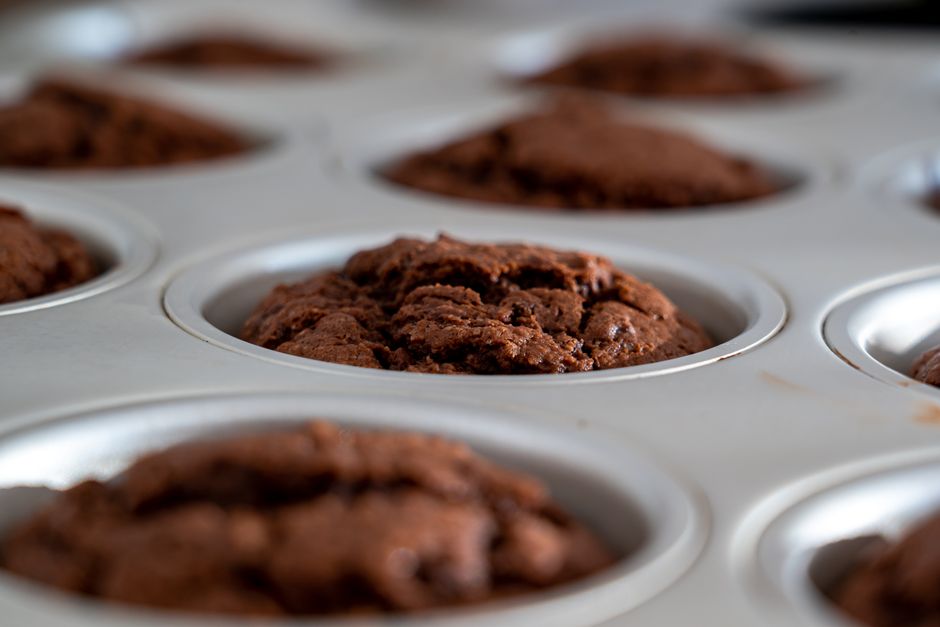
How to Make Soufflé
Making a soufflé is one of the most rewarding yet challenging experiences in baking, a delicate dance between egg whites and a rich base that yields a dish famed for its airy texture and luxurious flavor. This culinary marvel has captivated many with its reputation for sophistication, and while it may seem daunting, mastering the soufflé opens up a treasure trove of possibilities in baking. Whether sweet or savory, a well-executed soufflé rises to the occasion, pleasing not just the palate but delighting the eyes as it puffs up majestically in the oven.
To embark on your soufflé journey, understanding the science of the soufflé is just as crucial as following a recipe. The magic lies in the egg whites, which contain proteins that denature and trap air when whipped. As they cook, this air expands, causing the soufflé to rise. However, the balance between the base and the whipped egg whites must be achieved meticulously. Too little structure in the base will lead to collapse, while too much can weigh down the airy whites. This recipe will delve into the detailed steps necessary to achieve a soufflé that both rises beautifully and has a wonderful depth of flavor.
In this post, we’ll cover everything from the essential ingredients to the technique of whipping the egg whites to perfection. You'll learn about the different types of soufflés, appropriate cooking temperatures and times, and tips from professional chefs to prevent collapse as they come out of the oven. By the end, you'll be ready to impress your family and friends with a soufflé that sings with lightness and flair.
Understanding Soufflé Types
Soufflés can be broadly categorized into two main types: sweet and savory. Understanding the nuances of each type will help guide your ingredient selection and flavor profile. Sweet soufflés are often served as desserts, made with a flavorful base of chocolate, vanilla, or fruit puree. Savory soufflés can incorporate a myriad of ingredients like cheese, vegetables, or proteins, making them suitable for a main course or appetizer.
Sweet Soufflés
Chocolate Soufflé is a classic choice for those looking to impress with a rich dessert. This version combines a chocolate base, typically made with high-quality dark chocolate, egg yolks, and sugar. A sprinkle of powdered sugar once served adds a touch of elegance.
Vanilla Soufflé, on the other hand, offers a light and airy experience often paired with a creamy vanilla sauce or coulis. The vanilla bean specks visible in the custard base enhance both the appearance and the flavor.
#### Popular Sweet Soufflé Flavors:
Savory Soufflés
Savory soufflés bring a whole new dimension to the table. A Cheese Soufflé is perhaps the most celebrated, using a base of béchamel sauce mixed with cheese, such as Gruyère, for a rich, umami-packed flavor. Alternatively, a Spinach Soufflé incorporates greens, bringing a hearty yet elegant dish to any meal.
#### Popular Savory Soufflé Flavors:
Essential Ingredients for Soufflés
Creating a soufflé requires precision with the right ingredients. Here’s a detailed breakdown of what you’ll need and why each component is crucial.
Egg Whites
The backbone of any soufflé lies in the egg whites. Fresh, room-temperature egg whites whip better, achieving a greater volume and stability. The addition of a pinch of cream of tartar or lemon juice can help stabilize the egg whites by increasing the acidity. You’ll need about 4 to 6 egg whites for a typical soufflé recipe, depending on the serving size.
Egg Yolks and Flavoring Agents
Egg yolks add richness and flavor to your soufflé base. They also contribute to the stability of the dish when combined with the whipped egg whites. For a basic soufflé, you’ll need 2 to 4 yolks, depending on the size of your soufflé. Flavoring agents—such as vanilla extract, cocoa powder, or freshly grated cheeses—should be selected based on whether you are making a sweet or savory soufflé.
Dairy
Dairy ingredients, such as milk or heavy cream, are crucial for creating a smooth, creamy base. For a sweet soufflé, use whole milk or cream; for savory versions, opt for whole milk or even stock, depending on the flavor profile you're aiming for. A general ratio is about 1 cup of dairy per 2 to 4 yolks.
Sugar and Seasoning
In sweet soufflés, sugar is essential for both flavor and structure. A standard sweet soufflé recipe often calls for about ¼ to ½ cup of granulated sugar. For savory soufflés, you’ll want to use salt and possibly other seasonings or herbs to enhance the flavor. The right balance is key to complementing your base ingredients effectively.
Equipment Needed
Creating a successful soufflé requires certain equipment which contributes to its success in both preparation and presentation. Here’s a rundown of what you’ll need:
Mixing Bowls
A large mixing bowl for your egg whites is essential, preferably made of glass or stainless steel, which won't retain fats. A whisk or an electric mixer is also necessary for whipping.
Soufflé Dishes
Soufflé dishes, or ramekins, are designed to help with the rising process. The height and shape of these dishes are paramount for a soufflé that rises evenly. Ensure that they are greased with a pat of butter and dusted with sugar if making a sweet version or with Parmesan for savory soufflés.
Baking Sheet
A sturdy baking sheet is essential for placing your ramekins in the oven, which aids in even cooking and makes for easier handling.
Thermometer
A kitchen thermometer can be beneficial for ensuring your souffle is cooked to perfection without overbaking. You may need to check the internal temperature, aiming for approximately 140°F to 160°F for a properly set soufflé.
Preparing the Soufflé Base
The preparation of your soufflé base is crucial to achieving that all-important light and fluffy texture. Here, we’ll go through the steps to prepare both a basic sweet and savory soufflé base.
Steps to Make a Sweet Soufflé Base:
Steps to Make a Savory Soufflé Base:
Folding Egg Whites: The Art of Soufflé Making
Now we delve into the most crucial step in soufflé-making: folding whipped egg whites into your base. Proper technique here is paramount to achieving lightness and volume in your soufflé.
Whipping the Egg Whites
Folding Technique
Folding is the technique used to gently incorporate whipped egg whites into the base without losing the air you've just whipped in.
"A careful hand during the folding process is the secret to a soufflé’s success. Patience pays off when creating that perfect rise."
Baking the Soufflé
With your prepared soufflé base and whipped egg whites elegantly folded in, the next step is to bake your soufflé. This step is crucial; proper baking will determine the final texture and rise.
Filling the Ramekins
The Baking Process
Serving Your Soufflé
Once out of the oven, your soufflé deserves the perfect presentation. Timing is key as these masterpieces begin to deflate shortly after being removed from the oven.
"A soufflé is a fleeting enchantment — serve it promptly to your guests for that delightful moment of airy bliss."
Common Mistakes to Avoid
Despite being a luxurious dish, creating a soufflé can often lead to failed attempts if certain mistakes aren't acknowledged. Here are some common pitfall scenarios to watch out for:
Conclusion
Mastering the art of the soufflé is not only a culinary triumph but an expression of creativity in the kitchen. Despite the challenges, the joy of watching a soufflé rise elegantly and serve it fresh from the oven is unmatched. With a solid understanding of the techniques, components, and common pitfalls, you're now equipped to embark on your soufflé adventure. Whether you choose a rich chocolate dessert to cap off a meal or a savory cheese soufflé to impress your dinner guests, the possibilities are endless.
So roll up your sleeves, embrace the delicate nature of this exquisite dish, and let your soufflé aspirations soar as high as the clouds! As the great Julia Child once said, “A party without a cake is just a meeting.” In the same vein, a dinner without a soufflé is simply an opportunity waiting to be elevated!



Get the Next Recipe
Weekly recipes, techniques, and gear picks — straight to your inbox.
