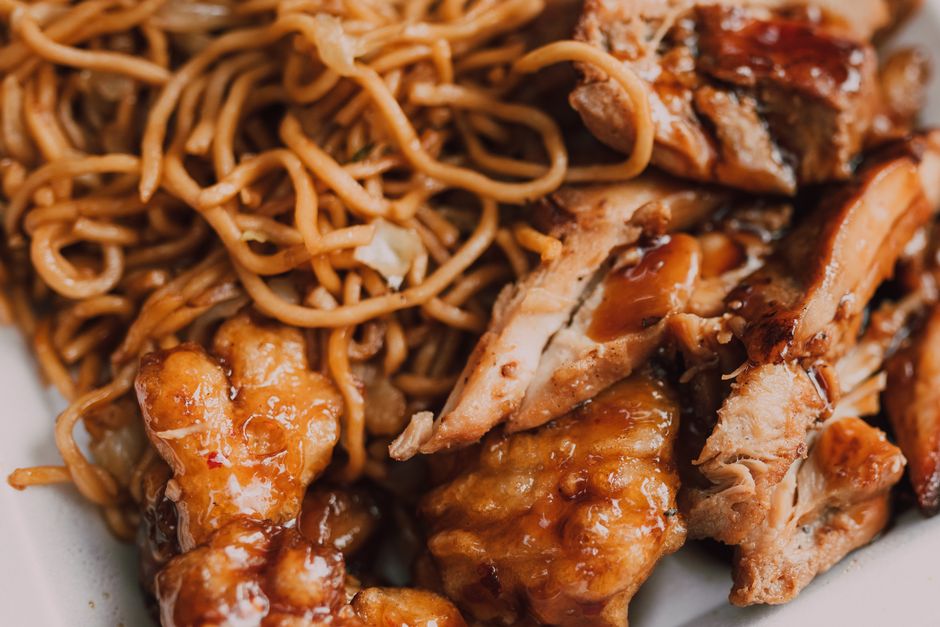
How to Make Teriyaki Sauce from Scratch
Teriyaki sauce, a staple in Japanese cuisine, embodies the perfect balance of sweet, salty, and savory flavors. Making this delicious sauce from scratch allows you to control the ingredients, ensuring you create a fresher, more personalized condiment that can elevate any dish, from grilled chicken to stir-fries. Whether you're a seasoned chef or a home cook looking to refine your culinary skills, learning how to craft your own teriyaki sauce can enhance your Japanese cooking repertoire while boosting the flavors of your favorite meals.
The beauty of teriyaki sauce lies in its simplicity. Traditional recipes often rely on a handful of ingredients, allowing the natural flavors to shine through. By understanding the core components of teriyaki sauce—soy sauce, mirin, sake, and sugar—you can experiment with various ratios to find the balance that suits your palate best. Additionally, making teriyaki sauce at home is not only cost-effective but also empowers you to avoid preservatives and additives commonly found in store-bought sauces.
In this guide, we will explore the step-by-step process of creating authentic teriyaki sauce from scratch, covering everything from ingredient selection to cooking techniques. We will delve into variations of the traditional recipe, tips for achieving the perfect consistency, and how to use teriyaki sauce in a variety of dishes. Get ready to impress your family and friends with homemade teriyaki sauce that can transform ordinary meals into extraordinary feasts.
Understanding the Ingredients
To create an authentic teriyaki sauce, it is essential to understand the role of each ingredient involved. By knowing what goes into your sauce, you can make informed choices and adjustments to suit your taste preferences.
Soy Sauce
Soy sauce forms the base of teriyaki sauce. It provides the essential salty and umami flavors crucial to this condiment. There are various types of soy sauce available, including light, dark, and tamari. For traditional teriyaki, light or all-purpose soy sauce is often used. It has a milder flavor and a lighter color, which is ideal for balancing sweetness without overpowering the dish.
Mirin
Next up is mirin, a sweet rice wine that adds depth and a unique flavor profile to the sauce. Mirin is rich in sugar and has a slightly lower alcohol content than sake. The sweetness of mirin enhances the overall flavor, making it a key player in achieving the beloved teriyaki sauce taste. If you don’t have mirin, you can substitute it with a mixture of sugar and sake or rice vinegar mixed with a bit of sugar, although the flavor may vary slightly.
Sake
Sake, another essential component of teriyaki sauce, is a Japanese rice wine that contributes a subtle richness and complexity. Sake not only enhances the flavors but helps in tenderizing proteins, making it an ideal ingredient for marinades as well. Should you need an alternative, dry white wine can work, though it may alter the taste profile.
Sugar
The use of sugar in teriyaki sauce serves to balance the salty elements and enrich the sauce's flavor. You can use granulated sugar, brown sugar, or even honey, depending on your desired sweetness and flavor complexity. Brown sugar will add a hint of molasses flavor, while honey can bring a floral note to the sauce.
Additional Ingredients
While the above ingredients are crucial for traditional teriyaki sauce, several additional elements can elevate the sauce's complexity. These include:
Understanding these ingredients will not only help in making the perfect teriyaki sauce but also in adjusting recipes based on what you have on hand or your dietary preferences.
Step-by-Step Process for Making Teriyaki Sauce
Creating homemade teriyaki sauce is a simple process that requires minimal steps. Once you gather your ingredients, you'll be ready to whip up this flavorful condiment in no time.
Ingredients List
To make a basic teriyaki sauce, you will need:
Cooking Instructions
Following these steps, you'll have a robust teriyaki sauce ready to enhance various dishes.
“Cooking is a form of expression, and making your own teriyaki sauce is one of the simplest ways to convey your culinary artistry.”
Common Mistakes to Avoid
While making teriyaki sauce is straightforward, there are several common pitfalls that can detract from the final product's quality. Avoiding these mistakes will ensure that your sauce shines.
1. Skipping the Simmer
Many home cooks try to rush the process by not allowing the sauce to simmer. Simmering is crucial as it melds the flavors harmoniously. If you skip this step, your sauce may taste flat and unbalanced.
2. Overcomplicating the Ingredients
While it's tempting to add a plethora of spices and flavors, it's important to remember that traditional teriyaki sauce has a straightforward flavor profile. Stick to the core ingredients and avoid straying too far; the balance of sweet, salty, and umami will suffer.
3. Neglecting to Taste
Cooking should always involve tasting. Adjusting the sauce based on your preference is key to creating the perfect teriyaki sauce for your palate. Don’t hesitate to modify the sweetness or saltiness to your liking.
4. Improper Storage
Once you’ve made your sauce, understanding the best way to store it is essential. Using a clean, airtight container will keep your sauce fresh longer. Avoid exposing it to air, as it can affect the flavor and quality over time.
Using Teriyaki Sauce in Cooking
Now that you have your homemade teriyaki sauce, let's explore the various ways to incorporate it into your cooking to create delicious meals.
Marinades for Grilled Proteins
One of the most popular uses of teriyaki sauce is as a marinade for grilled proteins. Its sweetness and flavor profile make it particularly complimentary to chicken, beef, and salmon.
Stir-Fries
Teriyaki sauce is a fabulous addition to stir-fries, lending bold flavors to vegetables and proteins alike.
Dipping Sauce
Homemade teriyaki sauce can serve as an excellent dipping sauce for appetizers such as spring rolls or dumplings. It adds an irresistible flavor that will impress your guests.
Storing and Freezing Teriyaki Sauce
Understanding proper storage and freezing techniques will allow you to keep your homemade teriyaki sauce fresh for future dishes.
Refrigeration
Once your sauce has cooled, transfer it to an airtight container and store it in the refrigerator. Homemade teriyaki sauce typically lasts up to two weeks. Always ensure that you seal the container well to maintain its quality.
Freezing for Longevity
If you’d like to keep your sauce for an extended period:
When ready to use, simply thaw in the refrigerator overnight or warm gently in a saucepan.
“Creating your own teriyaki sauce is not just about following a recipe; it's about mastering the art of balancing flavors in your dishes.”
Variations and Twists on Teriyaki Sauce
While traditional teriyaki sauce is delightful, experimenting with different flavors can lead to exciting new twists that fit various cuisines.
Pineapple Teriyaki Sauce
Incorporating pineapple juice can create a tropical version of teriyaki sauce. The sweetness of the pineapple enhances the flavor profile.
Spicy Teriyaki Sauce
For those who enjoy a bit of heat, adding sriracha or chili paste can create a spicy variation that pairs well with grilled meats.
Miso Teriyaki Sauce
Incorporating miso paste into your teriyaki sauce adds savory depth and complexity.
These variations not only enhance the original flavor but also ensure that there is something new for everyone, catering to various tastes and preferences.
Conclusion
Learning how to make teriyaki sauce from scratch is a rewarding and empowering culinary skill that opens the door to more authentic Japanese cuisine in your home. From understanding the essential ingredients to mastering the perfect cooking techniques, this homemade version is bound to impress and delight every palate it encounters.
By using fresh, high-quality components, you can achieve a fresher flavor that surpasses many store-bought versions. Plus, making it at home allows for customization and creativity, enabling you to create unique twists that can impress your family and friends.
So whether you’re using it as a marinade, stir-fry sauce, or a simple dipping accompaniment, your homemade teriyaki sauce will surely elevate your dishes. The journey to perfecting your sauce is not just about following steps; it’s about embracing the art of cooking, mastering flavors, and enjoying the process of creating something delicious from scratch. Happy cooking!


Get the Next Recipe
Weekly recipes, techniques, and gear picks — straight to your inbox.
