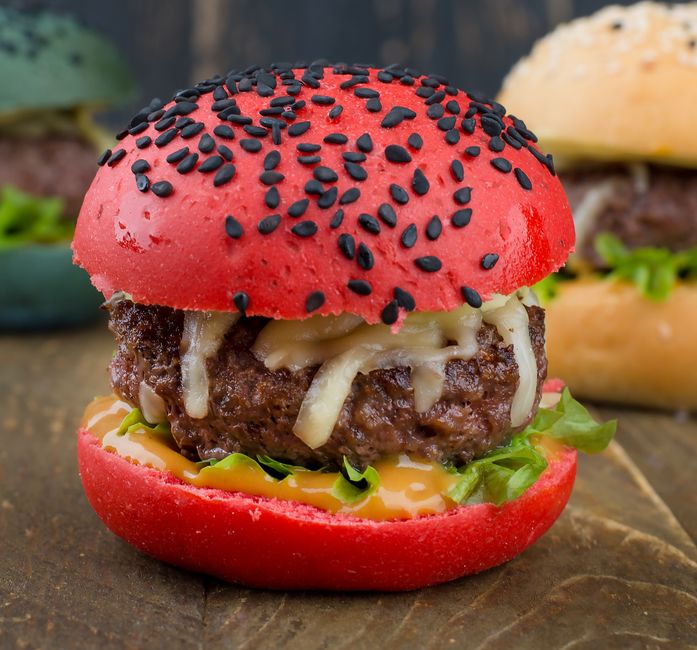
How to Make the Perfect Burger
When it comes to the classic American meal, few things can rival the humble burger. Iconic in its simplicity yet endlessly customizable, the burger has transcended its fast-food origins to become a gourmet favorite, celebrated for its potential to delight your taste buds with a perfect balance of flavors and textures. The journey to creating the perfect burger is not merely about throwing a patty on the grill; it involves understanding the nuances of flavor, the importance of quality ingredients, and the techniques that can elevate a simple sandwich into an extraordinary culinary experience.
To make a burger that stands out, it’s essential to focus on every component that goes into it. From choosing the right meat and preparing the patty to selecting the finest toppings and toasting the bun, every detail matters. The joy of cooking is in the details, and a perfect burger encapsulates that joy beautifully. This blog post is designed not merely to provide you with a recipe but to share the wisdom that comes from honing the craft of burger-making.
So whether you’re preparing a meal for a backyard barbecue, a holiday gathering, or a casual dinner at home, understanding how to create the perfect burger will empower you to impress your family and friends. Let’s dive into the art of burger-making and discover how you can create a masterpiece that satisfies not just hunger but culinary passion.
Understanding Your Ingredients
Choosing the Right Meat
The foundation of a great burger lies in the quality of the meat. The traditional choice is ground beef; however, not all beef is created equal. Look for chuck steak (80/20 blend of meat and fat), as it strikes a perfect balance between flavor and juiciness. The fat content plays a crucial role in achieving that succulent burger experience. Too little fat, and you’ll have a dry patty; too much fat, and the burger becomes greasy.
When purchasing ground beef, pay attention to these factors:
Alternative Proteins
For those who prefer something other than beef, there are several delicious alternatives to explore. Here are a few options:
Seasoning Your Meat
While the meat’s quality is paramount, seasoning the burger is equally significant. Salt and pepper are the classic go-to, but you can elevate your burger further with unique spices and herbs.
"Remember that simplicity is key. Good meat needs minimal (but thoughtful) seasoning to shine."
Forming the Perfect Patty
Portioning and Shaping
Creating uniform patties is essential for ensuring even cooking. Aim for about 6-8 ounces per patty if you're looking for a standard size. Here’s a simple step-by-step guide for forming the perfect burger:
Handling the Meat
Be gentle when handling the meat. Overworking can lead to a dense burger. The goal is to keep it light and airy by just mixing until incorporated.
Choosing the Right Cooking Method
The cooking method can significantly impact your burger's flavor and texture. Several options suit different preferences and equipment:
“The secret to a great burger is a good sear. It locks in the juices and creates a rich flavor.”
The Buns
Selecting the Right Bun
A burger is only as good as its bun; it should complement the flavor and texture of the patty. Here are some classic and trendy options to consider:
Preparing the Bun
Even the bun deserves attention. Here’s how to prepare it:
Cheese Selection
Types of Cheese
A burger is incomplete without a generous slice of cheese. When choosing cheese, think about both flavor and meltability. Here are some delicious options:
Timing and Techniques
For the best cheese-to-burger ratio and melting effect:
“Adding cheese is an art! Get it right, and it elevates your burger from good to gourmet.”
Toppings and Flavor Profiles
Classic Toppings
While choosing your toppings can be a personal experience, certain classics have stood the test of time. Here’s a list of traditional toppings to consider:
Creative Toppings
Don’t shy away from creativity! Unique toppings can elevate the flavor profile and add different textures. Consider:
Layering Your Burger
When stacking your toppings, the order can affect both presentation and flavor integration. Start with the patty, then add cheese while it’s still warm, followed by heavier toppings. Finish with lettuce to act as a barrier, and finally place your condiments on the bun.
Sauce Selection
Importance of Sauce
Sauces are what tie the burger together; they can enhance or overpower the flavors. A well-balanced sauce should complement but never overshadow the primary ingredients.
Classic Sauces
Consider these traditional condiments:
Gourmet Sauces
Upgrade your burger with gourmet sauces; here are some ideas:
Homemade vs. Store-bought
While store-bought sauces can be convenient, consider making your own for a fresher taste. Simple mixtures can often be whipped up in moments and scaled to your flavor preferences.
Cooking Times and Doneness
Understanding Doneness
Cooking burgers to the right level of doneness is crucial for flavor and safety. Here's a quick reference to the internal temperatures you should aim for:
Using a Meat Thermometer
Investing in a reliable meat thermometer will help you accurately gauge your burger's doneness. Insert the probe into the thickest part of the patty without touching the grill or pan to get an accurate reading.
Resting Your Patty
Once the burger is cooked to your desired temperature, let it rest for about 5 minutes. This allows the juices to redistribute, resulting in a juicier bite.
Final Presentation
Plating the Burger
Setting the stage for your perfect burger involves more than just assembly; it's about creating an inviting presentation. Here’s how to plate your burger like a pro:
The Finishing Touch
To showcase your skill, place a toothpick or decorative skewer in the center of your burger to hold everything in place while serving.
"Presentation matters; it engages the senses and truly elevates the dining experience."
Conclusion
Crafting the perfect burger isn't just a task; it's about embracing the artistry of cooking and understanding the essential techniques and components that lead to a successful outcome. By selecting quality ingredients, mastering cooking methods, and experimenting with flavors and presentations, anyone can create a burger that delights the palate and becomes the star of any meal.
Armed with these tips and tricks, you're ready to take on the culinary challenge of creating your ultimate burger. Remember to have fun with it—get creative with toppings, experiment with sauces, and share your creations with friends and family. Each burger you make is a unique expression of your culinary skills and personality. So fire up that grill or stovetop and take a moment to enjoy every delicious bite of your creation. Happy cooking!

Get the Next Recipe
Weekly recipes, techniques, and gear picks — straight to your inbox.
