How to Revive Wilted Vegetables Fast
We have all been there: you open your refrigerator drawer with high hopes of crafting a vibrant, farm-fresh salad, only to discover that your once-crisp romaine lettuce has turned into a sad, rubbery shadow of its former self. It is a universal kitchen tragedy, one that often ends with a reluctant walk to the compost bin and a guilty feeling about wasted groceries and hard-earned money. However, as any seasoned professional in the industry will tell you, a wilted vegetable is rarely a lost cause; it is simply a plant that has lost its internal hydration. By understanding the underlying biology of cellular turgor pressure, you can learn to breathe new life into your produce with surprising ease. This guide is designed to shift your perspective from discarding to reviving, ensuring that your crisper drawer becomes a pantry of possibilities rather than a graveyard for expensive greens.
The secret to restoration lies in the simple, elegant power of osmosis. Vegetables are largely composed of water, held within rigid cell walls that provide their characteristic snap and crunch. When that water evaporates due to environmental conditions, the cells deflate, leading to that limp, sad texture we all recognize as wilting. By creating a controlled environment where the vegetable can draw moisture back into its cellular structure, you can essentially hit the reset button on your produce. This process is not just about aesthetics; it is about restoring the nutritional integrity and texture that makes vegetables a joy to eat. Once you master these professional techniques, you will find yourself shopping with more confidence, knowing that your ingredients possess a longer, more resilient lifecycle.
At "Blame The Chef," we believe that true culinary skill is defined by how well you manage your ingredients, especially when things do not go according to plan. Learning to revive wilted produce is a foundational skill that separates the casual cook from the resourceful chef. It requires a bit of patience, a little bit of observation, and an understanding of how temperature and moisture affect different plant tissues. Whether you are dealing with a bunch of drooping kale, a softened bell pepper, or rubbery carrots, the methods outlined here will provide you with a toolkit for kitchen redemption. Let us dive into the science of the ice bath, the art of the damp towel, and the strategies for storing your vegetables to prevent the dreaded wilt in the first place.
The Science of Turgor Pressure and Osmosis
To effectively revive a vegetable, you must first respect the plant’s biology. Plants remain upright and crunchy because of turgor pressure, which is the force of the water inside the cells pushing against the cell walls. When a vegetable is harvested, it loses its access to the root system that constantly replenishes this water. As moisture evaporates from the surface, the internal pressure drops, causing the cell to collapse inward, which we perceive as wilting or limpness. Understanding this is the key to knowing exactly how to treat each specific vegetable when it begins to flag.
Understanding Cellular Restoration
When you submerge a wilted vegetable in cold water, you are initiating a process of rehydration through osmosis. Water naturally moves from an area of higher concentration to an area of lower concentration, which, in this case, is the dehydrated cells of your vegetable. By keeping the water ice-cold, you slow down the metabolic processes of the plant, which keeps the enzymes that cause decay dormant. This balance between temperature and hydration is the primary mechanism that allows a head of lettuce to return to its original, upright glory within a few hours.
Selecting the Right Temperature
The temperature of the water is absolutely critical. While it might be tempting to use warm water to speed up the process, warm temperatures actually encourage the growth of bacteria and can soften the cell walls to the point of mushiness. Always aim for an ice-cold bath, ideally around 34°F to 40°F (1°C to 4°C). The cold also helps to firm up the pectin in the cell walls, providing that characteristic snap once the water has been successfully absorbed. Never use hot or even lukewarm water, as it will fundamentally alter the texture of the vegetable in a way that is irreversible.
"A wilted vegetable is not a failure; it is merely an invitation to practice the foundational culinary art of preservation. With the right technique, the limpest leaf can find its strength again."
Mastering the Ice Bath Technique for Leafy Greens
Leafy greens, such as spinach, arugula, kale, and romaine, are the most common victims of the refrigerator’s dehydrating air. Because these leaves have a high surface-area-to-volume ratio, they lose moisture much faster than denser vegetables. Fortunately, they are also the most responsive to an ice-water submersion. This technique is a staple in professional kitchens, used daily to keep salad greens crisp during service even in the heat of a busy kitchen line.
Execution of the Ice Bath
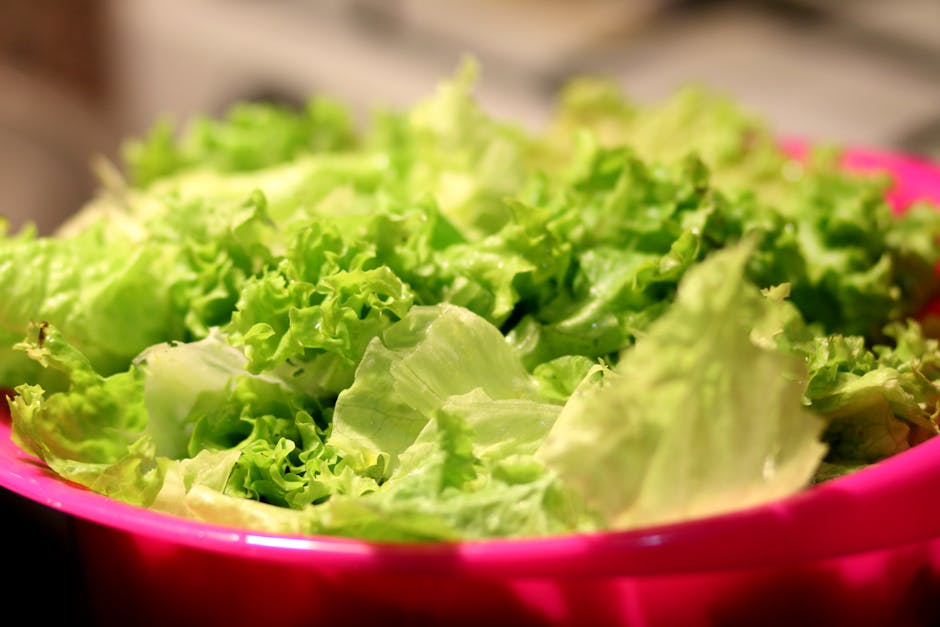
To perform this, remove any severely discolored or slimy leaves first, as these cannot be saved. Prepare a large bowl with equal parts cold water and ice cubes. Submerge the greens completely, ensuring that every leaf is in contact with the water. Allow the vegetables to rest in this bath for at least 30 minutes, though heartier greens like kale may take up to an hour. Once the leaves feel firm to the touch, remove them and spin them thoroughly in a salad spinner.
Why the Salad Spinner is Non-Negotiable
Excess moisture remaining on the surface of your leaves is the enemy of shelf life. After you have successfully revived your greens, it is imperative to use a salad spinner to remove as much residual water as possible. If you leave the leaves wet, they will quickly rot in the refrigerator. After spinning, layer the greens between sheets of paper towels or a clean kitchen cloth, then store them in a perforated plastic bag. This allows for a controlled exchange of air while maintaining a high-humidity environment that prevents further wilting.
Reviving Root Vegetables and Dense Produce
Root vegetables like carrots, radishes, and parsnips often lose their crunch long before they lose their flavor. While they do not have the delicate surface area of a lettuce leaf, they suffer from the same loss of turgor pressure. Because these vegetables have a dense cellular structure, they require a longer "soaking" period to fully rehydrate. If you have a bag of carrots that have gone bendy, do not reach for the peeler just yet; they still have plenty of life left.
The Submersion Strategy
For carrots, radishes, or celery, trim the ends to ensure the flesh is exposed to the water, then drop them into a container of ice water. Unlike leafy greens, these vegetables can be left in the refrigerator in this bath for several hours, or even overnight if they are particularly limp. You will notice that as they rehydrate, they will become rigid again. This process is highly effective and can turn a "cooking carrot"—one meant only for soups or stocks—back into a "snacking carrot" suitable for raw consumption.
The Importance of Surface Exposure
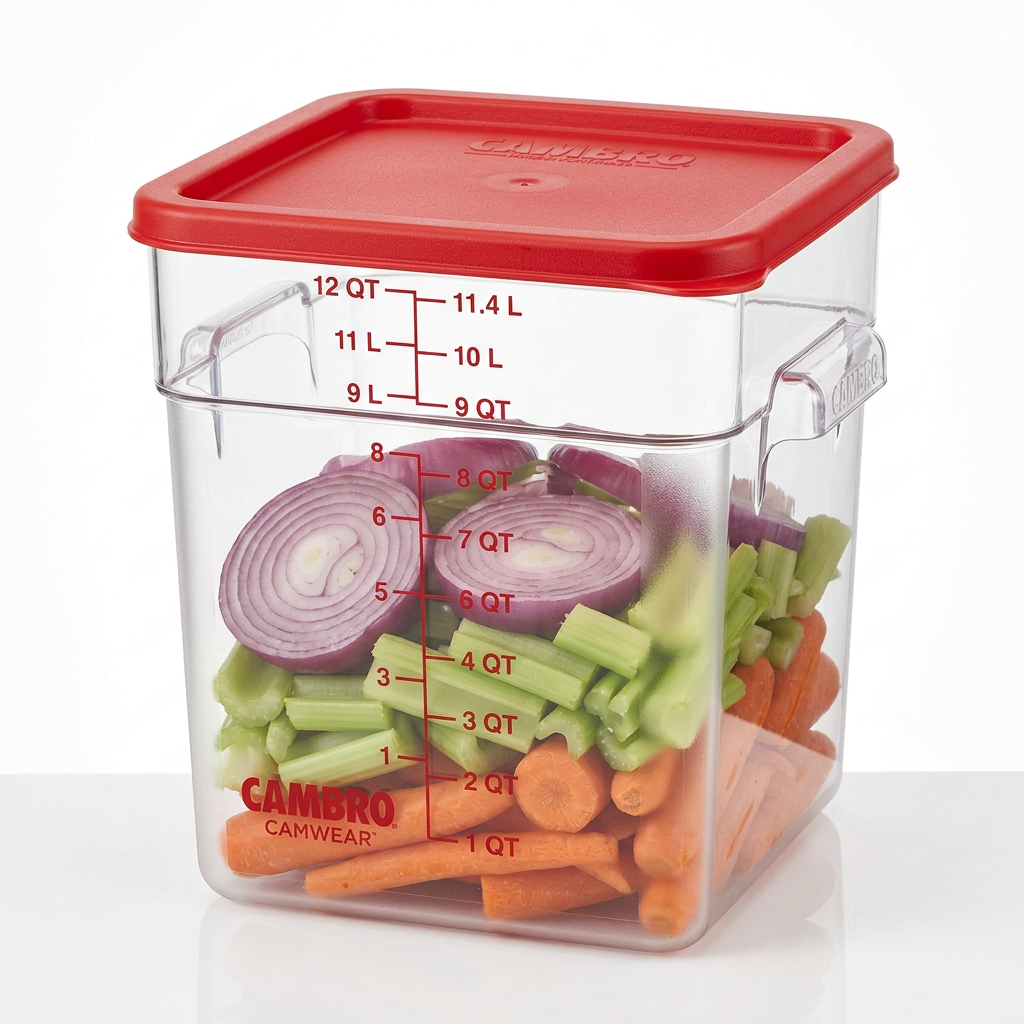
If you have a large batch of root vegetables, ensure that they are not packed too tightly in the container. Water needs to be able to circulate around all sides of the produce to maximize the absorption rate. If you are dealing with celery, cut the stalks into individual pieces before placing them in the ice water. This increases the surface area exposed to the water, which significantly speeds up the rehydration process. Remember, direct contact is essential for the osmosis to occur efficiently across the entire surface of the vegetable.
Strategies for Storing Produce to Prevent Wilting
The best way to deal with wilted vegetables is to prevent the wilting from occurring in the first place. Proper storage is a culinary discipline that many home cooks overlook, but it is one of the most effective ways to reduce food waste. Your refrigerator is essentially a giant dehydrator; the cooling system pulls moisture out of the air, which in turn pulls moisture out of your produce. By manipulating your storage methods, you can create micro-environments that combat this effect.
The Paper Towel Method
For almost all leafy greens and many soft herbs, the paper towel trick is the gold standard. After washing your produce (if you choose to pre-wash), wrap the leaves loosely in a paper towel before placing them in an airtight container or a sealed plastic bag. The paper towel acts as a moisture buffer, absorbing excess condensation that would otherwise cause rot, while the bag maintains the humidity levels necessary to keep the leaves crisp. Change the paper towel every few days to keep the environment fresh.
Managing Ethylene Gas
Many vegetables and fruits emit ethylene gas, a natural plant hormone that accelerates ripening and, eventually, decay. If you store your leafy greens next to a ripening apple or a bunch of bananas, the ethylene gas will cause your greens to wilt and yellow at an accelerated rate. Keep ethylene-producing fruits in a separate drawer from your delicate vegetables. This simple separation can add days, or even a full week, to the shelf life of your produce, saving you money and frustration.
"The difference between a gourmet salad and a compost pile is often just a matter of humidity control and proper airflow. Treat your vegetables like the living organisms they are, and they will stay fresh much longer."
Techniques for "Beyond-Saving" Vegetables
Sometimes, despite our best efforts, a vegetable may pass the point of no return for raw consumption. Perhaps the cell walls have been damaged beyond the point of structural recovery, or the texture has simply become too soft for a crisp salad. In these instances, you should shift your strategy from restoration to transformation. A wilted vegetable that is not rotten is still a perfectly nutritious ingredient, provided you apply the correct cooking method.
The Power of High-Heat Roasting
When vegetables lose their structural integrity, high-heat roasting is your best friend. The intense heat of an oven set to 425°F (220°C) will drive off residual moisture, concentrate the natural sugars, and develop a deep, savory char that masks any textural issues caused by wilting. Wilted carrots, Brussels sprouts, or even broccoli become exceptionally sweet and flavorful when roasted until they reach a state of caramelized perfection. Always toss them in high-quality olive oil and sea salt to enhance their flavor profile.
Blending and Pureeing
If a vegetable is too wilted to be served whole but is still fresh, turn it into a puree or a soup base. Wilted spinach, for example, is the perfect candidate for a vibrant green soup or a sauce for pasta. Because the vegetable is being blended, the original texture becomes irrelevant. This is a common practice in professional kitchens where "day-old" produce is often repurposed into the daily soup du jour, ensuring that nothing of value is discarded and the cost-to-waste ratio remains low.
The Role of Humidity and Airflow in the Crisper
Your refrigerator's vegetable drawer—often called the "crisper"—is designed to be a controlled environment. However, many home cooks ignore the adjustable humidity settings on these drawers, leaving them permanently in one position. Understanding how to use these controls can make a massive difference in how long your produce stays crisp. Generally, leafy greens and high-moisture vegetables thrive in high-humidity environments, while fruits that emit ethylene gas prefer low-humidity environments.
High Humidity vs. Low Humidity
High-humidity settings prevent moisture loss, which is essential for things like kale, spinach, and herbs. By keeping the vent closed, you trap the water vapor released by the vegetables, creating a self-sustaining environment that slows down the wilting process. Conversely, items like onions, peppers, and most fruits prefer lower humidity, which allows for better airflow and prevents the buildup of gases that cause premature spoilage. Taking the time to sort your produce into the correct drawers is a foundational step in professional-grade food management.
The Importance of Periodic Inspections
Even the best storage habits cannot replace the power of periodic observation. Make it a ritual to inspect your vegetable drawer once every few days. If you notice a single leaf beginning to turn, remove it immediately. One decaying item can trigger the release of rot-inducing gases that will quickly spread to the rest of your produce. A quick two-minute "refrigerator sweep" on a Wednesday evening can prevent a complete loss of your weekly grocery haul, ensuring that your investment in healthy food is fully utilized.
Final Thoughts and Culinary Stewardship
Culinary stewardship is about more than just following recipes; it is about respecting the ingredients you bring into your home. When you learn to revive a wilted vegetable, you are doing more than just saving a dollar—you are cultivating a deeper connection with your food. You are learning the language of the plant, understanding its needs, and becoming a more conscious consumer. The "Blame The Chef" philosophy is built on the idea that knowledge is the best tool in the kitchen, and by mastering these techniques, you become the master of your own pantry.
Remember that food waste is often a result of disconnection. When we view vegetables as disposable items, we are less likely to invest the effort needed to maintain their quality. But when we view them as precious resources that require care, we become more intentional. Whether you are using an ice bath for your romaine, a paper towel for your kale, or the oven to caramelize your soft carrots, you are practicing a form of culinary excellence. Do not be discouraged if you occasionally find a wilted leaf; instead, be empowered by the knowledge that you have the skills to handle it.
As you move forward in your culinary journey, continue to experiment with these methods. Track how different varieties of produce react to your specific refrigerator environment, and refine your techniques accordingly. You will soon find that you are throwing away significantly less food and enjoying fresher, more vibrant meals every day of the week. Culinary skill is not static—it is a living, breathing practice that grows with every meal you prepare, every technique you master, and every ingredient you choose to save rather than toss away.
"True chefs do not just cook with ingredients; they manage the life cycle of the produce they handle. Mastery of the ice bath and the humidor-like crisper drawer is the hallmark of a cook who understands the soul of the kitchen."
In conclusion, the next time you reach into your refrigerator and find a limp vegetable, pause. Do not let frustration dictate your next move. Remember the principles of osmotic pressure, the importance of cold temperatures, and the effectiveness of high-heat transformation. You have the tools, the knowledge, and the resources to turn a potential waste scenario into a delicious culinary success. Continue to refine these practices, share them with your fellow home cooks, and never stop pushing the boundaries of what your kitchen can achieve. Your journey toward becoming a zero-waste, high-efficiency chef starts with this simple awareness. Keep your tools sharp, your fridge organized, and your commitment to the craft absolute. Your kitchen, and your wallet, will thank you.
Always remember that every vegetable has a story to tell and a potential to be unlocked. If you maintain the right environment, use the proper techniques, and approach your cooking with a sense of curiosity, there is very little in your refrigerator that cannot be saved. Whether it is a batch of delicate greens or a sturdy root, the path to crispness is just a few steps away. Happy cooking, and may your produce stay as vibrant as your passion for the culinary arts. Take pride in your resourcefulness, for that is where the real magic of a professional chef is found. Your kitchen is your laboratory, and every vegetable is an experiment in flavor and preservation. Go forth and cook with confidence, knowing that you have the skills to keep the freshness alive.
Get the Next Recipe
Weekly recipes, techniques, and gear picks — straight to your inbox.
