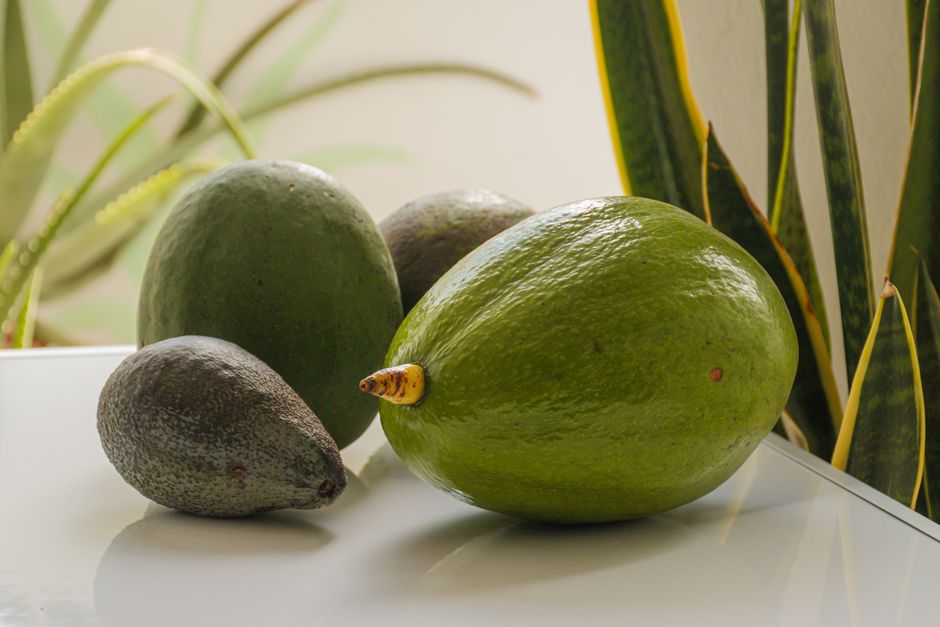
How to Ripen Avocados Fast (3 Easy Tricks)
There is perhaps no greater culinary tragedy than standing in your kitchen, mid-recipe, only to realize the avocados you purchased with the best intentions are as hard as baseballs. We have all been there, hovering over the cutting board with a knife in hand, feeling the utter disappointment of a rock-solid fruit that refuses to surrender its creamy, buttery potential. Avocados are the backbone of everything from vibrant breakfast toasts to silky, lime-kissed guacamole, but their temperamental nature can turn a seamless cooking experience into a stressful ordeal. This is the precise moment when "Blame The Chef" steps in to ensure your kitchen remains a sanctuary of control rather than a theater of vegetable-based frustration.
Understanding the ripening process is the first step toward mastering your pantry and ensuring you are never caught empty-handed again. An avocado is a climacteric fruit, meaning it continues to mature and soften after it has been harvested from the tree. While we often view them as simple ingredients, they are actually complex biological entities that require specific environmental conditions to reach their peak. By learning to manipulate these conditions, you move from being a passive consumer to an active participant in your culinary process, effectively commanding your produce to ripen on your schedule rather than its own.
In this guide, we are going to explore the science behind ripening, debunk common myths that might be slowing you down, and provide you with actionable, professional-grade techniques to accelerate the process without compromising the integrity of the fruit. Whether you have a dinner party looming in the next twenty-four hours or you simply crave a perfect avocado for your lunch tomorrow, these methods will provide the reliable results you deserve. Professional chefs are defined not just by their technical skill at the stove, but by their foresight and management of ingredients; by the end of this post, you will possess the expertise to manage your avocado supply with the confidence of a seasoned line cook.
The Science of Ethylene Gas and Ripening
To understand why your avocados aren't ripening, you must first understand the invisible engine driving the transformation: ethylene gas. This naturally occurring plant hormone is the primary catalyst for the ripening process in many fruits, acting as a chemical signal that instructs the fruit to convert its starches into sugars and break down its cell walls, which results in the softening we recognize as ripeness. When you want to ripen an avocado quickly, your entire goal is to optimize the environment so that ethylene gas is contained and concentrated around the skin of the fruit.
Why Airflow is the Enemy of Speed
While we often think of produce as needing to "breathe," in the context of controlled ripening, excessive airflow is actually a detriment. If your avocados are sitting out on a countertop in a wide-open fruit bowl, the ethylene gas they produce is constantly being dispersed into the surrounding air. By creating an enclosed environment, you essentially trap this gas, creating a feedback loop that forces the fruit to accelerate its internal biological clock. This is the cornerstone of every professional ripening technique we will discuss today.
Temperature Control and Metabolic Rates
It is also vital to recognize the role of temperature in this chemical dance. Chemical reactions, including the breakdown of complex carbohydrates, occur more rapidly in warmer environments. Think of your kitchen counter as a low-intensity incubator; by keeping your avocados in a warm spot, you are encouraging the enzymes responsible for softening to work at their maximum capacity. Conversely, placing an avocado in the refrigerator acts as a chemical "pause button," slowing the metabolic rate significantly and allowing you to hold a perfectly ripe fruit in a state of suspended animation for several days.
"The secret to the perfect avocado isn't just luck; it is a calculated manipulation of biology and environment. Master the gas, master the harvest."
The Paper Bag Method: The Gold Standard
The most reliable, tried-and-true method for ripening an avocado at home involves the use of a simple brown paper bag. This technique is legendary in culinary circles because it is incredibly effective and requires zero expensive equipment. By placing the avocado in a dark, enclosed environment, you are creating a concentrated ethylene chamber that will have your fruit ready for the knife in anywhere from one to three days, depending on its starting firmness.
Step-by-Step Execution
To begin, select a clean, dry brown paper bag—the kind you might get from a local market. Place your avocado inside, ensuring there is plenty of room for it to sit flat at the bottom. The key here is to fold the top of the bag over tightly, creating an airtight seal that prevents the ethylene gas from escaping. If you are in a particularly large hurry, you can add an apple or a banana to the bag. These fruits are "super-producers" of ethylene and will act as a booster shot for your avocado.
Monitoring Your Progress
You should check your avocado once every twelve to twenty-four hours to gauge its progress. Gently press the stem end—this is the most accurate barometer of ripeness. If there is a slight, uniform give to the flesh without any deep indentations or "mushy" spots, your avocado is ready for use. If it remains rock hard, seal it back up and leave it in a pantry or a cupboard away from direct sunlight. Professional chefs never leave their produce to chance; they monitor and evaluate throughout the day.
The Flour-Filled Vessel: A Chef’s Pro-Tip
If you find yourself in a situation where you need an avocado to be ready in exactly twenty-four hours, the flour method is a secret weapon that many home cooks overlook. This technique takes the paper bag concept a step further by using a dry, organic medium to ensure the ethylene gas is completely trapped and uniformly distributed around the entire surface of the fruit. It sounds like a bit of a kitchen hack, but it works with consistent, high-quality results.
Setting Up the Flour Bath
Take a small bowl or a deep, narrow container and fill it partially with all-purpose flour. Nestle your avocado into the flour so that it is completely submerged or at least heavily covered. The flour acts as a natural desiccant and an insulator, keeping the avocado at a stable, warm temperature while ensuring that not a single molecule of ethylene gas can escape into the room. It also provides a cushioned environment that prevents the avocado from developing flat spots or bruising.
Why This Works
The reason this is so effective is that the flour creates a micro-climate around the avocado skin. By minimizing the space between the fruit and the containment medium, you are effectively saturating the skin in its own hormones. Once the twenty-four-hour mark hits, carefully dig the avocado out, wipe it clean with a damp cloth, and check for tenderness. You will be surprised at how efficiently this process works compared to just leaving the fruit on a windowsill.
"True culinary mastery is found in the ability to adapt. When the pantry is bare or the fruit is stubborn, look to the techniques that prioritize stability and environmental control."
The Oven Method: A Cautionary Tale
There is a pervasive myth circulating on the internet regarding the "speed-ripening" of avocados in the oven. The method claims that wrapping an avocado in aluminum foil and baking it at a low temperature for ten minutes will soften the flesh, making it ready for immediate use. While it is true that this process softens the texture of the fruit, I must offer a professional warning: this does not actually ripen the avocado.
What Actually Happens to the Fruit
When you apply heat via an oven, you are not engaging the natural ripening process. Instead, you are essentially "cooking" the raw flesh of the fruit. The result is a texture that might feel soft, but the flavor will be vastly different. The complex, nutty, buttery compounds that develop during natural maturation will be absent, replaced by a slightly vegetal or metallic flavor profile. As a chef, I cannot recommend this for a high-quality guacamole or a fine-dining toast, as the integrity of the ingredient is significantly compromised.
When to Use (and When to Avoid)
Use this technique only in an emergency—for instance, if you are making a baked dish where the avocado flavor will be masked by spices, onions, or other ingredients. If you are looking for that perfect, creamy avocado experience, avoid the heat-based shortcut. The patience required for the paper bag or flour methods is always rewarded by the superior taste and texture of a naturally ripened fruit. Always prioritize the quality of your raw ingredients over the speed of your preparation.
Selecting the Right Fruit from the Start
No amount of technical expertise can rescue an avocado that was picked too early or damaged during transit. Part of being a master chef is knowing how to select the best produce from the very beginning. When shopping for avocados, do not simply squeeze them until they bruise. Instead, look for a uniform color and a skin that looks healthy and vibrant. If you are planning to use the fruit in a few days, always buy them "under-ripe" so you have full control over the timeline.
Assessing the Stem End
The stem is often the most overlooked part of the avocado. If you gently flick the small, brown stem piece off, the color underneath tells you everything you need to know about the state of the fruit inside:
Green:* The avocado is not ready yet. This is your blank canvas for the ripening techniques we discussed.
Yellow/Bright Green:* The avocado is very close to peak ripeness. Use it within the next twelve hours.
Dark Brown/Black:* Proceed with caution. This indicates that the fruit may be over-ripe or starting to decay from the inside out.
Proper Handling Techniques
Once you bring your avocados home, handle them with care. Even though they have a thick skin, avocados are surprisingly susceptible to internal bruising. Store them in a cool, dark place away from direct sunlight. If you have several avocados, keep them separated so that if one starts to spoil, it doesn't immediately cause the others to over-ripen via excess ethylene production. Professional chefs respect their ingredients from the moment of purchase, and that respect begins with proper storage.
Storing Your Ripe Avocados Properly
Once you have successfully ripened your avocado, you are in a race against time. A ripe avocado left on the counter will quickly pass from "perfect" to "mushy" within a day or two. If you have hit that peak of perfection but aren't quite ready to use your fruit, you need to transition to cold storage. The refrigerator is the best tool at your disposal for extending the shelf life of a ripe avocado.
The Power of the Refrigerator
Moving a ripe avocado to the refrigerator will halt the ripening process almost entirely. The cooler temperature slows down the enzymatic activity, effectively putting the fruit into a deep sleep. You can keep a ripe avocado in the crisper drawer for up to three to five days without losing quality. This allows you to plan your meals days in advance, ensuring that you always have an ingredient ready to go exactly when you need it.
What to Do with Halves
If you have already cut into an avocado and only need half, there are several professional ways to store the remaining portion. The biggest enemy of an open avocado is oxidation, which is what turns the flesh brown and unappealing. To prevent this, leave the pit in the half you intend to store. Then, tightly wrap the surface of the fruit with high-quality plastic film, ensuring the plastic is pressed directly against the flesh to eliminate all air gaps. A squeeze of fresh lime juice over the surface can also act as an antioxidant, keeping your avocado looking vibrant and green for an extra day.
"A kitchen should be a place of intentionality. By managing your avocados with the same care you give your sauces and proteins, you elevate the quality of every meal you serve."
Troubleshooting and Culinary Applications
Even with the best techniques, occasionally things don't go according to plan. Perhaps an avocado is slightly under-ripe but you absolutely must have guacamole for your dinner guests. In these instances, rely on your secondary skills—flavor balancing and texture modification. If the avocado is slightly firm, use a food processor to blitz it into a very smooth puree rather than mashing it by hand. The extra mechanical force will break down the fibers, making it more palatable than it would be in chunks.
Seasoning to Mask Texture
When dealing with a slightly under-ripe avocado, lean into your seasonings. The acidity of fresh lime juice and the heat of serrano peppers or chili flakes can distract the palate from the lack of creaminess. Add a touch of high-quality extra virgin olive oil to the mix; the healthy fats will add the mouthfeel that the under-ripe avocado might be missing. Culinary improvisation is the sign of a confident chef who understands how to balance flavors when the ingredients aren't cooperating.
Using Avocados in Cooked Dishes
Remember that if an avocado is not perfectly ripe for toast, it might be perfectly fine for other applications. Consider using slightly firmer avocados in a baked egg dish or a warm salad. When subjected to light heat, the flesh softens, and the nuttiness of the fruit becomes more pronounced. This is a great way to utilize produce that isn't quite at its "guacamole-ready" peak but is still perfectly healthy and delicious. Always look for ways to utilize the ingredients you have, rather than letting them go to waste.
Final Thoughts
Mastering the art of ripening avocados is a fundamental skill that separates the casual cook from the true culinary enthusiast. By moving away from the "wait and see" approach and embracing a more scientific, controlled environment, you gain the upper hand. Whether you are using the paper bag method to concentrate ethylene gas, employing a flour bath for a quick turnaround, or simply learning how to store your ripe fruit for maximum longevity, you are taking control of your kitchen.
Remember that ingredients are not just items on a list; they are living things that require observation, patience, and proper handling. The next time you find yourself with a pile of rock-hard avocados, do not despair. Instead, channel that frustration into action. Use these techniques, observe the changes in your produce, and trust your instincts as you monitor their progress. You are the architect of your own kitchen experience, and with these tools in your repertoire, you are well on your way to becoming a more efficient, capable, and successful chef.
Stay committed to the craft, keep your knives sharp, and always remember that the best dishes are made by those who are willing to learn the small details that others overlook. Your journey toward culinary excellence is built on these small, consistent successes. Now, take these methods, apply them to your next grocery haul, and never be defeated by a stubborn avocado again. Your future breakfasts, lunches, and dinner parties are about to become much more delicious. Keep practicing, stay curious, and continue to elevate your kitchen game every single day. The secret is out—and it is sitting in a brown paper bag in your pantry right now.
As you move forward, think about how these principles of storage and environmental control can be applied to other areas of your pantry. Many fruits and vegetables react to their environment in similar, predictable ways. The more you learn about the biology of your ingredients, the more you will be able to predict and control the outcome of your recipes. This is the hallmark of a professional approach to cooking. Treat your kitchen with the respect it deserves, and it will return the favor with perfect, creamy, and consistently ripe avocados for every dish you create.
The art of the kitchen is not just in the cooking; it is in the preparation. By taking the time to learn these three tricks, you have already set yourself apart from the average home cook who simply hopes for the best. You have moved from a place of guessing to a place of knowing. And that knowledge is the most important ingredient in any recipe. So go ahead, buy those avocados in bulk, and rest easy knowing that you have the knowledge to ripen them exactly when you need them. Your culinary journey is long, but with the right techniques, it is destined to be a smooth, creamy, and incredibly flavorful one. Happy cooking, and remember: if it doesn't go right, you have the skills to fix it. Keep sharpening those skills, stay passionate, and keep that kitchen humming with success.
Finally, remember that the goal is progress, not perfection. There will always be an avocado that defies the odds or a recipe that requires a bit of last-minute adjustment. That is part of the joy of cooking. If you find a technique that works particularly well for your specific climate or the specific varieties of avocados you have access to, make it your own. Tweak the timing, adjust the heat, and keep experimenting. The professional chef is a lifelong student, and your kitchen is your laboratory. With this newfound control, there is no limit to what you can achieve in your culinary endeavors. Proceed with confidence, and let your results speak for themselves. You have the tools, the techniques, and the knowledge. Now, it is time to get back into the kitchen and put it all to work. Enjoy every bite of that perfectly ripe, expertly handled avocado.
Get the Next Recipe
Weekly recipes, techniques, and gear picks — straight to your inbox.
