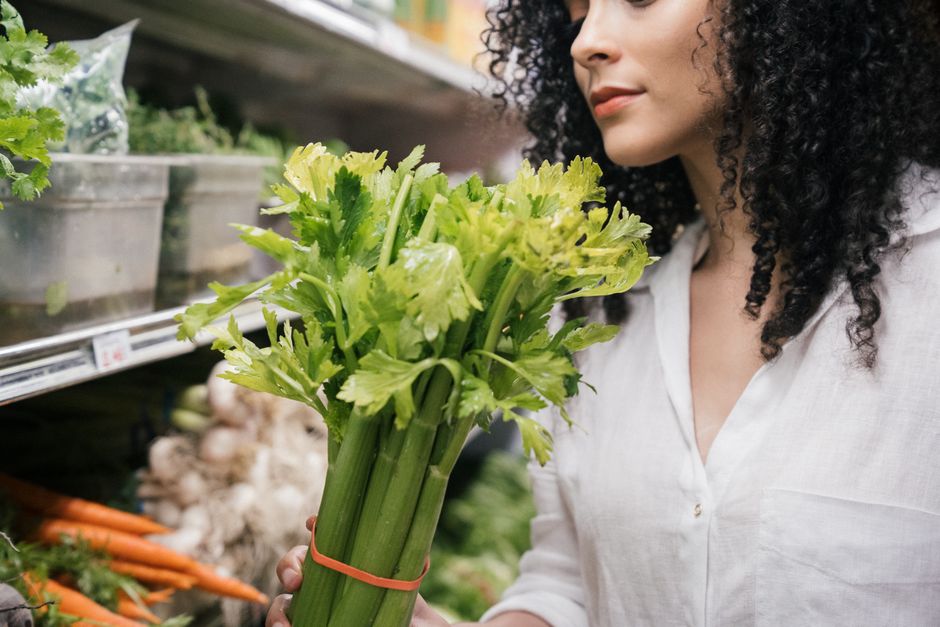
How to Store Celery So It Stays Crisp
We have all been there: you head to the grocery store with the best of intentions, tossing a vibrant, heavy bunch of celery into your cart, dreaming of future mirepoix, fresh crudité platters, and healthy mid-week snacks. Yet, a mere four days later, when you reach into the depths of your crisper drawer, you are greeted not by the satisfying snap of fresh produce, but by a sad, limp, and rubbery disaster. It is a kitchen tragedy that we have all played a part in, usually involving a plastic bag, a neglected drawer, and a significant amount of wasted potential. Storing celery correctly is one of those fundamental culinary skills that separates the casual cook from the truly organized home chef, and it is remarkably easy to master once you understand the underlying science of hydration and ethylene exposure.
The secret to maintaining that coveted, crystalline crunch lies in managing the vegetable's hydration levels and its environment. Celery is composed of approximately 95 percent water, which means it is essentially a structural vessel for moisture; when that moisture evaporates, the cells lose their turgidity and the stalks become flaccid. By treating celery like a bouquet of flowers rather than a neglected root vegetable, you can extend its shelf life from a few miserable days to several weeks of prime crispness. It requires only a few minutes of prep work immediately upon returning home from the market, transforming your refrigerator from a graveyard for produce into a curated larder of high-quality ingredients.
In this guide, we will explore the professional techniques used in commercial kitchens and by seasoned home cooks to keep produce in peak condition. We will look at why specific storage methods succeed while others fail, how to handle pre-cut celery versus whole stalks, and even what to do when your celery has already begun to wilt. Mastering the storage of this humble workhorse ingredient will not only save you money on your weekly grocery bill but will also ensure that every time you reach for a stalk to build the base of a soup or top with peanut butter, you are working with the best possible product. Let us dive into the mechanics of keeping your produce as fresh as the day it was harvested.
Understanding the Biology of Celery Storage
To treat celery correctly, we must first appreciate what it is. Celery is a marshland plant, meaning it is biologically programmed to pull water from its environment and store it throughout its elongated petioles. When the plant is severed from its root system, the clock begins ticking on its transpiration, the process by which water moves through the plant and evaporates from the leaves and stalks. If the air in your refrigerator is dry—which most modern frost-free refrigerators are—the celery will prioritize keeping its leaves alive by pulling moisture from the stalks, leading to the rapid softening we dread.
Managing this process is about creating a micro-climate. You are essentially trying to simulate the high-humidity, cool environment of a root cellar. The most common mistake home cooks make is leaving celery in the thin, flimsy plastic sleeve provided by the grocery store. This plastic is designed to allow just enough breathability for the vegetable to survive transit, but it is rarely effective for long-term storage at home. It traps ethylene gas—a natural plant hormone that accelerates ripening and decay—while failing to maintain the humidity required to prevent wilting.
"A refrigerator is a drying machine by design, pulling moisture from the air to prevent frost buildup. Your produce, therefore, is in a constant battle against the very appliance meant to preserve it."
The Importance of Hydration
The primary factor in your success will be managing the water content. The most effective method, used by professionals worldwide, is the water-immersion technique. By submerging the base of the celery in water or wrapping the stalks in a damp environment, you are providing the plant with the hydration it needs to replace what is lost to the air. Think of your celery bunch as a set of capillary tubes; if you keep the base or the entire stalk in a moist environment, the fibers remain engorged and structural integrity is maintained.
Controlling Ethylene Exposure
Celery is sensitive to ethylene gas, which is produced by other fruits like apples, pears, and bananas. If you store your celery near these items, the ripening hormones will penetrate the celery tissues, causing them to turn yellow and bitter much faster than they would in isolation. Always attempt to store your celery in a separate bin or at least far away from the fruit bowl or the high-ethylene zones of your refrigerator.
The Water Immersion Method: The Gold Standard
For the absolute longest shelf life, the water immersion method is unbeatable. This technique involves keeping the celery in a state of constant hydration, effectively keeping it as fresh as it was in the field. When done correctly, you can expect your celery to stay crisp for up to four weeks, often even longer. This is the method I recommend for any serious home cook who values consistency and quality.
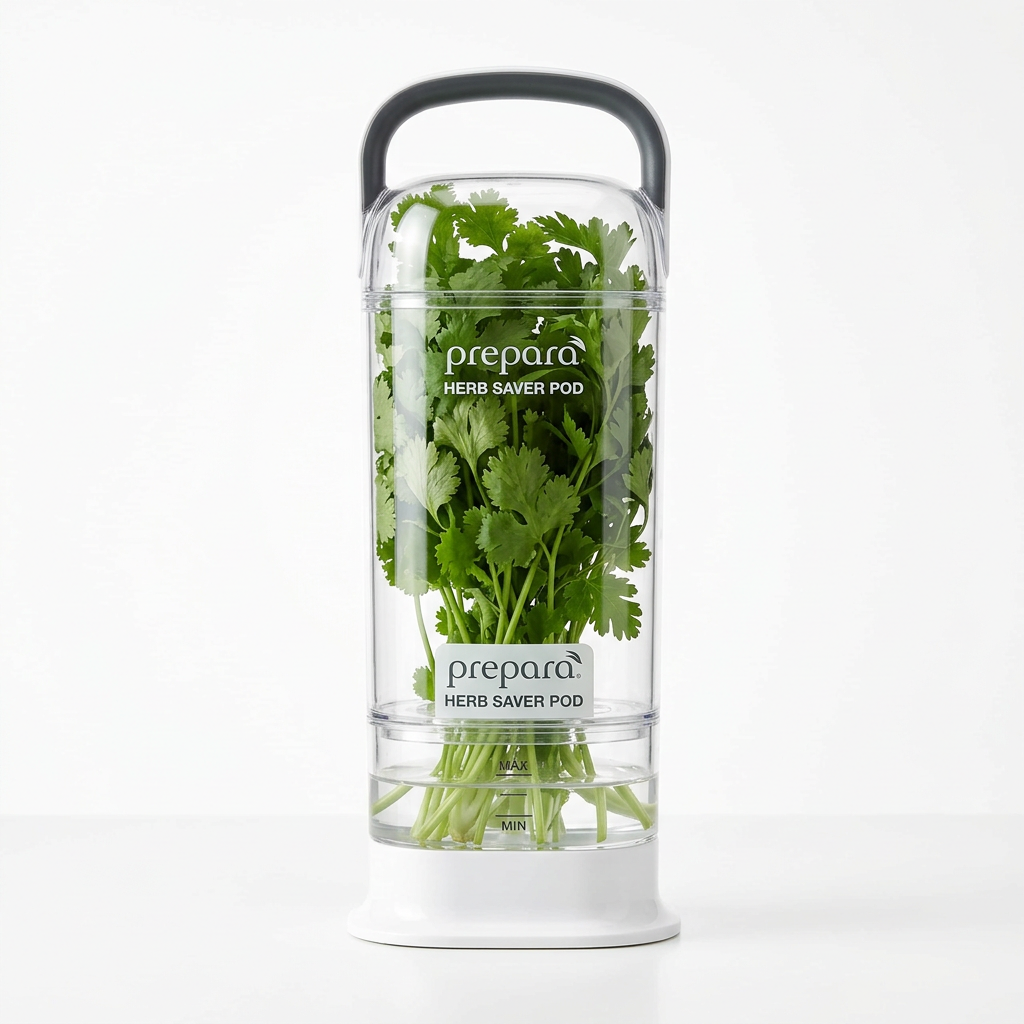
To execute this, you will need a tall glass container or a food-safe plastic tub that can accommodate the length of the stalks. If the stalks are too long, you can trim them down to size, though it is usually better to store them whole to minimize the cut surfaces. The key is to keep the base submerged while protecting the leafy tops.
Step-by-Step Immersion
Why This Works
The water provides a constant supply of moisture that the plant can draw upon through capillary action. By covering the top, you reduce the rate of transpiration, keeping the leaves vibrant and the stalks firm. This mimics the growing conditions of the plant and effectively stops the clock on cellular collapse.
The Foil Wrap Technique: Efficiency and Performance
If you find that your refrigerator space is too limited to store tall jars of celery, the aluminum foil wrap method is your next best option. This technique is a favorite among professional chefs because it is remarkably effective, space-efficient, and easy to clean up. The secret here lies in the chemical properties of aluminum foil, which allows for just enough airflow to let ethylene gas escape while simultaneously trapping enough moisture to keep the stalks crisp.
Many people reach for plastic wrap or zip-top bags, but those materials are often the culprits behind slimy, rotting celery. Plastic bags create an airtight environment that leads to condensation and, ultimately, bacterial growth. Foil provides a protective barrier that is rigid enough to hold its shape and porous enough to prevent the anaerobic conditions that plastic fosters.
Why Foil Outperforms Plastic
Plastic traps ethylene gas, which is the kiss of death for crisp produce. In a plastic bag, that ethylene has nowhere to go and is reabsorbed by the celery, causing it to ripen and turn limp rapidly. Aluminum foil, when wrapped loosely, allows the ethylene to dissipate, effectively extending the lifespan of the vegetable by days or even weeks.
"If your celery is turning yellow or slimy, you have likely trapped it in a plastic prison. Let it breathe, and you will see an immediate improvement in its longevity and flavor profile."
The Foil Application Process
* Remove the celery from the store-bought plastic bag immediately upon arriving home.
* Do not wash the celery until you are ready to use it; excess moisture on the exterior of the stalks is a precursor to spoilage.
* Lay the entire bunch on a large sheet of heavy-duty aluminum foil.
* Wrap the foil around the bunch snugly but do not crush the stalks. Ensure the ends are folded but not airtight.
* Place the wrapped bunch in the crisper drawer of your refrigerator, away from high-moisture items.
Managing Pre-Cut Celery: The "Sticks" Challenge
Life is often busy, and many home cooks prefer to prep their vegetables ahead of time. While it is always better to store vegetables whole to preserve their structural integrity, there are times when you need pre-cut celery sticks ready for school lunches or quick snacking. Storing these requires a different approach because the cut surfaces are vulnerable to rapid dehydration and oxidation, which can turn the edges white or brown.
When you cut celery, you break the plant's cells, which creates a pathway for water to escape and for air to enter. To keep these sticks crisp, you must create a mini-environment that mimics the interior of the plant. A simple container and water are all you need to keep your sticks snapping-fresh for days.
The Water Bath Technique
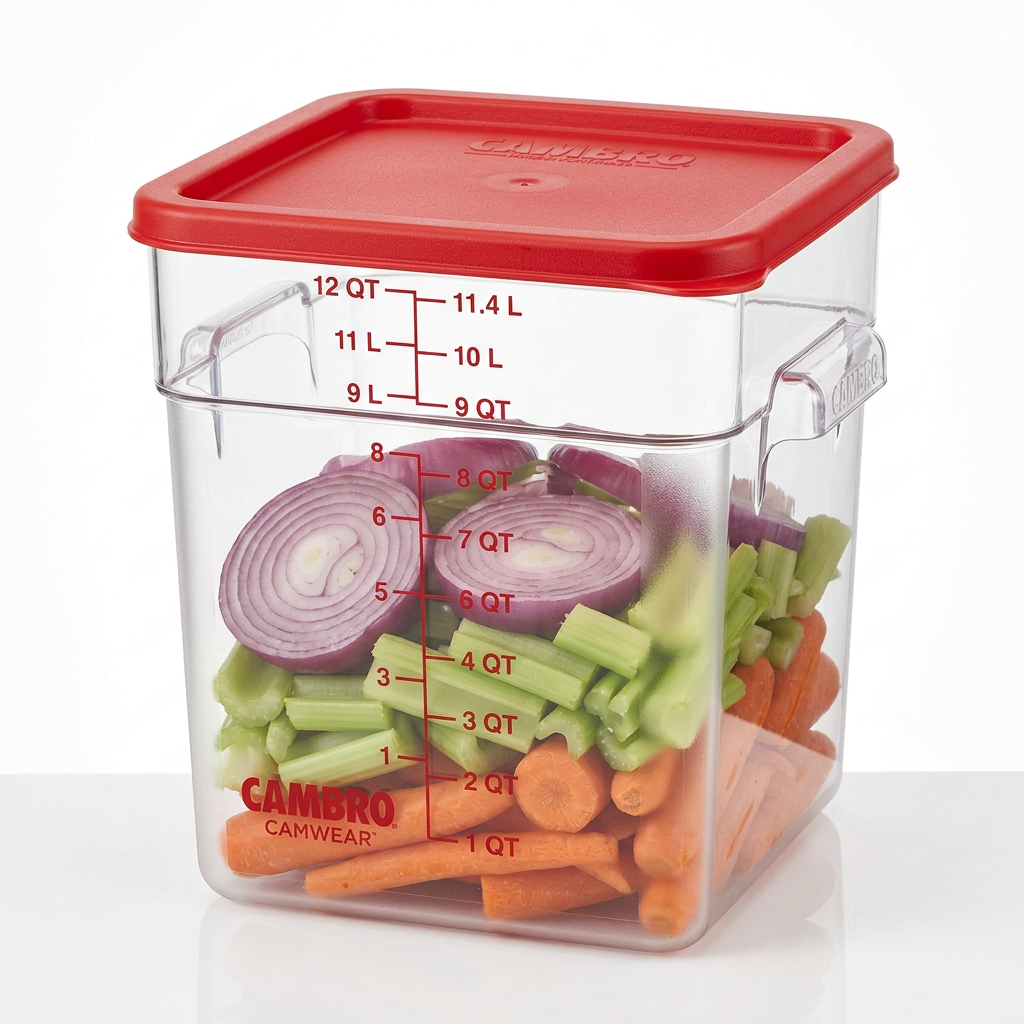
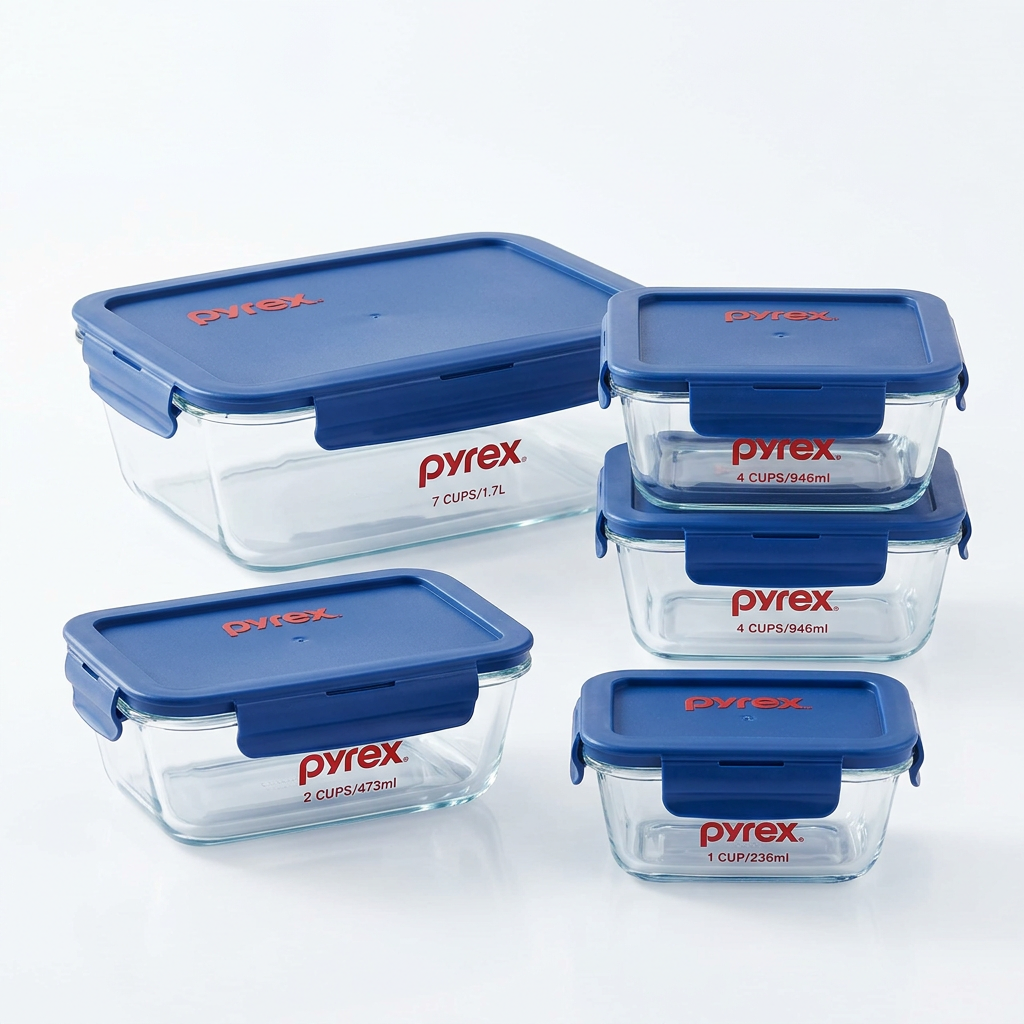
The most effective way to store cut celery sticks is to submerge them completely in cold water within an airtight container. This prevents the edges from drying out and keeps the entire stick hydrated. It is essential to use cold, filtered water for this, as tap water can sometimes contain minerals or chlorine that affect the flavor of the celery.
Best Practices for Cut Celery
Reviving Wilted Celery: The Chef’s Secret
Sometimes, despite our best efforts, we end up with limp celery. Perhaps you forgot it in the back of the fridge, or it was already on its way out when you bought it. Do not throw it away! Celery is remarkably resilient, and in most cases, it can be fully revived. As long as the stalk hasn't developed deep brown rot or an unpleasant odor, it can be brought back to a state of crisp perfection with a simple ice water shock.
This process relies on the principle of osmosis. By placing the limp stalks in an ice bath, you are forcing water into the dehydrated cells, which restores their rigidity. The cold temperature also slows down any enzymatic processes that contribute to spoilage, giving you a fresh start.
The Ice Water Shock Procedure
Optimizing Refrigerator Placement
Not all zones in your refrigerator are created equal. Where you place your celery can be just as important as how you wrap it. Most modern refrigerators are equipped with specialized "crisper drawers" that are designed to manage humidity levels. These drawers typically have adjustable vents that allow you to control the airflow, which is critical for leafy greens and stalks.
For celery, you want a high-humidity environment. If your drawer has a humidity slider, set it to the "high" or "closed" position. This traps moisture inside the drawer, preventing the dry air of the refrigerator from pulling water out of the plant. If you do not have a crisper drawer, keep the celery in the back of the shelf on the lowest level, where the temperatures are the most stable and the air is the least likely to circulate rapidly.
Strategic Storage Zones
The Crisper Drawer:* This should be your primary storage location, adjusted for high humidity.
The Bottom Shelf:* If your drawer is full, the bottom shelf is the next best thing. It is the coldest part of the fridge, and heat rises, keeping this area consistently cool.
Away from Fruit:* Never place your celery in the same drawer as apples, peaches, or pears. These fruits release high amounts of ethylene gas, which will significantly shorten the lifespan of your celery.
Beyond Storage: Incorporating Celery into Your Routine
Storing celery is not just about keeping it fresh; it is about having a versatile, flavorful ingredient ready for your next culinary adventure. Once you have mastered the art of keeping your celery crisp, you will find yourself reaching for it more often. Whether you are using it as the foundation of a mirepoix—that classic French combination of onions, carrots, and celery—or as a crunchy contrast in a Waldorf salad, having high-quality celery on hand changes your entire cooking process.
Don't ignore the leaves, either! The leafy tops of the celery bunch are packed with intense, concentrated flavor. Many home cooks discard these, but they are excellent for stock-making, as a garnish for soups, or chopped into a fresh herb salad. When you are prepping your celery for storage, keep those leaves attached; they help maintain the moisture balance of the stalks and are a valuable ingredient in their own right.
Professional Tips for Usage
Mirepoix:* For stocks and stews, finely dice your celery to ensure it releases its aromatics evenly. Aim for a consistent size so it cooks at the same rate as your carrots and onions.
Crudité:* Use your crispest, center-cut stalks for a platter. If you have any slight bend in the stalks, use those for cooked applications where the texture matters less.
Pickling:* If you have an excess of celery, consider quick-pickling it. A brine of vinegar, salt, sugar, and mustard seeds can turn even slightly limp stalks into a vibrant, crunchy snack that lasts for weeks in the fridge.
"The difference between good food and great food is almost always found in the quality of the raw ingredients. Respecting your produce—from the moment it enters your kitchen until it reaches the plate—is the mark of a true chef."
Conclusion
Mastering the storage of celery is a classic example of how small adjustments in our kitchen habits lead to significant results in our final dishes. By moving away from the standard, often ineffective, plastic-bag storage and embracing methods like water immersion or foil wrapping, you ensure that you are working with the best possible ingredients. You have now learned that hydration is the key to crispness, that ethylene gas is the enemy of shelf life, and that even the saddest, limpiest stalk can be revived with a bit of ice-cold water and patience.
Remember, the goal of these techniques is not just to extend the life of your vegetables, but to empower you in the kitchen. When you have high-quality, crisp ingredients ready to go, you are more likely to cook healthy meals, experiment with new recipes, and find joy in the daily act of nourishing yourself and your family. "Blame The Chef" is all about taking responsibility for the outcomes in our kitchens, and that responsibility starts with the very basics of preservation and organization.
Take these tips and implement them during your next grocery trip. Watch how your crisper drawer transforms from a source of anxiety into a well-managed pantry. Experiment with the different methods—perhaps you will find that the foil method suits your busy lifestyle, or that the water-bath method gives you the results you have always wanted. Whatever you choose, stay curious, stay diligent, and keep cooking with confidence. Your celery will thank you, your future meals will be fresher, and you will have mastered a fundamental skill that will serve you for years to come. Happy cooking, and keep that crunch alive.
Get the Next Recipe
Weekly recipes, techniques, and gear picks — straight to your inbox.
