
How to Store Green Onions for Weeks
There is perhaps no ingredient in the professional kitchen more underrated or more frequently misused than the humble green onion. Often referred to as scallions or spring onions, these slender, vibrant aromatics provide the necessary punch, crunch, and brightness that elevate a dish from mediocre to memorable. Many home cooks approach them as a fleeting garnish, buying a bunch, using a single tablespoon, and then watching in horror as the remainder turns into a slimy, pungent mess in the back of the vegetable crisper drawer within forty-eight hours. It is a tragedy that occurs in households across the globe, yet it is entirely avoidable with a few shifts in your storage strategy. Understanding the anatomy of the allium is the first step toward mastering the lifecycle of your produce.
When you purchase green onions, you are handling a highly perishable plant that thrives on moisture but suffers from trapped humidity. Their hollow, tubular leaves are essentially water-storing vessels, and the white bulbs are the heart of the plant’s flavor concentration. If you toss them into a plastic produce bag and seal it tightly, you are essentially creating a greenhouse environment that accelerates decay, fungal growth, and that distinctive sulfurous odor that permeates your entire refrigerator. By learning how to balance hydration and ventilation, you can successfully extend the life of these stalks from mere days to several weeks. This is not just a tip for saving pennies; it is a fundamental skill in reducing food waste and ensuring you always have a fresh flavor bomb ready to deploy.
In this guide, we will dismantle the myths surrounding produce preservation and dive deep into the professional techniques I use to keep my mise en place pristine. We will cover everything from the water-based hydration methods that mimic the garden environment to the dry-storage techniques that prioritize shelf life over aesthetic crispness. Whether you are a weekend home cook or an aspiring culinary artist, these methods will ensure your ingredients remain as vibrant on day twenty as they were on the day you brought them home. Prepare to reclaim your refrigerator space and transform the way you interact with one of the most versatile ingredients in your pantry. Let us move past the wilted disappointment of the past and start treating our produce with the precision it deserves.
The Science of Allium Preservation
To effectively store green onions, one must first recognize that they are living tissue. They are biologically designed to pull moisture through their root systems to support the growth of their foliage. When they are harvested, this biological process does not immediately cease; it simply pauses and begins to decline as the cell walls start to degrade. The primary enemy of the green onion in your refrigerator is not just time, but the specific interaction between temperature, oxygen, and moisture levels. A professional chef knows that the refrigerator is a high-humidity environment, which can be both a blessing and a curse depending on how the produce is shielded from the elements.
The Problem with Plastic
Most people make the mistake of leaving green onions in the original store-bought plastic sleeve. These bags are rarely breathable, and they trap ethylene gas—a natural hormone that plants release as they age—which accelerates the ripening and eventual rotting process. When those gases are trapped, your onions begin to self-destruct. Furthermore, the condensation that inevitably forms inside these plastic bags creates a breeding ground for bacteria, turning your crisp greens into a mushy, unappealing disaster. The goal is to facilitate a slow, controlled environment where the plant can sustain itself without succumbing to rot.
Maintaining Turgidity
Turgidity is the state of a plant cell being filled with water, making it firm and upright. When a green onion wilts, it is losing that internal pressure. By understanding how to manage the plant’s hydration, you can control its firmness. Some methods encourage this intake of water to keep the plant alive, while others focus on slowing down the metabolic process to keep it dormant. Regardless of the method you choose, the key is consistency. Never let your green onions sit in a pool of standing water that is warm or stagnant, as this will lead to the development of unpleasant odors that can ruin the flavor profile of the entire bunch.
"A chef is only as good as the ingredients they have on hand, and a fresh green onion is the difference between a dish that sings and one that simply sits there."
The Jar-in-Water Method: For Maximum Freshness
If you plan on using your green onions within the next seven to ten days, the hydration method is your best course of action. This technique essentially allows the onions to "drink" from a reservoir, much like a bouquet of flowers in a vase. It maintains the crispness of the stalks and ensures that the flavor remains sharp and pungent, exactly as the plant intended. This method is aesthetically pleasing and incredibly efficient for busy weeknight cooks who reach for garnishes daily.
Setting Up the Water Bath
To begin, trim just a tiny fraction of the bottom of the white root ends if they look excessively dry or frayed. Find a clean, tall mason jar or a sturdy glass that can accommodate the length of your onions without causing them to tip over. Fill the container with exactly one inch of cold, filtered water—you do not want to submerge the foliage, only the root ends and a portion of the white bulb. If you submerge the greens, you will invite premature rot and discoloration.
Care and Maintenance
Place the jar in an area of your refrigerator that has consistent, cool airflow, such as the middle shelf. Avoid the back corners where temperatures can plummet and potentially cause ice crystals to form on the delicate leaves. Every three days, empty the jar and refill it with fresh, cold water. This prevents the water from becoming stagnant and ensures that the environment remains sanitary. If you notice any leaves turning yellow or brown, gently pinch them off to prevent the decay from spreading to the healthy parts of the plant.
The Paper Towel Roll Method: For Long-Term Storage
When you have a surplus of green onions or simply want to minimize maintenance, the paper towel roll method is the gold standard for long-term storage. This technique is designed for longevity, allowing you to keep your onions in a dormant state for up to three weeks. It relies on the absorbent properties of paper to manage humidity levels while providing a protective, breathable barrier against the harsh environment of a modern refrigerator.
The Prep Sequence
First, lay out your bunch of green onions on a clean cutting board and inspect them for any pre-existing damage. Remove any rubber bands or twist ties, as these often cut into the flesh and create entry points for bacteria. Gently wash the onions under cold, running water, ensuring that no dirt remains tucked in the crevices of the bulbs. It is absolutely vital that you dry them thoroughly; use a salad spinner or a clean, lint-free kitchen towel to remove as much moisture as possible. Excess surface moisture is the primary catalyst for slime.
Layering for Success
Take two or three high-quality, absorbent paper towels and lay them flat. Place your dry green onions in the center, ensuring they are lying flat and not overly crowded. Roll the paper towels loosely around the onions to create a snug, protective cylinder. Place this roll inside a large, gallon-sized resealable plastic bag, but do not seal it completely. Leave a small gap—about an inch—to allow for air exchange. Place the bag in your vegetable crisper drawer, which is designed to maintain a stable, moderate humidity level. The paper towel will absorb excess moisture, while the bag protects the leaves from dehydration.
"True kitchen mastery is not just about the heat of the stove; it is about the quiet discipline of proper storage and prep."
Professional Tips for Slicing and Freezing
Sometimes, despite our best efforts, we end up with more produce than we can possibly consume before it reaches the end of its life cycle. In these instances, do not throw them away. Instead, employ the freezer method. Freezing green onions effectively stops the clock, preserving the flavor for future use in cooked dishes. While they will lose their raw, crunchy texture once thawed, their aromatic profile remains perfectly intact for soups, stir-fries, and sauces.
The Chopping Technique
To prepare for freezing, wash and dry your green onions meticulously. Using a razor-sharp chef’s knife, use a rocking motion to slice the onions into thin, uniform rounds. Separate the white and light green parts from the deep green tops if you wish, as they have slightly different cook times. Once sliced, spread the pieces out on a parchment-lined baking sheet in a single layer. This prevents them from clumping together into a solid block of ice, which is the most common mistake home cooks make when freezing aromatics.
Flash Freezing and Storage
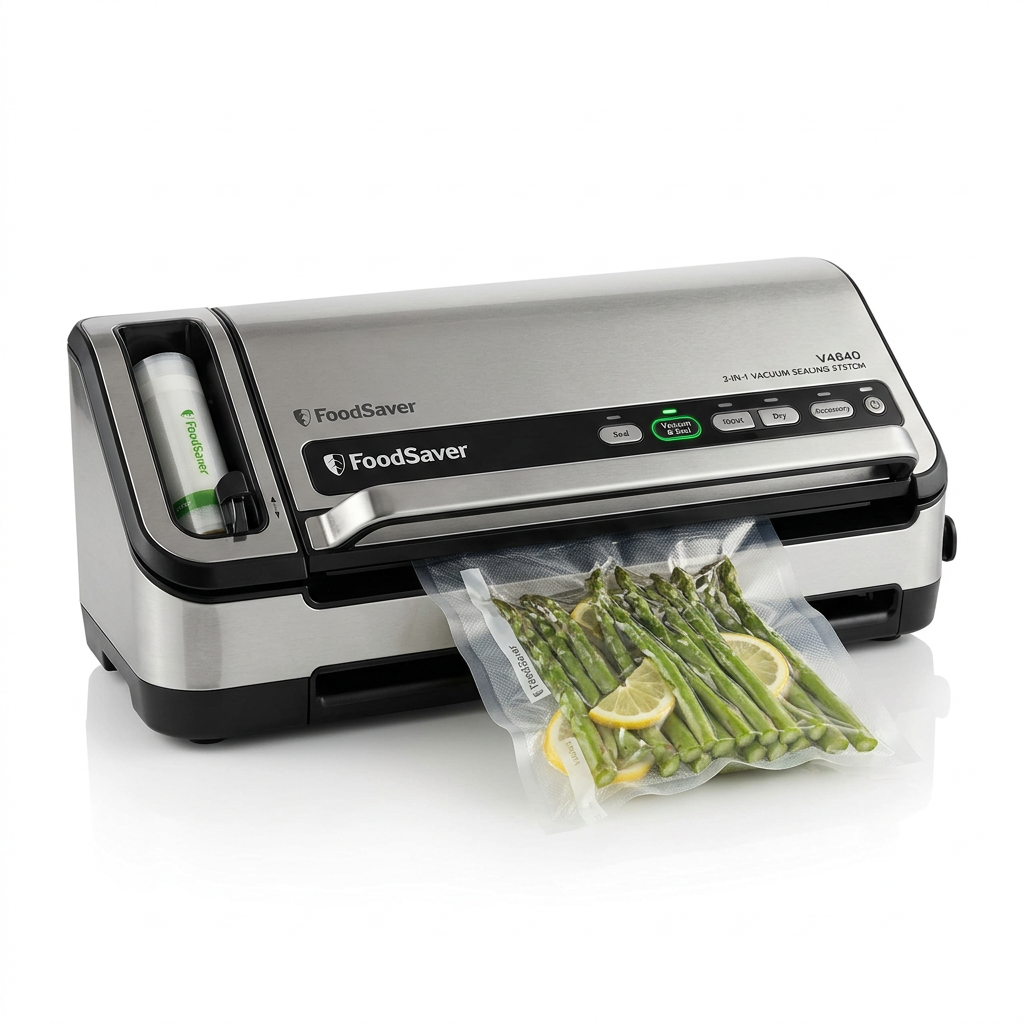
Place the tray in the freezer for about one hour until the pieces are frozen solid. Once frozen, transfer the green onions into an airtight freezer-safe container or a vacuum-sealed bag. By using the flash-freezing method, you ensure that you can scoop out just the amount you need for a recipe without having to thaw the entire batch. These will remain high-quality for up to three months. When you are ready to cook, simply toss the frozen pieces directly into your hot pan or pot—there is no need to defrost them.
Choosing the Right Onions at the Market
The journey to long-term storage begins at the grocery store or farmers' market. If you start with onions that are already on the verge of turning, no storage technique in the world will save them. A professional chef develops an eye for quality produce, scanning the displays for specific indicators of freshness. When shopping, always lift the bunch and inspect the root end. The roots should be relatively clean and light in color, not slimy or dark.
Indicators of Quality
Look for bright, vibrant green leaves that feel crisp to the touch. If the leaves are drooping, limp, or have translucent, papery ends, they have likely been sitting under the misters for too long and are already degrading. The white bulbs should be firm and tightly packed; if they feel soft or hollow when squeezed, bypass that bunch entirely. Avoid any onions that show signs of black mold or yellow spotting, as these are indicators of poor storage conditions at the distributor level.
The Benefit of Local Sourcing
Whenever possible, try to source your green onions from local farmers. Produce that has traveled thousands of miles is often harvested prematurely and treated with preservatives or stored in extreme cold that compromises its structural integrity. Locally grown onions are often pulled from the earth hours before you buy them, meaning they haven't been subjected to the stresses of long-haul shipping. Fresh, local produce inherently has a longer shelf life because it has not already exhausted its vitality in the supply chain.
Culinary Applications for Your Stored Onions
Now that you have successfully stored your green onions, it is time to put them to use. A green onion is not just a garnish for baked potatoes; it is a fundamental ingredient that can be used to build layers of flavor in almost any cuisine. From the delicate, sweet white parts to the assertive, spicy greens, every inch of the scallion has a role to play. Understanding how to use these parts correctly will allow you to get the most value out of your stored produce.
The White and Light Green Sections
These parts are the powerhouses of flavor. They are structurally similar to yellow or red onions but much more subtle and sweet. In professional cooking, these are typically sautéed in butter or oil as the base for soups, curries, and stir-fries. Because they are delicate, they should be added to the pan toward the middle of the cooking process so they soften without burning. They provide the aromatic backbone that supports the other ingredients in your dish.
The Dark Green Tops
These are your finish. Never cook the dark green tops for long periods, or they will lose their vibrancy and texture. Instead, treat them as a fresh addition to be added at the very end. Use them to finish off a bowl of ramen, fold them into an omelet just before folding, or toss them into a salad for a bright, peppery kick. When you store your onions correctly, these greens will remain snappy and bold, ready to provide that essential visual and textural contrast to your final plate.
"The secret to professional-grade cooking often hides in the simplest ingredients, handled with the utmost respect."
Troubleshooting Common Storage Issues
Even with the best intentions and the most rigorous techniques, you might occasionally run into issues. Perhaps your refrigerator temperature fluctuates, or you missed a spot of moisture when prepping. Troubleshooting is a core part of the culinary experience. By knowing how to identify and correct issues early, you can often salvage a batch of onions that might otherwise be destined for the compost bin.
Dealing with Discoloration
If you notice the outer layers of the green leaves turning yellow, do not panic. Simply peel away the damaged layer, just as you would with a head of lettuce. The inner leaves are often still perfectly usable. If the white bulbs show slight browning, trim the edges with a sharp knife. Use your sense of smell as the final judge; if the odor is fresh and sharp, the produce is safe. If the smell is fermented or sour, it is time to discard it.
Moisture Control Adjustments
If you notice that your paper towel method is resulting in wet paper after only a few days, your refrigerator is likely too humid or the onions were not dried sufficiently. Simply pull the onions out, replace the paper towels with a fresh, dry set, and leave the bag slightly more open to encourage more airflow. Monitoring your ingredients is not a chore; it is a meditative act of quality control that makes the difference between an amateur kitchen and a professional one.
Conclusion
Mastering the storage of green onions is a testament to the idea that culinary excellence is found in the details. By moving away from the convenience-driven, yet wasteful, habit of tossing produce into the crisper in its original packaging, you are adopting the mindset of a professional chef. Whether you choose the hydration of a water jar or the protective isolation of the paper towel roll, the goal remains the same: to preserve the life and vitality of your ingredients so they are ready to perform when you need them.
This process is about more than just keeping produce alive; it is about empowerment. When you are confident that your refrigerator is stocked with fresh, vibrant ingredients, you are more likely to cook, more likely to experiment, and more likely to achieve the flavors you desire. You no longer have to plan your entire menu around the fact that your scallions will rot by Wednesday. You have taken control of your ingredients, and in doing so, you have taken control of your kitchen.
Remember that every bunch of green onions represents a small victory in your journey toward becoming a better cook. Treat them with care, prep them with precision, and always trust your senses. When you integrate these simple, high-impact storage habits into your routine, you will find that your grocery budget stretches further and your meals become consistently better. "Blame the Chef" is all about taking responsibility for the quality of your cooking, and proper produce management is where that responsibility begins. Go forth, keep those onions crisp, and keep pushing your culinary boundaries. There is no limit to what you can create when you start with the best possible version of every single ingredient.
Get the Next Recipe
Weekly recipes, techniques, and gear picks — straight to your inbox.
