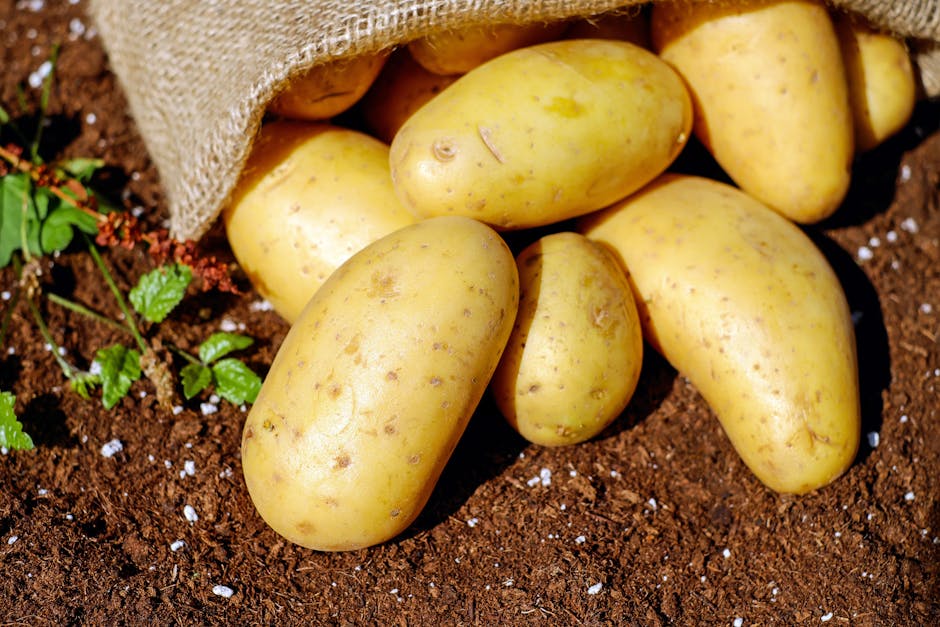
How to Store Potatoes So They Last for Months
The humble potato is the workhorse of the home kitchen, a versatile staple that can transform from a simple weeknight mash to a sophisticated galette with ease. Despite their apparent hardiness, potatoes are actually living organisms that continue to respire long after they have been harvested from the soil. If you have ever reached into your pantry only to find a bag of sprouts or soft, wrinkly tubers, you know the frustration of food waste. Understanding the biological needs of a potato is the first step toward moving from a passive consumer to an informed culinary steward. By mastering the delicate balance of humidity, temperature, and airflow, you can easily extend the life of your supply from a few weeks to several months.
Proper storage is not merely about preventing decay; it is about preserving the starch and moisture content that dictate the final quality of your dish. When potatoes are stored improperly, they undergo biochemical shifts that can turn a perfectly good starch into an unpleasant, sugary mess, or worse, cause them to rot entirely. Most home cooks mistakenly believe that the refrigerator is the best place to keep produce fresh, but for potatoes, this is often a fatal error. Cold temperatures trigger the conversion of starch into sugar, which changes the flavor profile and causes the potato to burn unevenly during frying or roasting. Learning to manage the environment rather than just hiding them away will change your cooking life significantly.
As part of the "Blame The Chef" philosophy, we believe that your pantry should be a place of organized abundance rather than a graveyard for forgotten ingredients. Throughout this guide, we will explore the professional secrets behind curing, curing environments, and the long-term maintenance of root vegetables. Whether you are buying in bulk from a local farmers' market or simply trying to save the remainder of your five-pound supermarket bag, these techniques are essential. You will learn to identify the signs of a potato past its prime, how to prevent greening, and the specific conditions required to keep your potatoes dormant throughout the winter months. Let us turn those pantry staples into a reliable reserve that stands the test of time.
The Foundation of Potato Physiology
To store potatoes successfully, you must first understand that they are essentially sleeping giants. A potato is designed by nature to survive underground through the winter, providing enough energy for the plant to sprout in the spring. When we bring them into our homes, we are trying to trick the potato into believing it is still buried in a cool, dark, and slightly humid patch of earth. If the environment becomes too warm, the potato wakes up and begins to sprout; if it becomes too bright, it produces solanine, turning green and bitter.
Temperature and Light Control
The ideal temperature for long-term potato storage is between 45°F and 50°F (7°C to 10°C). While this is cooler than the typical room temperature, it is significantly warmer than your standard refrigerator, which usually hovers around 35°F to 40°F. If you go below 40°F, you risk the starch-to-sugar conversion, which ruins the texture of your fries and creates an acrid taste. Similarly, light is the enemy of quality. Exposure to even moderate amounts of light encourages chlorophyll production, which is accompanied by the development of solanine, a toxic alkaloid that makes the potato taste soapy and can cause stomach distress if consumed in large quantities.
"A potato is not just an ingredient; it is a living, breathing biological system. Treat it with the respect of a dormant seed, and it will reward you with months of reliability."
The Importance of Airflow
Air circulation is the second most critical factor in storage. Potatoes emit moisture as they breathe; if they are stored in an airtight plastic bag, that moisture becomes trapped, leading to mold and bacterial decay. You should always use a breathable container such as a burlap sack, a wooden crate, or a mesh bag. If you have a large harvest, storing them in single layers on slatted shelving is the gold standard for airflow. Never wash your potatoes until you are ready to use them, as the added moisture from washing will invite rot within days.
Curing Your Potatoes Before Storage
Many home cooks skip the curing process, but it is the secret to extending the lifespan of your tubers from weeks to months. If you are buying potatoes directly from a farm, they may not have been fully cured. Curing is the process of allowing the skin of the potato to toughen, which heals minor nicks and bruises sustained during the harvesting process. When you buy from a grocery store, they are usually already cured, but if you have ever harvested your own or bought "dirty" potatoes, this step is mandatory for longevity.
The Curing Environment
To cure potatoes properly, place them in a dark, well-ventilated area with a temperature around 60°F (15°C) and relatively high humidity (around 85-90%). You should spread them out in a single layer so that no two potatoes are touching. This allows air to move freely around every side of the tuber. During this period, which lasts for about 10 to 14 days, the skin thickens, and any cuts or abrasions form a protective "suberin" layer, effectively sealing the potato against pathogens and moisture loss.
Checking for Maturity and Damage
Before you transition your cured potatoes to long-term storage, perform a thorough inspection. A single rotten potato can release moisture and bacteria that will compromise the entire batch—this is the true meaning of the "one bad apple" adage. Look for soft spots, deep gashes, or any signs of "weeping." If you see a potato that feels soft or emits an off-odor, remove it immediately. It is better to use that potato today than to risk the integrity of the whole crate.
Choosing the Right Storage Environment
Finding the perfect spot in your home can be a puzzle, especially in modern houses with central heating. Most basements are too warm, and refrigerators are too cold. However, there are several clever ways to create an artificial "root cellar" environment. If you do not have a dedicated pantry or unheated room, consider the coolest part of your home, such as a garage, an unheated laundry room, or even the floor of a dark closet on an exterior wall.
Creating an Artificial Root Cellar
If you do not have a basement, you can construct a mini-cellar using a high-quality insulated cooler. While this might sound strange, a clean, dry cooler acts as a barrier against the fluctuating temperatures of your house. Place your potatoes inside with a small amount of space for airflow. You can keep a few frozen ice packs in the cooler during the height of summer to lower the internal temperature, but ensure they are wrapped in towels so they do not come into direct contact with the potatoes, which would cause freezing and rot.
Monitoring Humidity
Potatoes prefer a humid environment, but not a wet one. If your storage space is too dry, the potatoes will shrivel and lose their weight and starch density. If the air in your home is arid, you can place a shallow pan of water near the storage area to increase the relative humidity slightly. Conversely, if you notice moisture condensing on the walls of your container, you need more ventilation. Always keep a small hygrometer nearby if you are serious about long-term storage to keep track of both temperature and humidity levels.
"True kitchen mastery is not about the complexity of the recipe, but the reliability of the pantry. When your staples are stored correctly, you are always prepared to create a masterpiece."
Common Pitfalls to Avoid
Even with the best intentions, it is easy to fall into traps that shorten the life of your potatoes. One of the most common mistakes is storing potatoes near other produce. Many fruits, particularly apples, onions, and bananas, release a gas called ethylene. This gas acts as a ripening agent, and if your potatoes are exposed to it, they will sprout at an accelerated rate. Keep your potatoes in a completely separate zone from your fruit bowl.
The Dangers of Proximity
Onions are the most common "bad neighbor" for potatoes. While they are often sold together in the produce aisle, they should never be stored together in the pantry. Onions emit gases that cause potatoes to sprout much faster than they would in isolation. Furthermore, if an onion begins to rot, it will quickly transfer that decay to the adjacent potato. Treat your potato storage as a "potato-only" zone to ensure maximum longevity and quality.
Handling and Bruising
Potatoes are surprisingly fragile. Dropping a sack of potatoes onto a hard floor creates internal bruises that may not be visible immediately but will develop into dark, soft spots within a few weeks. Always handle your potatoes gently. When moving them into storage, use your hands to place them carefully rather than dumping them out of a bag. The goal is to keep the skin intact, as the skin is the primary barrier between the potato and the external environment.
Advanced Maintenance and Inspection
Once you have established your storage system, the job is not quite done. You should perform a "pantry audit" every two to three weeks. This involves a quick visual and tactile check of your stock. Simply move the potatoes around to ensure there is no trapped moisture at the bottom of the container and that no rot has set in. If you find a potato with a small sprout, don't panic—simply snap it off. The potato is still perfectly safe to eat, though it is a sign that it is beginning to use its internal energy stores.
The Sprouting Dilemma
If your potatoes are sprouting, it is a signal that the environment has become too warm or too light. If you find that this is a recurring issue, consider moving your storage container to a lower shelf or a darker location. Sprouting is an evolutionary response to temperature shifts. If you have a large volume of potatoes that are beginning to sprout, the best course of action is to process them immediately. You can par-boil them, freeze them, or turn them into a large batch of gnocchi or soup base that can be safely kept in the freezer for months.
Managing Different Varieties
It is important to note that different potato varieties have different storage characteristics. Russets and other late-season potatoes are generally better keepers than early-season, thin-skinned varieties like New Potatoes or Red Bliss. If you have a mix, consume the thin-skinned potatoes first, as they are not biologically designed for long-term dormancy. Save your sturdier, thick-skinned varieties for the end of your storage period.
The Role of Packaging Materials
The container you choose can be the difference between a pristine harvest and a mushy disappointment. Avoid plastic bags at all costs. Plastic is a non-porous material that traps ethylene and moisture, creating the perfect breeding ground for bacteria. Instead, focus on materials that allow the potato to "breathe" while keeping light out. Burlap sacks, heavy-duty paper bags, and wooden crates are the gold standard.
Breathable Options
If you are using paper bags, make sure they are not stacked too high. If the weight of the top potatoes crushes those at the bottom, you will invite bruising. For larger quantities, wooden crates lined with a single layer of newspaper work wonders. The wood absorbs minor amounts of excess moisture, and the slats allow for the essential air circulation that prevents the buildup of carbon dioxide. If you are storing in a closet, a simple cardboard box with holes poked in the sides is a budget-friendly and highly effective solution.
Using Natural Absorbents
If you are worried about humidity levels in your pantry, you can place a few layers of dry newspaper at the bottom of your container. Newspaper is an excellent, cost-effective way to manage moisture. Replace the paper whenever you perform your bi-weekly inspection to ensure that the environment remains clean and dry. This simple trick adds a layer of protection against the inevitable release of moisture that occurs during the respiration process.
"A well-managed pantry is the mark of a thoughtful chef. By controlling the environment, you extend the utility of your ingredients and minimize the impact on your wallet and the environment."
Troubleshooting Common Storage Problems
Despite your best efforts, sometimes things go wrong. Perhaps the temperature in your garage spiked during an unseasonably warm week, or a rogue potato introduced a fungal issue to the bin. Knowing how to troubleshoot these problems can save a significant portion of your stock. If you see signs of white, powdery mold, it is often just on the surface and can be wiped away with a dry cloth, provided the potato underneath is still firm.
When to Discard
If a potato is soft, squishy, or smells pungent, it must be discarded immediately. Never try to cut out the "bad part" of a potato that has turned to liquid or become truly soft, as the bacteria and spores have already compromised the structure of the entire tuber. On the other hand, a potato that has developed a green skin can be salvaged if the greening is shallow. Peel the green parts off thoroughly, ensuring that no green flesh remains, as this is where the toxins are concentrated. If the greening goes deep, however, it is safer to compost it.
Freezing as a Backup
If you realize you have more potatoes than you can reasonably consume within the next month, consider preserving them through freezing. You cannot freeze raw potatoes, as they will turn black and watery. You must blanch them first. Peel and cut your potatoes, then boil them for 3 to 5 minutes. Immediately plunge them into an ice-water bath to stop the cooking process. Once dried, store them in airtight freezer bags. This method allows you to have "ready to roast" or "ready to mash" potatoes available at a moment's notice, effectively stopping the clock on their shelf life.
The Importance of Variety in Your Pantry
Having a variety of potatoes in storage allows for a much more dynamic kitchen. Different potatoes have different culinary applications, and keeping a selection ensures you are ready for any recipe. Waxy potatoes, like Fingerlings or Yukon Golds, hold their shape well, while starchy potatoes like Russets are perfect for baking and mashing. By learning to store these different types effectively, you can keep a diverse supply that covers all your culinary needs throughout the year.
Inventory Management
Treat your potato storage like a professional kitchen's FIFO (First In, First Out) system. When you bring home new potatoes, place them at the back of the storage area and move the older ones to the front. This ensures you are constantly rotating your stock and using the ones that are closest to the end of their peak freshness. Labeling your containers with the date of purchase can also be a helpful reminder if you are prone to forgetting when you restocked.
Culinary Preparedness
When you have a reliable supply of potatoes stored away, you are never truly without a meal. A baked potato can become a full lunch, a potato soup can be whipped up in minutes, and a simple pan-fry can accompany almost any protein. By taking the time to store your potatoes properly, you are essentially investing in your future self’s ability to cook with ease, confidence, and creativity. The "Blame The Chef" way is about being prepared so that when the hunger strikes, you have the building blocks of a great meal waiting for you in the dark, cool corners of your pantry.
Final Thoughts
Mastering the art of potato storage is a quiet, meditative process that connects you more deeply to the food you eat. It is about slowing down, understanding the needs of your ingredients, and creating an environment where they can thrive. While it might seem like a simple task, the discipline required to maintain the right temperature, humidity, and airflow pays massive dividends in the quality of your cooking. You will find that your potatoes are firmer, tastier, and more consistent than those stored in a haphazard manner.
Remember that the goal is not perfection, but progress. If you lose a potato here or there, don't let it discourage you. Each experience teaches you a little more about the micro-climate of your home and how to better manage your resources. Keep your storage area clean, keep your inspections frequent, and keep your potatoes away from the light. By following these professional guidelines, you ensure that the potato—that humble, reliable, and delicious staple—is always ready to fulfill its destiny on your dinner plate.
As you continue your culinary journey, remember that the best chefs are those who respect their ingredients from the farm to the table. By treating your potatoes as the living, valuable assets they are, you elevate your entire cooking practice. We hope this guide helps you reclaim your pantry and enjoy the bounty of the harvest for months to come. Now, head to your pantry, check your bins, and rest easy knowing that your potato supply is in expert hands—your own. Happy cooking, and remember: if the dish is great, it’s all you; if it’s not, you can always blame the chef.
Get the Next Recipe
Weekly recipes, techniques, and gear picks — straight to your inbox.
