
How to Store Zucchini So It Stays Firm
The humble zucchini is perhaps the most misunderstood vegetable in the summer garden, often arriving in such abundance that home cooks feel overwhelmed by the sheer volume of squash on their kitchen counters. It is a botanical marvel, belonging to the Cucurbita pepo family, and its high water content is both its greatest culinary asset and its most significant storage challenge. When treated with respect and the right preservation techniques, this versatile summer squash can retain its structural integrity and delicate, grassy sweetness for weeks rather than days. Many amateur cooks make the fatal mistake of tossing zucchini into a crisper drawer alongside ethylene-producing fruits, unknowingly sentencing their harvest to a soggy, mushy demise. Understanding the science of cellular respiration in vegetables is the first step toward mastering your refrigerator’s micro-climate.
Achieving perfectly crisp zucchini starts long before you reach for a storage container; it begins with the selection and handling of the fruit at the point of harvest or purchase. A high-quality zucchini should feel heavy for its size, possessing a skin that is taut, vibrant, and entirely free of nicks, bruises, or soft spots. If you are shopping at a farmers' market, look for the smaller, "young" specimens, as these have fewer seeds and less excess moisture, which translates directly to a firmer texture after storage. Professional chefs know that moisture is the enemy of shelf life, yet surface moisture is what leads to the rapid decay of the vegetable's delicate epidermis. By learning to balance moisture retention with proper ventilation, you can effectively pause the degradation process that plagues improperly stored produce.
In this guide, we will delve deep into the professional methods used to maintain the firmness of zucchini, moving far beyond the basic "toss it in the fridge" approach. We will explore the nuances of temperature control, the importance of transpiration management, and the specific culinary techniques that allow you to salvage or prolong your stash when the garden harvest exceeds your immediate consumption needs. From the optimal humidity levels in your crisper drawer to the long-term benefits of blanching and freezing, this comprehensive manual is designed to turn you into a master of summer squash preservation. Let us discard the notion that zucchini is inherently fleeting and instead embrace the techniques that keep your ingredients as crisp as the day they were picked.
Understanding the Anatomy and Storage Requirements
The zucchini is composed of nearly 95 percent water, which makes its cellular structure incredibly susceptible to temperature fluctuations and humidity imbalances. When the vegetable is harvested, it continues to respire, meaning it consumes oxygen and releases carbon dioxide and water vapor. If this process is accelerated by high temperatures or restricted airflow, the cell walls begin to collapse, resulting in that dreaded "rubbery" texture that home cooks frequently complain about. To keep zucchini firm, we must artificially slow this respiration rate by managing its environment with the precision of a professional commercial kitchen.
The Science of Temperature Control
For optimal storage, the ideal temperature range for zucchini is between 45 and 50 degrees Fahrenheit. While many refrigerators are set to 38-40 degrees, which is perfect for milk and meats, it is slightly too cold for summer squash. When exposed to temperatures below 40 degrees for extended periods, zucchini can suffer from "chilling injury," which manifests as pitting on the skin and a translucent, watery flesh that becomes mushy once cooked. Using the warmer areas of your refrigerator, such as the door shelves or the top drawer, can provide a more forgiving environment for these sensitive fruits.
Managing Humidity and Condensation
Humidity management is the primary battleground in the war against spoilage. Zucchini requires a relatively high-humidity environment to prevent shriveling—a process where the vegetable loses its internal moisture to the surrounding air. However, excess surface moisture leads to rapid fungal growth and slimy skin. The goal is to keep the air around the zucchini moist without allowing water droplets to form on its surface. Paper towels are your best ally here, as they act as a buffer, absorbing excess condensation while maintaining a micro-climate of ideal humidity within your storage container.
"The difference between a vibrant, crisp sauté and a watery, flavorless mush lies entirely in how you respect the cellular structure of your ingredients during the storage phase."
Preparation Techniques Before Storage
Never wash your zucchini until you are ready to use it. This is the cardinal rule of produce storage that many cooks unfortunately overlook in a burst of post-grocery-shopping enthusiasm. Water creates the perfect breeding ground for bacteria and mold, and once the skin is wet, it is nearly impossible to dry it thoroughly enough to prevent long-term degradation. If your zucchini has visible dirt from the garden, gently brush it away with a dry, soft cloth or a clean kitchen towel. If the dirt is stubborn, use a barely damp cloth to spot-clean, then dry the area completely with a paper towel.
The Role of Airflow
Zucchini needs to breathe. If you store your squash in sealed plastic bags, you are essentially trapping the gases released during respiration, which hastens the decomposition of the vegetable. Instead, use perforated plastic bags or, even better, breathable produce bags made of natural fibers or mesh. If you must use plastic, poke several small holes in the bag to allow for air exchange. This minor modification prevents the buildup of carbon dioxide, which can lead to off-flavors and skin discoloration.
Trimming and Handling
While it is tempting to trim the stem and blossom ends of the zucchini before putting them away, resist this urge. The ends of the zucchini are natural barriers against moisture loss and bacterial entry. Cutting into the flesh exposes the inner core to the air, which causes oxidation and provides a direct path for spoilage to travel into the heart of the squash. Only trim your zucchini immediately before you begin your prep work for a meal. By keeping the fruit whole and intact, you are ensuring that its internal moisture remains locked inside the protective outer skin.
The Crisper Drawer Strategy
Most modern refrigerators come equipped with adjustable humidity crisper drawers, which are essential tools for any home cook looking to extend the life of their produce. For zucchini, you should set your drawer to "high humidity" if you are storing other leafy greens, but if you have a dedicated drawer for squash, consider a medium setting that allows for a small amount of airflow. The key is to keep the zucchini away from ethylene-producing fruits like apples, bananas, and tomatoes, which accelerate the aging process of the squash and turn it soft within a matter of days.
Layering for Success
When placing your zucchini in the crisper, try not to stack them tightly on top of one another. Crowding creates pressure points that can bruise the delicate skin, leading to rot. Instead, line the bottom of your drawer with dry, absorbent paper towels, and place the zucchini in a single layer. If you have a large harvest, place another layer of paper towels between rows to prevent moisture from pooling. This layering technique mimics the climate-controlled storage used in professional produce logistics, keeping each piece of squash distinct and ventilated.
Rotation and Monitoring
It is important to check your stored zucchini every two to three days. Simply rotate the position of the fruits and inspect them for any signs of softening, discoloration, or dampness. If you notice a paper towel is becoming saturated with moisture, swap it out for a fresh, dry one immediately. This proactive monitoring allows you to catch early signs of spoilage before they spread to the rest of the batch. If one zucchini starts to look slightly soft, remove it from the crisper and use it for a soup or stew rather than risking the entire stash.
"True kitchen mastery is not about buying the freshest produce, but about possessing the patience and the technical knowledge to keep that freshness alive through thoughtful, deliberate storage protocols."
Long-Term Preservation Through Blanching
When your garden provides an overwhelming harvest that you cannot possibly consume within the two-week fresh storage window, it is time to move to preservation. Freezing is an excellent way to maintain the structural integrity of zucchini, provided you follow the blanching method. Blanching stops the enzymes that cause the squash to lose its color, flavor, and texture. Without this critical step, frozen zucchini will turn into a fibrous, watery mess when thawed, rendering it virtually useless for anything other than purees or muffins.
The Blanching Process
Freezing for Quality
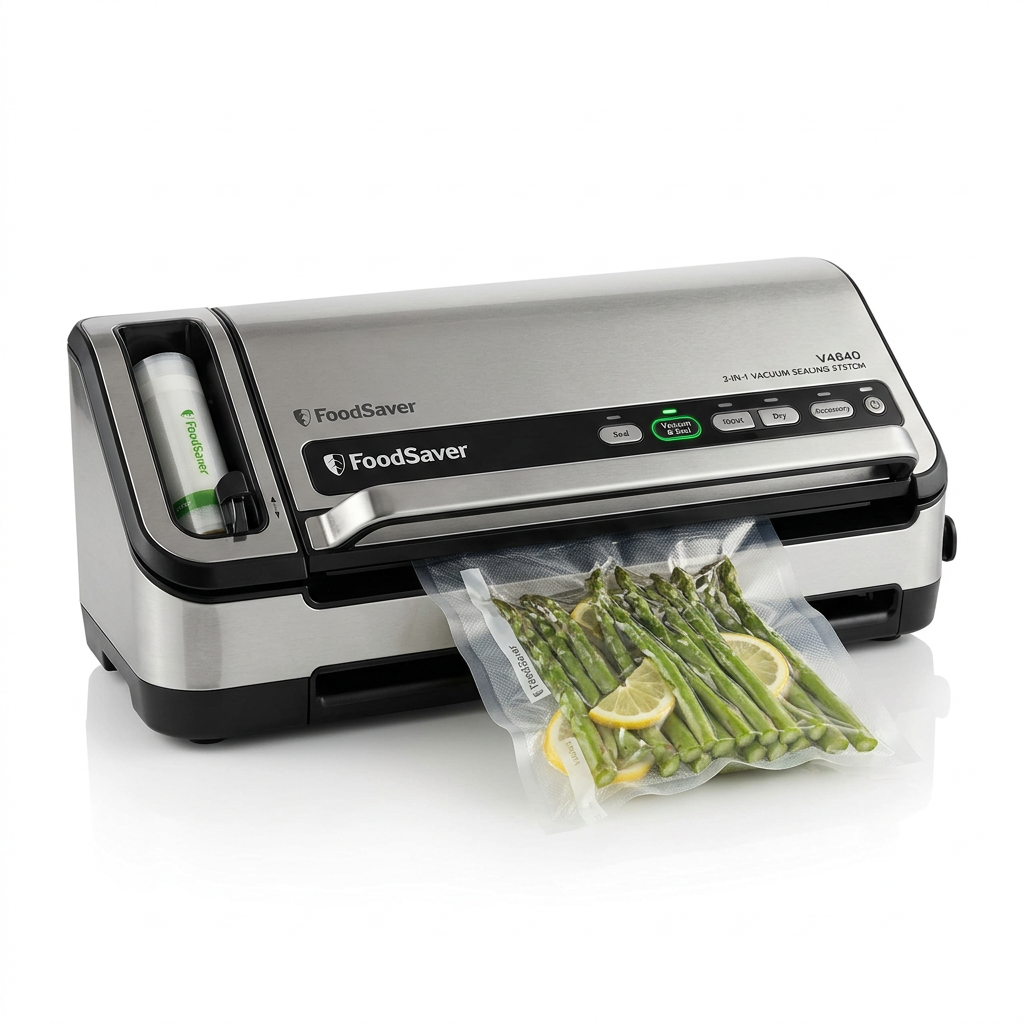
After the zucchini is dry, spread the pieces in a single layer on a parchment-lined baking sheet and place them in the freezer for one to two hours. This "flash-freezing" step prevents the pieces from clumping together into a solid block of ice. Once the pieces are individually frozen, transfer them into heavy-duty, airtight freezer bags. Squeeze as much air out of the bag as possible before sealing it—or use a vacuum sealer if you have one available. Properly blanched and frozen, your zucchini will maintain its quality for up to eight months.
Alternative Storage Methods for Short-Term Needs
If you plan to use your zucchini within three to four days, you do not necessarily need the refrigerator. Storing zucchini on the counter in a cool, dark, and well-ventilated spot is perfectly acceptable. In fact, many professional chefs prefer this method for immediate use because it keeps the flavor profile sharper and the texture crunchier than refrigeration, which can occasionally dull the taste. Just ensure the area is away from direct sunlight, which can heat the squash and cause it to dehydrate rapidly.
The Root Cellar Approach
If you live in a home with a cool pantry or a basement that maintains a steady temperature of around 50-55 degrees, you can store zucchini in a wooden crate or a woven basket. Line the container with straw or clean paper, and place the zucchini in a single layer. This mimics the conditions of a traditional root cellar. The air circulation provided by the basket is superior to plastic bins, and the darkness helps to stabilize the chemical processes inside the fruit. Check these squash regularly, just as you would with those in the refrigerator.
Culinary Tips for "Soft" Zucchini
Even with the best storage practices, some zucchini will eventually lose its peak firmness. Do not discard these! If your zucchini has lost its snap but is not yet slimy or moldy, it is still perfectly safe and delicious for cooked preparations. These slightly softer specimens are actually ideal for applications like zucchini bread, creamy soups, or slow-cooked ratatouille. The breakdown of the cell walls at this stage actually helps them integrate better into sauces, as they release their moisture more readily and soften into a silky texture that is difficult to achieve with fresh, firm squash.
Integrating Zucchini into Your Weekly Workflow
To manage your supply effectively, adopt a "first-in, first-out" inventory system. When you bring new groceries home, place the new zucchini at the back of the storage area and move the older ones to the front. This simple habit ensures that you are constantly cycling through your stock, reducing the chances of finding a neglected, forgotten squash at the bottom of your drawer months later. It is also helpful to label your containers with the date of purchase if you find yourself buying in bulk.
Strategic Meal Planning
Plan your week around the shelf life of your ingredients. If you buy a batch of beautiful, firm zucchini, prioritize dishes that showcase its crispness within the first three days, such as raw zucchini ribbons for a salad or a quick, high-heat stir-fry. Reserve the later part of the week for cooked dishes like roasted zucchini or vegetable gratins. By aligning your culinary schedule with the natural lifecycle of the vegetable, you minimize waste and maximize the flavor impact of your meals.
Professional Chef's "Emergency" Prep
If you find yourself with an abundance of zucchini that is nearing the end of its window, perform an "emergency prep." Grate the entire batch using a box grater, toss it with a teaspoon of salt, and let it sit in a colander for 20 minutes to draw out the excess liquid. Squeeze the shredded zucchini firmly in a cheesecloth or clean kitchen towel until it is dry. This "prepared" zucchini can be frozen in flat, portioned bags and is ready to be tossed into frittatas, pasta sauces, or fritters at a moment's notice.
"A kitchen that plans for the lifecycle of its produce is a kitchen that rarely experiences the sting of wasted food or the frustration of a ruined dinner."
Troubleshooting Common Storage Issues
Despite your best efforts, you may occasionally run into issues where your zucchini seems to be failing despite proper storage techniques. Understanding the signs of trouble is key to salvaging what you can. If you notice a white, powdery substance on the skin, it is likely mildew, which can often be wiped off if the flesh beneath is still firm. However, if the spot is soft, discolored, or smells acidic, the vegetable has reached the end of its life and should be discarded to protect the rest of your stock.
Identifying Internal Degradation
Sometimes, a zucchini may look pristine on the outside but show signs of internal decay. If you cut into a squash and the core appears hollow, brown, or watery, it was likely harvested too late or stored in conditions that were too cold. These are the "hidden failures" of the produce world. If you find this happens frequently with a specific supplier, it may be time to source your produce from a different location, as the issue may stem from how the product was handled during transport before it even reached your home.
The Role of Salt in Firmness
If you are cooking a zucchini that feels slightly less than firm, do not panic. Use the salt-extraction technique mentioned earlier. By drawing out the water before cooking, you are essentially concentrating the flavor and preventing the squash from turning into a soggy mess in the pan. This technique is a secret weapon in professional kitchens; it creates a more intense, nutty flavor profile that masks the fact that the zucchini was not freshly picked this morning. It effectively transforms a "storage-stressed" ingredient into a gourmet component.
Final Thoughts
The key to keeping zucchini firm is an understanding that this vegetable is a living entity that requires a controlled environment to maintain its best characteristics. By managing temperature, ensuring proper airflow, and utilizing strategic preservation techniques like blanching, you can effectively extend the life of your zucchini from a few days to several months. Do not let the season's bounty overwhelm your kitchen or your culinary capabilities; instead, view your storage process as an extension of your cooking process. When you treat your ingredients with the care they deserve, you unlock the ability to enjoy the taste of summer long after the garden has gone dormant.
The journey to culinary excellence is rarely about complex recipes or expensive equipment; it is found in the mastery of the basics. Learning how to store a single vegetable correctly is a skill that translates across your entire pantry, fostering a mindset of respect for your food and intentionality in your cooking. As you apply these techniques—from the strategic use of paper towels to the proper blanching of surplus harvest—you will find that your grocery waste decreases and your kitchen efficiency rises. May your refrigerator be orderly, your freezer be well-stocked, and your zucchini always remain perfectly firm and ready for the pan.
Remember that every piece of produce that enters your kitchen is a small investment in your meal's ultimate quality. By dedicating a few extra minutes to proper storage upon returning from the market, you are setting yourself up for success, ensuring that when you are ready to cook, you are working with ingredients that are at their peak. It is this attention to detail that elevates a home cook from a novice to a true artisan of the kitchen. Stay curious, keep your tools sharp, and continue to treat your harvest with the reverence it deserves. Happy cooking, and may your culinary creations always be met with the applause of those you feed.
Get the Next Recipe
Weekly recipes, techniques, and gear picks — straight to your inbox.
