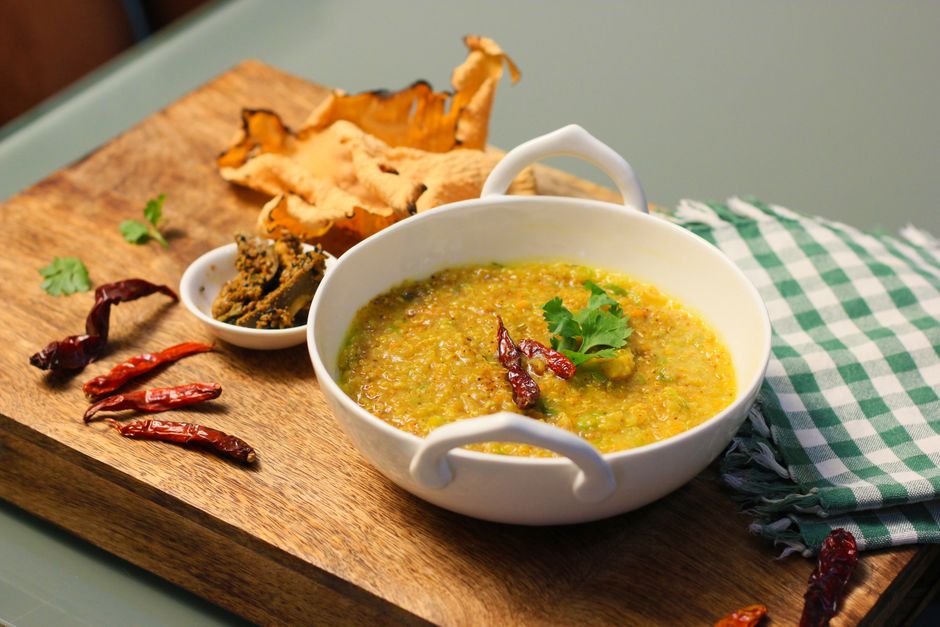
Indian Dal: A Complete Guide to Lentil Cookery
The rich and diverse world of Indian cooking is a treasure trove of flavors, aromas, and textures, yet at the heart of this culinary journey lies a humble ingredient: dal. Responsible for providing nourishment and comfort to millions, dal, or lentils, is an essential component of Indian cuisine, serving as both a staple and a canvas for spices and other ingredients. The beauty of dal cooking goes beyond mere sustenance; it offers a unique opportunity to explore regional variations and cooking techniques that have been passed down through generations. Whether you're a seasoned home cook or just starting, understanding the intricacies of dal preparation can transform your culinary skills and deepen your appreciation for the art of Indian cooking.
In Indian households, dal is more than just a dish; it is a tradition enveloped in rituals, family gatherings, and cultural significance. Each region boasts its own recipes and methods, ranging from the spicy and robust dals of North India to the more subtly flavored varieties from the South. This guide aims to demystify the preparation and cooking of various lentils, providing you with the knowledge to craft delicious, hearty meals that will impress family and friends alike. From choosing the right lentils to perfecting the tempering process, each step is an invitation to engage with this integral element of Indian cuisine.
As you embark on your journey to master dal cookery, you will discover the nuances of different lentil varieties, the importance of spices, and how to achieve the perfect texture. The beautiful dance between lentils, spices, and cooking techniques holds the promise of nourishing not just the body, but also the soul. So, grab your apron and let’s delve into the complete guide to Indian dal that promises to elevate your culinary expertise and satisfy your cravings for authentic Indian flavors.
Understanding Dal: Types and Varieties
What is Dal?
Dal is a term used in India to refer to lentils, pulses, and legumes. It not only describes the ingredient itself but also the dishes created with these legumes. The cooking process transforms these humble legumes into flavorful dishes that are enjoyed across the subcontinent. Lentils are high in protein, fiber, and nutrients, making them an essential component of a balanced diet, especially for vegetarians.
There are many types of lentils commonly used in Indian dal. Each has its characteristics, nutritional profile, and culinary uses. Here are some of the most popular ones:
Understanding these differences is crucial for selecting the right dal type for your dish. Each dal not only has its distinct taste and texture but also absorbs flavors differently. Therefore, knowing which lentil to use can dictate the success of your preparation.
Nutritional Benefits of Dal
Lentils are a powerhouse of nutrition. They are an excellent source of plant-based protein, providing essential amino acids that are crucial for muscle repair and growth. Other notable benefits of legumes include:
Incorporating dal into your diet is not just a way to enjoy delicious meals; it also supports a healthy lifestyle. It serves as a versatile ingredient that can be adapted into various dietary regimes, including vegan and vegetarian diets.
Cooking Techniques for Preparing Dal
Soaking and Rinsing Lentils
Before you cook lentils, it is essential to properly prepare them. Rinsing and soaking not only removes impurities but also shortens the cooking time.
Cooking on the Stove
Cooking lentils on the stovetop is the most traditional method. To achieve the best texture and flavor, follow these steps:
"The key to perfect dal lies not just in the choice of lentils but also in mastering the cooking technique."
Pressure Cooking for Efficiency
Using a pressure cooker can significantly reduce cooking time while enhancing flavor. Here’s how to do it:
Using an Instant Pot
An Instant Pot is a modern and efficient way to cook dal, offering precise control over cooking times and temperatures.
Dal Recipes from Various Indian Regions
North Indian Dal Makhani
Dal Makhani is a quintessential North Indian dish known for its creamy texture and rich flavor. This luxurious preparation uses urad dal and is finished with a tempering of butter, cream, and spices.
- 1 cup urad dal
- 1/4 cup rajma (red kidney beans)
- 4 cups water
- 1 large onion, finely chopped
- 2 tomatoes, pureed
- 2-3 green chilies, slit
- 1 inch ginger, grated
- 1/2 cup cream
- 2 tbsp butter
- 1 tsp garam masala
- Salt to taste
- Soak urad dal and rajma overnight. Rinse thoroughly.
- Cook the dals in a pressure cooker with water for 30 minutes or until soft.
- In a pan, heat butter, sauté onions until golden, add ginger, green chilies, and tomato puree. Cook until the mixture thickens.
- Add the boiled dal, garam masala, and salt. Let it simmer for 15-20 minutes.
- Stir in cream before serving, garnishing with fresh coriander.
South Indian Sambar
Sambar is a delicious stew made with toor dal and a range of vegetables, seasoned with a unique blend of spices.
- 1 cup toor dal
- 2 cups mixed vegetables (carrots, beans, eggplant)
- 1 medium onion, chopped
- 2 tomatoes, diced
- 2-3 green chilies
- 2 tbsp sambar powder
- 1/2 tsp turmeric powder
- Salt to taste
- A handful of fresh coriander leaves for garnish
- Cook toor dal in water until soft, around 20-25 minutes.
- In a separate pot, boil vegetables with salt, turmeric, and green chilies until tender.
- Combine the cooked dal and vegetables. Add sambar powder and simmer for 10 minutes.
- Garnish with coriander leaves before serving. Sambar is traditionally enjoyed with rice or dosa.
"Each region of India brings its own unique perspective to dal, reflecting the local culture and preferences."
Gujarati Dal
Gujarati dal is known for its sweet and tangy flavor profile, often enhanced with jaggery and tamarind.
- 1 cup split pigeon peas (toor dal)
- 1/4 cup jaggery or brown sugar
- 1 tbsp tamarind paste
- 1/2 tsp turmeric powder
- 2 green chilies
- 1 tsp mustard seeds
- A handful of curry leaves
- Salt to taste
- Cook the dal until tender and mushy, approximately 20-25 minutes in a pressure cooker.
- In a pan, heat oil, splutter mustard seeds, and add curry leaves. Pour this over the cooked dal along with jaggery, tamarind paste, turmeric, and salt.
- Bring to a simmer for 5-10 minutes for flavors to meld.
Spices and Tempering: The Soul of Dal
Essential Spices for Dal
The spices used in dal elevate simple preparations into fragrant masterpieces. Here are some essential spices that are commonly used:
The Art of Tempering (Tadka)
The process of tempering is key in infusing flavors into dal. It involves frying spices in oil or ghee until aromatic, then adding this mix to the cooked lentils. Here’s how to do it:
"A well-executed tadka can elevate your dal from ordinary to extraordinary with just simple techniques."
Creative Ways to Serve and Pair Dal
Classic Pairings
Dal is traditionally served with various accompaniments that complement its flavors. Common pairings include:
Preparing a Thali
A thali is a traditional Indian platter that showcases various dishes, including different dals, vegetables, rice, bread, and desserts. Here’s how to prepare a simple dal thali at home:
Tips for Perfecting Dal
Final Thoughts
Mastering the art of dal cookery is a rewarding endeavor that opens up a world of flavors and textures. The versatility of lentils allows you to create dishes that cater to various tastes and dietary preferences. From the creamy richness of dal makhani to the fresh brightness of gujarati dal, each preparation tells a story steeped in tradition and culture.
Embrace the myriad benefits of lentils, both from a nutritional standpoint and in flavor complexity. With the techniques, recipes, and tips provided in this guide, you are now equipped to bring the comforting presence of dal to your kitchen. Whether shared with loved ones or savored solo, each bowl of dal serves not only as a meal but also as a vessel of warmth and connection. Go forth and let your culinary creativity unfold, confident that understanding the basics of dal cookery will elevate your dishes to new heights.
With practice and exploration, you will uncover the subtle nuances and possibilities that dal can offer, making it a staple in your culinary repertoire. Happy cooking!


Get the Next Recipe
Weekly recipes, techniques, and gear picks — straight to your inbox.
