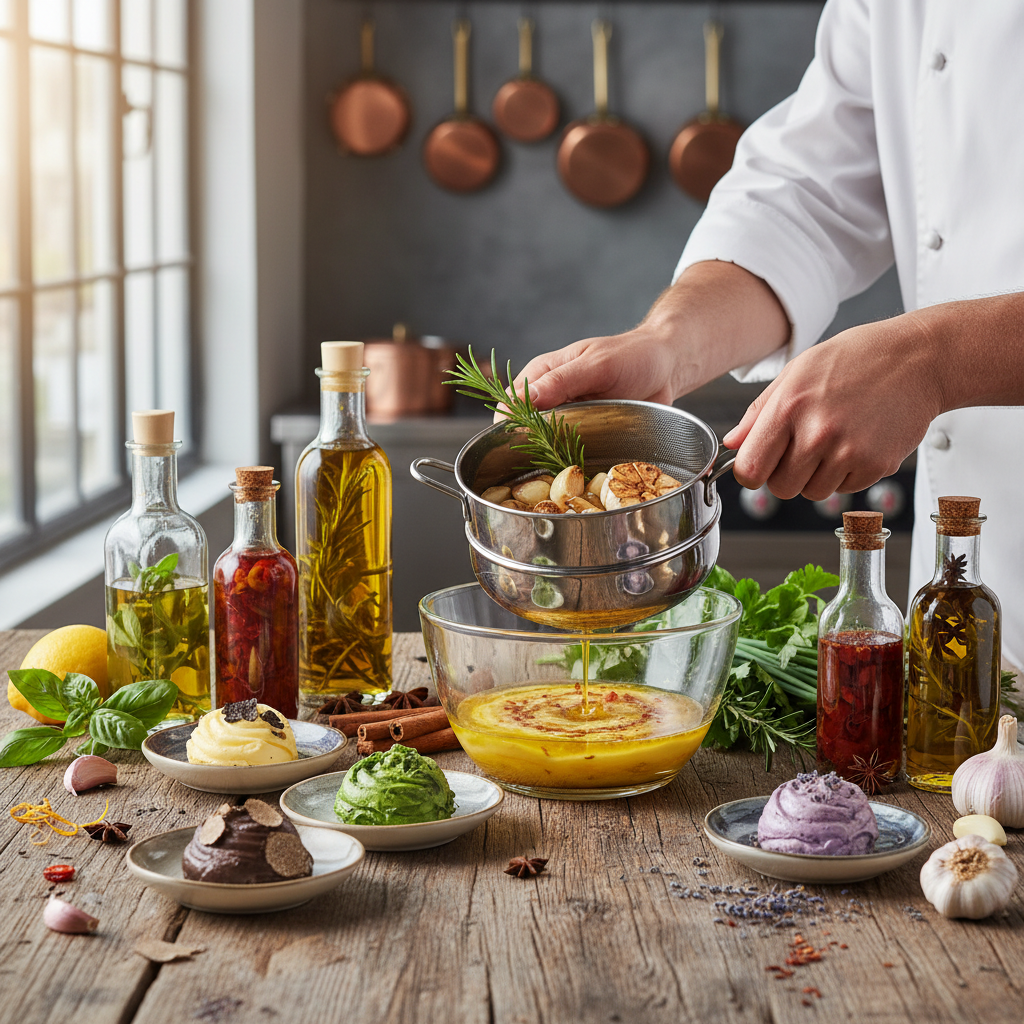
Infused Oils and Butters: Extracting Flavor
Infused oils and butters are a culinary delight that brings an extraordinary depth of flavor to everyday dishes. These flavorful enhancements are not just for gourmet chefs; they can effortlessly elevate your home cooking, transforming simple ingredients into something spectacular with minimal effort. Whether you use them for sautéing vegetables, drizzling over grilled meats, or adding a final touch to pasta, a well-made infused oil or butter can make a significant difference in your culinary creations.
Understanding the process of infusion and how to choose the right ingredients can unlock an entire world of flavor. The approach combines heat, time, and the right amount of aromatic elements to draw out the essential oils and flavors from herbs, spices, and even fruits. By following the principles behind these techniques, you can replicate restaurant-quality flavors right in your kitchen.
The best part? Infused oils and butters are incredibly versatile. You can customize them to fit your personal preferences, seasonal ingredients, or specific recipes. From classic herb-infused olive oils to rich, aromatic compound butters, the possibilities are nearly endless. Let’s dive into the techniques of infusion, explore various recipes, and discover how you can harness these flavor powerhouses in your home cooking.
Understanding Infusion
What is Infusion?
At its core, infusion is the process of extracting flavors from one ingredient and combining them with another. This is achieved by allowing the base ingredient, usually a fat like oil or butter, to steep with flavor components, often herbs, spices, or even fruits. The process enhances the existing flavor profile of an ingredient, introducing new complexities that can transform a dish.
One of the most celebrated aspects of infusion is that it utilizes the natural oils from the ingredients. For instance, when you infuse olive oil with garlic, the oil absorbs the pungent notes, creating a fantastic base for sauces, dressings, or marinades. Similarly, using butter as a base medium allows for a rich, creamy foundation that can take on the flavors of various herbs and spices.
The beauty of infused oils and butters lies in their adaptability. You can create a range of flavors that can complement different cuisines, from Italian and Mediterranean to Asian and Mexican. The health benefits of using infused oils—such as the heart-healthy properties of olive oil—are an attractive bonus that comes along with enhancing your dishes.
Types of Flavored Fats
Infused oils and butters primarily fall into a few categories based on the primary ingredient. While olive oil is perhaps the most commonly used oil for infusion, other oils, such as canola, avocado, and sesame, can be excellent choices depending on your desired flavor profile. Each type brings a unique character to the infused oils which can play a vital role in how they are used in your cooking.
Similarly, when it comes to butters, you can enhance their flavors by mixing in various herbs and spices. Compound butters can be flavored with:
Understanding the different types of infused fats and their applications is a crucial step toward mastering your flavor infusions.
Choosing Ingredients
Fresh vs. Dried
An essential consideration in infusion is whether to use fresh or dried ingredients. Fresh herbs are often more fragrant and vibrant, while dried herbs typically have a concentrated flavor profile. Both can be used successfully, but they serve different purposes, depending on the infusion technique.
Aromatics to Consider
The selection of aromatics is paramount to the success of your infused oils and butters. Here are some popular options to consider:
Combining these aromatics effectively can lead to unique flavor profiles that suit your culinary preferences or specific recipes.
Seasonality and Freshness
Incorporating seasonal ingredients in your infusions can make a remarkable difference, both in flavor and color. For example, fresh basil or tomatoes are at their peak during summer, allowing you to create vibrant, aromatic oils that capture the essence of the season.
Additionally, the freshness of the ingredients is crucial; aim for high-quality, fresh herbs to maximize the flavors and aromas in your infusions. If you are using dried spices or herbs, ensure that they have not lost their potency and flavor over time.
The Infusion Process
Techniques for Infusing Oils
Two common methods for infusing oils are the cold infusion and hot infusion techniques. Each method has its advantages and can be selected based on your available time and desired flavor intensity.
#### Cold Infusion
In cold infusion, fresh herbs, spices, or aromatics are submerged in oil for an extended period, usually between 5 days to 2 weeks. This method retains the freshness of the ingredients and produces vibrant flavors.
Steps for Cold Infusion:
#### Hot Infusion
Hot infusion accelerates the process, allowing you to extract flavors much quicker. This method is generally done on the stove and is especially good for extracting flavors from harder spices, like peppercorns.
Steps for Hot Infusion:
"Personalizing your oils and butters is about enhancing your cooking experience— taking simple dishes to a new height with flavors that speak to your palate."
Infusing Butters
Infusing butters is a lovely technique that imbues the creamy goodness of butter with rich flavors. Consider using the hot infusion method for butters as well but with a few adaptations.
Steps for Butter Infusion:
Using Infused Oils and Butters
Cooking Applications
Once you've created your infused oils and butters, the next question is how to use them effectively in your cooking arsenal. Their applications are vast—here are just a few ideas to inspire you:
"Once you master the basics of infused oils and butters, the flavor combinations and applications are limited only by your imagination."
Flavor Pairings
Creating infused oils and butters gives you the chance to experiment with flavor pairings that work well together. Here’s a guide to some combinations that marry beautifully:
Storing Infused Oils and Butters
Proper storage is essential to maintain the flavor and freshness of your infused oils and butters. Here are some tips:
Advanced Infusion Techniques
Creating Complex Flavors
For those looking to experiment further, consider combining multiple infusion techniques or using more elaborate methods, such as vacuum infusion or sous-vide.
#### Vacuum Infusion
Vacuum infusion accelerates the infusion process significantly, extracting flavors without using heat, thus preserving the delicacy of the herbs and oils. This method typically requires specialized equipment, but the results can be profound.
#### Sous-Vide Infusion
Using a sous-vide machine provides temperature control that can enhance your infusion technique.
Pairing with Other Culinary Techniques
Infused oils and butters can complement other culinary techniques, such as confiting or pickling, to create remarkable flavor profiles. For instance, confited garlic or herbs can then be used in infused butter, linking flavors across multiple techniques seamlessly.
Conclusion
Infused oils and butters open a gateway for home cooks to explore and enhance their culinary repertoire through simple, yet impactful techniques. With a bit of creativity and experimentation, you can capture flavors that resonate deeply on your palate, thereby transforming the base of your dishes into something truly exceptional.
By understanding the ingredients, mastering the infusion techniques, learning to store, and exploring further methods, you can become adept at creating your own signature flavors. Share your creations with family and friends, and take pride in the knowledge that your cooking embodies enhanced flavors that speak to your unique style.
Embrace the art of infusion, and let your kitchen become a place of flavor exploration and culinary adventure. As you dive into the world of infused oils and butters, remember that flavor extraction is as much about the journey as it is about the destination—so cook with passion and enjoy the delicious results!


Get the Next Recipe
Weekly recipes, techniques, and gear picks — straight to your inbox.
