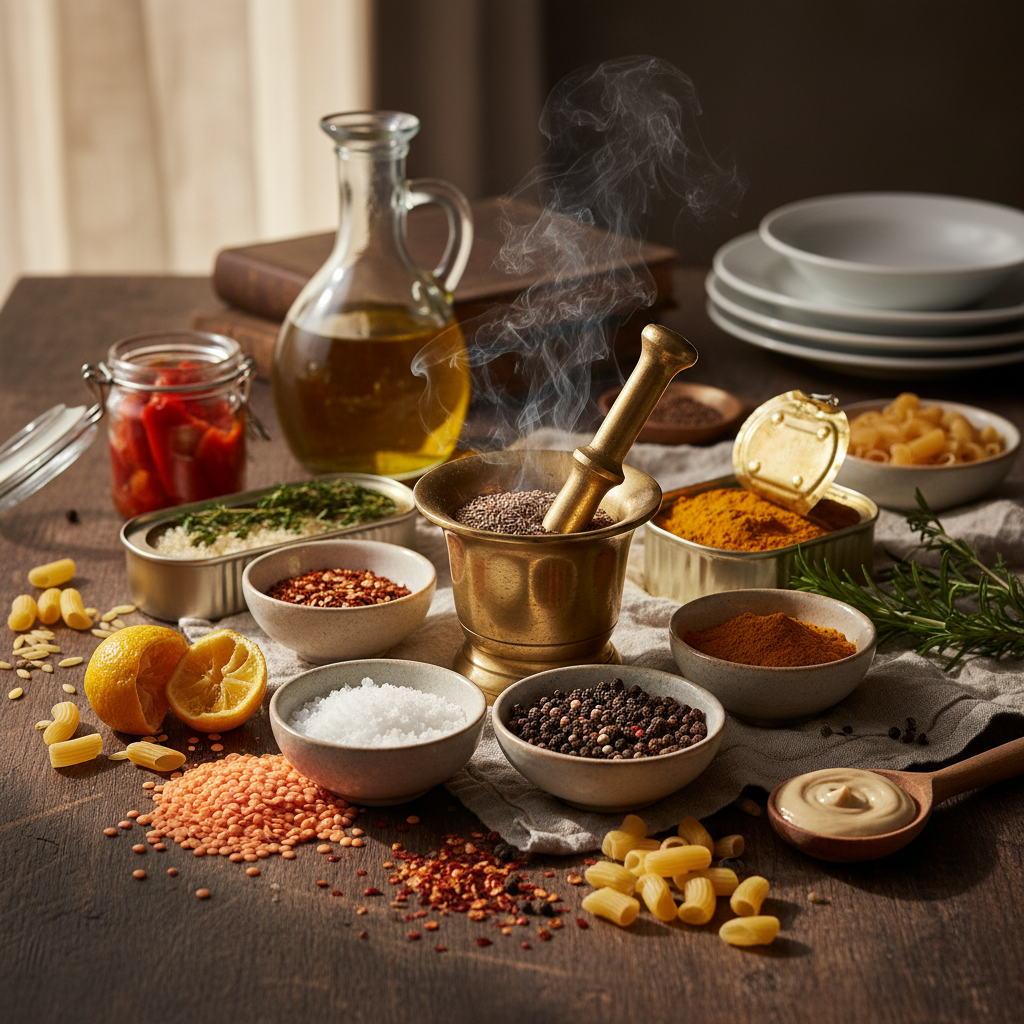
Ingredient Alchemy: Transforming Common Pantry Staples into Culinary Gold
In the heart of every home kitchen lies an array of common pantry staples that often go underappreciated. Spices, grains, and preserved foods quietly wait for their moment to shine, yearning for the creativity of a cook who understands the power they behold. The art of culinary transformation begins with these simple ingredients, with the ability to turn everyday dishes into gourmet experiences with a sprinkle of know-how and a pinch of imagination. It is in this alchemy of flavors where we discover the beauty of cooking and the joy of creating something extraordinary from the ordinary.
As you step into your kitchen, consider this a sacred laboratory where you can experiment with textures, tastes, and aromas. Learning to recognize the potential in humble ingredients can elevate your home cooking from mundane to magnificent. Whether you are whipping up a weeknight dinner or preparing for a special occasion, understanding how to manipulate flavor profiles and ingredient pairings will help you unlock a world of culinary possibilities. Techniques such as caramelization, fermentation, and seasoning can be layered upon these staples, transforming them into something that delights the palate and warms the heart.
The journey toward ingredient alchemy involves more than just following recipes; it's about understanding the fundamentals of flavors, enhancing their natural characteristics, and breathing new life into your dishes. In this post, we'll explore how to take common pantry staples—grains, legumes, oils, and spices—and elevate them into recipes that are worthy of any table. So grab your favorite apron, gather your tools, and let’s embark on this flavorful adventure together.
The Power of Grains
Grains are the backbone of countless cuisines around the world, beloved for their versatility and heartiness. Staples such as rice, quinoa, barley, and couscous not only provide sustenance but also serve as a canvas for creativity in the culinary realm. Understanding how to enhance grains is integral to becoming a more proficient home cook.
Cooking Techniques: Fluff and Flavor
The first step in harnessing the potential of grains is mastering the cooking techniques that will make them shine. The basic rule for most grains is to follow a 2:1 ratio of water to grain, but there are some nuances involved. For instance:
To truly bring out the flavors, consider toasting your grains dry in the pan for a few minutes before boiling them; this adds a nutty, aromatic quality that can deepen the overall dish.
"In the realm of grains, simplicity is your ally. A little salt and fat can transform a basic ingredient into an unforgettable side dish."
Flavor Infusions and Mix-ins
Once you've mastered the cooking basics, it’s time to lightly manipulate the flavors of your grains. Infusing your cooking water with flavors enhances your dish remarkably. Here are some options:
For a quick Mediterranean Quinoa Salad, cook quinoa in vegetable broth instead of water, allowing for more depth. Once cooked and fluffed, add a mélange of diced cucumbers, cherry tomatoes, parsley, crumbled feta, and a squeeze of lemon juice for a refreshingly vibrant dish.
Creative Grain-Based Dishes
Now that you understand the fundamental techniques, let's explore some creative ways to use grains in your cooking.
With creativity at your side, grains can be more than a side—they can be the star player on your dinner plate.
Mastering Legumes
Legumes are a rich source of protein and are incredibly versatile in flavor absorption, making them an ideal candidate for our ingredient alchemy exploration. Beans, lentils, and chickpeas can create nourishing meals while adding a dimension of flavor and texture that enhances your regular recipes.
Soaking and Cooking Techniques
While some legumes only require cooking, others benefit from soaking. Here’s a quick guide:
When cooking legumes, adding flavor boosts their natural characteristics. Techniques include simmering with spices, garlic, onions, and bay leaves for an extra kick.
"Legumes are like sponges for flavor. Marinating them or cooking them with aromatic ingredients elevates their essence in astounding ways."
Flavor-Enhancing Techniques
To infuse your legumes with robust flavors, consider these techniques:
Innovative Legume Recipes
To fully embrace legume diversity, here are some inventive ways you can enchant your meals:
Whether as a main or a side, legumes can elevate your dining experience, turning a simple meal into a nourishing feast.
Oils: The Flavor Catalysts
In culinary alchemy, oils serve as essential flavor carriers, transforming the ingredients they touch. Each oil possesses a distinctive flavor profile that can significantly affect the overall taste of your dish. Learning how to choose and use oils effectively is crucial for any aspiring cook.
Choosing the Right Oil
Selecting the correct oil based on cooking method and desired flavor is key. Here's a quick breakdown:
Techniques for Infusing and Flavoring Oils
Creating flavored oils can elevate your dishes. Here are some ideas to inspire you:
"Good oils are like good wines; they can transform a simple meal into an exquisite dining experience."
Culinary Uses for Oils
Different oils lend themselves to a plethora of culinary techniques. Consider these options:
Oils are more than just calories; they encapsulate flavor, essence, and depth in each dish they graciously touch.
Spices: The Flavor Wizards
No discussion of ingredient alchemy would be complete without an exploration of spices. These powerful flavor enhancers can take a dish from bland to breathtaking with just the right dash. Each spice contributes its unique personality and helps build complex flavor profiles that are essential in home cooking.
Understanding Spice Profiles
When it comes to spices, understanding their basic flavor profiles can help you mix and match effectively. Consider these profiles:
Cultivating a rich spice cabinet allows you to explore and experiment with your dishes, grabbing inspiration from various cuisines around the globe.
Techniques for Utilizing Spices
To maximize the potential of spices, consider these techniques:
"A well-stocked spice cabinet is like a treasure chest for culinary exploration—each jar holding the promise of an exciting adventure."
Creating Flavorful Dishes with Spices
Now, let’s look at transformative recipes that highlight the essence of spices in cooking:
These tiny ingredients have the power to transform any meal, creating a tapestry of flavors that celebrate global culinary traditions.
Pickling and Fermenting
Pickling and fermenting are stellar culinary techniques that allow you to elevate pantry staples, adding bright flavors and exciting textures. These methods create complex flavors and aid digestion, enhancing the overall culinary experience.
The Art of Pickling
Pickling is a straightforward process that utilizes vinegar or brine to preserve and flavor vegetables. Here’s how to create your own pickles:
Pickles can often be enjoyed within 24 hours but become deeper in flavor if left for a week.
The Fermentation Process
Fermentation not only preserves food but enriches it with beneficial probiotics.
Fermented vegetables can add depth and tang to dishes and promote gut health.
"Both pickling and fermenting allow you to savor the magic of time and transformation—layers of flavor and health benefits waiting in your pantry."
Creative Ways to Use Pickled and Fermented Ingredients
Incorporating pickles or fermented foods into your meals can turn the mundane into a culinary masterpiece:
Every bite carries a story and tradition, making each meal richer.
Final Thoughts
Ingredient alchemy is an empowering aspect of home cooking, allowing us to discover the magic hidden within humble staples. By understanding the fundamentals of grains, legumes, oils, spices, and sustainable practices like pickling and fermenting, you can elevate your culinary repertoire. It’s about celebrating creativity while respecting the ingredients themselves.
Next time you step into your kitchen, look at your pantry with fresh eyes. What do you have stashed away waiting for a chance to shine? With these tips, techniques, and recipes up your sleeve, embark on your culinary journey to create beautifully crafted meals that showcase the bounty of your pantry. Embrace the alchemy; experiment fearlessly, and allow your cooking to flourish into something extraordinary!


Get the Next Recipe
Weekly recipes, techniques, and gear picks — straight to your inbox.
