Italian Coastal Cuisine: Recipes and Stories from the Mediterranean
Italian coastal cuisine embodies the vibrancy and freshness of the Mediterranean landscape, evoking images of sun-drenched shores, fragrant lemon groves, and bustling fish markets. From the rocky cliffs of the Amalfi Coast to the tranquil beaches of Sardinia, each region showcases its local bounty, emphasizing the importance of high-quality ingredients and traditional preparation methods. Home cooks looking to immerse themselves in this culinary world will find not only rich flavors but also a tapestry of stories, culture, and history woven into every dish.
At the heart of these coastal recipes is the concept of simplicity. Italian chefs often emphasize cooking techniques that elevate fresh ingredients without overwhelming them with complicated flavors or excessive garnishes. Whether you're dousing your pasta with a light olive oil sauce or grilling freshly caught fish with just a sprinkle of sea salt, the goal is to highlight the natural taste of the ingredients. This approach invites novices and seasoned cooks alike to experiment and gain confidence in their culinary crafts while embracing the heart and soul of Italian coastal dining.
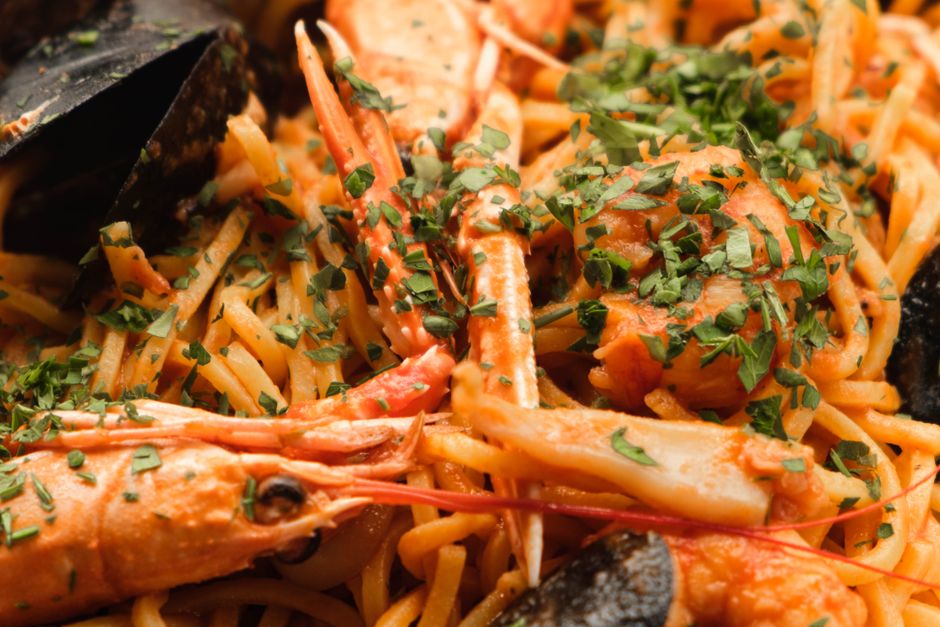
As we delve deeper into this vibrant cuisine, we'll explore various iconic dishes, from zesty seafood pasta and succulent grilled fish to refreshing summer salads. Additionally, you’ll uncover tips on selecting the freshest produce, perfecting essential cooking techniques, and mastering the art of flavor pairing. Each recipe will not only guide you through the steps but also offer insights into the origins and cultural significance of the meal, making your cooking experience richer and more connected to the culinary traditions of Italy.
The Influence of Geography in Italian Coastal Cuisine
Italian coastal cuisine is heavily influenced by its diverse geography, where the land meets the Mediterranean Sea. Different regions showcase distinct flavors and cooking methods dictated by their unique environments. For instance, the Liguria region, known for its lush hills and coastline, produces an abundance of fresh herbs, vibrant vegetables, and fragrant olive oils. Its world-famous pesto alla genovese reflects this harmony of flavor and freshness.
The Role of Seafood
Seafood plays a pivotal role in Italian coastal cuisine, with fresh catches from the Mediterranean defining many signature dishes. Fishermen usually bring their daily harvest to local markets, and these fresh ingredients directly impact the quality of the dishes prepared in the homes and restaurants lining the shore. As you explore coastal recipes, keep in mind that the day’s catch—such as sardines, anchovies, or sea bass—should be the star of the meal.
"The best seafood dishes are a gentle reminder that less is often more in coastal cuisine."
Selecting the right seafood requires knowledge of the seasons. Different fish have peak times for freshness, and local markets often showcase daily specials based on availability. When shopping for seafood, consider the following tips:
Essential Techniques for Coastal Cooking
Mastering a few essential techniques can greatly enhance your Italian coastal cooking and make preparation smoother. Understanding how to properly handle seafood, cook pasta, and season your dishes can elevate even the simplest meals into something extraordinary.
Handling Seafood
When working with seafood, the most important technique is ensuring proper preparation. Here are a few fundamental steps to follow:
Cooking Pasta to Perfection
In coastal Italian cuisine, pasta often serves as the base for light sauces that highlight the flavors of the sea. Here’s how to ensure your pasta turns out flawlessly:
Iconic Dishes from the Italian Coast
Exploring iconic dishes gives insight into how to combine essential techniques and regional ingredients to create memorable meals. Each dish tells a story and captures the essence of its region, allowing you to travel through flavors right from your kitchen.
Spaghetti alle Vongole (Spaghetti with Clams)
This dish is a classic representation of coastal Italian cooking, allowing the sweetness of clams to shine through. Traditionally from Naples, spaghetti alle vongole utilizes both red and white variations, depending on whether tomatoes are included.
Ingredients:
Instructions:
Limoncello Shrimp Pasta
Reflective of the Amalfi Coast’s lemon groves, this dish highlights the vibrant flavors of citrus alongside succulent shrimp. The sauce is bright yet delicately sweet, creating a delightful balance.
Ingredients:
Instructions:
Caprese Pasta Salad
This refreshing dish highlights the essence of summer and is perfect for outdoor gatherings or as a side. The juicy tomatoes, fresh mozzarella, and basil combine to create a burst of flavors that are synonymous with Italian coastal cuisine.
Ingredients:
Instructions:
The Influence of Local Ingredients
Italian coastal cuisine celebrates local ingredients, often sourced from farmers' markets, making it incredibly seasonal. By utilizing local produce in your dishes, you not only enhance flavor but also support your local economy and practice sustainability.
Emphasis on Freshness
Freshness is a cornerstone in coastal cooking. Here are some local Italian ingredients that feature prominently:
Seasonal Dishes
When planning your coastal meals, consider the seasons. Here’s a brief guide to seasonal Italian coastal ingredients:
Mastering Flavor Pairing
In Italian coastal cuisine, the partnership between flavors is essential. Pairing complementary ingredients not only enhances the dish but also elevates your skill as a cook.
Key Flavor Principles
Ensure your dishes create a harmonious balance by considering the following principles:
Experimenting with Combinations
To enhance your understanding of flavor pairing, consider these combinations:
Final Thoughts
Italian coastal cuisine is a celebration of flavor, freshness, and simplicity. By focusing on local ingredients, mastering essential techniques, and understanding the stories behind each dish, home cooks can create authentic and delicious meals right from their kitchens. Whether you're whipping up a seafood pasta dish for a cozy family dinner or hosting a summer barbecue with a refreshing caprese salad, Italian coastal dishes always resonate with warmth and joy.
As you uncover the stories behind these recipes, remember that cooking is an art where experimenting and practicing your skills is key. Share meals with loved ones, create new dishes inspired by coastal Italy, and always be open to learning from the rich tapestry of flavors that this cuisine has to offer. Embrace the journey of culinary exploration, and, perhaps most importantly, don’t forget to have fun!
The essence of Italian coastal cuisine lies in its bounty, with each dish deepening your connection to the culture, landscape, and people of Italy. Bon Appétit!


Get the Next Recipe
Weekly recipes, techniques, and gear picks — straight to your inbox.
