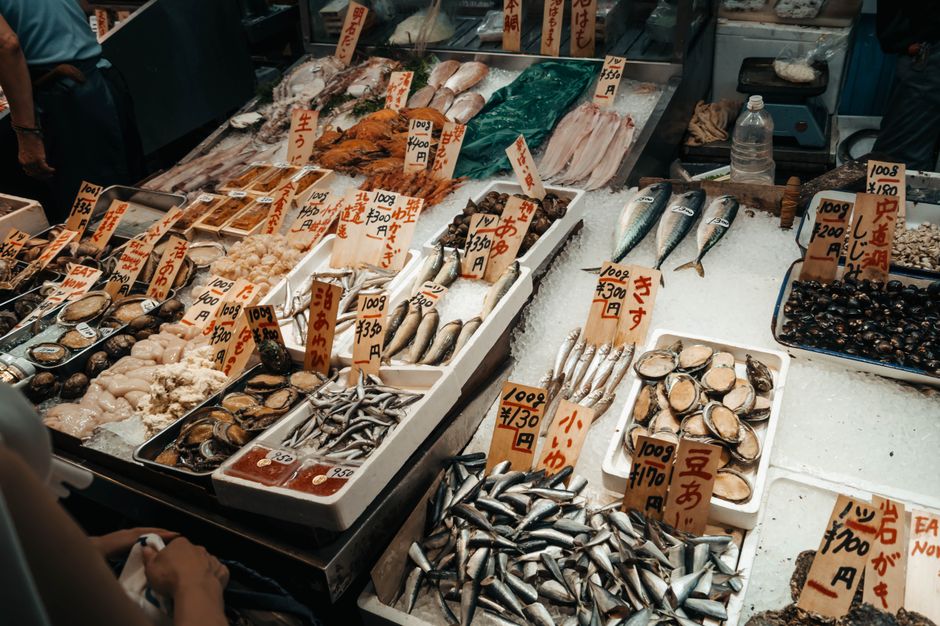
Japanese Culinary Traditions: From Kaiseki to Ramen - A Journey
Japanese cuisine is a harmonious blend of art, tradition, and rich flavors, deeply rooted in the country's history and culture. Aspects of the culinary craft reflect the seasons, regional ingredients, and an unyielding commitment to presentation, making every dining experience a feast for the senses. From the delicate elegance of traditional kaiseki to the hearty comfort of ramen, the culinary landscape of Japan is diverse and complex, featuring a myriad of dishes that cater to every palate.
The beauty of Japanese culinary traditions lies in their ability to elevate simple ingredients through meticulous preparation and thoughtful presentation. Each meal tells a story, often representing the season or a particular festival. Cooking techniques are passed down through generations, preserving the essence of flavors while also allowing for innovative adaptations. For the home cook seeking to understand and replicate these traditions, it is essential to grasp both foundational techniques and the philosophy that drives Japanese cooking.
In this journey through Japanese culinary traditions, we will explore various dishes, techniques, and the unique elements that define this remarkable cuisine. By delving into methods and recipes, we will not only celebrate the heritage but also inspire home cooks to bring these time-honored practices into their kitchens.
The Culture and Philosophy of Japanese Cuisine
Harmony with Nature
Central to Japanese culinary traditions is the principle of food harmony, where the flavors, colors, and textures of the ingredients work together to create a balanced dish. This concept is influenced by Shinto beliefs and the respect for nature, leading cooks to prioritize fresh, seasonal ingredients that reflect the changing environment.
In Japan, food is seen as a reflection of kokoro, or heart, meaning that preparation and presentation are done with intention and care. Dishes are crafted to respect not only the ingredients but also the aesthetic appeal, aligning with the idea of wabi-sabi, which appreciates beauty in imperfection. This philosophy leads to meals that are not just nutritious but also emotionally and visually fulfilling.
The Art of Presentation
Presentation in Japanese cuisine is an art form in itself. Meals are often served in a way that highlights the natural beauty of the food, utilizing varying heights, colors, and plates that reflect the seasons. The placement of ingredients, the choice of dishes, and garnishing showcase a meticulous attention to detail.
Techniques and Tools
Effective execution of Japanese cooking requires familiarity with specific techniques and tools. From knife skills to the proper use of equipment like bamboo steamers and donabe (clay pots), these aspects are crucial for achieving the authentic flavors characteristic of Japanese food.
- Sukiyaki and shabu-shabu involve thinly slicing meat to quickly cook it in broths.
- Sushi rolling requires the right amount of pressure and technique to ensure that rice and fillings remain intact.
Additionally, sharpening your knives regularly is vital. A well-sharpened hocho (Japanese knife) makes precise cuts easy, preserving the integrity of vegetables and fish.
Kaiseki: The Pinnacle of Japanese Dining
Understanding Kaiseki
Kaiseki is a traditional multi-course Japanese dinner that embodies the principles of Japanese cuisine. Originating from the chanoyu (tea ceremony), it has evolved into a sophisticated dining experience that reflects seasonal ingredients and artistic presentation. Each dish in a kaiseki meal tells a story, often incorporating varying textures and flavors to create a balanced palate.
- Sakizuke: An appetizer highlighting seasonal ingredients.
- Mukōzuke: A sashimi course, showcasing raw fish in a way that celebrates the ocean’s bounty.
- Nimono: A simmered dish, often featuring vegetables slowly cooked in a seasoned broth to enhance their natural flavors.
Preparing Your Own Kaiseki Experience
Creating your own kaiseki experience at home is an ambitious yet rewarding endeavor. The key is planning each course to flow seamlessly while showcasing seasonal ingredients and techniques. Here are some tips to emulate the kaiseki experience:
Sample Kaiseki Menu
Here's a simple kaiseki-inspired menu you can try at home:
- Ingredients: eggs, dashi (broth), mushrooms, kamaboko (fish cake)
- Method: Steam for about 12 minutes at 80°C (176°F).
- Ingredients: fresh tuna, salmon, and yellowtail
- Method: Slice fish at a 45-degree angle for the best presentation and texture.
- Ingredients: carrots, lotus root, taro, konnyaku
- Method: Cook in a seasoned dashi broth for about 30 minutes until tender.
- Ingredients: black cod, miso, sake, mirin
- Method: Marinate for 24 hours and grill until lightly charred, about 8-10 minutes.
- Ingredients: glutinous rice, red beans, sugar
- Method: Steam rice, mash, and fill with sweetened anko.
Ramen: The Comfort Food of Japan
The Rise of Ramen Culture
In contrast to the refined intricacies of kaiseki, ramen is a dish that embodies comfort and warmth, rapidly gaining global popularity for its ability to unite diverse flavors in a single bowl. Originating from Chinese wheat noodle soup, ramen has evolved into a uniquely Japanese phenomenon, with countless regional variations featuring different broths and toppings.
Japan's love for ramen is reflected in its entire subculture dedicated to the dish, from ramen shops that specialize in specific styles to ramen festivals that celebrate its diverse flavors. There's a story behind every bowl, whether it be tonkotsu (pork bone) broth from Fukuoka or the shoyu (soy sauce) ramen from Tokyo.
Components of Ramen
To fully understand ramen, one must explore its integral components: the broth, noodles, and toppings. Crafting a delicious bowl of ramen requires attention to each of these elements, as they harmonize to create the ultimate dish.
#### Broth
The broth is the heart of ramen, and different styles have distinct preparations:
#### Noodles
Ramen noodles are made from wheat flour, salt, water, and kansui (alkaline mineral water), giving them their characteristic chewy texture. Fresh noodles work best, but dried options are available as well.
- Straight, thin: Commonly used in shoyu ramen.
- Wavy, thicker: Ideal for holding broth in tonkotsu ramen.
#### Toppings
Ramen is usually topped with a variety of ingredients, reflecting regional specialties:
Crafting Your Own Ramen at Home
Creating restaurant-quality ramen at home might seem daunting, but with practice, you can develop your skills and craft a delicious bowl.
#### Step-by-Step Process
- For tonkotsu, use a combination of pork bones and aromatics. Simmer for at least 12 hours, skimming off impurities.
- For shoyu, start with a chicken carcass and vegetables. Simmer for 3-4 hours, then add soy sauce and mirin to taste.
- If making fresh, combine flour and kansui. Mix until a shaggy dough forms, rest for 30 minutes, then roll and cut into noodles.
- If using store-bought, follow the package instructions for cooking times, typically 3-5 minutes in boiling water.
- Braise chashu by simmering pork belly in a mixture of soy sauce, mirin, and sugar for several hours until tender.
- Soft-boil eggs: cook for 7 minutes and soak in a solution of soy sauce, mirin, and water for flavor.
- Lay the cooked noodles in a bowl, ladle in the hot broth, and artfully arrange your toppings on top.
"Ramen is not just a meal; it is a celebration of flavors and culture, a way to connect with tradition and ingenuity in one single bowl."
Sushi: A Culinary Art Form
The Many Forms of Sushi
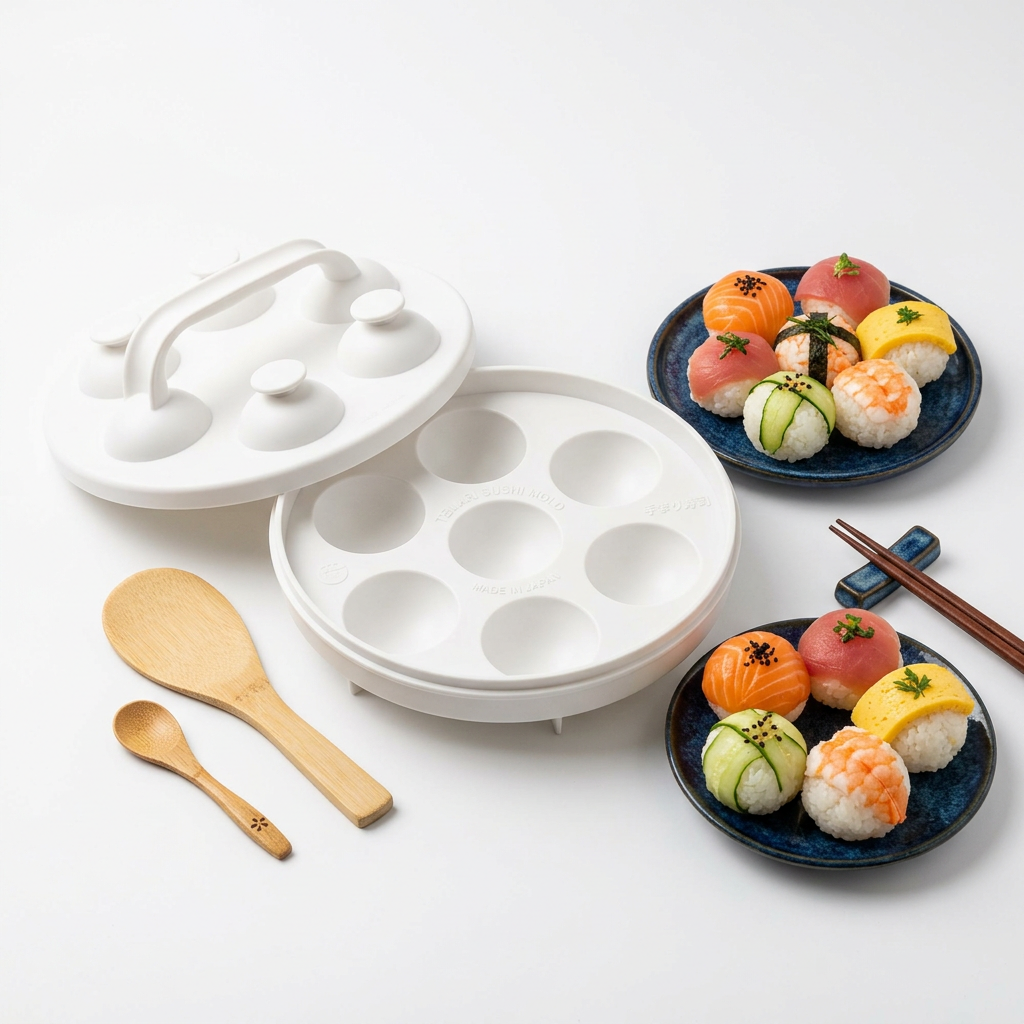
Sushi often evokes images of raw fish and rice neatly rolled in seaweed, but it encompasses a broad range of preparations. At its core, sushi reflects the essence of Japanese culinary traditions, emphasizing freshness and quality ingredients. Varieties such as nigiri, maki, and sashimi exhibit the creativity and skills of sushi chefs.
Making Sushi: Techniques and Tips
Sushi preparation is truly an art form requiring precision and practice. Here are the key elements to creating delicious sushi at home:
#### Sushi Rice Preparation
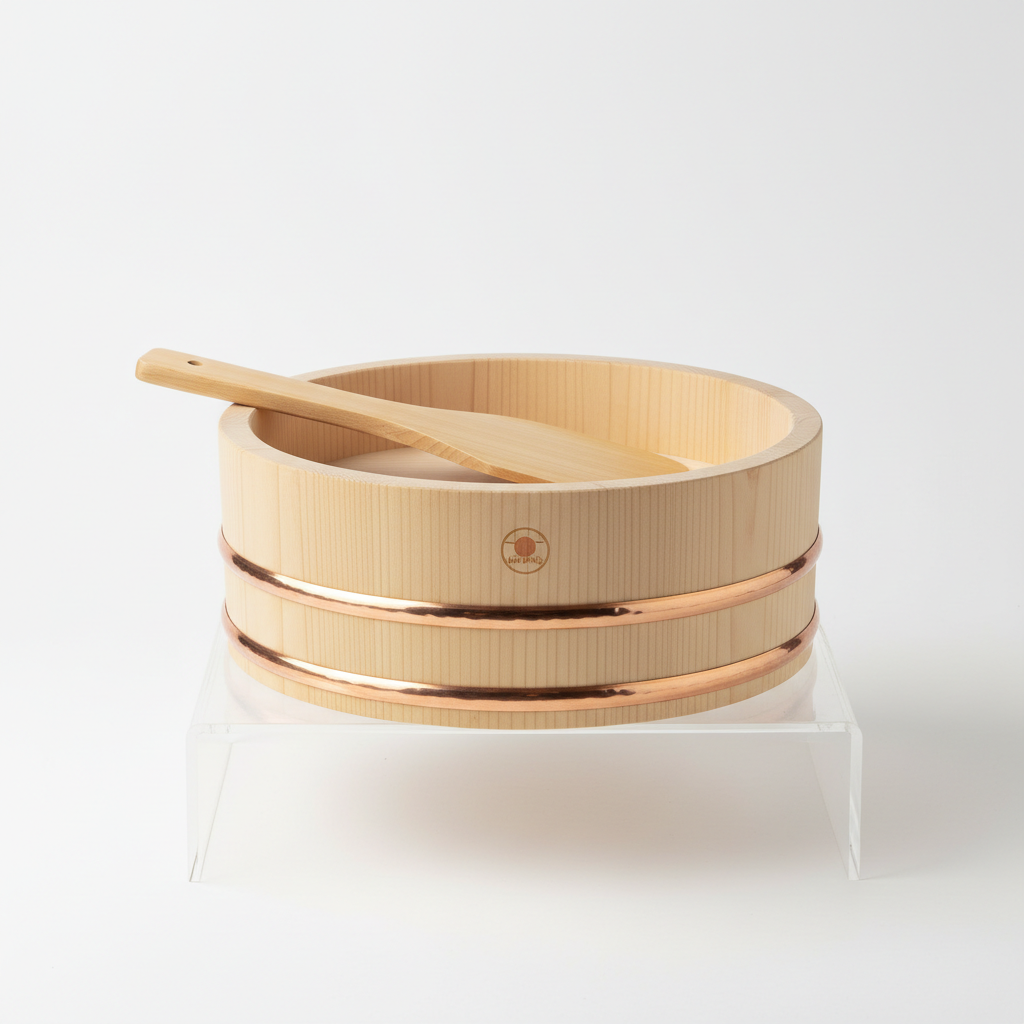
1. Rinse the rice under cold water until the water runs clear to remove excess starch.
2. Cook rice in a rice cooker using a 1:1 ratio of rice to water. Allow it to sit for 15 minutes post-cooking.
3. While still warm, mix rice vinegar, sugar, and salt until dissolved, fold into rice gently.
#### Rolling Maki Sushi
Pairing Sushi with Condiments
Sushi is often accompanied by a variety of condiments that enhance its flavors. The most common are:
The Art of Tea: Value in Culinary Traditions
The Significance of Tea in Japan
Tea is an integral part of Japanese culture, not only as a beverage but also as a central element of celebrations and daily rituals. The matcha tea ceremony is a unique aspect of this, reflecting meticulous preparation and aesthetics reminiscent of kaiseki.
Matcha and its Ceremonial Role
Matcha, powdered green tea, is distinct in its preparation and presentation. Unlike steeped teas, matcha is whisked with hot water, creating a frothy beverage rich in flavor and nutrients.
- Sifting matcha powder into a bowl.
- Whisking it with hot water using a bamboo whisk (chasen) until frothy, avoiding clumps.
Incorporating Tea into Culinary Practices
Tea is not only enjoyed in cups; it can be creatively incorporated into various dishes:
"Tea is less about the brew and more about mindfulness, allowing each cup to reflect the beauty of nature and human connection."
Special Occasions: Celebration and Tradition
Festivals and Food
Japanese cuisine is closely tied to the country's festivals, where specific dishes represent cultural significance and celebration. For instance, mochi during New Year celebrations represents prosperity, while cherry blossom-themed treats emerge during the cherry blossom viewing season.
Seasonal Festivals and Their Dishes
Here are some notable seasonal festivals in Japan along with their corresponding dishes:
- Dishes: Sakura mochi (sweet rice cakes wrapped in cherry leaves).
- Dishes: Somen (thin noodles symbolizing the meeting of the star-crossed lovers).
- Dishes: Osechi ryori (traditional New Year food served in special boxes).
Crafting Festival Dishes at Home
Celebrating festivals with traditional food can enhance connection to Japanese culture. Preparing these dishes involves sourcing seasonal ingredients and embracing their preparation methods.
- Ingredients: % variety such as black soybeans, shrimp, and lotus root, each with symbolic meanings.
- Presentation in a jubako (stacked boxes) is traditional.
- Ingredients: Sweet rice, red bean paste, and cherry leaves.
- Preparation includes cooking the rice, forming it around a dollop of anko, and wrapping it in a salted cherry leaf.
Conclusion
In exploring Japanese culinary traditions, we've journeyed through a rich tapestry of flavors, techniques, and philosophies that define this remarkable cuisine. From the elegance of kaiseki to the comfort of ramen, every aspect showcases the Japanese commitment to quality, presentation, and respect for nature. The culinary art of sushi and the deeply ingrained tea culture further highlight the importance of beauty and mindfulness in the dining experience.
The foundational techniques and thoughtful approaches can empower home cooks to embrace these traditions, creating dishes that not only nourish but tell stories of culture and heritage. By integrating seasonal ingredients, meticulous preparations, and aesthetic presentations, anyone can cultivate an understanding and appreciation of Japanese cuisine in their home kitchen.
As you embark on this culinary adventure, remember: the true essence of Japanese cooking is not just about following recipes, but about bringing your heart to the table, celebrating nature's bounty, and sharing those moments with others. So gather your ingredients, sharpen your knives, and allow yourself the pleasure of crafting dishes that pay homage to the beautiful traditions of Japan. Each meal is an opportunity to explore, connect, and savor—not just as a cook but as a member of a culture that values food as an integral part of life.


Get the Next Recipe
Weekly recipes, techniques, and gear picks — straight to your inbox.
