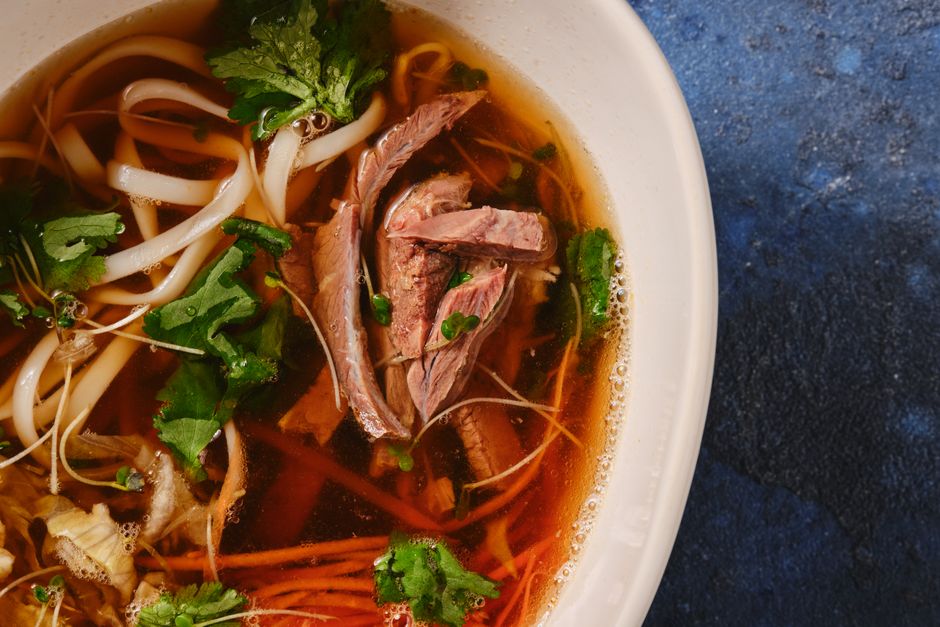
Japanese Dashi: The Foundation of a Cuisine
Japanese cuisine is revered around the world, not just for its elegant presentation but also for the depth and sophistication of its flavors. At the heart of this culinary tradition lies dashi, a fundamental stock that serves as the base for countless dishes. Understanding dashi is essential for anyone who wishes to explore the nuances of Japanese cooking. Dashi is more than just a stock; it's a culinary philosophy that embraces simplicity and quality ingredients. Once mastered, the preparation of dashi can elevate your dishes to new heights, infusing them with umami, the essential fifth taste that characterizes so many Japanese recipes.
The magic of dashi comes from its key ingredients: kombu (dried seaweed) and katsuobushi (dried, fermented, and smoked skipjack tuna). These ingredients are rich in glutamate, which gives dashi its signature savory flavor. While dashi can easily be obtained from store-bought packets, making it from scratch allows home cooks to experience the true essence of this stock. In this post, we'll delve into the art of dashi-making, exploring not just the recipes but also the cultural significance behind this foundational element of Japanese cuisine.
Through this exploration, we’ll address different types of dashi, how to use it, and various tips and tricks for success in your own kitchen. Whether you are a beginner or an experienced cook, making dashi will not only enhance your culinary repertoire but also give you a greater appreciation for the intricate flavors that define Japanese dishes. Let's embark on this flavorful journey and discover the nuances of this remarkable stock.
What is Dashi?
Dashi is a traditional Japanese stock that forms the backbone of many soups, sauces, and even rice dishes. It is characterized by its light and clear appearance, yet its flavor is profound, facilitating an array of Japanese dishes, from miso soup to ramen. The process of making dashi is simple yet requires attention to detail, emphasizing the quality of ingredients over complexity.
The Essence of Umami
Umami, a Japanese term translating to “pleasant savory taste,” is what elevates dashi beyond mere stock. This flavor comes from naturally occurring compounds in certain ingredients, such as glutamate, inosinate, and guanylate. In dashi, glutamate is derived chiefly from kombu, while katsuobushi provides both inosinic acid and additional rich flavors. The balance of these components is critical in achieving a well-rounded dashi.
Researchers have shown that umami plays a pivotal role in enhancing the overall taste of dishes. In Japanese cooking, dashi is often used as a flavor enhancer, allowing ingredients to shine without overwhelming them. As you prepare dashi, aim to capture this essence, blending the sea's depth with the earth's richness.
The Cultural Significance of Dashi
In Japan, cooking is an art form that intertwines deeply with culture and history. The first recorded mention of dashi can be traced back to the Edo period (1603-1868), which solidified its use in Japanese households. Since then, dashi has become a symbol of home cooking and comfort food, embodying the Japanese ethos of simplicity and purity.
For many Japanese families, making dashi from scratch is a cherished tradition. It’s a practice passed down through generations, imbuing meals with not just flavor but also a sense of nostalgia. Understanding dashi is to understand the heart of Japanese cuisine — where every ingredient counts, and every drop of stock tells a story.
Types of Dashi
Dashi can be categorized into several types, each bringing its unique flavor profile to the table. Knowing these variations allows home cooks to choose the right dashi for specific dishes.
1. Kombu Dashi
Kombu dashi is a vegetarian-friendly version made entirely from kombu. It is a staple among those following plant-based diets and relies on the seaweed's natural glutamate for flavor.
Ingredients for Kombu Dashi:
Method:
2. Awase Dashi
Awase dashi combines kombu with katsuobushi and is the most popular dashi type used in Japanese kitchens. This combination creates a complex flavor profile, marrying the umami from the seaweed with the smoky richness of bonito flakes.
Ingredients for Awase Dashi:
Method:
3. Iriko Dashi
Iriko dashi is made using dried anchovies and delivers a more robust flavor profile. This type is often used in heartier Japanese dishes, as it has a stronger fish essence.
Ingredients for Iriko Dashi:
Method:
4. Shiitake Dashi
For a deeply earthy flavor, shiitake dashi uses dried shiitake mushrooms. This version is perfect for vegetarian or vegan cooking, providing a rich and savory depth.
Ingredients for Shiitake Dashi:
Method:
Making Dashi: Step-by-Step Guide
Crafting the perfect dashi is an art form that can be mastered with practice. Here’s a comprehensive step-by-step guide to create your dashi from scratch:
Step 1: Gather Your Ingredients
Ingredients for Awase Dashi:
"Cooking is about precision. The quality of your ingredients will dictate the success of your dashi."
Step 2: Prepare the Kombu
Step 3: Heat the Water
Step 4: Add Katsuobushi
Step 5: Steeping
Step 6: Strain the Dashi
Tips for Perfect Dashi
Creating the perfect dashi may require some precision and experimentation, but here are several tips that can help fine-tune your results:
1. Quality Ingredients Matter
When it comes to dashi, opt for the best-quality kombu and katsuobushi you can find. Different brands can yield vastly different flavors, so it's worth exploring and finding your preferred sources.
2. Adjusting Strength
If you find that your dashi is too weak, increase the amounts of kombu or katsuobushi slightly during preparation. Conversely, if your stock turns out too strong, you can dilute it with a bit of water.
3. Temperature Control
Avoid boiling kombu and katsuobushi; doing so can create a bitter taste. Instead, maintaining low and even heat allows for a gentle extraction of flavors. Use a thermometer for improved accuracy.
4. Experiment with Add-Ins
Consider adding ingredients like dried shrimp or herbs to create a unique twist on traditional dashi. While purists may frown upon variations, home cooking is all about finding your personal flavor profile.
5. Proper Storage
Store unused dashi in an airtight container in the fridge for up to 3 days or freeze it in small batches for longer preservation. This way, you’ll always have dashi at hand for your next culinary adventure.
Utilizing Dashi in Your Cooking
Dashi is incredibly versatile, enhancing a variety of dishes in Japanese cuisine. Let's explore the ways you can use dashi to elevate your culinary creations.
Miso Soup
One of the most iconic dishes with dashi as its base is miso soup. The stock perfectly complements the umami-rich miso paste, resulting in a comforting and nourishing meal.
Ingredients for Miso Soup:
Steps:
Chawanmushi (Savory Custard)
Chawanmushi, a silky Japanese egg custard, showcases the delicate flavor of dashi. This dish is typically presented in individual cups and can include a variety of fillings like mushrooms or shrimp.
Ingredients:
Steps:
Ramen Broth
Dashi can be the foundation for rich ramen broth, enhancing the dish's overall savoriness. Pair it with additional ingredients like pork bones or chicken stock for deeper flavors.
Noodle Soups and Sauces
Beyond traditional recipes, dashi can be used to create flavorful sauces or noodle soups. Noodle dishes like udon can be revitalized with a splash of dashi as a cooking liquid or finishing sauce.
Stir-Fried Vegetables
Taking advantage of the umami-rich flavor of dashi, you can add a bit of liquid dashi when stir-frying vegetables for a luscious, savory depth that enhances the dish.
Conclusion
Making your own dashi is a rewarding effort that opens a gateway to authentic Japanese flavors. This fundamental stock provides the base for many classic dishes, allowing home cooks to explore a cuisine steeped in respect for ingredients and tradition. By understanding the methods and variations of dashi, you've not only expanded your culinary knowledge but also added a vital skill to your cooking repertoire.
Through this comprehensive guide, we’ve celebrated dashi's ability to transform simple meals into extraordinary experiences. Each bowl of miso soup, chawanmushi, or umami-filled ramen made with your own dashi is a testament to the beauty of Japanese culinary arts. With continued practice and experimentation, you can truly embrace the essence of this remarkable stock in your cooking.
In the kitchen, dashi is merely the starting point. Let it inspire you to create, to experiment, and to discover the profound connections that exist between food and culture. As you develop your skills and deepen your appreciation for Japanese cuisine, remember that the journey is just as important as the destination. Happy cooking!

Get the Next Recipe
Weekly recipes, techniques, and gear picks — straight to your inbox.
