
Japanese Knife Skills: Mastering the Cut for Professional Results
Japanese cuisine is revered not just for its flavors but also for the precision and artistry that goes into its preparation. Among the many elements that define Japanese cooking, knife skills stand out as fundamental to achieving professional results in the kitchen. In Japan, the mastery of knife techniques is almost a rite of passage for aspiring chefs, as it dramatically influences the texture, appearance, and taste of the food. It’s not merely about cutting ingredients; it’s about transforming them into something extraordinary through the finesse of your technique.
To the untrained eye, a simple cut may seem trivial, but each slice, chop, and dice is laden with meaning and purpose. Like brush strokes on a canvas, each motion speaks of the chef's attention to detail and deep respect for ingredients. Japanese culinary philosophy emphasizes a harmonious balance between aesthetics and function, which is why every cut is made with intention. As home cooks, encompassing these knife skills can elevate your dishes from ordinary to extraordinary, creating an experience that showcases not just the flavors of the food but also its visual appeal.
Embarking on the journey to enhance your knife skills can be daunting, especially if you lack guidance on the nuances of techniques and tools. Yet, with a little dedication, practice, and instruction, you can achieve significant results. This blog post will serve as your guide, illuminating the path to mastering Japanese knife skills, exploring various techniques, and understanding the significance of different knife types. By the end, you'll feel empowered to wield a knife with the confidence of a seasoned chef, ready to create beautifully cut ingredients deserving of any restaurant plate.
The Importance of Knife Skills in Japanese Cuisine
Knife skills are the backbone of Japanese culinary practice, serving a practical and artistic role in the kitchen. In Japanese cooking, the art of cutting goes beyond mere preparation; it affects flavor, cooking time, and presentation. A finely diced vegetable, for instance, cooks faster and ensures an even distribution of flavor. Conversely, uneven cuts can lead to irregular cooking, affecting texture and taste. Thus, honing your knife skills can lead to better cooking results and enhance the overall dining experience.
As you begin this journey, it’s essential to understand the principle of “moto no kachi,” which translates to “the flavor of the original.” This principle emphasizes that fresh, high-quality ingredients should be treated with the respect they deserve. Knife skills play a pivotal role in achieving this ideal. The more care you take in your cuts, the more you honor the ingredients. This notion translates into dishes that highlight the natural flavor profiles of each component, allowing them to shine in their simplicity.
Learning Japanese knife skills can also provide a sense of mindfulness and tranquility in the kitchen. The rhythmic sound of knives slicing through ingredients can be meditative, creating a flow state akin to zen practices. These moments spent perfecting your cuts can cultivate a deeper understanding and appreciation of the craft, leading to not just better food but a more rewarding cooking experience overall. Armed with this knowledge, you can take the next step toward mastering these essential techniques.
Essential Japanese Knives
The Fundamentals of Japanese Knives
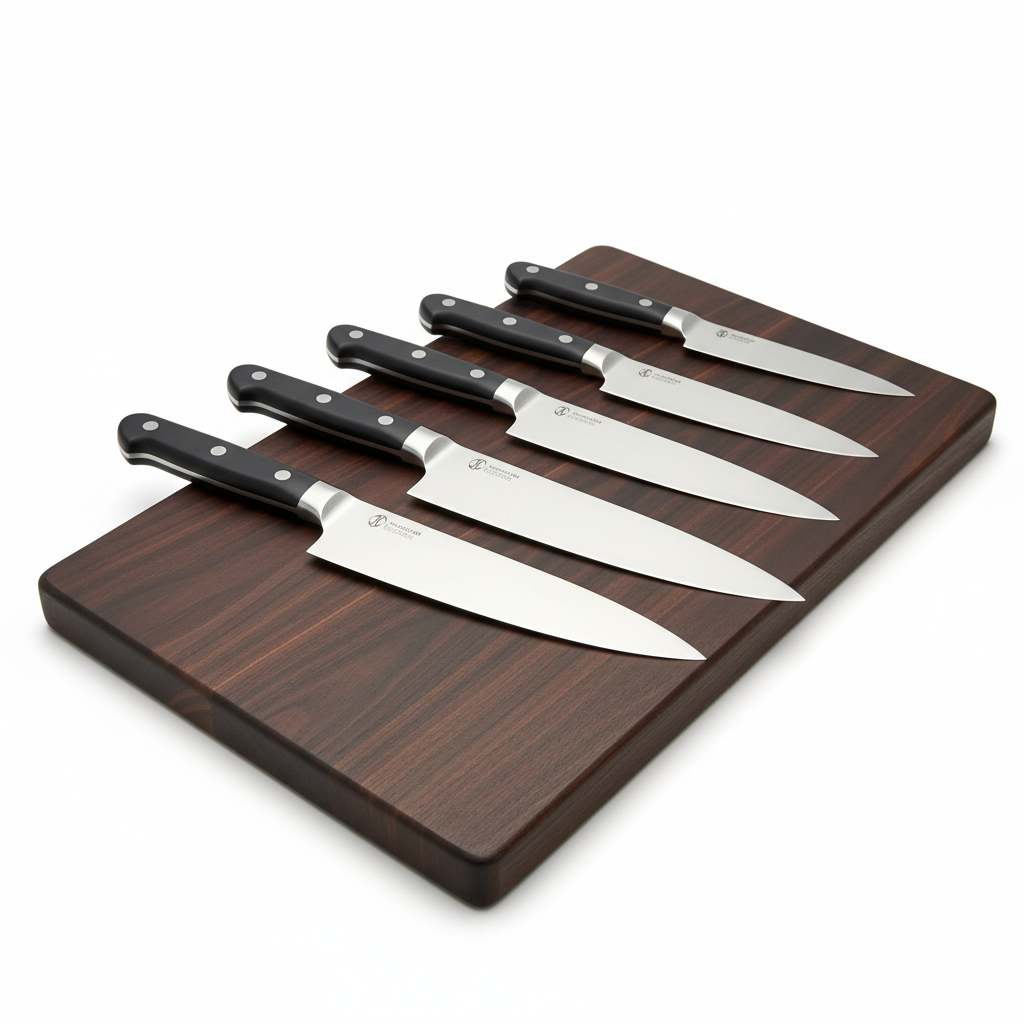
Before diving into knife techniques, it's vital to familiarize yourself with the different types of Japanese knives and their specific uses. Unlike Western knives, which typically have a more general-purpose appeal, Japanese knives are often purpose-built, enhancing their performance and efficiency.
Choosing the Right Knife for Your Needs
When selecting a Japanese knife, consider the types of dishes you frequently prepare. Investing in a quality Gyuto or Santoku can serve most culinary needs, while specialized blades like the Yanagiba or Nakiri can enhance your skills in particular areas. Quality matters when it comes to knife selection; a well-crafted knife can make a world of difference in your cooking experience.
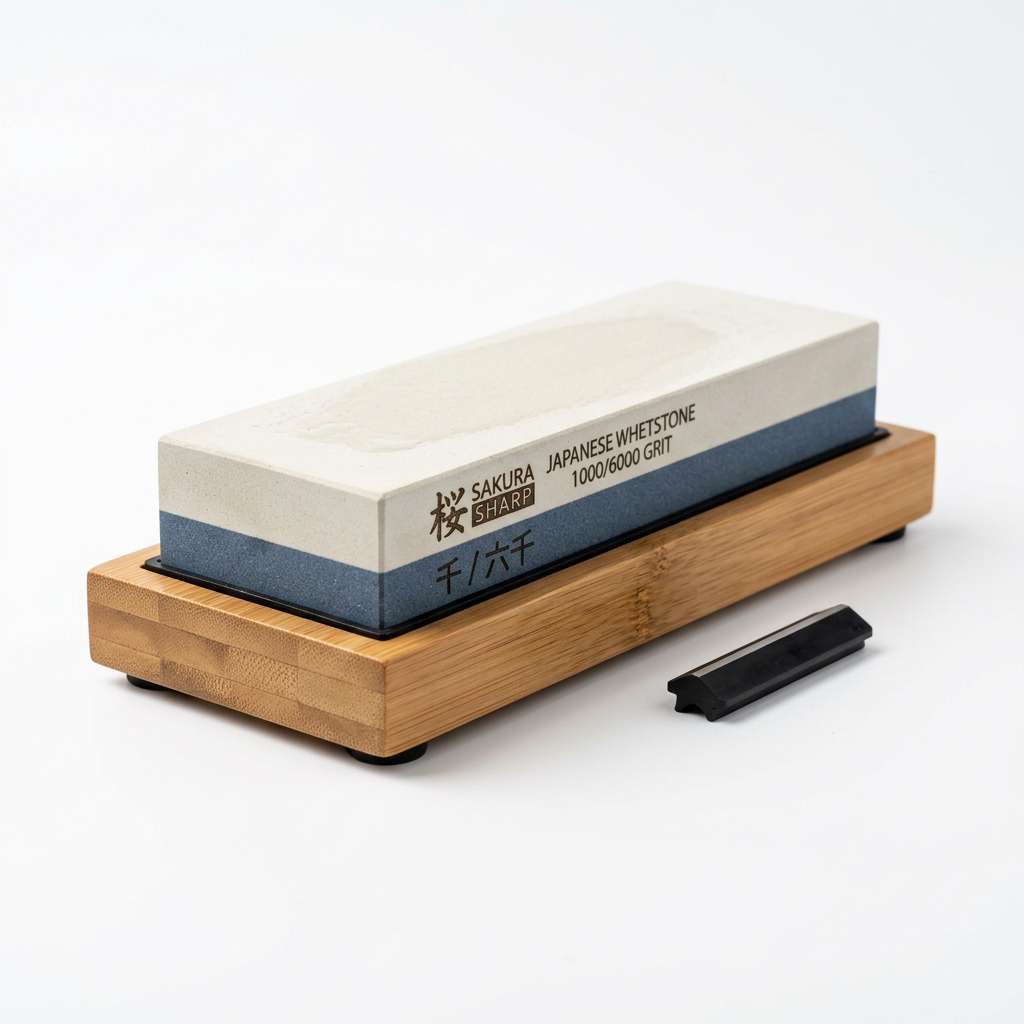
Remember that each knife requires specific care. Regular sharpening, cleaning, and appropriate storage will prolong the knife's life and maintain its performance.
Knife Maintenance and Care Tips
By understanding your tools and how to maintain them, you'll ensure your knife skills flourish, setting the stage for a culinary journey filled with inspiration.
Basic Knife Skills
Proper Grip and Stance
Before jumping into different cutting techniques, let's focus on the importance of your grip and stance. Starting with a proper grip allows for better control and precision, reducing the likelihood of slips that can lead to accidents.
- Hold the handle of the knife firmly but relaxed, allowing for flexibility while maintaining control.
- With a Gyuto or Santoku, pinch the blade's heel with your thumb and index finger, wrapping your remaining fingers around the handle. This grip provides maximum control and stability.
- Stand with your feet shoulder-width apart, maintaining a low center of gravity.
- Keep your non-dominant hand in front of you, curled into a claw shape, to guide your ingredients while keeping your fingers tucked and safe.
Cutting Techniques
Now that we have a solid grip and stance, we can delve into fundamental cutting techniques that every cook should master.
- Ideal for vegetables, place the ingredient flat on the cutting board. Use a rocking motion with the knife while applying gentle pressure.
- Aim for uniform cuts, as uniform size allows for even cooking.
- Start by slicing the ingredient lengthwise into thin strips. Rotate and slice crosswise to create uniform cubes.
- This technique is crucial for achieving even cooking and presentation.
- Cut the ingredient into thin matchstick-shaped pieces for more surface area. First, slice the vegetable into planks, then stack and slice again into thin strips.
- Used primarily for garlic, herbs, or spices, mincing requires a finer cut. Gather your ingredients into a pile and repeatedly chop over them until the desired size is achieved.
- For slicing meats or fish, employ a straight, smooth motion. The knife should glide through the ingredient without dragging, ensuring clean cuts that maintain structural integrity.
By mastering these techniques and incorporating them into your daily cooking practice, you’ll find that your efficiency and precision improve immensely. Each cut you make will begin to reflect the artistry inherent in Japanese cuisine.
The Art of Presentation
Importance of Plating
Presentation plays a crucial role in Japanese dining, where aesthetics are woven into the culinary experience. Japanese meals are often served in an array of dishes, each carefully arranged for visual impact, transforming a meal into a feast for both the eyes and the palate.
“The beauty of a dish lies not just in its taste but also in its presentation.”
Techniques for Beautiful Plating
- Use colorful ingredients to make the dish pop. For example, vibrant green vegetables can balance the pale colors of fish or grains.
- Elevate your dish with various textures. A mix of crispy, creamy, and tender can make every bite engaging.
- Japanese aesthetics often embrace simplicity. Avoid overcrowding the plate; allow ingredients to shine independently.
- Create height in your presentations by stacking elements—this not only adds visual interest but also a sense of depth.
- Use delicate herbs, edible flowers, or thinly sliced vegetables as garnishes. A simple shiso leaf or a sprig of microgreens can add a fresh touch.
By incorporating these plating techniques, you’ll further elevate the quality of your dishes, prompting admiration before the first bite is taken.
Advanced Knife Techniques
Mastering the Katana Cut
Once you feel confident in fundamental techniques, you may want to explore more advanced skills, such as the katana cut. This technique is often used in sushi preparation, focusing on clean, precise cuts that enhance texture and presentation.
- Ensure your fish or meat is well-chilled, as a cold product is firmer and easier to cut.
- Hold the knife at a slight angle, typically around 15 degrees, to create a sharper edge.
- Make a decisive, fluid motion from the heel of the blade to the tip, allowing gravity to assist. Ensure that you don’t use a sawing motion; instead, envision smoothly cutting through the ingredient.
The Precision of Tornado Cuts
Popularized in vegetable preparations, the tornado cut adds flair and is especially effective for garnishing. It's not just a visual treat but also enhances flavor release due to increased surface area.
- Common choices include carrots or zucchini. Select firm vegetables to allow for clean cuts.
- Begin by cutting the vegetable into a shorter length (about 4-5 inches) for easier handling.
- Hold the vegetable slightly tilted away from you, then using a small utility knife, start at one end and cut spirally along the vegetable's curve, moving down in a controlled motion.
- The resulting spirals can then be used as garnishes or incorporated into salads for a unique presentation.
Applying Your Skills: Creating Sashimi
Taking your knife skills to the next level involves mastering the art of slicing sashimi. The techniques learned thus far culminate in preparing this classic dish, where precision is essential to ensure each piece is delicate and appealing.
- Look for high-quality, sushi-grade fish. The freshness of the fish impacts not only the flavor but also the overall quality of your dish.
- Keep your fish cold throughout the slicing process, as this helps maintain firmness and makes the cutting easier.
- Similar to the katana cut, maintain a slight angle and use long, smooth strokes. Aim for thin slices, typically around a quarter of an inch thick.
- Artistically arrange your sashimi on a plate, complementing the colors and textures. A drizzle of soy sauce or a side of wasabi can enhance the flavors while preserving the dish’s simplicity.
By mastering these advanced techniques, you’ll not only improve your knife skills but also deepen your appreciation for the intricate art of Japanese culinary traditions.
Conclusion
Mastering Japanese knife skills is a transformative journey that takes time and practice. From understanding the different types of knives and their uses to perfecting fundamental and advanced techniques, each step enhances your proficiency in the kitchen.
As you incorporate these skills into your daily cooking routine, you’ll notice your confidence growing, along with the quality of your dishes. The art of cutting extends beyond mere preparation; it infuses your food with both precision and passion, paying homage to the rich traditions of Japanese cuisine.
In your culinary pursuits, remember that practice is crucial. As the old adage says, "Practice makes perfect." Embrace mistakes as part of your learning process, and over time, the cuts that once seemed daunting will become second nature. The skills you develop on this journey allow you to create not only visually appealing plates but also dishes that celebrate the essence of each ingredient.
So grab your Japanese knives, commit to honing your skills, and embark on a culinary adventure that will enrich your cooking both in flavor and presentation. The kitchen awaits with all its potential for creativity—cutting your way to delicious success, one slice at a time.


Get the Next Recipe
Weekly recipes, techniques, and gear picks — straight to your inbox.
