Japanese Knife Skills: The Foundation of Culinary Precision
Japanese knife skills are a fundamental aspect of culinary precision, offering home cooks and professional chefs alike a profound connection to the art of cooking. At the heart of Japanese cuisine lies an appreciation for quality ingredients, meticulous techniques, and the artistry embodied in each dish. Learning to wield a Japanese knife is not just about cutting; it’s about understanding the food, respecting its essence, and manipulating it in a way that elevates the overall culinary experience. The mere act of slicing and dicing can transform an average meal into a gourmet dining experience. This post will delve into the intricacies of Japanese knife skills, guiding you through the various techniques, tools, and nuances that define this culinary art form.
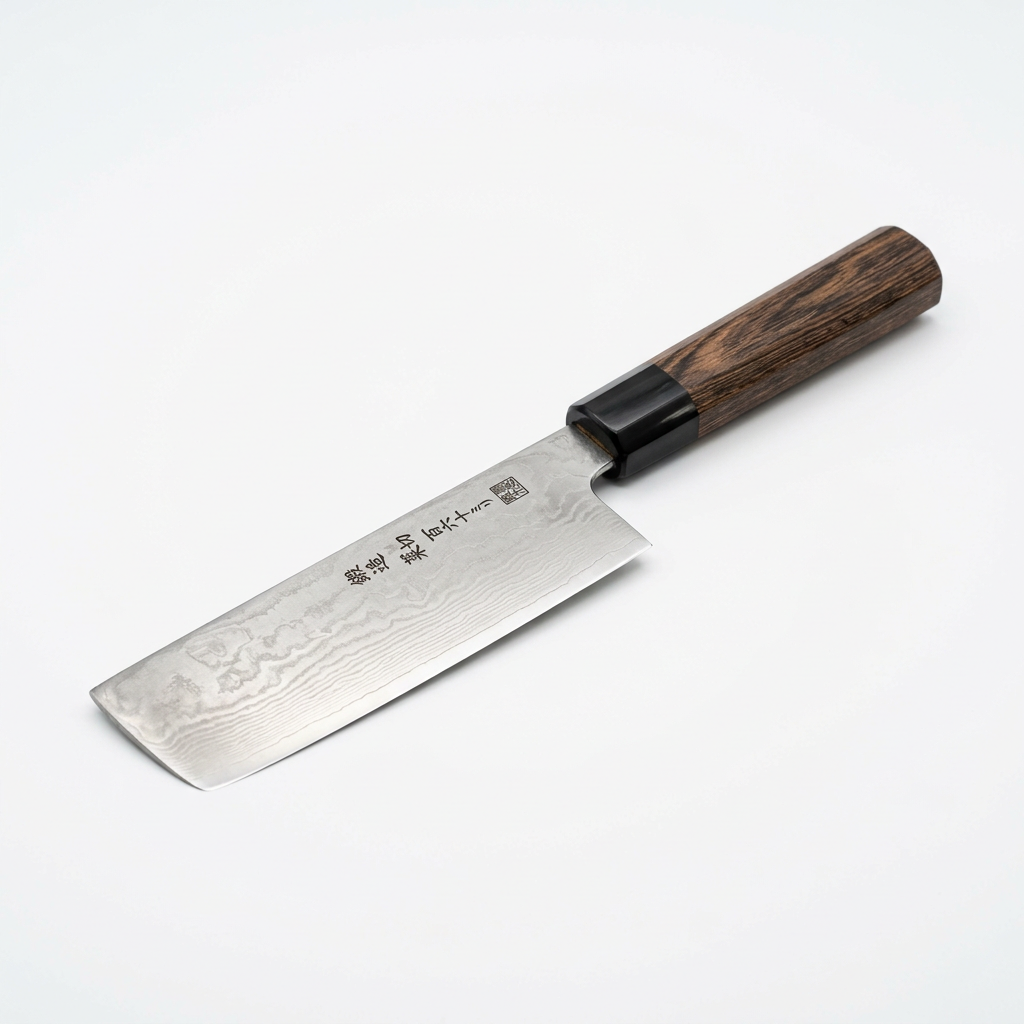
To truly appreciate Japanese knife skills, one must first recognize the significance of knife types and their respective purposes. In Japanese cooking, the knife is more than just a tool; it's an extension of the chef's intentions and creativity. Each knife serves a specific function, whether it's the delicate precision of a santoku, the swift chopping of a nakiri, or the deft filleting of a yanagiba. Understanding these tools allows cooks to refine their techniques and optimize their efficiency in the kitchen. This mastery also fosters a deeper connection to the ingredients, as the right knife can enhance flavor profiles and presentation.
Japanese knife skills are rooted in tradition, emphasizing respect for the ingredients and the people who grow them. Techniques that may appear simple on the surface often involve layers of complexity and finesse. For instance, the meticulous way a chef slices an onion is not just about speedy preparation but about coaxing out the vegetable's natural sweetness and ensuring even cooking. While the fundamentals can be learned by anyone, true mastery of knife skills involves practice, patience, and a willingness to embrace the philosophy behind Japanese cooking. From honing your knives to perfecting your grip, every detail counts, and this blog post will walk you through enhancing your knife skills.
Understanding Japanese Knives
Japanese knives are the bedrock of Japanese culinary techniques and come in various forms, each catering to different cutting tasks. To appreciate the finesse of knife skills, understanding your tools is paramount.
Types of Japanese Knives
The selection of the right knife significantly impacts your cutting efficiency and the quality of your presentation.
Knife Construction and Maintenance
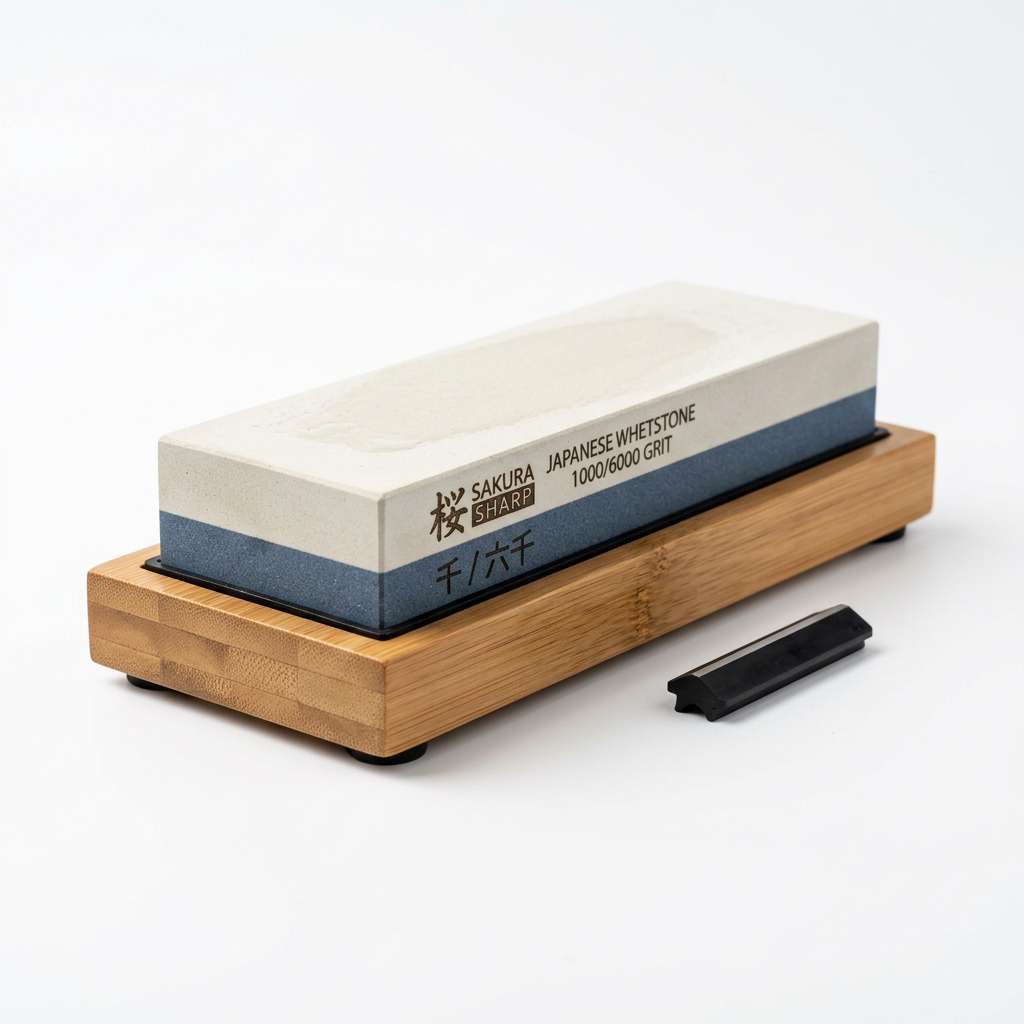
When delving into the world of Japanese knives, one cannot overlook the craftsmanship involved in their creation. Traditional Japanese knives are often made from high-carbon steel, which allows for an incredibly sharp edge. However, high-carbon steel requires more maintenance compared to stainless steel.
To maintain your knife, follow these steps:
"A properly maintained knife is not only a pleasure to work with; it’s a cornerstone of culinary safety and efficiency."
The Importance of Grip and Stance
The foundation of effective knife skills lies in how you hold the knife and your overall stance while cutting. Improper grip and stance can lead to inefficient movements and even injury.
The Proper Grip
Grip techniques vary but can be categorized into two primary styles:
Stance and Posture
When prepping your ingredients, maintaining a stable stance is crucial. Here are some guidelines:
"Your grip and stance serve as the scaffolding of every cut; get them right, and your precision in the kitchen will flourish."
Basic Knife Cuts
Mastering knife skills involves proficiency in various cuts, each serving unique culinary purposes and presentations. In this section, we will explore several essential techniques.
The Classic Cuts
Advanced Techniques
Once you’ve mastered the basics, try these advanced cuts for added flair:
Speed and Precision Drills
To enhance your skill level, practice these drills:
Integrating these techniques into your cooking routine will dramatically elevate your dishes and reinforce your confidence in the kitchen.
Influences of Japanese Culinary Philosophy
Understanding the philosophy behind Japanese cooking can provide deeper insights into the importance of knife skills. The concept of umami—the fifth taste—is enhanced through proper knife techniques, as the way food is cut impacts its texture, taste, and mouthfeel.
Seasonal Ingredients
Japanese cuisine places a strong emphasis on seasonal ingredients—a principle that extends to knife skills. For example:
Kintsugi and the Art of Imperfection
The Japanese practice of kintsugi, which values the beauty in imperfection, also reflects in culinary techniques. Mastery doesn't mean perfection; it’s about delivering delicious meals with skillful precision, acknowledging mistakes as part of the learning journey.
"In every cut and slice lies the potential for creativity, embracing imperfections along the way to culinary mastery."
Mindful Cooking
Practicing mindfulness while preparing food can deepen your connection to ingredients. By focusing purely on the act of cutting, you enhance the sensory experience associated with cooking. Whether it’s the sound of the knife hitting the cutting board or the aroma of fresh vegetables, being present in the moment can transform your cooking.
Knife Skills for Specific Foods
Different foods require unique cutting techniques for optimal results. Understanding these specifics will enhance your preparation process and dish presentation.
Meats: Cutting with Purpose
When working with meats, appropriate knife skills are essential for both safety and presentation. Follow these steps:
Seafood: The Art of Filleting
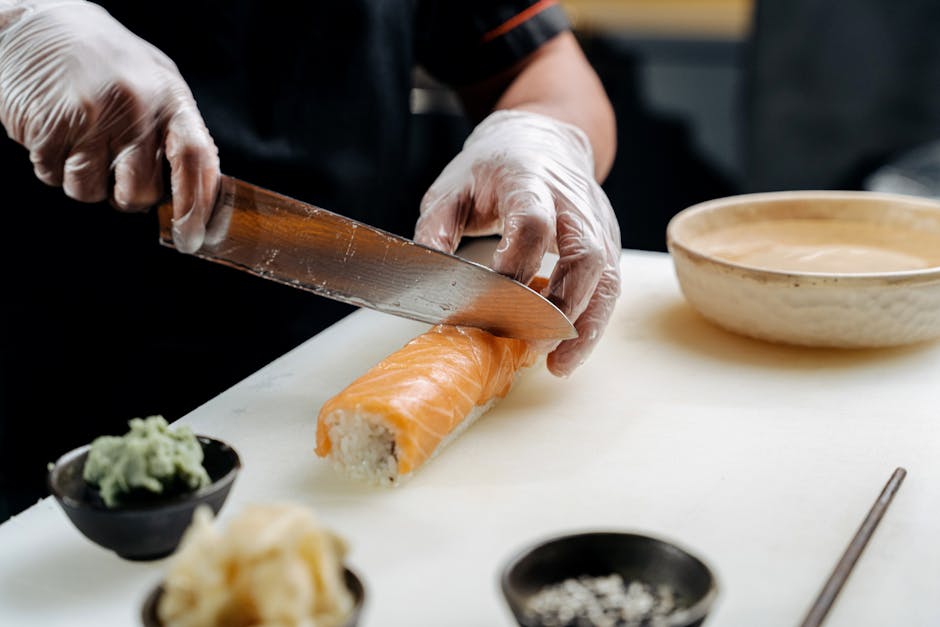
Filleting fish requires a gentle touch. When preparing sushi or sashimi, consider these steps to achieve perfect cuts:
Vegetables: From Prep to Presentation
Understanding how to cut vegetables will impact both flavor and aesthetic appeal.
Fruits: Creativity with Cuts
Engaging with fruit cutting techniques can elevate presentations and flavor profiles.
Practicing Knife Skills at Home
Achieving proficiency in knife skills is akin to mastering any other craft; it requires practice, patience, and dedication. Here are some at-home exercises to build your skills.
Daily Preparation
Incorporate knife skills into your daily cooking routine. Start with simple dishes that call for various cuts, practicing each technique regularly. Begin with prepping fruits or vegetables for breakfast or snacks.
Partner Practice
Working with a partner can provide immediate feedback. Collaborate with a friend or family member to practice techniques, offering each other constructive critique on form and speed.
Shadowing a Professional
If possible, shadow a professional chef to gain insights into advanced techniques and workflows. Watching someone with refined knife skills in action can reveal nuances that textbooks often overlook.
Conclusion
Embarking on the journey to master Japanese knife skills is not merely a quest for technical proficiency; it’s about cultivating a deeper relationship with the food you prepare. By understanding the tools, techniques, and culinary philosophies that underpin Japanese cooking, you’re not just learning how to cut—you’re embracing an art form.
As you implement these skills in your kitchen, remember that practice is paramount. Whether you're slicing lovely vegetables, neatly filleting fish, or julienning fruits, each motion is an opportunity for improvement. As you hone your craft, celebrate your progress, knowing that mastery is a journey, not a destination.
With the techniques outlined in this post, you are equipped to elevate your home cooking, impress your guests, and perhaps even inspire a budding chef. Dive into the world of Japanese culinary skills with confidence and creativity, and remember to enjoy the process of learning as much as the delicious meals that result from it. Happy cooking!


Get the Next Recipe
Weekly recipes, techniques, and gear picks — straight to your inbox.
