
Japanese Knife Skills: The Three Cuts Every Home Cook Needs
In the vibrant world of culinary arts, mastering the craft of knife skills often serves as the cornerstone for achieving cooking excellence. For those venturing into the realm of Japanese cuisine, understanding the three fundamental cuts can significantly elevate your home cooking. Each cut not only transforms the shape and texture of ingredients but also enhances the dish's overall presentation and flavor profile. The beauty of these cuts lies in their precision and technique, rooted in centuries of Japanese culinary tradition.
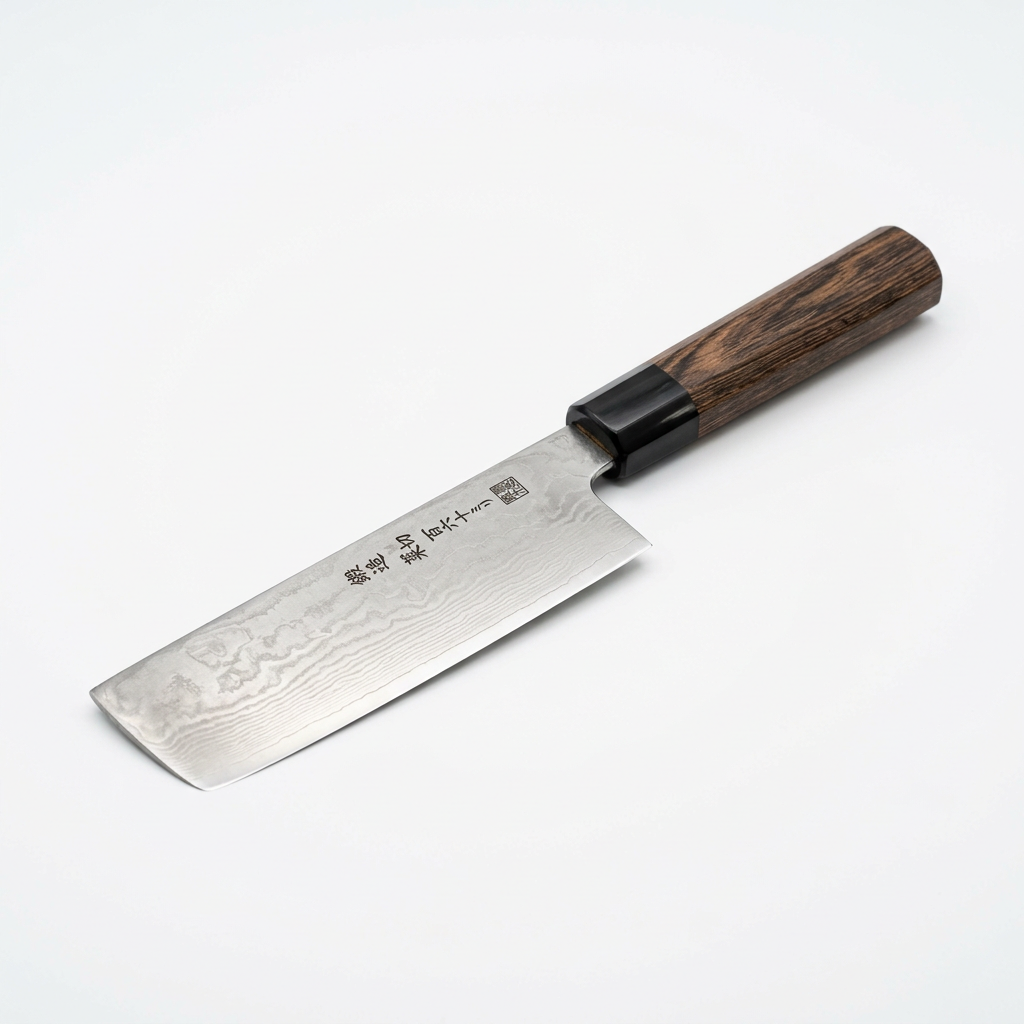
As you begin to explore the intricate world of knife skills, it’s essential to embrace the philosophy that accompanies them. Japanese chefs often emphasize that a knife is an extension of the hand, enabling a connection between the cook and their ingredients. This perspective encourages mindfulness and attention to detail, transforming the act of cooking into a meditative practice rather than a mere chore. With this understanding come the responsibilities of maintaining your tools and using them properly, ensuring safety while maximizing efficiency.
The three primary cuts we will delve into—the julienne, the brunoise, and the chiffonade—are foundational not only in Japanese cooking but in a multitude of culinary traditions. Each cut has its unique purpose and applications, allowing the cook to explore textures and shapes that can elevate a dish's complexity. By honing these skills, you’ll find that your overall cooking experience becomes more enjoyable and infused with creativity, unlocking a deeper appreciation for the subtleties of each ingredient.
The Importance of Knife Skills
Understanding the Role of Knife Cuts
Knife skills form the bedrock of any proficient cook's repertoire. The primary role of these skills goes far beyond mere aesthetics; they significantly impact the cooking process, flavor release, and even the overall texture of your dishes. When ingredients are cut correctly, they not only cook more evenly but also allow for a more exciting and pleasurable dining experience. For instance, achieving the perfect texture in a stir-fry requires precise cuts, allowing each ingredient to absorb flavors while maintaining its integrity.
Moreover, knife skills also play a role in the presentation of your culinary creations. For example, a beautifully arranged dish can transform an ordinary meal into an extraordinary one. The cuts you employ can accentuate colors, contrast textures, and create visual harmony in your plates. As they say, "We eat with our eyes first," making the visual aspect of your food just as important as its taste.
Lastly, strong knife skills lead to greater efficiency in the kitchen. A well-practiced chef can prepare ingredients with speed and precision, preparing everything from chopping onions to slicing fish in mere moments. This proficiency not only saves time but also reduces frustration, allowing you to focus on the joy of cooking rather than struggling with underwhelming results. So, let’s dive deeper into the three essential cuts that will enhance your culinary journey.
Essential Knife Cuts
The Julienne Cut
The julienne cut is perhaps the most recognizable of all cuts, known for its long, thin strips that resemble matchsticks. This cut is prevalent in many recipes, where ingredients such as vegetables or meats are prepared for stir-frying, garnishing, or salads. Here’s how to perform the julienne cut correctly:
Chef's Tip: For even more precision, use a mandoline slicer if available. It will help you achieve uniform strips quickly.
The application of julienne cuts is nearly endless. They can be used in salads for a fresh crunch, in stir-fries for quick cooking, or even in garnishes for numerous dishes. The shape maximizes surface area, allowing for faster cooking and more robust flavor absorption, especially when sautéed or stir-fried.
"The julienne cut transforms vegetables into aesthetically pleasing shapes that enhance not just the dish's taste but its overall presentation."
The Brunoise Cut
Moving up the ladder of complexity, we arrive at the brunoise cut. This technique results in extremely small, uniformly diced pieces—about 1/8-inch cubes. The brunoise cut is often used in sauces, soups, and various accompaniments where a delicate texture is desired.
Here’s how to achieve the perfect brunoise:
A brunoise cut not only serves a culinary purpose, enhancing sauces or soups with small bursts of flavor, but also shows off the cook’s skill level. The uniformity of the pieces ensures even cooking, allowing each ingredient to shine in the end product.
The Chiffonade Cut
The chiffonade technique is a favorite among chefs, particularly when working with leafy greens and herbs. This cut yields delicate ribbons that are perfect for garnishing or incorporating into dishes where a soft, light texture is desired.
Here’s a step-by-step guide for achieving a chiffonade:
Chef's Tip: Always use a sharp knife to avoid bruising your herbs, which can lead to a bitter taste. A clean cut preserves the essence and flavor.
Chiffonade cuts are commonly employed to enhance salads, pasta, or as garnishes for soups. The resulting delicate ribbons create a pleasing visual experience while adding a burst of fresh flavor to your dishes.
"The chiffonade cut unlocks the vibrant flavors of herbs and greens, elevating everyday dishes into extraordinary culinary experiences."
Knife Maintenance and Safety
Keeping Your Knives in Top Shape
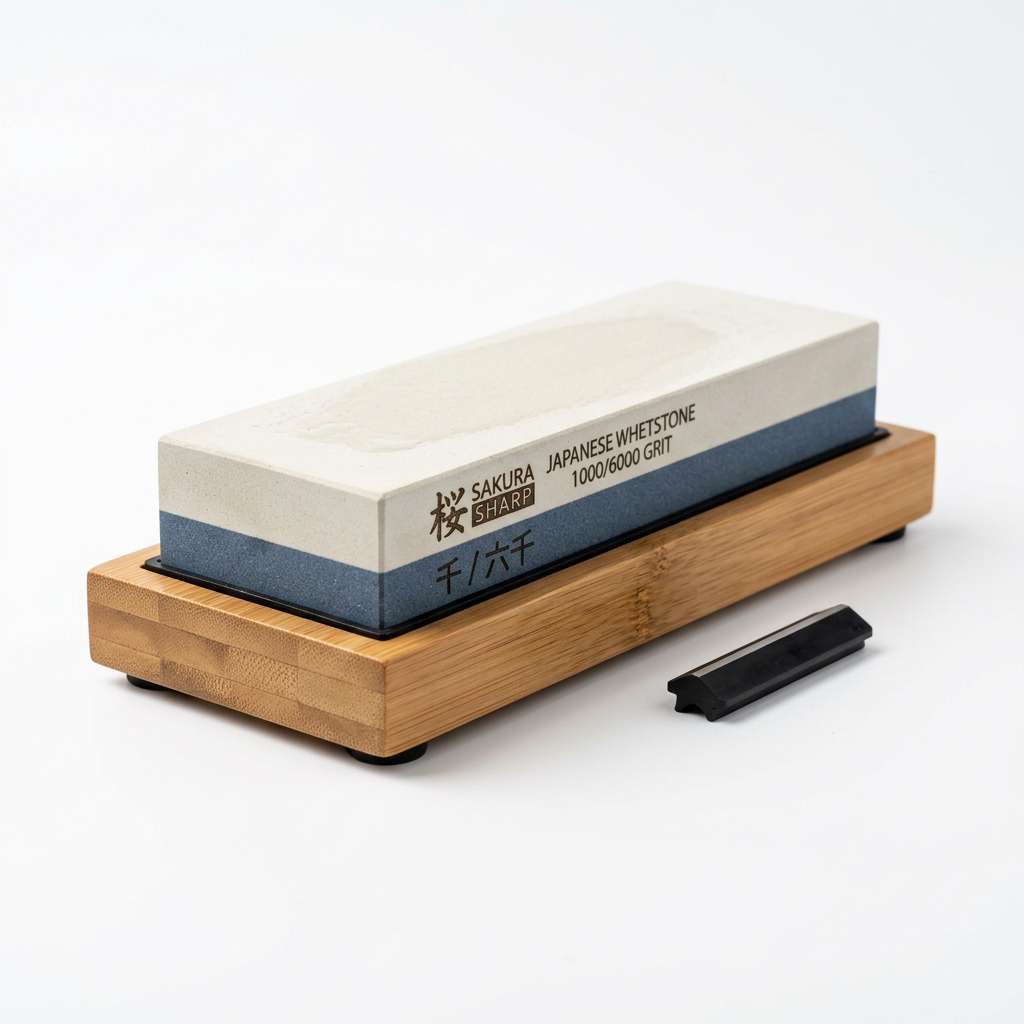
Knife maintenance plays a crucial role in ensuring that your knife skills shine in the kitchen. A dull knife is not only frustrating but can also be dangerous, as it requires more force to cut through ingredients, often leading to slips and accidents. Here are some tips for keeping your knives sharp and in excellent condition:
Ensuring Safety in the Kitchen
Knife safety is paramount, especially when working on intricate cuts. Here are key safety tips to keep in mind:
"Safety in the kitchen is just as important as mastering knife skills; with the right techniques, you can ensure a safe and enjoyable cooking experience."
Practical Applications of Knife Skills
Incorporating Cuts into Your Cooking
Now that you've learned the basic cuts, it's time to integrate them into your culinary repertoire. Here are a few recipe ideas that utilize the julienne, brunoise, and chiffonade cuts effectively.
Practicing Knife Skills
To master these knife skills, you may want to set aside dedicated practice time. Here are some exercises you can do:
Recipes to Solidify Your Skills
Simple Vegetable Stir-Fry
Ingredients:
Instructions:
Chef's Tip: Keep the ingredients moving in the pan for an even cook!
Herbed Pasta with Chiffonade
Ingredients:
Instructions:
"Cooking with intention and skill not only improves your dishes but also enhances the entire culinary experience for both you and your guests."
Incorporating Color and Flavor
As you become more comfortable with your knife skills, feel free to experiment with different ingredients to discover new flavors and textures. The combinations are endless. Whether preparing a cozy stew in the winter months or a light stir-fry on a summer evening, the way you cut your ingredients can significantly enhance the dish's overall impact.
Conclusion
Mastering the essential knife skills—julienne, brunoise, and chiffonade—opens a world of culinary possibilities. Not only do these cuts lend elegance and precision to your dishes, but they also contribute significantly to the overall flavor and presentation. Remember, the journey of improving your knife skills is a continuous process, one that thrives on practice and patience.
Invest time in learning and refining these techniques, and before long, you’ll find yourself creating beautiful dishes that reflect both your skills and your passion for cooking. Embrace the philosophies of Japanese culinary traditions: the respect for ingredients, the appreciation of form, and the joy of creating unforgettable meals. As you master your knife skills, you will also instill a sense of confidence in your cooking, turning everyday meals into extraordinary experiences. So, grab your knife, choose your favorite ingredients, and let your culinary adventure unfold!

Get the Next Recipe
Weekly recipes, techniques, and gear picks — straight to your inbox.
