
Japanese Umami: The Fifth Taste That Elevates Every Dish
Japanese cuisine is a fascinating tapestry woven together by a rich history, diverse ingredients, and intricate techniques. One of the most intriguing aspects of this culinary tradition is the concept of umami, often referred to as the fifth taste, alongside sweet, sour, bitter, and salty. Although it was scientifically recognized only in the 20th century, umami has deeply influenced Japanese cooking for centuries. Understanding umami can transform your cooking, helping you to create dishes with depth and complexity that tantalize the taste buds and leave a lasting impression.
At its core, umami is derived from specific amino acids, particularly glutamate, and is often found in foods such as mushrooms, tomatoes, aged cheeses, and meats. In Japan, umami is encapsulated in ingredients like miso, soy sauce, and dashi—rich broths that form the backbone of countless recipes. Mastering these elements can open the door to a new level of flavor. As home cooks, once we begin to understand umami and how to incorporate it into our meals, we can elevate even the simplest ingredients into culinary masterpieces.
In this post, we will delve deep into the world of umami, exploring its origins, components, and the vast array of ingredients that can enhance this essential taste. We'll also share professional tips, cooking techniques, and recipes to help you incorporate umami into your everyday cooking. Whether you're a novice in the kitchen or a seasoned chef looking to expand your repertoire, understanding the role of umami in your dishes will undoubtedly bring your culinary creations to new heights.
The Science Behind Umami
Understanding Umami: A Brief Overview
Umami was first identified by Dr. Kikunae Ikeda, a Japanese chemist, in 1908 while studying the taste of kombu seaweed. He discovered that the unique flavor derived from this seaweed was due to the presence of glutamate. Since then, umami has been recognized as an essential taste, captivating chefs and scientists alike with its complexity. The discovery of umami and its chemical structure has significantly impacted modern gastronomy, influencing culinary techniques and ingredient pairing.
Umami enhances the overall flavor profile of dishes, acting as a flavor enhancer. It is not simply one-dimensional but rather adds depth and richness, creating a roundness that can make a dish more satisfying. Foods rich in umami can enhance the flavor of other ingredients, allowing for greater harmony in flavor profiles and creating a balance that is often elusive in cooking.
Key Components of Umami
The primary component of umami is glutamate, an amino acid found in various foods. However, umami isn't just about glutamate alone. It also encompasses two other components:
When these components are combined, they create a profound umami experience, making each dish more flavorful and enjoyable. Foods that naturally contain umami, such as aged cheeses, tomatoes, and fermented products, often work well in tandem, amplifying the taste of one another in recipes.
“Umami is not just a flavor; it’s an experience that emerges from the balance of ingredients working together harmoniously.”
Emphasizing the Flavor in Everyday Cooking
Incorporating umami into your cooking doesn't require extreme measures or special devices. Instead, focusing on enhancing natural umami flavors can transform your cooking. Whether you’re preparing a simple broth or a sophisticated sauce, paying attention to umami ingredients can enhance your meal's flavor profile significantly.
Home cooks can utilize culinary techniques, such as roasting, slow cooking, or fermenting, to emphasize umami flavors. For example, roasting vegetables caramelizes their natural sugars while concentrating their flavors, leading to a more robust umami taste. In this exploration of umami, we will look at specific ingredients and techniques to adopt in your kitchen.
Umami-Rich Ingredients
Fermented Ingredients
Fermented ingredients are treasure troves of umami and should be a staple in every pantry. They undergo a transformation process, allowing for a rich depth of flavor to develop through fermentation. Here are some key fermented ingredients rich in umami:
Umami-Boosting Meats and Fish
Certain proteins are well-known for their rich umami flavors, and incorporating these into your cooking can enhance your dishes significantly:
Vegetables with High Umami Content
Many vegetables carry their share of umami flavor. Adding these to dishes can elevate their taste significantly:
“Mastering umami is about understanding how to balance ingredients. When you strike that perfect balance, the result can be nothing short of magical.”
Culinary Techniques for Enhancing Umami
Roasting and Caramelization
One of the simplest ways to bring out umami flavors is through roasting or caramelization. These methods concentrate flavors:
Slow Cooking and Braising
Slow cooking and braising are methods particularly effective for bumping up umami flavors in tougher cuts of meat or richly flavored dishes:
Infusing Flavors through Stock
Invigorating your cooking begins with a great stock. Using bones, aromatics, and vegetables, stocks can provide a foundational layer of flavor:
Using Acidity to Enhance Umami
The balance of sweet, salty, bitter, and umami needs a touch of acidity to elevate the overall flavor. A squeeze of lemon juice or a splash of vinegar can brighten dishes, emphasizing umami components:
Umami in Popular Japanese Dishes
Ramen: A Umami-Packed Bowl of Flavor
Ramen is a beloved dish that exemplifies the essence of umami, thanks to its rich broth, succulent proteins, and invigorating toppings.
Sushi: Elevating with Umami
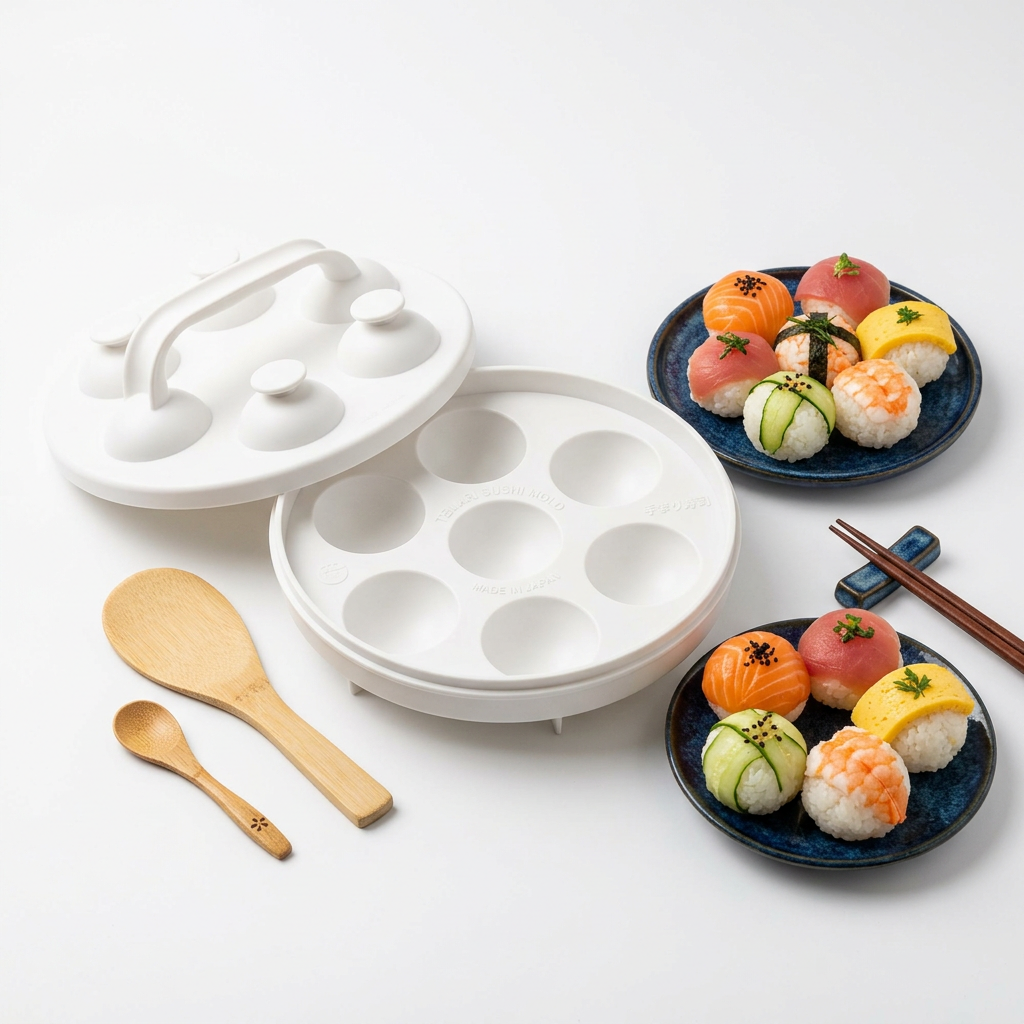
Sushi showcases umami beautifully through the combination of the vinegared rice, fresh fishes, and complementary condiments.
“The artistry of sushi is about the balance of flavors; it’s a symphony of umami."
Building an Umami-Centric Pantry
Essential Ingredients for Umami
Curating a pantry rich with umami ingredients allows you to create a wide array of meals effortlessly. Here’s a suggested list:
Storing and Preserving Umami Ingredients
Proper storage ensures longevity and flavor preservation.
Experimenting with Umami
With an understanding of umami now at your fingertips, don't hesitate to experiment in your cooking. Try combining various umami ingredients—mixing miso with tomatoes in a sauce or using leftover stock as a base for risotto.
Your journey in incorporating umami is a pathway paved with exploration. Don't be afraid to modify standard recipes by adding a hint of fish sauce to salad dressings or enriching a vegetable stew with a spoonful of miso.
Final Thoughts
Umami is an extraordinary flavor that, when harnessed correctly, can elevate your dishes from mundane to sublime. By understanding the science behind umami, utilizing a variety of ingredients, mastering culinary techniques, and building a robust pantry, you can unleash the full potential of your cooking.
Embrace the complexity of flavors that umami brings to your meals—be it through traditional Japanese cuisine or your creative culinary endeavors. Remember, cooking is a practice of love and exploration. As you learn and adapt, you will find your palate evolving, leading to dishes that not only satisfy but also delight.
As you continue your culinary journey, keep umami in mind as a guiding principle. It’s not just a flavor; it’s a bridge to a deeper appreciation of food, community, and the art of cooking.



Get the Next Recipe
Weekly recipes, techniques, and gear picks — straight to your inbox.
