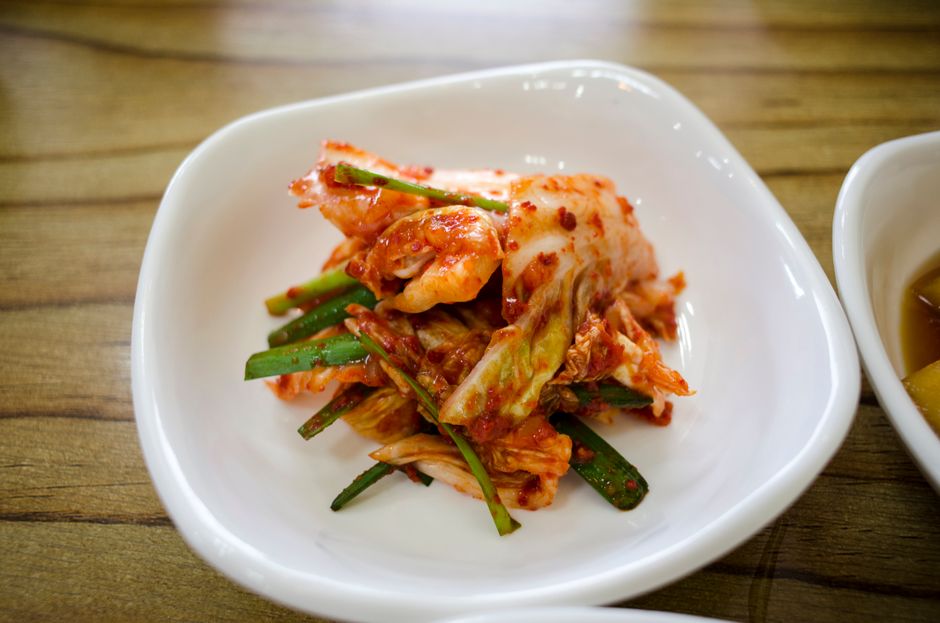
Kimchi: The Art of Fermented Vegetables
Kimchi, often heralded as a culinary treasure of Korea, is more than just a condiment; it encapsulates a way of preserving the bounty of nature through the alchemy of fermentation. The word "kimchi" itself refers to the process of steeping vegetables in a mixture of spices, salt, and sometimes fish sauce, before allowing microorganisms to work their magic. This time-honored tradition not only serves as a robust flavor enhancer but also embodies a rich cultural significance that brings together families and communities. While many home cooks might shy away from the idea of fermenting their own vegetables, the journey of making kimchi can be an incredibly rewarding experience, weaving together history, science, and artistry.
The beauty of kimchi lies in its diversity. With hundreds of regional variations, each recipe is a canvas for personal expression. Traditionally, napa cabbage is the star, lovingly salted and combined with a spectrum of ingredients like garlic, ginger, chili powder, and green onions. However, the world of kimchi extends to an array of vegetables—radishes, cucumbers, and even fruits like pears find their place in this versatile dish. The fermentation process transforms these fresh ingredients, creating complex flavors that evolve over time. What's even more fascinating is that the health benefits of fermentation—ranging from improved digestion to increased probiotics—add yet another layer of allure to this centuries-old practice.
As we delve deeper into the art of making kimchi, it's essential to set the stage. Understanding the science behind fermentation, selecting quality ingredients, and mastering techniques will elevate your homemade kimchi from simple to extraordinary. This journey is not just about following a recipe but about cultivating intuition and creativity in your culinary practice. Whether you are a novice in the kitchen or a seasoned chef, this comprehensive guide will equip you with the knowledge and confidence to craft your own batch of kimchi, ensuring that you can channel the spirit of Korean cuisine in your home.
A Brief History of Kimchi
Origins of Kimchi
Kimchi's roots trace back over a thousand years, originating during the early Three Kingdoms period in Korea. While the exact details of its inception remain cloaked in mystery, it is understood that early forms of kimchi were primarily made from fermented vegetables and herbs. The innovation of using chili peppers, introduced by Portuguese traders in the 16th century, was a significant turning point in kimchi's evolution. This addition transformed kimchi from mild and simplistic pickled vegetables to the fiery, richly flavored staple we know today.
Evolution Through Time
Over centuries, kimchi has continued to evolve, shaped by the agricultural practices, climate, and resources available in various regions of Korea. Different areas developed distinct styles and flavors, utilizing locally available produce. For instance, Gyeonggi-do province is known for its napa cabbage kimchi while Jeolla-do is celebrated for its spicy and bold variants, which often include seafood. These regional variations highlight local flavors and techniques, creating a tapestry of kimchi styles that reflect the agricultural and cultural diversity of Korea.
"Kimchi is not just food; it's a narrative of history, reflecting the environment and culture it comes from."
Cultural Significance
In Korea, kimchi is not merely a food item; it is a vital part of social gatherings and family rituals. The preparation of kimchi, known as kimjang, is often a communal activity involving family members and friends, especially as winter approaches. During this time, families come together to prepare large quantities of kimchi that will last through the colder months. This tradition highlights the importance of kinship, cooperation, and sharing meals—a cornerstone of Korean hospitality and fraternity.
Essential Ingredients for Kimchi
Key Components
While there are countless variations of kimchi, there are several core ingredients that are consistent in most recipes. Understanding these essentials will allow you to create the perfect balance of flavors and textures in your own kimchi.
Optional Additions
Depending on your personal taste and the regional style of kimchi you wish to emulate, consider incorporating some of the following:
Quality and Freshness
When sourcing your ingredients, prioritize quality and freshness. This not only enhances the flavor of your kimchi but also affects the fermentation process. For example, wilted cabbage or stale spices can lead to subpar results. Aim for vibrant, crisp vegetables and fresh aromatic ingredients.
The Science of Fermentation
What is Fermentation?
Fermentation is the natural process through which bacteria and yeasts convert sugars into acids, gases, or alcohol. In kimchi, the primary bacteria responsible for fermentation are lactic acid bacteria (LAB), which thrive in anaerobic (oxygen-free) environments and produce lactic acid. This acid not only acts as a preservative but also develops the distinct tangy flavor associated with kimchi.
Temperature and Timing
The fermentation process requires careful attention to temperature and timing. Warmer temperatures accelerate fermentation, while cooler temperatures slow it down. Here are some guidelines:
"Fermentation is both an art and a science; it requires patience, practice, and observation."
Signs of Proper Fermentation
When fermenting kimchi, keep an eye out for several signs that indicate successful fermentation. Expect to see:
Step-by-Step: Making Traditional Kimchi
Step 1: Preparing the Vegetable
To craft authentic napa cabbage kimchi, start by preparing the vegetable:
Step 2: Making the Spice Paste
The spice paste is what gives kimchi its signature flavor. Here’s how to create it:
- 1 cup of gochugaru (adjust based on spice tolerance)
- 1/2 cup fish sauce
- 1 tablespoon grated ginger
- 10 cloves garlic, minced
- 1 tablespoon sugar (to balance flavors)
- Optional: 1/2 cup of grated daikon or carrot for additional freshness
Step 3: Combining Ingredients
With both the cabbage and spice paste ready, it's time to combine:
Step 4: Packing and Fermenting
The final steps involve packing the kimchi into jars for fermentation:
Final Storage Tips
Kimchi can be stored in the refrigerator for several months. Monitor the flavor regularly, as it will continue to ferment and develop tanginess over time. Ensure that the kimchi remains fully submerged under the brine to prevent spoiling.
Creative Variations of Kimchi
Kimchi Variations Around Korea
As mentioned earlier, kimchi is incredibly diverse. Exploring popular variations can inspire you to experiment with flavors and ingredients.
Fusion Ideas
Using kimchi as a versatile ingredient, you can create a fusion of flavors with cuisines from around the world. Here are some inspiration points:
Seasonal Variations
Taking advantage of seasonal produce can yield exciting results:
Health Benefits of Kimchi
Nutritional Powerhouse
Kimchi is not just a flavorful side dish; it's also packed with nutrients. A typical serving of kimchi is low in calories and high in essential vitamins and minerals. It is an excellent source of vitamins A, B, and C. Additionally, the fermentation process increases the bioavailability of some nutrients, making them more easily absorbed by the body.
Probiotic Goodness
One of the most well-known health benefits of fermented foods is their probiotic content. Kimchi contains live cultures that promote gut health. These probiotics can aid in digestion, enhance the immune system, and may even have positive effects on mental health.
Potential Benefits
Regular consumption of kimchi and other fermented foods may offer additional health benefits:
Tips for Successful Kimchi-Making
Mastering the Technique
To truly achieve excellent kimchi, a few techniques can make all the difference:
Troubleshooting Common Issues
Even the most experienced chefs can run into issues. Here are some common concerns and solutions:
Conclusion
Crafting your own kimchi is a culinary adventure that enhances both your cooking skills and your appreciation of this timeless dish. The process may take some practice, but the rewards—both in terms of flavor and health benefits—are undoubtedly worth it. By understanding the history, ingredients, and techniques involved, you're well on your way to mastering the art of making kimchi.
Embrace the experience, and don't be afraid to experiment with flavors as you find your personal style. Whether you enjoy it as a side dish, a main course accompaniment, or even as part of a fusion meal, kimchi's versatility and vibrant flavors will surely elevate any dining experience. Remember, making kimchi is not merely about following steps but an opportunity to connect with a rich culinary tradition that celebrates fermentation, community, and creativity. So gather your ingredients and let the fermentation begin—your taste buds will thank you for it!



Get the Next Recipe
Weekly recipes, techniques, and gear picks — straight to your inbox.
