Knife Sharpening: Maintaining Your Edge
Knife sharpening is an essential skill for any home cook looking to elevate their culinary prowess. A well-maintained knife not only enhances the joy of cooking but also promotes safety and efficiency in the kitchen. Many home cooks underestimate the importance of a sharp knife, believing that any edge will do. However, a dull knife can lead to increased frustration, unexpected injuries, and less precise cuts, which can ultimately affect the presentation and taste of your dishes. When your knives are properly sharpened, they glide through ingredients effortlessly, making food preparation a delight rather than a chore.
While it might seem intimidating at first, learning how to sharpen your knives is an incredibly rewarding process. Whether you're using a whetstone, honing steel, or an electric sharpener, the basic principles remain the same. You want to create a fine edge that can slice through food without excessive force. This not only preserves the integrity of the ingredients but also allows your skills to shine. By mastering the art of knife sharpening, you give yourself the tools to explore new recipes and techniques with confidence—transforming you from a simply good cook into an exceptional one.
Furthermore, knife sharpening is an ongoing relationship with your tools. Like any other skill, it gets better with practice and attention. The type of knife you’re using, how you store it, the cutting surfaces you choose, even the way you hold your knife can all influence its durability and sharpness. Understanding these nuances will not only extend the life of your knives but will make the entire cooking experience more enjoyable. In this guide, you'll discover effective methods for sharpening knives, maintenance tips to keep your edges intact, and best practices for using your knives.
Why Sharp Knives Matter
Safety in the Kitchen
One of the most compelling reasons to keep your knives sharp is safety. A dull knife requires more force to cut through food, increasing the chances of slips and accidents. As a home cook, the last thing you want is to injure yourself while simply attempting to chop some vegetables. Sharp knives slice through items with minimal pressure, allowing for precise control and movement.
"A dull knife is often more dangerous than a sharp one; it demands more force and less precision."
When you wield a sharp knife, you're more likely to make clean, confident cuts. This accuracy is important not just for safety, but also for the final presentation of your dish. Home cooks often overlook how the appearance of food can affect perception and enjoyment; a beautifully-cut vegetable can elevate a simple salad to gourmet status.
Enhanced Efficiency
In addition to safety, sharp knives contribute to enhanced efficiency in the kitchen. The time you save by needing fewer strokes to cut through tough ingredients can be substantial, especially when preparing larger meals or for gatherings. When your knives are in optimal condition, meal prep becomes a swift and satisfying task rather than an exercise in frustration.
Consider a task as simple as dicing onions. With a dull knife, it may take several awkward sawing motions to break through the skin and layers, leading to uneven pieces and (let’s face it) quite a bit of crying from the onion vapors. With a sharp knife, you can slice straight through in one clean motion, producing perfectly uniform dices.
Flavor Preservation
Honestly, aside from safety and efficiency, the sharpness of your knife can have a direct impact on the quality of your dishes. When you cut ingredients with a dull knife, you can crush and bruise them rather than slice. This bruising releases more juices and can alter the flavors of fruits, herbs, and vegetables.
For example, when chopping herbs like basil, a sharp knife ensures that the essential oils remain intact, enhancing the aroma and flavor in your cooked dishes. Cutting tomatoes, for instance, requires a delicate touch; a sharp blade will create a clean cut, preserving the juice and preventing that unsightly squashing that often happens with a dull knife.
How Knives Become Dull
Regular Use
The primary reason knives dull is due to regular use. Over time, blades accumulate micro-dings and small scratches from contact with cutting boards, pots, and other utensils. Each time you slice something, even the hardest of surfaces, your knife loses a fraction of its sharpness. It’s the nature of the tool.
Whether it's slicing through crusty bread or chopping through root vegetables, the wear and tear will naturally take its toll. It’s important to be aware that even high-quality knives will need to be sharpened periodically. The harder the material you’re cutting, the more wear your knife will experience.
Incorrect Storage
How you store your knives also plays a vital role in maintaining their sharpness. Storing knives loosely in a drawer can lead to them knocking against each other, resulting in damage to their edges. Similarly, placing them in a dish rack can lead to accelerated dulling due to friction with other utensils.
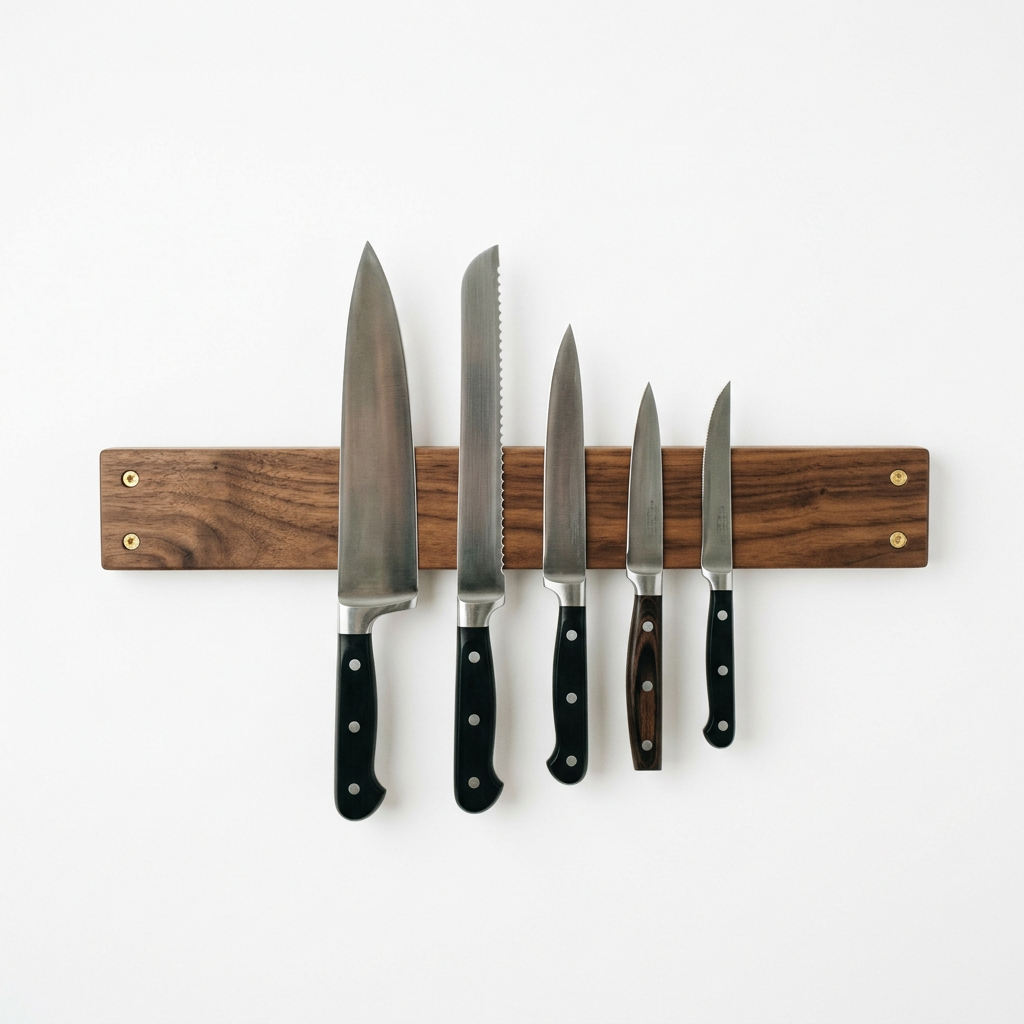
Proper storage methods include using a magnetic strip, a wooden block, or a knife roll to keep blades safe and separate. This not only maintains sharpness but also helps protect you from unnecessary cuts and accidents while searching for your tools.
Poor Cutting Techniques
Your cutting techniques can also contribute to the dulling of your knife. Using the wrong type of cutting board—such as glass, ceramic, or stone—can quickly wear down the edge of your knife. Instead, opt for softer materials like wood or plastic, which will be gentler on your blades.
Additionally, using it for inappropriate tasks, such as prying, twisting, or opening cans, can significantly affect the knife’s edge. Always reserve your knives for their intended purposes, and consider investing in a separate knife for specialized tasks.
Knife Sharpening Techniques
Whetstone Sharpening
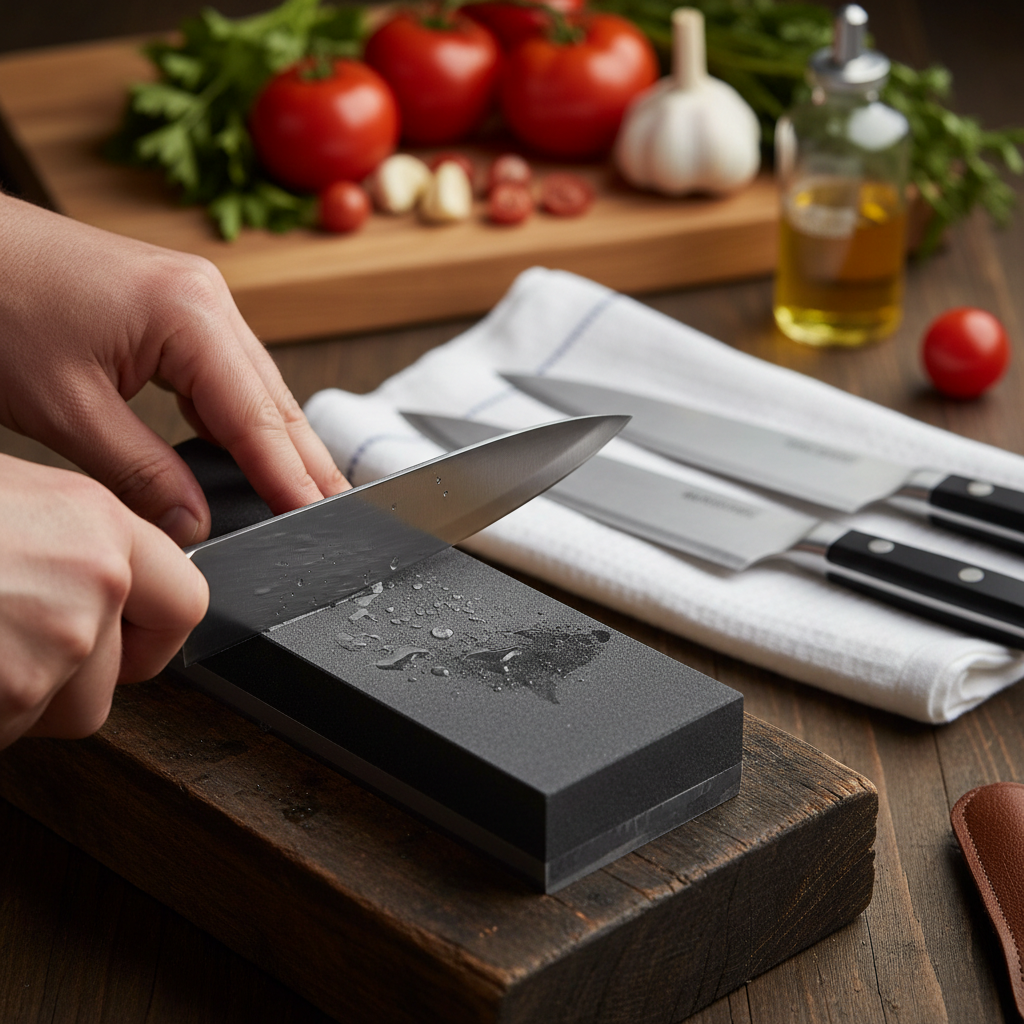
Using a whetstone is one of the most traditional and effective methods for sharpening knives. This technique may take some practice, but it offers unparalleled control and results. Here’s how to do it:
Honing Steel
Another common technique employed in both home and professional kitchens is using a honing steel. This tool is particularly useful for maintaining your knife’s edge between sharpenings. Here’s how to use it:
"Regular honing can extend the time between sharpening sessions—ideal for busy cooks!"
Electric Knife Sharpeners
If you’re looking for a more straightforward option, electric knife sharpeners can provide an easy, user-friendly alternative. These devices streamline the sharpening process:
Common Mistakes in Knife Sharpening
Knife Maintenance Tips
Regular Cleaning
Knives should be washed and dried immediately after use. This helps prevent corrosion and buildup from food particles that can dull the blade. Here’s how to properly clean your knives:
Storing Your Knives Correctly
As mentioned earlier, the way you store your knives significantly affects their longevity. Here are optimal storage solutions to consider:
Regular Inspection
Regularly inspect your knives for any signs of damage, rust, or chips in the blade. Prompt action can help address issues before they become significant problems.
Types of Knives and Their Maintenance
Chef’s Knife
The chef’s knife is versatile and commonly used in a variety of cooking tasks, from slicing meat to chopping vegetables. Regular honing and occasional sharpening with a whetstone will keep it in top shape.
Paring Knife
The paring knife is often used for smaller tasks such as peeling and deveining. It requires less frequent sharpening than a chef’s knife due to its smaller size, but honing is still recommended.
Bread Knife
While the serrated edge of a bread knife doesn’t need sharpening as often, it will still benefit from honing. Avoid cutting through hard surfaces to extend its life.
Specialty Knives
Knives like fillet knives, cleavers, or slicing knives may have unique requirements based on their specific functions. Consult the manufacturer's recommendations for maintaining specialty knives, as techniques can vary widely.
Conclusion
Knife sharpening is an invaluable skill that elevates your culinary capabilities while ensuring safety and efficiency in the kitchen. By understanding the importance of maintaining your knives, you can take every dish you prepare to the next level. Becoming proficient with sharpening techniques such as using a whetstone, honing steel, and electric sharpeners will empower you to take ownership of your kitchen tools.
Furthermore, consider the broader implications of knife maintenance. Regular cleaning, proper storage, and routine inspections are all essential components that keep your knives in optimal working condition. Investing the time to hone and sharpen these tools will not only enhance your culinary experience but will also lead to more delightful cooking sessions.
Arming yourself with this knowledge of effective knife maintenance can empower you to cook with confidence, creativity, and precision. Your blades are an extension of your culinary artistry — keep them sharp, and your cooking will reflect that mastery. You are not only responsible for the taste and presentation of your meals; you are also the steward of the tools that help you create delicious art!
As you embark on this knife sharpening journey, remember that practice makes perfect. Embrace the learning process and take pride in your ability to sharpen your knives effectively. The results in your dishes will be a testament to your dedication, and soon you’ll find even the most complex recipes become easier to execute with a sharp blade at your side. Happy sharpening!

Get the Next Recipe
Weekly recipes, techniques, and gear picks — straight to your inbox.
