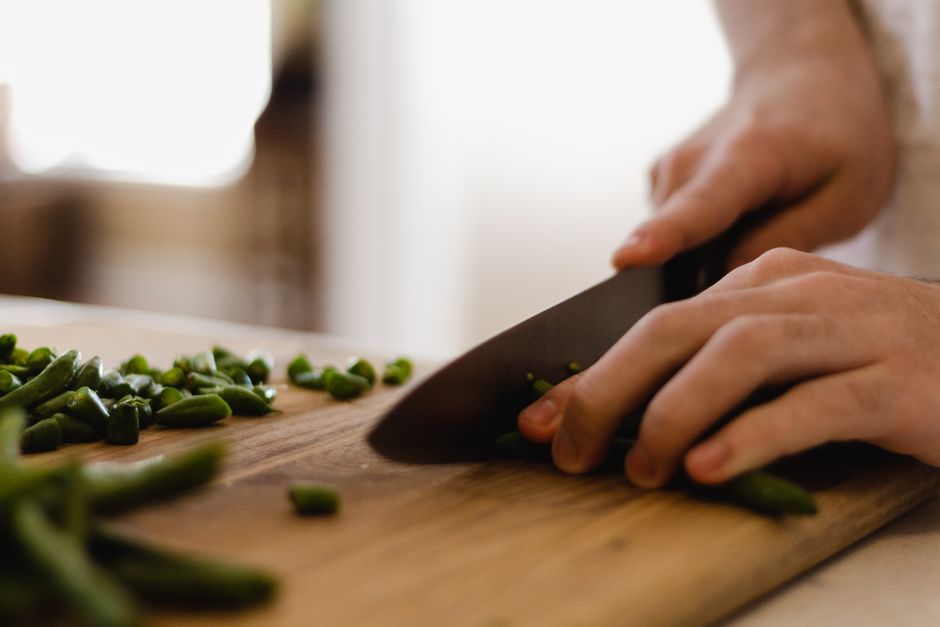
Knife Skills 101: Essential Cuts Every Home Cook Should Master
Mastering knife skills is a fundamental component of cooking that every aspiring chef should prioritize. Whether you’re a novice chef or an experienced home cook, learning how to wield a knife with precision can significantly transform your culinary experience. With the right techniques, you’ll not only improve your efficiency in the kitchen but also enhance the presentation of your dishes. The beauty of knife skills is that they elevate not just your cooking but your overall connection to food; a well-cut ingredient looks and tastes better.
The right knife techniques can streamline your prep time and reduce the frustration often associated with cooking. Many home cooks feel intimidated when faced with a perfectly julienned carrot or a beautifully minced garlic clove in recipes. However, these skills can be learned with practice and patience. By honing your knife skills, you’ll unlock a new level of confidence in the kitchen. A good knife will quickly become your best friend, whether you're dicing onions for a stew or slicing tomatoes for a salad.
In this blog post, we will dive deeply into essential knife cuts that every home cook should master. From the basic to the more advanced, you’ll discover an array of techniques that will enhance both your cooking skills and your enjoyment of culinary arts. We’ll cover the tools you’ll need, safety tips to keep in mind, the different types of cuts, and how to practice them in your own kitchen. So grab your favorite chef’s knife and let’s begin this journey into the world of culinary knife skills!
Essential Tools for Skillful Cutting
Before embarking on the journey of mastering knife cuts, one must understand the essential tools needed to execute these skills effectively. Having the right utensils will not only improve your technique but will also enhance your enjoyment and safety while you cook.
Types of Knives
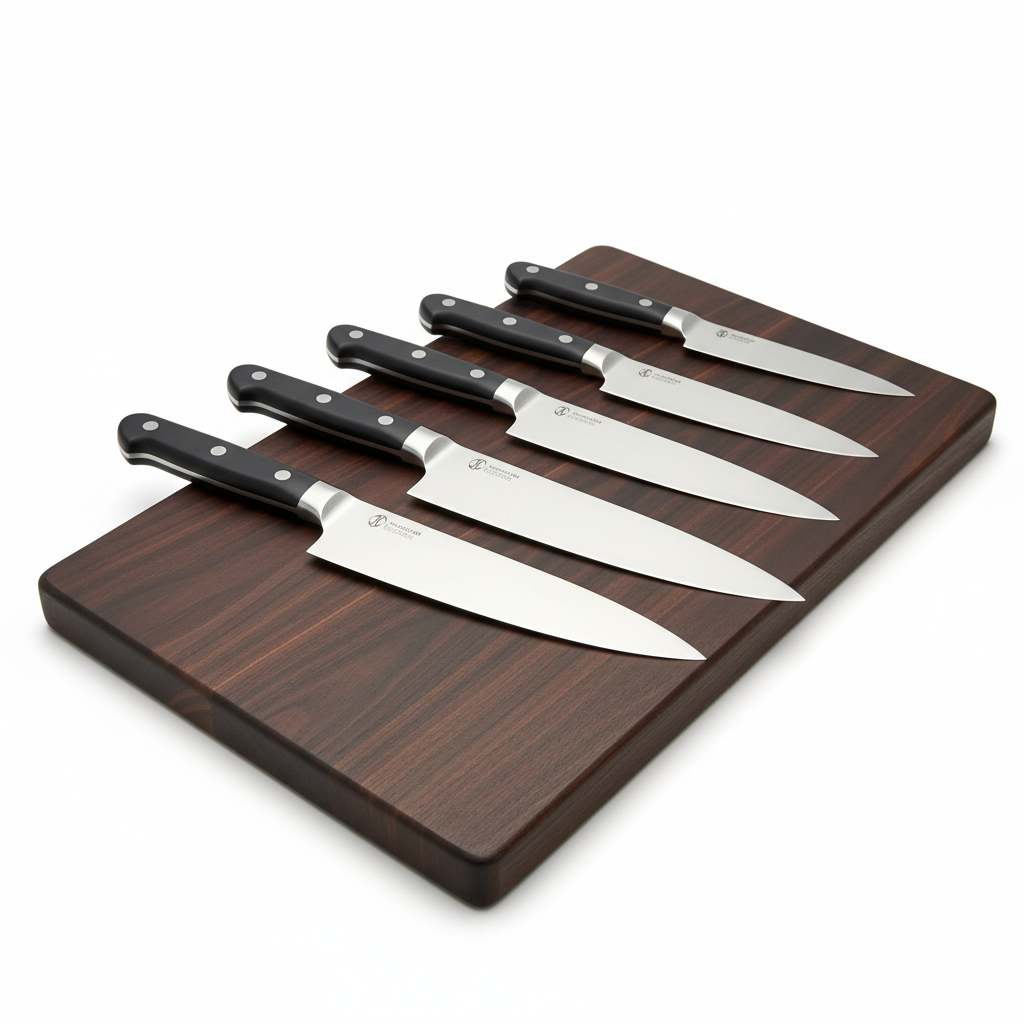
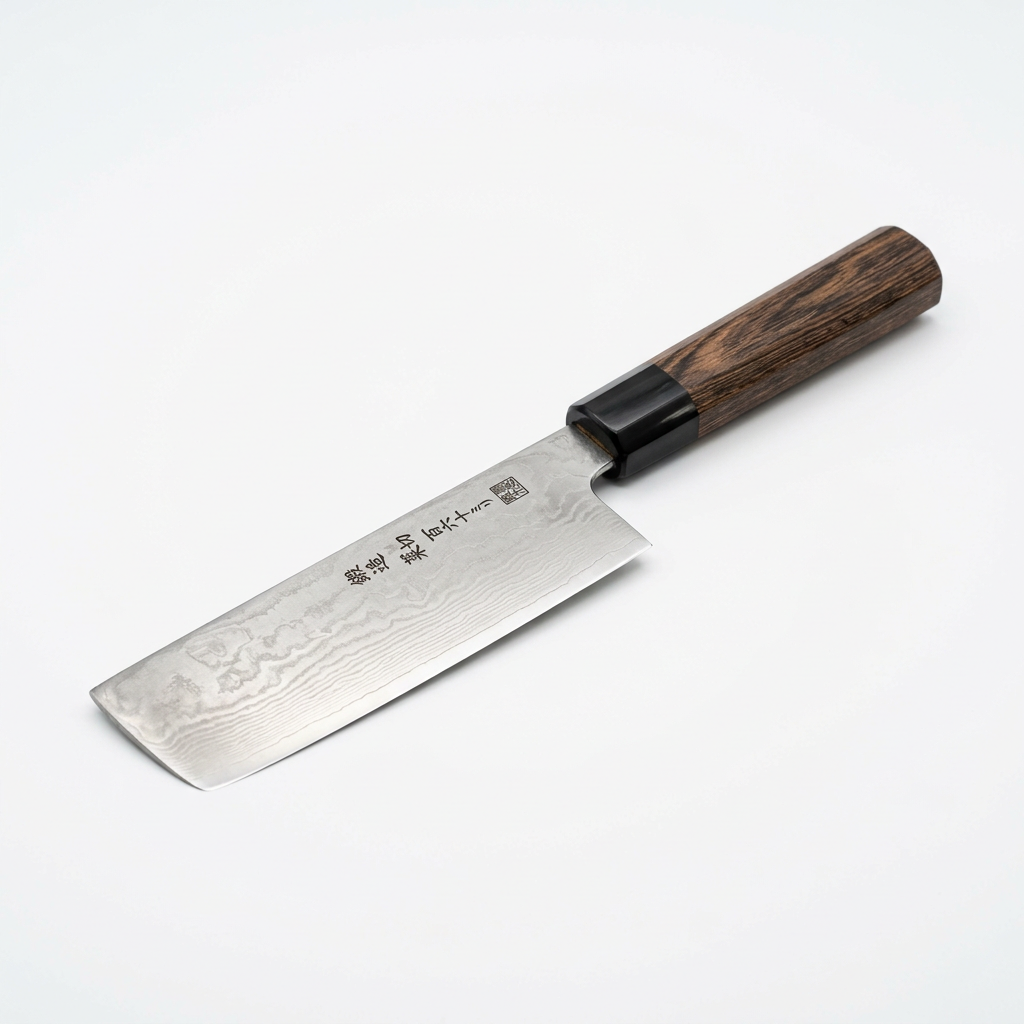
A well-stocked kitchen should feature a variety of knives, each designed for specific tasks. Here are the key knives you should consider:
In addition to these knives, having a good quality cutting board is crucial. Choose boards made from wood or composite materials, as they protect the edge of your knife and provide a stable surface. Avoid glass or ceramic boards, as they can dull your knives quickly.
Maintenance and Care
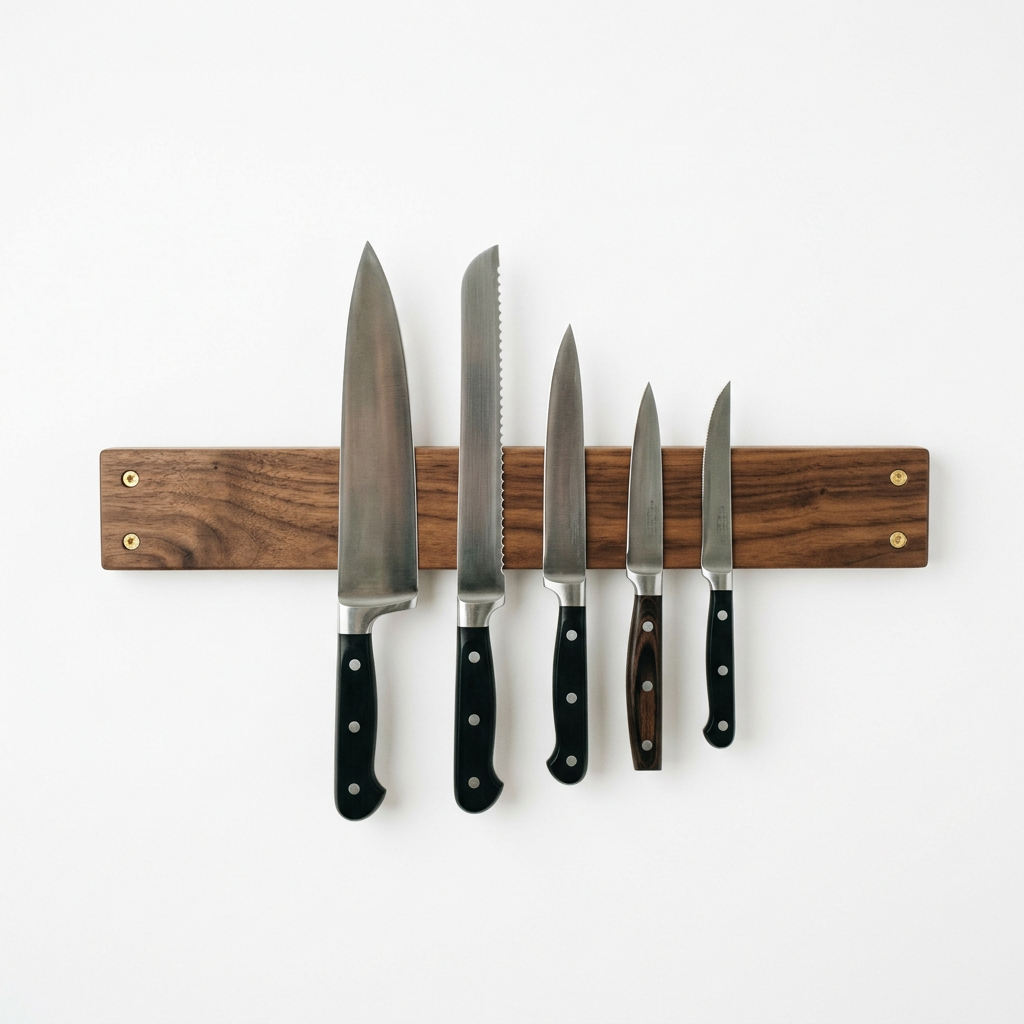
To ensure your knives remain in top condition, you should adopt both proper cleaning and storage habits:
By investing time in maintaining your knives, you'll ensure consistent performance in the kitchen and prolong the life of your utensils.
"A sharp knife is indeed a cook's best friend; it not only enhances efficiency but also brings out the joys of precision and creativity in cooking."
Knife Safety 101
With the fundamentals laid out, it's equally important to address safety as you embark on your knife skills journey. Cooking can be hazardous if proper precautions are not taken. Here’s how to keep yourself safe while handling knives:
Grip and Posture
Maintaining a proper grip and posture can significantly reduce the risk of accidents. Follow these tips for a safe and effective grip:
Hand Positioning
Your non-dominant hand plays a crucial role in maintaining safety and control while cutting. Here’s how to properly position your hand:
General Safety Tips
By adhering to these safety rules, you can practice your knife skills confidently and enjoy the process of cooking.
"Safety is not just a rule; it’s a mindset. A cautious cook is a happy cook."
Mastering Basic Cuts
With the groundwork of tools and safety outlined, let’s dive into the core of knife skills: the essential cuts every home cook should master. Each cut has its unique applications and benefits in various recipes.
The Dice
Dicing is a fundamental skill that serves as the basis for many dishes. Properly diced ingredients allow for even cooking and consistent flavor distribution.
- Cut the ingredient into uniform slices. For example, if you're dicing an onion, slice it in half and create thin vertical cuts.
- Rotate the item, creating thin crosswise slices to form a neat cube. The goal is to maintain uniform size for even cooking.
Diced ingredients can be used in a variety of dishes, from soups and stews to salsas and salads. Uniformity ensures even cooking and enhances presentation.
The Julienne
Julienne is a technique that transforms vegetables into thin matchsticks, making them perfect for stir-fries or salads.
- First, cut the vegetable into thin planks, about 1/8 inch thick.
- Stack the planks and slice them into thin strips, maintaining a consistent width.
Julienne cuts add a beautiful texture and visual interest to dishes, elevating your food to an aesthetic and flavorful art form.
The Batonnet
The batonnet cut is a thicker version of julienne and is particularly useful for making uniform pieces of vegetables that will be roasted or cooked in larger applications.
- Cut the length into thick, even planks, approximately 1/4 inch thick.
- Stack the planks and cut down into strips, providing you with batons.
Batonnets are often used in cooking methods that apply different textures to the ingredient, enhancing the dish’s overall flavor and aesthetic.
The Mirepoix
A mirepoix is a classic combination of diced onion, celery, and carrot that serves as a flavor base for countless dishes, particularly soups and stocks.
- Start with the onion, dicing it finely. Use the claw grip to guide your cuts evenly.
- Move on to the carrot; peel it and then dice it similarly to the onion.
- Finally, take the celery stalks, slice off the ends, and create even dice.
By mastering the mirepoix, you will cultivate a foundation of flavor that benefits a wide range of recipes.
Advanced Techniques
Once you’ve mastered the basic cuts, you may want to branch out into more advanced knife skills that will take your cooking to the next level. These techniques often involve more intricate cuts but can greatly enhance flavor profiles and presentation.
The Brunoise
Brunoise is an advanced technique that involves dicing vegetables into extremely small cubes, about 1/8 inch. This cut is often used for garnishing or finishing dishes.
- After julienning, gather the strips and start slicing across them to create tiny cubes.
- Aim for uniformity, as visual appeal is crucial in this technique.
Brunoise adds finesse to your dish and can be used as a garnish for soups or salads, providing a pop of flavor and color.
The Chiffonade
Chiffonade is perfect for greens and herbs. This technique involves rolling leaves together and slicing them into thin ribbons, ideal for salads or garnishes.
- Roll the leaves tightly like a cigar.
- With a serrated or chef's knife, slice the roll perpendicular to the leaf length.
Chiffonade cuts reduce the volume of greens while enhancing flavor release, making them an excellent ingredient for various dishes.
The Paysanne
This method produces thin, flat pieces of vegetables cut into shapes like triangles, squares, or circles, typically about 1/8 inch thick. This cut is ideal for soups or salads.
- First, slice the vegetable into planks, maintaining uniform thickness.
- Cut those planks into shapes, such as triangles or squares.
The paysanne cut is an excellent way to elevate the appearance and texture of your dishes, adding sophistication with minimal effort.
Practicing Your Skills
Once you understand the various cuts, it’s time to practice. Knife skills are primarily developed through repetition and hands-on experience. Here are some tips on how to effectively practice those skills:
Set Up a Practice Routine
- Onions and garlic for dicing.
- Carrots and bell peppers for julienne and batonnet.
- Leafy greens for chiffonade.
Create a Checklist
Incorporate a checklist for what you want to practice each session:
Timing Your Cuts
To simulate real cooking, put a timer on yourself during practice. Aim to:
This will help you gain speed and confidence in your abilities.
Cook with Your Cuts
The ultimate way to reinforce your skills is to use your perfectly cut ingredients in actual cooking. Prepare easy recipes that include a variety of those cuts. Consider making a vegetable stir-fry or a soup where your mirepoix shines.
"Remember, practice doesn’t make perfect; it makes better. The more you cut, the more skilled and confident you will become."
Recipes to Practice Your Skills
Here are a few simple recipes that will allow you to flex those knife skills while producing delicious meals.
Vegetable Stir-Fry
- 1 cup bell peppers (julienne)
- 1 cup carrots (julienne)
- 1 cup broccoli florets
- 1 cup onion (diced)
- 2 cloves garlic (minced)
- Soy sauce and sesame oil for flavor
- Heat a pan over medium heat and add sesame oil.
- Add garlic and onion, sauteing until the onion is translucent.
- Add the carrots and broccoli and stir-fry for 3-5 minutes until they start to soften.
- Toss in the bell peppers and cook for another 2 minutes.
- Finish with soy sauce for flavor.
This dish allows you to showcase your julienne and diced vegetables while producing a colorful, healthy meal.
Classic Vegetable Soup
- 1 cup diced onion (mirepoix)
- 1 cup diced carrots (mirepoix)
- 1 cup diced celery (mirepoix)
- 2 cups chopped tomatoes
- 4 cups vegetable broth
- Herbs for flavor (such as thyme and basil)
- Sauté mirepoix in a pot over medium heat until the vegetables soften.
- Add chopped tomatoes and cook for another 5 minutes.
- Pour in vegetable broth and seasoning, bringing the soup to a boil.
- Reduce heat and let simmer for 20-30 minutes for flavors to meld.
This simple recipe allows you to utilize your diced vegetables effectively, resulting in a hearty and satisfying dish.
Conclusion
Mastering knife skills is a crucial journey for any home cook aiming to elevate their culinary prowess. By investing time in learning various cuts, understanding the tools needed, and practicing techniques regularly, you'll find yourself more efficient in the kitchen, capable of crafting visually stunning meals with ease.
As you continue to build upon your knife skills, remember that practice is key—don’t be discouraged by the occasional slip-up; every chef starts somewhere. Celebrate the small victories, and over time, these techniques will become second nature. Your confidence will grow, and your enjoyment of cooking will deepen as you create mouthwatering dishes with precision and finesse.
With the skills and techniques detailed in this blog post, you're now equipped to tackle everything from quick weeknight dinners to elaborate meal preparations for friends and family gatherings. So get in the kitchen, make those cuts, and let your cooking shine!

Get the Next Recipe
Weekly recipes, techniques, and gear picks — straight to your inbox.
