
Knife Skills 101: How to Hold and Move Like a Pro
In the bustling world of culinary arts, the ability to wield a knife proficiently can make the difference between an amateur dish and a restaurant-quality meal. Whether you’ve picked up a knife for the first time or you’re seeking to refine your skills, mastering basic knife techniques is central to kitchen success. Learning to hold and move your knife like a pro not only enhances your efficiency but also elevates the overall experience of food preparation, allowing for more creativity and less frustration.
Knife skills lie at the core of every cooking endeavor, regardless of the complexity of the dish being prepared. A well-prepared meal begins with high-quality ingredients, and the way those ingredients are cut influences their texture, flavor, and cooking time. Proper technique can also prevent injuries and make the cooking process more enjoyable. A confident grip and smooth movements not only protect your fingers but also lead to consistent, even cuts that showcase the beauty of fresh produce and proteins.
In this guide, we will explore the ins and outs of knife skills, from the fundamental grips and cutting techniques to practical tips for organizing your workspace. By the end of this post, you will be well on your way to wielding your knife with the finesse and precision of a seasoned chef. Let’s dive into the essential skills that will transform your cooking experience!
The Importance of Grip
The foundation for good knife skills starts with the grip. Understanding how to hold your knife can significantly affect your control and precision. There are several recognized grips used by professional chefs, and each has its advantages, depending on the task at hand.
The Pinch Grip
The pinch grip is perhaps the most common and favored method among culinary professionals. In this grip, you pinch the blade of the knife with your thumb and the side of your index finger while wrapping your remaining fingers around the handle. This technique allows for greater control and stability.
How to Achieve the Pinch Grip:
"A good grip isn’t just comfortable; it’s essential for achieving consistent cuts and minimizing the risk of injury."
The Handle Grip
The handle grip is a straightforward way of holding the knife, especially for beginners. In this method, all four fingers grasp the handle while the thumb rests on the opposite side. While it offers comfort, it may not provide as much precision for finer cuts.
How to Achieve the Handle Grip:
This grip is suitable for larger chopping tasks where precision isn’t the primary concern but can limit control in more intricate work.
The Chef's Grip
The chef's grip is similar to a pinch grip but typically involves holding a larger knife. It provides substantial control, particularly when using a large, heavy chef's knife for chopping or rocking techniques.
How to Achieve the Chef’s Grip:
Essential Cutting Techniques
Now that we’ve addressed how to grip a knife, let’s discuss some essential cutting techniques. Each method serves a specific purpose and can change the cooking experience dramatically.
The Chop
Chopping is a basic but vital technique that forms the foundation for many recipes. It refers to cutting food into evenly sized pieces, which helps ensure they cook at the same rate.
How to Chop:
Dicing
Dicing is a more precise form of chopping, where food is cut into small cubes. Diced vegetables, like onions, and peppers, are often used in salsas or stir-fries.
How to Dice:
A common size for dicing is about ¼ inch cubes. Keeping consistency ensures that the flavors blend well as the ingredients cook.
Mincing
Mincing refers to cutting food into very small pieces, often used for garlic, herbs, or ginger. This technique releases more flavor from the ingredients.
How to Mince:
"Mincing can drastically elevate the flavor profile of a dish—don’t skimp on this step!"
Julienne
The julienne technique results in thin, matchstick-like pieces of fruits or vegetables, often used in salads or stir-fries for their aesthetic appeal.
How to Julienne:
Brunoise
For those looking to really impress, the brunoise technique involves cutting culinary ingredients into small dice, typically 1/8-inch cubes. This technique is often used for presentation and in fine dining.
How to Brunoise:
Knife Maintenance and Safety
Knife skills extend beyond cutting techniques; maintaining your blade and practicing safe usage are critical components of being a responsible cook.
Sharpening Your Knife
A sharp knife is not only safer than a dull one, it also makes your cuts cleaner and more efficient. There are several methods for sharpening knives:
How to Sharpen with a Whetstone:
Cleaning and Storage
Taking care of your knives is vital for their longevity. After each use, wash the knife by hand with warm water and mild detergent. Avoid putting knives in the dishwasher, as this can dull blades and cause chipping.
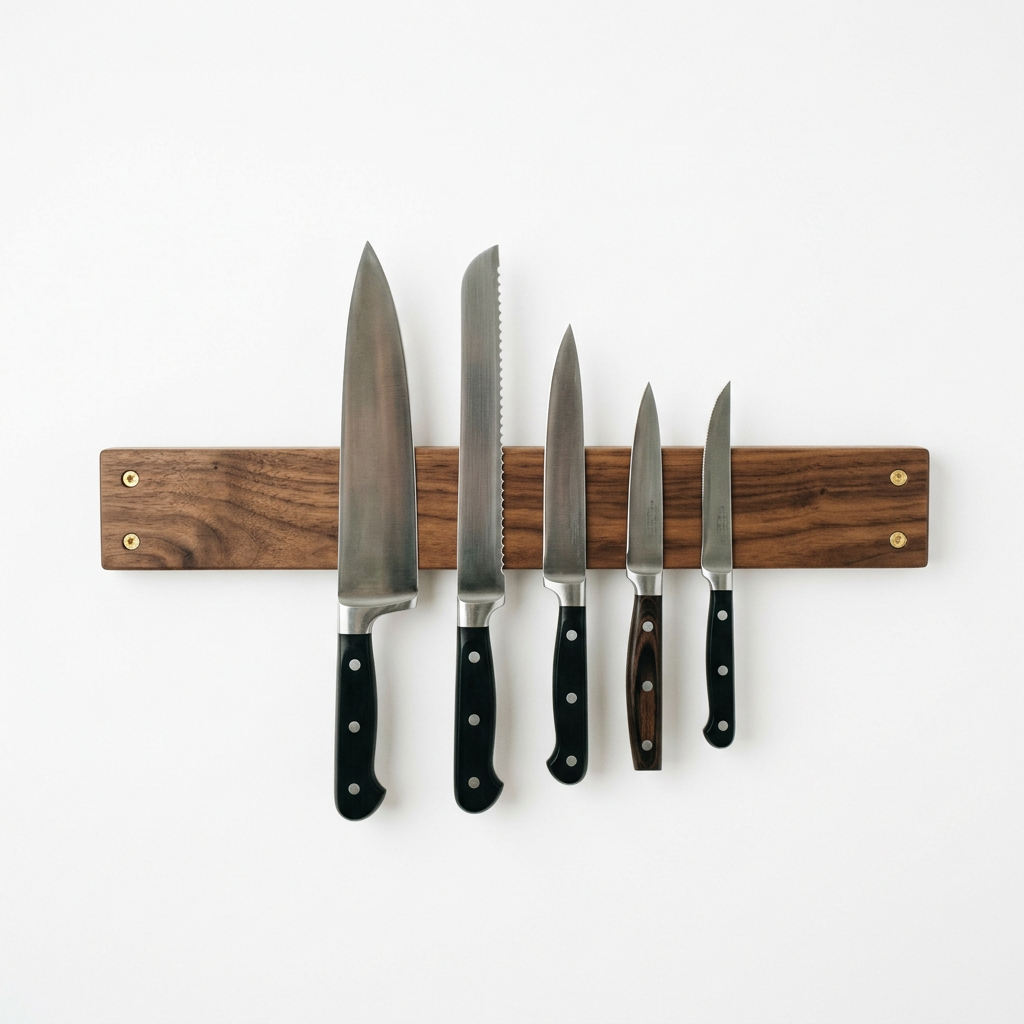
Storage tips include:
Safety Practices
"Safety is as crucial as skill when it comes to using knives. Prioritize it and you’ll enjoy a world of culinary success."
Choosing the Right Knife
Understanding the different types of knives and their specific uses can significantly enhance your culinary experience. Investing in a few essential knives will set you up for success in the kitchen.
Essential Knives for Your Kitchen
Specialty Knives
If you’re passionate about certain cuisines, consider adding specialty knives to your collection:
Selecting the Right Knife for the Task
Each knife excels at specific tasks, so choose wisely. For instance, a chef’s knife is perfect for chopping vegetables, while a paring knife is ideal for peeling fruits.
Price and Quality
Investing in quality knives can have a lasting impact on your cooking. Look for reputable brands with high-quality materials. It is worth investing a bit more in a knife that will last versus buying cheap tools that need frequent replacement.
Organizing Your Workspace
A clean, organized workspace can greatly improve your efficiency and enjoyment while cooking. Learning how to set up your mise en place allows for fluid knife skills.
Setting Up Your Cutting Station
Mise en Place
Mise en place is a French term meaning “everything in its place.” It refers to the setup required before cooking, such as chopping, measuring, and organizing ingredients.
Steps to Achieve Mise en Place:
The Benefits of Organization
An organized workspace allows you to focus exclusively on the cooking process instead of searching for tools and ingredients. It also helps reduce waste and prevents accidents.
Advanced Techniques and Tricks
Once you’ve mastered the basics, consider tackling some advanced techniques that can further enhance your culinary prowess.
Speed Chopping
Speed chopping can significantly cut down on prep time. It involves not only quick hands but also the perfect technique, angle, and rhythm.
How to Practice Speed Chopping:
The Rocking Motion
The rocking motion of cutting allows for a smooth, controlled technique that can increase efficiency. Using this method is particularly effective for herbs and small items.
How to Rock:
Cutting Techniques from Different Cultures
Exploring international cutting techniques can enhance your skills and expand your culinary repertoire. For example, the Japanese style of cutting emphasizes a smooth slice, while the French technique focuses on precision and uniformity.
Conclusion
Knife skills are the backbone of effective cooking; they influence everything from meal preparation speed to the final presentation of your dishes. As you refine your grip, cutting techniques, maintenance practices, and workspace organization, you’ll find that each aspect contributes to an enjoyable culinary journey. Remember, mastery takes time, so practice regularly. Your confidence with a knife will grow exponentially, opening the door to creating dishes that not only taste fantastic but also look enticing.
By integrating these techniques into your cooking routine, you’ll elevate your kitchen skills and become a more adept home cook. Experiment with different styles and find what works best for you, while staying mindful of safety and maintenance. Before long, you’ll be wielding your knife with confidence and joy, transforming your culinary creations one cut at a time. Happy cooking!


Get the Next Recipe
Weekly recipes, techniques, and gear picks — straight to your inbox.
