
Knife Skills Demystified: Sharpening, Technique, and Maintenance
When it comes to cooking, the tools you use can make all the difference between an average dish and a culinary masterpiece. One of the most critical tools in a cook's arsenal is a good chef's knife. Yet, despite having the right knives, many home cooks struggle with the fundamental skills required to wield them effectively. Understanding knife skills is crucial, not only for improving efficiency in the kitchen but also for enhancing safety and achieving precision in cuts. The ability to chop, slice, and dice efficiently can elevate meals and open the door to more complex recipes that require a higher level of technique.
Knife skills demystified encompass various elements, from selecting the right knife to mastering the different types of cuts. Whether you are an experienced home cook or a novice who is just beginning to discover the joys of cooking, refining your knife skills will undoubtedly enhance your culinary experience. Moreover, the pride that comes with expertly diced onions or julienned carrots cannot be understated; it's an art form that allows you to showcase your creativity in the kitchen.
As we embark on this journey to sharpen our culinary abilities, it’s essential to focus not only on how to hold and use a knife but also on how to maintain it properly. A well-maintained knife is your best ally in the kitchen, and understanding the nuances of knife care can significantly prolong the life of your tools. In this comprehensive guide, we will explore the essentials of sharpening, cutting techniques, and maintenance to help you become a more confident and skilled cook.
Understanding Different Types of Knives
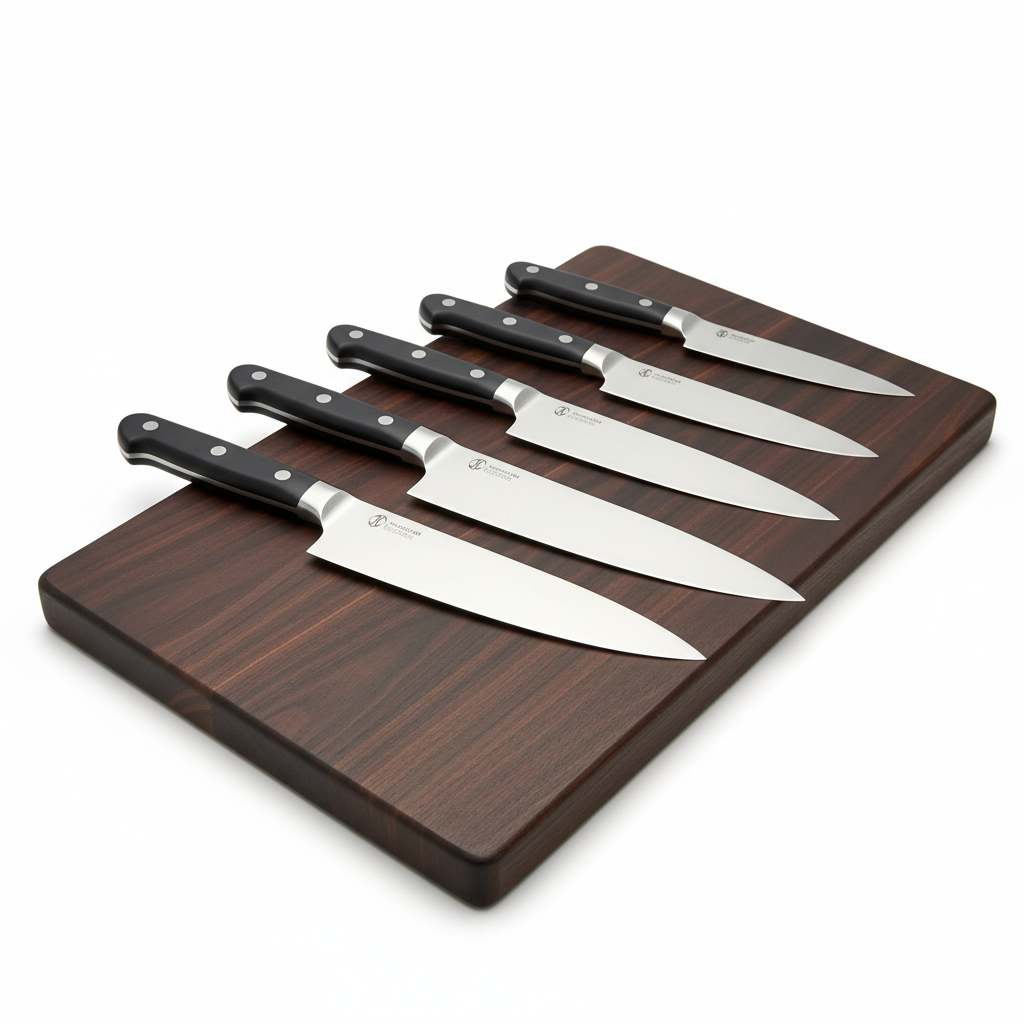
Knives come in many shapes and sizes, each designed for specific tasks. Understanding the purpose and function of various knives allows you to choose the right one for the job, which is the first step in mastering knife skills.
**Chef's Knife vs. Paring Knife vs. Serrated Knife**
Using the right knife is essential for ease and efficiency, so take time in selecting quality knives that feel comfortable in your hands.
**Specialty Knives**
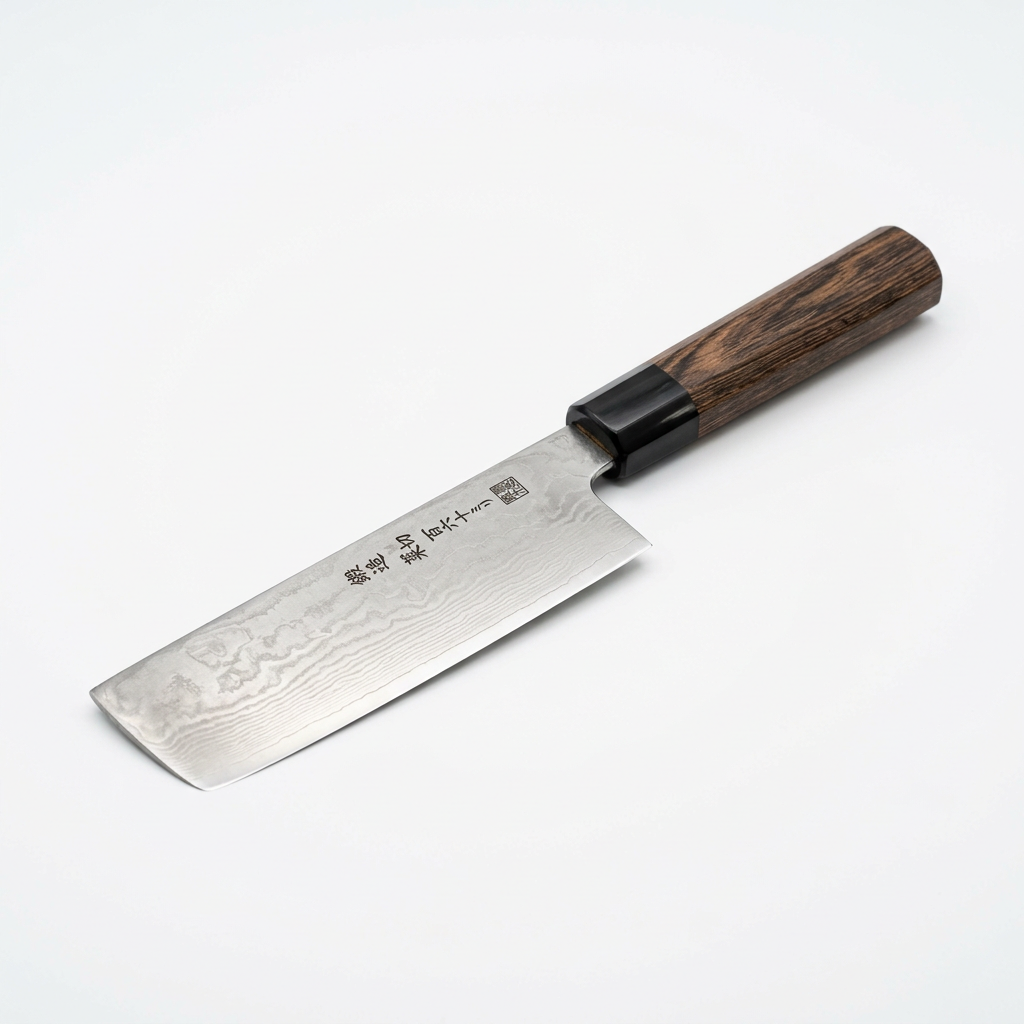
Beyond the three primary knives mentioned above, there are several specialty knives that can enhance your skills further:
Understanding the materials used to make knife blades can also inform your choices. High-carbon stainless steel, for instance, is both durable and resistant to rust, while ceramic knives remain incredibly sharp but are more brittle.
Mastering Basic Cutting Techniques
Once you have your knives ready, it’s crucial to learn how to use them properly. Understanding various cutting techniques will enable you to achieve consistent sizes and shapes in your ingredients, leading to even cooking and a more aesthetically pleasing presentation.
**The Grip**
How you hold your knife can significantly affect your control and safety. When using a chef's knife, a pinch grip is highly recommended:
This grip offers better control and stability. For your non-dominant hand, use a claw grip—curving your fingers under to hold the food secure while keeping your fingertips away from the blade.
**Basic Cuts**
Familiarizing yourself with basic cuts is fundamental before you can advance to more complex techniques.
**The Rocking Motion**
Many professional chefs use a rocking motion when chopping with a chef's knife. This technique involves moving the knife in an arc while the tip remains on the cutting board. This method allows for quick, efficient chopping without lifting the blade off the board constantly.
"Perfecting your knife skills is a journey, not a destination. Be patient and practice regularly to see improvement."
Knife Sharpening Techniques
Improperly sharpened knives can lead to frustration and danger in the kitchen. Therefore, learning proper sharpening techniques is essential.
**Understanding Sharpness**
A sharp knife is not only safer but also more efficient for cutting through food. An effective knife should be able to slice cleanly through paper or a tomato skin without much pressure.
**The Tools of Sharpening**
There a few different tools you can use to sharpen your knives:
**Whetstone Sharpening Technique**
If you choose the whetstone method, follow these steps:
The more you practice, the more confident you will become in knowing how much pressure to apply and how to maintain your angles.
Safety Practices
While achieving perfect knife skills is the goal, safety in the kitchen is paramount.
**Proper Cutting Board Use**
Always use a sturdy cutting board. Ideally, you should have separate boards for meat and vegetables to avoid cross-contamination. Wooden boards offer some advantages:
**Avoiding Cuts**
While practicing with knives, be aware of your surroundings:
**Maintenance of Your Workspace**
Keep your workspace organized and clean. This not only prevents accidents but also makes your cooking experience much more enjoyable. A clutter-free surface allows you to assess your area better and work more efficiently.
"Knife skills are built through practice and patience. Don't be afraid to make mistakes, as they are an integral part of the learning process."
Advanced Techniques for the Experienced Cook
Once you feel comfortable with the basics, you can explore more advanced cutting techniques that professional chefs use.
**Mise en Place**
Mise en place means 'everything in its place.' This fundamental principle in professional kitchens encourages preparation and organization:
This method not only saves time but also stresses the importance of precision and presentation in your dishes.
**Brunoise and Chiffonade**
**Slicing Against the Grain**
When cutting meats, always slice against the grain. This technique helps in breaking through muscle fibers, creating a more tender bite.
With practice, you’ll begin to visualize how various cuts can alter the final presentation and texture of your dishes.
Knife Maintenance and Care
Keeping your knives in top shape requires a routine that involves proper cleaning, storage, and maintenance.
**Washing and Drying**
**Storage Solutions**
Proper storage is crucial for maintaining the quality of your knives. Here are some options:
**Regular Inspections**
Periodically check your knives for chips in the blade or wear on the handle. Address any issues promptly by sharpening, honing, or replacing knives as necessary.
"Daily practice in your knife skills will transform you into a confident cook, ready to tackle any recipe with finesse."
Elevating Your Cooking with Knife Skills
Now that you’ve honed your knife skills, it’s time to see how these techniques can transform your dishes.
**Making Flavorful Stocks**
Good knife skills are invaluable when preparing stocks. The more uniform your cuts, the more even the flavor extraction will be.
**Prepping Vegetables for Roasting**
When preparing vegetables for roasting, uniform cuts ensure even cooking. Try these steps:
**Creating Stunning Garnishes**
Your knife skills can also be showcased through beautiful garnishes.
By mastering knife skills, you’re not just improving your technique; you’re elevating the overall dining experience.
Conclusion
In the culinary world, knife skills are an essential foundation for success. As we've explored throughout this post, understanding the types of knives, mastering various cutting techniques, and committing to proper maintenance can profoundly affect your overall cooking experience. It is a skill set that takes time and patience to develop, but the rewards are immensely satisfying.
As you continue on your culinary journey, remember that practice makes perfect. Utilize the techniques discussed in this post, be mindful of safety, and allow yourself to make mistakes along the way. Each chop, slice, and dice reinforces your growing confidence and expertise in the kitchen. Whether it’s a simple weeknight dinner or a lavish feast for friends, the skills you cultivate will shine through in every dish you prepare.
Above all, embrace your journey in honing your culinary crafts, and never underestimate the power of a perfectly executed knife cut—the transformative element that adds finesse to the art of cooking. So grab your knives, get to chopping, and prepare to impress both yourself and your guests with the delicious results of your hard work and dedication!

Get the Next Recipe
Weekly recipes, techniques, and gear picks — straight to your inbox.
