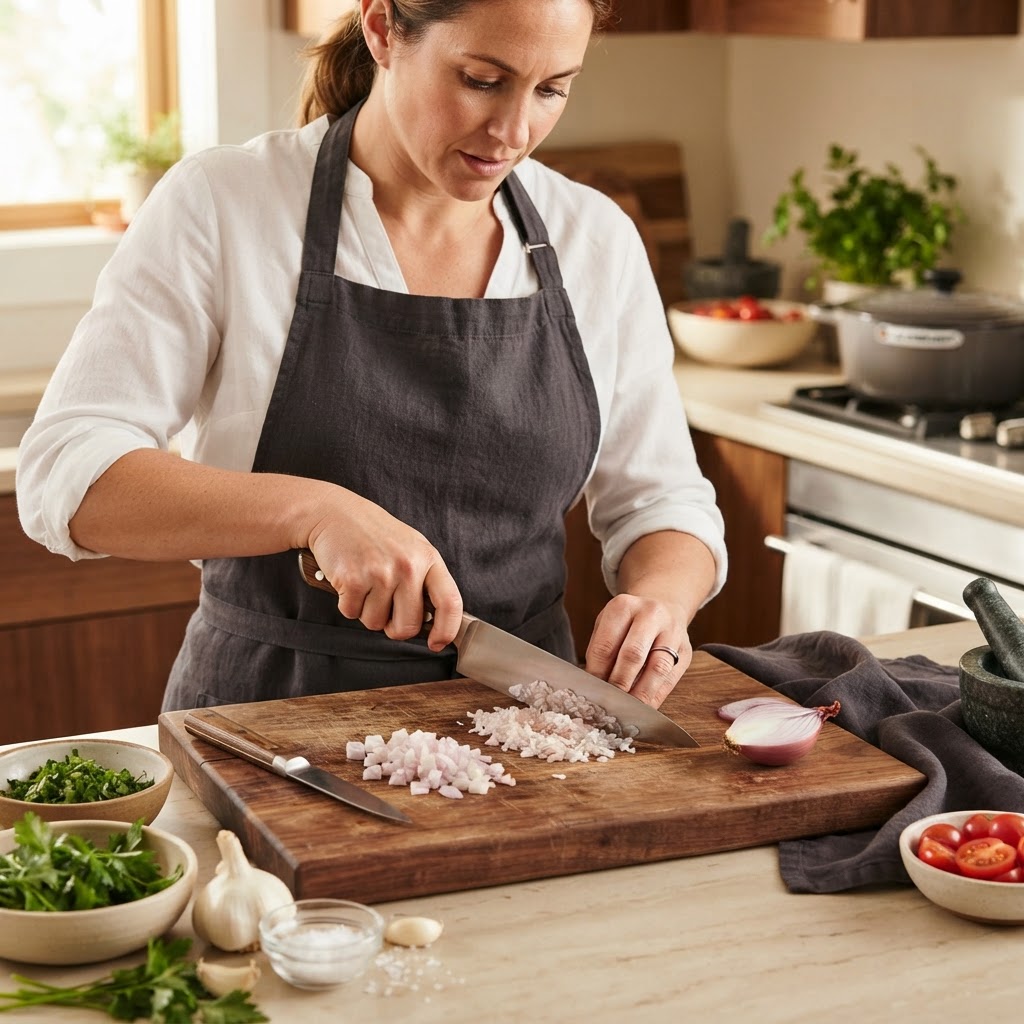
Knife Skills for the Home Cook: Mastering Essential Cuts with Precision and Confidence
When it comes to cooking, having great ingredients and a solid recipe is undoubtedly important. However, there's an underlying skill that can elevate your culinary game and turn your meals from good to extraordinary: knife skills. Understanding how to wield a knife with confidence and precision can enhance not just the aesthetics of your dishes but also their flavors. Properly cut ingredients cook more evenly and blend harmoniously, ensuring that each bite bursts with balanced flavor. The knife is one of the most fundamental tools in cooking, and mastering its use can significantly affect your kitchen adventures.
Many home cooks often overlook knife skills, believing that as long as they can chop and slice, they are good to go. But this attitude can lead to inconsistency in cooking results and, frankly, a lot of lost time in the kitchen. By honing your knife skills, you can work more efficiently, reduce prep time, and experience a growing sense of confidence. Imagine dicing vegetables uniformly, which ensures even cooking, or filleting a fish like a pro. These skills not only improve your culinary prowess but also allow for a deeper connection with the food you prepare.
In this comprehensive guide, we’ll explore the essential techniques of knife skills, the types of knives you should have in your kitchen, and the various cuts you can master. From the chef’s knife to the paring knife, each tool has its purpose and learning how to use them effectively can unleash your full potential as a home cook. So grab your apron and put on your chef's hat — it’s time to dive into the world of knife skills and transform your culinary experience from amateur to expert.
The Importance of Knife Skills
Knife skills are arguably the cornerstone of effective cooking. They go beyond mere aesthetics; they have a profound impact on efficiency, consistency, and safety in the kitchen. As you learn various cuts, you'll find that your cooking speed increases exponentially. For instance, a well-practiced chef can julienne an onion in mere seconds, while a novice might take minutes. The time saved during prep can be significant, allowing you to focus more on the cooking aspect.
“The knife is a home cook's most prized possession. It’s not just a tool; it’s an extension of your ability to create.”
Having excellent knife skills also means understanding how to maintain your tools. A dull knife requires more force, leading to accidents and uneven cuts. Learning how to sharpen and care for your knives is just as important as mastering the cuts themselves. Properly honed blades allow for clean cuts, giving your dishes a professional look.
Finally, good knife skills improve your overall cooking experience. Imagine slicing herbs for a fresh pesto or cutting tomatoes for a salad with ease and precision. As you build your confidence, you'll discover that cooking not only becomes more enjoyable but also opens the door for creative expression. In a world where presentation matters as much as flavor, knife skills play a crucial role.
Choosing the Right Knives
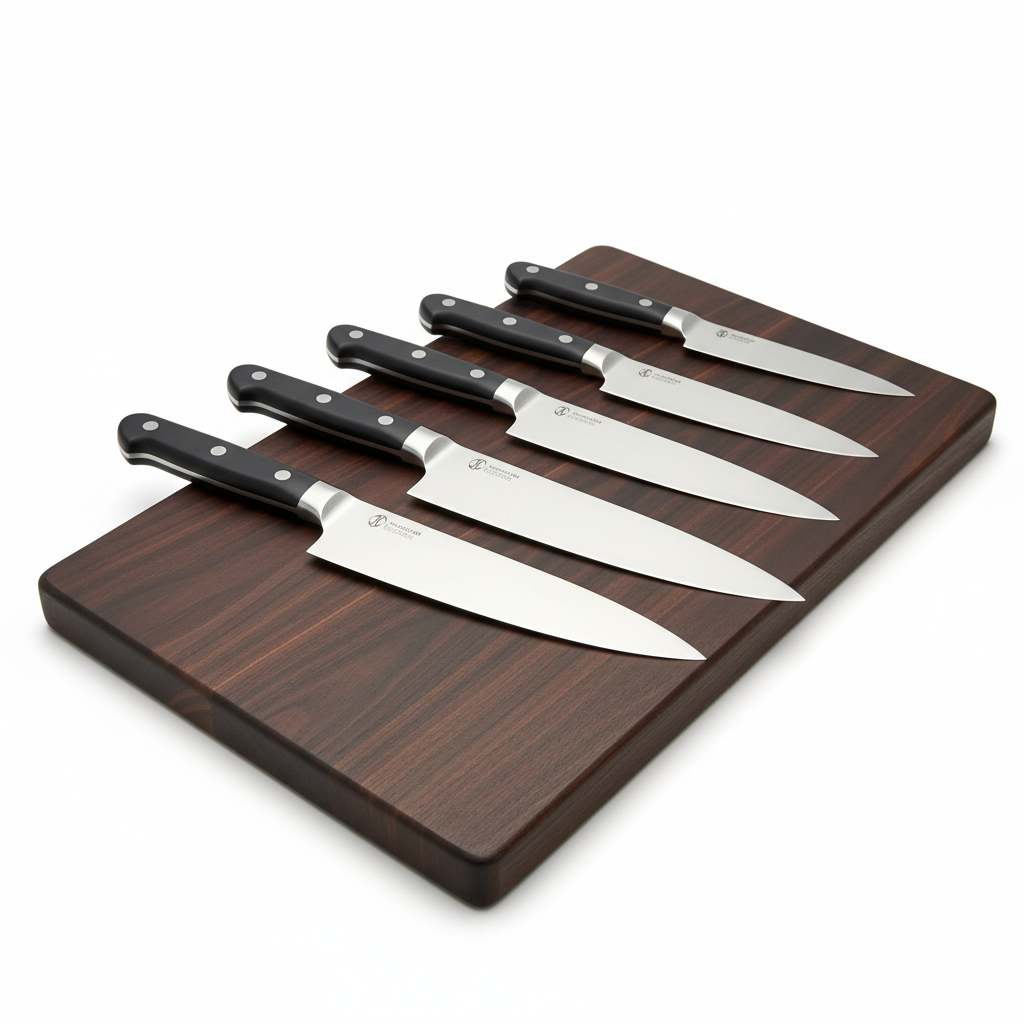
The first step in mastering knife skills is understanding the different types of knives available and their specific uses in the kitchen. Each knife serves a unique purpose, allowing for versatility and efficiency in food prep. Investing in the right knives is essential for both aspiring and seasoned cooks.
Essential Knives for Every Home Cook
Additional Tools
While the above knives are essential, consider adding a few more specialized tools to your collection:
Selecting high-quality knives can significantly enhance your cooking experience. When selecting knives, look for those made from durable materials, comfortable grips, and good balance.
“A good knife is an investment. Treat it well, and it will serve you for years.”
Knife Safety
Using a knife in the kitchen comes with its own set of risks. Proper safety measures can prevent accidents and ensure a safer cooking experience.
General Knife Safety Tips
#### Knife Maintenance
Taking care of your knives is equally important as knowing how to use them.
Mastering knife safety enables you to focus on enhancing your culinary techniques without the fear of injury. The confidence in knowing you are equipped to handle your tools safely will reflect in your overall cooking experience.
Mastering Basic Cuts
Now that we have covered safety and knife selection, we can dive into mastering the essential cuts you’ll use in everyday cooking.
Chopping and Dicing
Chopping and dicing are fundamental knife skills that create the base of countless dishes. While they may seem similar, mastering each technique enhances your food preparation efficiency.
To chop:
- Place the ingredient on the cutting board.
- Use the chef’s knife, keeping the tip down on the board.
- Bring the blade down in a quick, controlled motion while moving the knife forward.
To dice:
- Start with chopping the ingredient into uniform slices.
- Then cut those slices into strips, keeping them aligned.
- Finally, rotate the strips and cut crosswise to create cubes.
“Cooking is not about perfection; it’s about consistency. A good chop can elevate any dish.”
Julienning and Batonnet
Julienning adds a decorative touch to your dishes, creating thin, matchstick-like pieces. Batonnet is a slightly larger cut, about ¼ inch by ¼ inch, making it ideal for presentation.
- Slice the vegetable (such as a carrot or bell pepper) into the desired length.
- Cut the slices into thin strips.
- Start with rectangular pieces of your vegetable.
- Slice them into ¼ inch strips.
Using these cuts not only enhances presentation but also ensures even cooking, leading to better flavor melding.
Advanced Cuts: Mincing and Brunoise
Once you have mastered the basic cuts, it’s time to sharpen your skills further with mincing and brunoise.
Mincing
Mincing involves cutting food into very small pieces, often used for garlic, herbs, and onions. This technique releases essential oils and intensifies flavors.
To mince:
Brunoise
Brunoise is a culinary technique that involves cutting vegetables into fine dice, typically ⅛ inch cubes. It’s often used as a base for sauces or as a garnish.
To execute this cut:
Mastering these advanced cuts can truly elevate your dishes both in presentation and flavor, opening the door to more complex recipes and styles of cooking.
Practicing Knife Skills
Like any skill, practicing knife techniques is crucial for improvement. To become proficient, incorporate knife skills into your regular cooking routine.
Structured Practice
Practice makes perfect! Set aside some time during your weekly meal prep to focus on honing your skills.
Recipes for Practice
Here are a few simple recipes to help you practice your knife skills while cooking.
Sharing and Feedback
If you have friends or family who share your passion for cooking, consider organizing a knife skills night. This can provide a platform for practicing together, sharing tips, and offering constructive feedback.
“Sharing your cooking journey with others ignites the passion and keeps your enthusiasm alive.”
Enhancing Blade Techniques
Once you’re confident with basic cuts, consider enhancing your techniques to bring a professional touch to your culinary creations.
Using the Point and Rocking Motion
A significant skill in using a knife effectively is mastering the point and rocking motion.
Speed and Efficiency Practice
As you grow comfortable, work on increasing your speed. This can be beneficial during busy meal prep times or when entertaining guests.
Conclusion
Mastering knife skills is an invaluable contribution to your culinary development. From enhancing your efficiency and safety in the kitchen to boosting your creativity, fine-tuned knife skills will allow you to approach cooking with newfound confidence. Each cut you practice lays the foundation for a more refined culinary experience.
Whether you are eyeing the perfectly diced onion for your next soup, the orderly julienned vegetables for a stir-fry, or aiming for the finesse of garnishing with a brunoise, these knife skills are essential tools in your kitchen arsenal.
As your skills grow, so will your dishes — not just in taste but also in presentation. So take the plunge, invest in quality knives, and treat them with the care they deserve. Soon enough, you'll find yourself navigating the kitchen like the home chef you aspire to be, with knife skills that not only impress but also elevate the art of cooking into a rewarding culinary experience.
By incorporating consistent practice, exploring various recipes, and embracing the artistry that comes with mastering your knife skills, you open a world of culinary possibilities. The kitchen is your canvas — let those knife skills paint the beautiful dishes that await. Happy cooking!

Get the Next Recipe
Weekly recipes, techniques, and gear picks — straight to your inbox.
