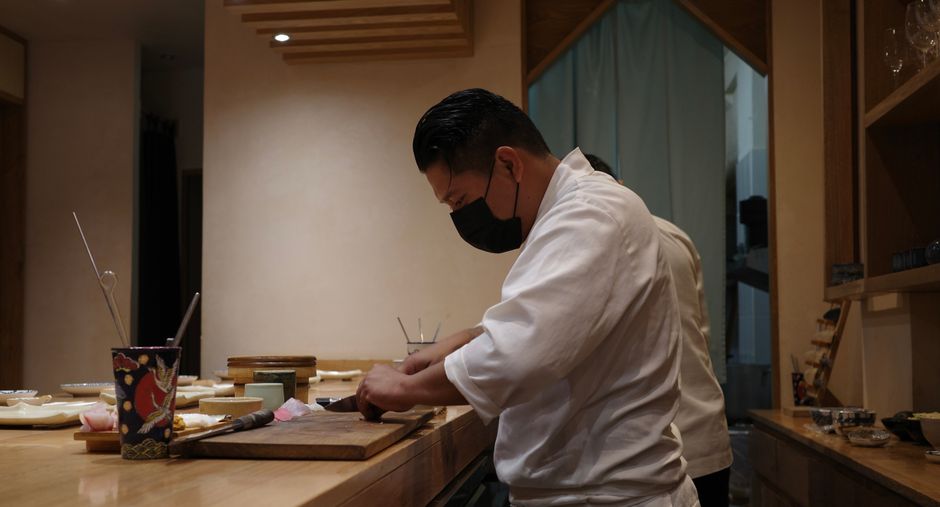
Knife Skills Master Class: From Brunoise to Julienne
In the world of culinary arts, knife skills form the bedrock upon which culinary prowess is built. For both aspiring chefs and home cooks alike, mastering the knife is essential not just for efficiency, but for safety and presentation as well. Understanding how to wield this fundamental tool can make a burgeoning chef feel like a seasoned professional. The knife cuts we will discuss today—from the elegant brunoise to the classic julienne—are not merely practical skills; they enhance flavor development and texture, allowing you to create stunning dishes that impress any palate.
Embracing knife techniques can be a transformative experience. When you grasp the correct methods of cutting, slicing, dicing, and chopping, you unlock new possibilities in the kitchen. Imagine the satisfaction of uniformly diced vegetables ready for a stir-fry or beautifully julienned carrots nestled delicately in a refreshing slaw. These cuts not only enhance the aesthetic appeal but also influence the cooking times, ensuring every ingredient cooks to perfection.
In this master class on knife skills, we’ll delve into the various types of cuts you should know, each with its unique characteristics and applications. Whether you're prepping for a family dinner or a lavish gala, possessing a solid repertoire of knife techniques will elevate your dishes and confidence in the kitchen. Throughout this journey, prepare to learn the precise methods, tips, and tricks that will make you an accomplished home cook, leaving you to say with pride: "I did that."
The Importance of Knife Skills
Understanding the importance of knife skills goes beyond mere aesthetics; it's about cooking efficiency and flavor. When vegetables or meats are cut into the right shapes, they cook uniformly, allowing for optimal release of flavors and textures. A knife skill also contributes to food safety, as unevenly cut ingredients can lead to some pieces being undercooked while others are overcooked. Mastering various cuts gives you control over your cooking process, helping you produce delicious, consistently cooked meals every time.
In professional kitchens, chefs are known for their incredible knife skills. They can perform intricate cuts in mere seconds, making it look effortless. But here’s the truth: while it may appear easy, it requires practice, patience, and the right technique to achieve precision. Every chef has a personal style when it comes to knife techniques, but the foundational skills remain the same. By honing these skills, you not only increase your speed and efficiency but also gain a sense of pride in your craft.
Furthermore, presentation plays a crucial role in the dining experience. Dishes that look appealing make them more appetizing. When you cut ingredients skillfully, they not only taste great but also look visually stunning on the plate. Well-executed knife skills reflect your attention to detail and dedication to quality, impressing guests and family alike. You can transform ordinary meals into gourmet dining experiences simply by mastering the art of the cut.
Essential Knife Types
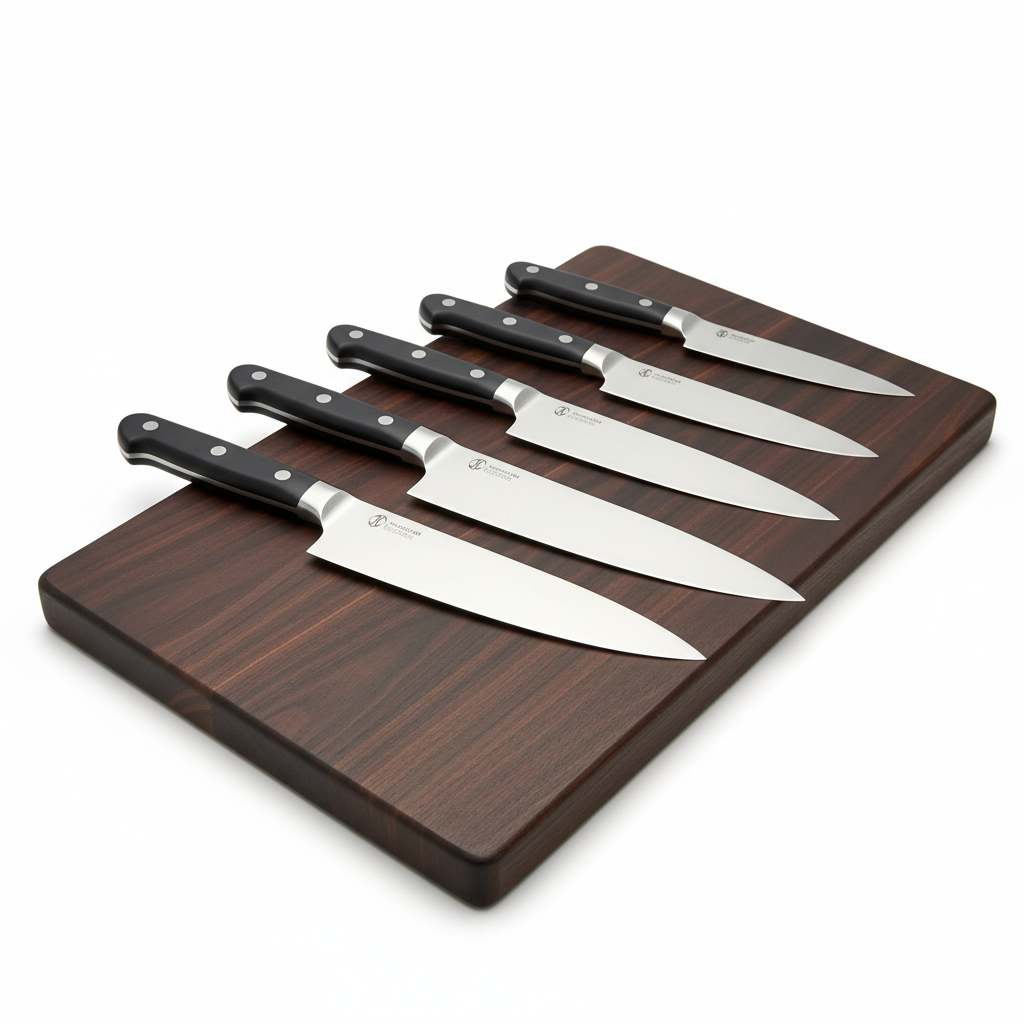
When it comes to knife skills, having the right tools can make all the difference. Let’s explore some essential knives every home cook should invest in for optimal culinary success.
Chef's Knife
The chef's knife is arguably the most versatile knife in your kitchen arsenal. Typically measuring between 8 to 10 inches, this knife is designed for a variety of tasks, including chopping, slicing, mincing, and dicing. The broader blade allows for a rocking motion for efficient cutting, while its sharp edge enables precision with minimal effort.
Paring Knife
The paring knife, usually 3 to 4 inches long, is excellent for intricate tasks where precision is essential. It’s perfect for peeling fruits and vegetables, deveining shrimp, or performing detailed cutting. This knife allows for control in smaller, meticulous tasks that your chef's knife may not accurately handle.
Serrated Knife
When it comes to cutting bread, the serrated knife is invaluable. Its saw-like teeth grip and glide through the crust without squishing the soft interior. While primarily used for bread, it can also serve well with soft-skinned fruits like tomatoes, ensuring clean cuts without bruising.
Boning Knife
If you work with meats frequently, a boning knife is a worthy investment. This knife typically features a slender, flexible blade that makes it easier to remove bones from various cuts of meat or fillet fish. Mastering this knife can expand your ability to prepare a wider variety of proteins in your dishes.
Utility Knife
A utility knife fills the gap between a chef's knife and a paring knife. It is typically around 5 to 7 inches long and is used for miscellaneous tasks. From slicing cheese to cutting sandwiches, this knife is versatile and can quickly become a go-to for many home cooks.
Cleaver
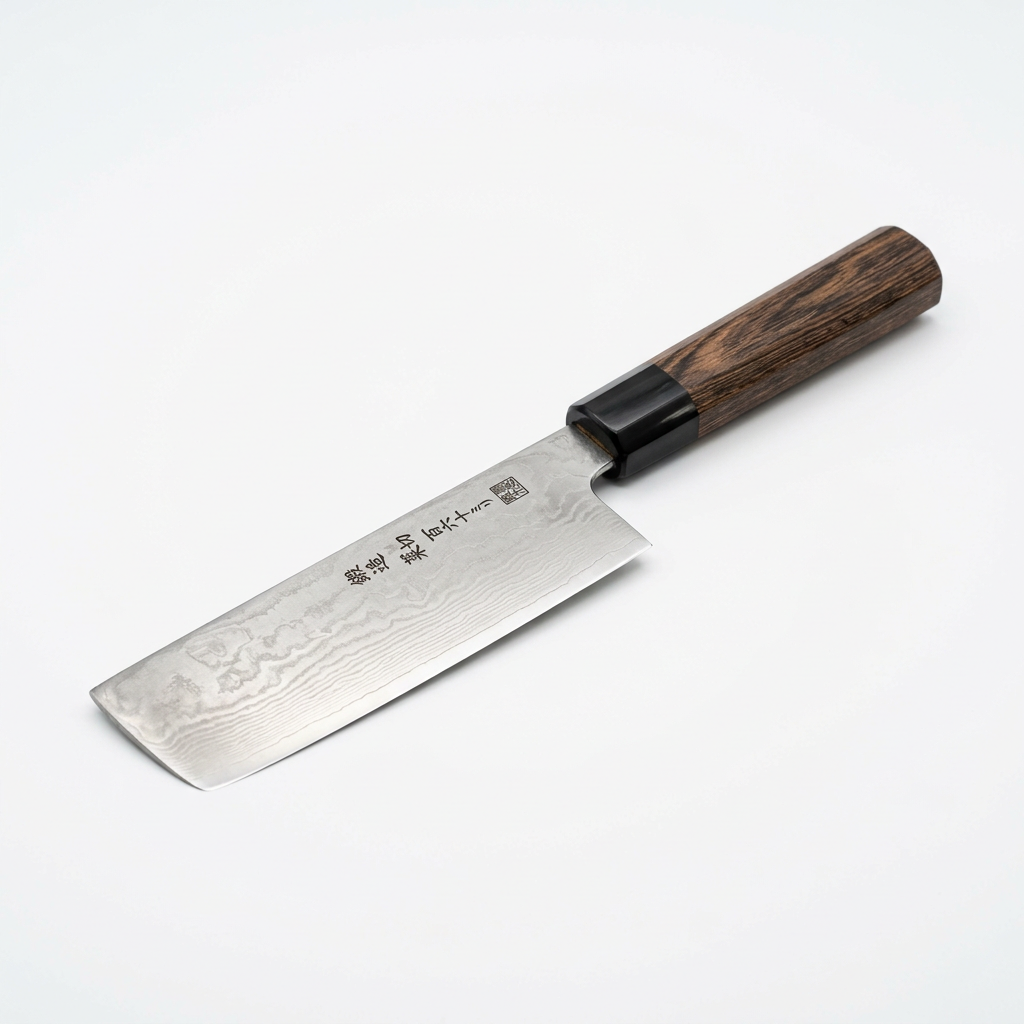
The cleaver, often large and heavy, is designed for cutting through bones and tougher meats. While it can be intimidating, it can be a wonderful addition to your knife collection, especially for those who enjoy a variety of cuisines that involve the butchery of meats.
Investing in quality knives pays off in the long run. Look for blades made from high-carbon stainless steel for durability and sharpness. Washing by hand and regularly honing your knives will help maintain their best condition, ensuring they remain sharp and safe.
Knife Safety and Handling
With great power comes great responsibility, and the same goes for using knives in the kitchen. Knife safety is paramount to preventing accidents and injuries. Here are some essential safety tips to follow while honing your skills.
Proper Grip
First and foremost, mastering how you hold your knife is critical. To achieve optimal control, the pinch grip is widely favored:
Cutting Surface
Always use a cutting board to protect your countertops and ensure stability while cutting. Bamboo and plastic cutting boards are popular choices; avoid glass or ceramic boards, as they can dull your knife and increase the risk of slipping.
Focus on Your Fingers
Keep your free hand in a ‘claw’ position—this means tucking your fingertips under your knuckles while holding the food you are cutting. This way, your fingertips are tucked away from the knife's path, greatly reducing the risk of cuts.
Clean and Organized Workspace
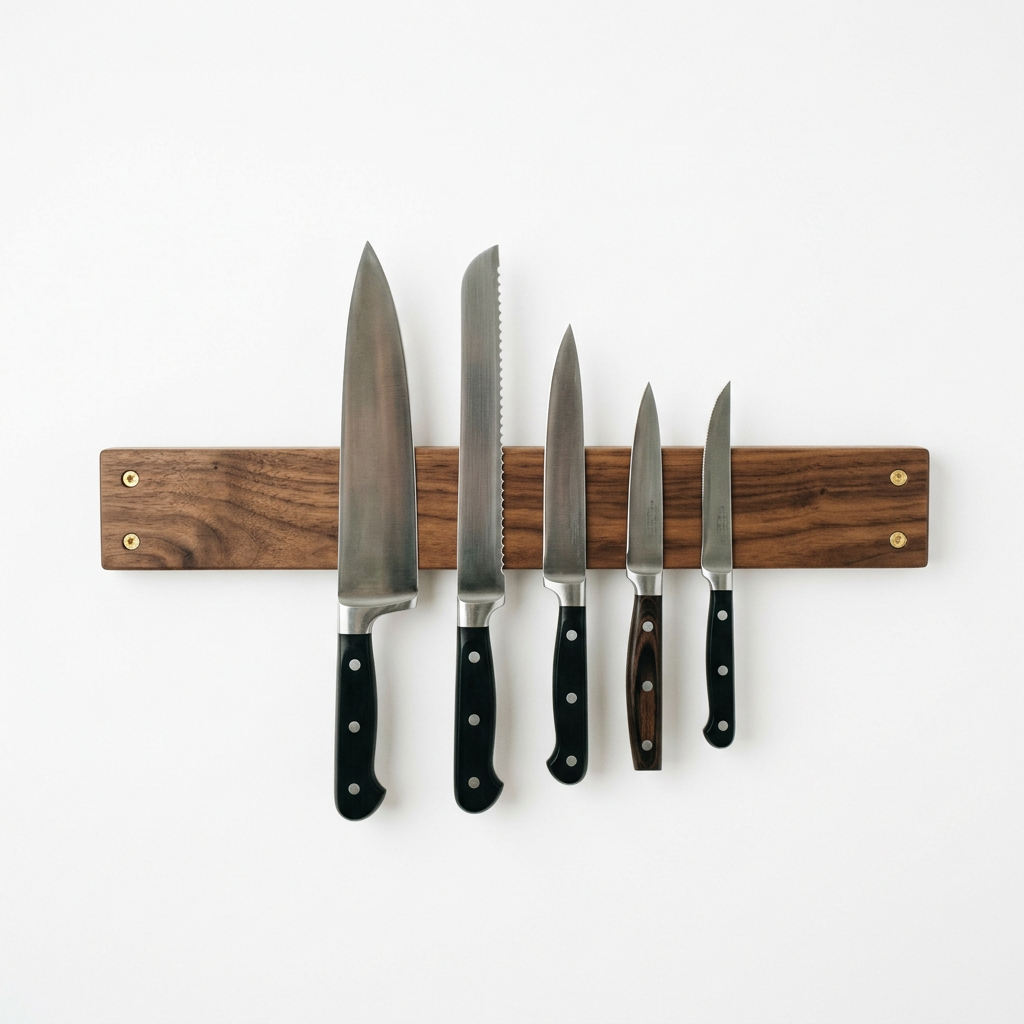
Clutter can lead to accidents; ensure your workspace is tidy. Keep knives stored in a designated area or a knife block when not in use, away from children or untrained individuals. Always clean your knives immediately after use; it not only prolongs their lifespan but also reduces the chance of accidents when reaching for utensils.
Avoid Distractions
When using knives, maintaining focus is vital. Avoid engaging in conversations or allowing distractions that pull your attention away from safe knife handling. Practice concentration to align your movements accurately with the cutting task at hand.
By creating an environment focused on safety, you can embrace your culinary passion without the fear of injury. The kitchen should be a haven for inspiration, so prioritize safety to help you work confidently and effectively.
Basic Cuts: Understanding Techniques
Mastering basic cuts forms the foundation for more advanced knife skills. Familiarize yourself with the following techniques to create a strong base for your culinary journey.
Chopping
Chopping involves cutting ingredients into larger pieces typically used for stews or soups. To achieve a consistent chop on vegetables:
Cooking tip: When chopping herbs, make sure to include a pinch of salt to help release the essential oils and flavors.
Dicing
Dicing is a step up from chopping and is used for more uniform pieces. The most common dice is a medium dice, roughly ½ inch on each side. For this:
#### Perfecting Your Dice
To achieve the perfect brunoise—a finely diced vegetable around 1/8-inch squares—follow these steps:
Crafting a brunoise enhances the presentation of a dish and integrates delicate flavors smoothly throughout your creation.
Julienne
The julienne cut is characterized by long, thin strips and is commonly used for vegetables such as carrots, bell peppers, and zucchini. Follow these steps to achieve the perfect julienne:
"A well-executed julienne can elevate any dish, transforming it into a symphony of colors and textures."
Batonnet
The batonnet is another classic cut, akin to a thick julienne with pieces measuring approximately 1/4 inch thick. It serves as a precursor to achieving the brunoise, but also makes a beautiful presentation when sautéed or fried.
This cut is often utilized in preparing vegetables for stir-fries and garnishes, giving them a sleek and polished appearance.
Advanced Cuts: Elevating Your Skills
Once you’ve mastered the basic cuts, it's time to venture into more advanced techniques. These cuts require practice and precision but can greatly enhance your culinary repertoire.
Paysanne
The paysanne cut consists of thin slices, typically around 1/8 inch thick and shaped into rounds or squares. This cut is particularly useful for creating a delicate presentation and works well for garnishing.
Chiffonade
The chiffonade technique is perfect for leafy herbs such as basil or spinach, creating thin ribbons that disperse flavors beautifully. Here’s how to do it:
Chiffonade adds an elegant flair to dishes and infuses a fresh herbaceous note.
Concasser
Concasser refers to the technique of crushing tomatoes, usually used in sauces or garnishes. To achieve this, take the following steps:
This technique allows you to incorporate fresh, vibrant tomato flavor into sauces and dishes without the bitterness of canned tomatoes.
Barding
Although not a cutting technique in the traditional sense, barding refers to wrapping meats, particularly lean cuts, in fat (like bacon) to add moisture and flavor during cooking. It’s crucial to ensure the meat retains its moisture and richness.
This technique enhances flavor and results in a juicy, succulent dish worthy of any special occasion.
Knife Maintenance Tips
Maintaining your knives is essential for longevity and performance in the kitchen. By following the right care practices, you’ll ensure your blades remain sharp and effective for all your culinary adventures.
Regular Honing
Honing your knife edge regularly keeps the blade aligned and sharp. A honing steel is typically used for this task. Here’s how to do it:
"Fine-tuning your edge with honing is just as important as sharpening; one enhances the other."
Periodic Sharpening
Over time, even the best knives will require sharpening. This can be done using a whetstone or professional sharpening services. Follow these steps if you choose to sharpen at home:
Cleaning and Storage
After using your knives, wash them immediately with warm soapy water and dry them thoroughly. Never put them in a dishwasher, as this can damage the blades and handles.
For storage, consider the following options:
Other Essential Prep Techniques
Beyond the knife cuts learned, a well-rounded culinary skill set encompasses various preparation techniques. These techniques further enhance the elegance and flavors of your dishes.
Mincing Garlic
Mincing garlic maximizes its potent flavor release. Here is how you can effectively do it:
Zesting Citrus
Fresh citrus zest can brighten your dishes and is a simple technique. Use a microplane or a zester:
Integrating zest into salads, marinades, or desserts elevates flavor and enhances presentation.
Creating Stock
Mastering how to create rich, flavorful stocks is crucial for a variety of dishes. To make a basic vegetable stock:
Stock can serve as a base for soups, sauces, and risottos, providing depth to your dishes without added preservatives.
Conclusion
As we have explored in this master class, mastering knife skills lays the groundwork for culinary success. The various cuts—from the precise brunoise to the artistic julienne—open up a world of creativity in your cooking. Understanding the importance of knife safety, maintenance, and mastering essential cuts will empower you in the kitchen, making your culinary endeavors not only more efficient but also more enjoyable.
Remember, the journey to becoming proficient in knife skills is a marathon, not a sprint. Practice makes perfect, so don’t be discouraged by initial setbacks. As you become more comfortable with your knife, you'll notice an enhanced ability to experiment with flavors, textures, and presentation. Each skill you master brings you one step closer to the chef you aspire to be.
Armed with the knowledge of each cutting technique, safety tips, and maintenance practices outlined in this post, you're on the path to culinary excellence. Take pride in your progress and enjoy the journey that is cooking, transforming every meal into a freshly cut masterpiece that deserves to be savored. Happy chopping!

Get the Next Recipe
Weekly recipes, techniques, and gear picks — straight to your inbox.
