
Knife Skills Masterclass: From Claw Grip to Brunoise
In the world of culinary arts, there is an intricate dance that unfolds between the chef and their tools, especially the knife. Mastering knife skills is not just about learning how to cut; it’s about understanding the art of precision and efficiency in the kitchen. Knife skills elevate a chef’s ability to prepare ingredients quickly while ensuring consistency and safety. Whether you are a novice beginning your culinary journey or an experienced home cook seeking to refine your techniques, the ability to handle a knife with confidence can transform the way you approach cooking.
Every chef knows that a properly sharpened knife is a chef's best friend, and the right grip can make all the difference. One of the first concepts every budding chef should grasp is the claw grip, which provides both stability and safety while working with a knife. The grip allows the chef to have better control over the knife and the items being cut, minimizing the risk of cuts and injuries. This foundational technique opens the door to various cutting styles, from julienne to brunoise. As we delve deeper into knife skills, remember that practice is essential. The more comfortable you become with your knife, the more adventurous you can be with your cooking.
Ultimately, mastering knife skills is about more than just technique; it’s about unlocking your culinary potential and exploring flavors and textures that were once beyond your reach. Each cut you make is an opportunity to enhance your dish, whether you're flipping through a vibrant salad or sautéing earthy vegetables. Throughout this guide, we will cover everything from the anatomy of a knife—what makes a good knife right through to advanced cutting techniques such as brunoise. By the end of this masterclass, you will have the knowledge and practical skills to make your time in the kitchen more enjoyable and productive.
The Anatomy of a Knife
To truly grasp the nuances of effective slicing, it is essential to understand the anatomy of your knife. Knives are not just simple metal blades; each part plays a critical role in its function.
Key Parts of a Knife
Understanding these parts helps you appreciate your knife's balance and functionality. For instance, a well-balanced knife will provide better control and reduce fatigue during extended use. Familiarizing yourself with your knife’s anatomy not only improves your editing skills but also your ability to choose the right knife for each task.
"A good knife is an extension of the chef's hand—an indispensable tool for transforming raw ingredients into culinary art."
Types of Knives
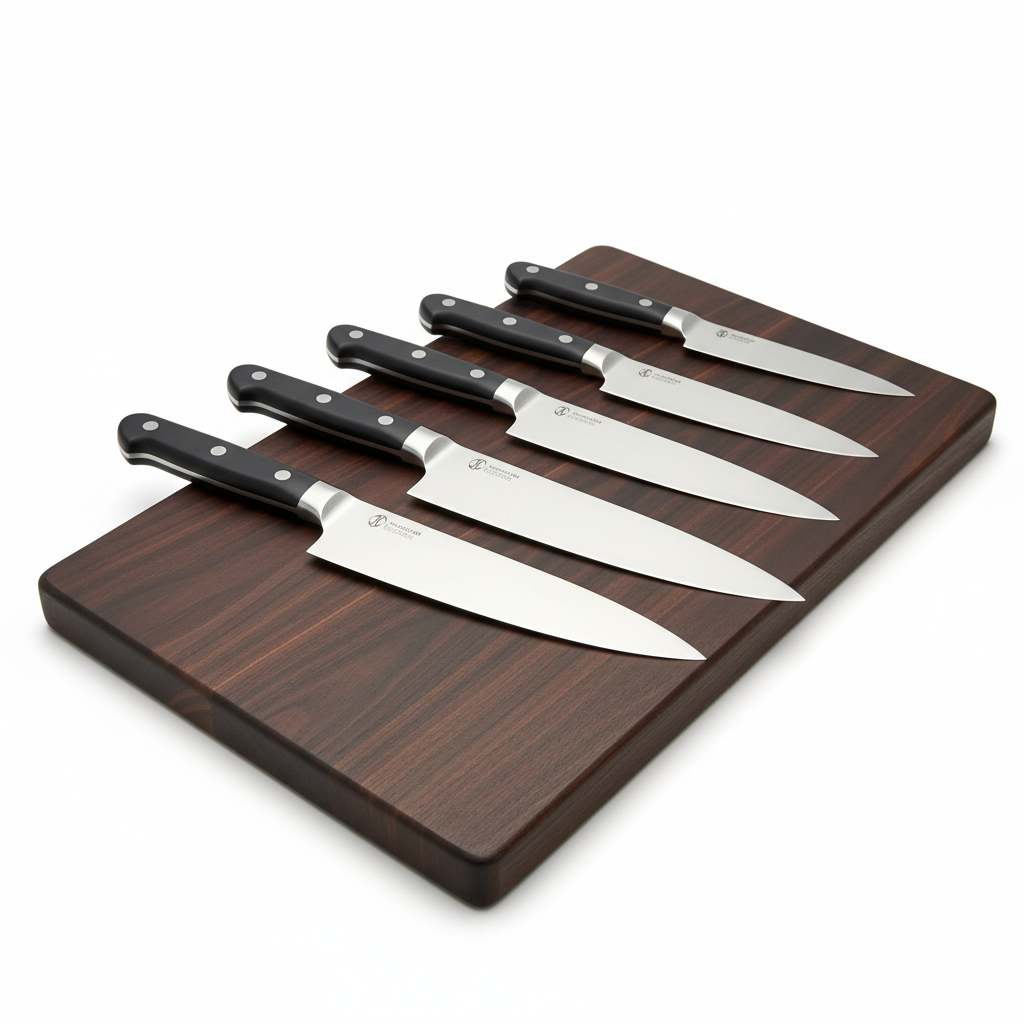
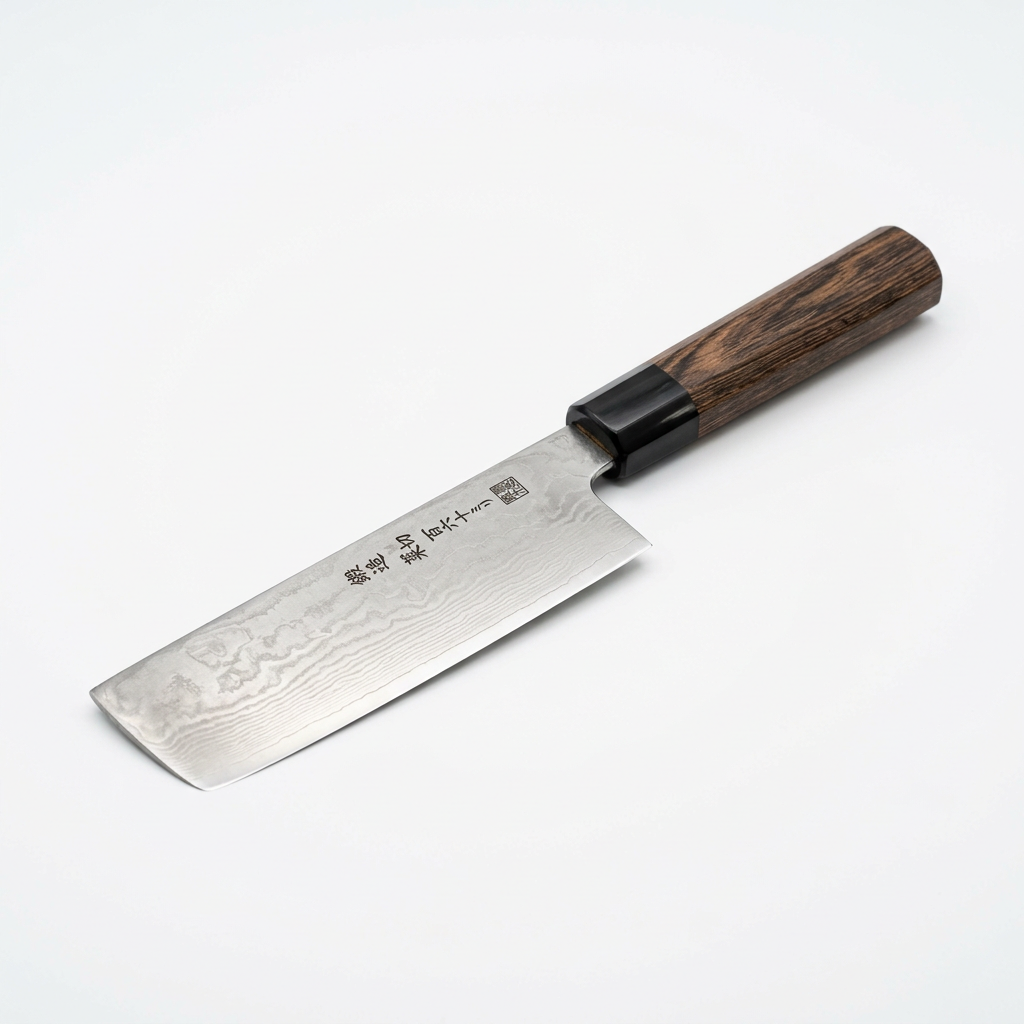
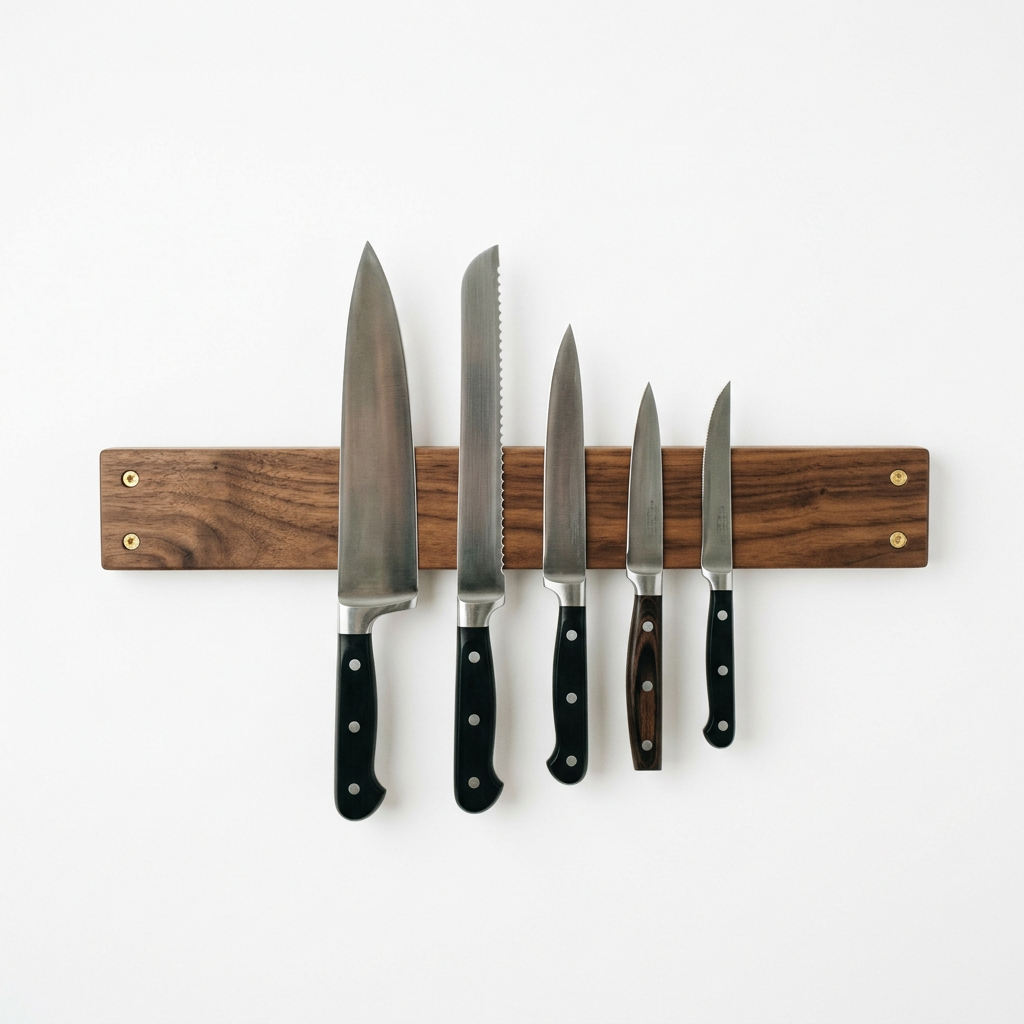
Different knives serve specific purposes in the kitchen. Familiarizing yourself with the main types of knives will enable you to choose the right one for your task at hand. Here are some essential knives every home cook should own:
Knowing the right tool for the job is half the battle. Having a collection of essential knives will empower you to tackle various culinary challenges with confidence.
Essential Knife Skills for Home Cooks
Mastering knife skills involves understanding various cutting techniques as well as developing muscle memory. Here are some vital skills every aspiring chef needs to practice.
The Claw Grip
The claw grip is one of the first techniques you should master. This grip not only keeps your fingers safe but also makes cutting more efficient. Here’s how to adopt the claw grip:
Once you feel comfortable with the claw grip, you can move on to various cutting techniques. The claw grip provides a sturdy base while allowing for fluid, confident movements.
"Safety is paramount in the kitchen. The claw grip not only protects your fingers but also enhances your control over the knife."
Slicing vs. Dicing
Understanding slicing and dicing is crucial in the kitchen, as each technique affects the texture and cooking time of your ingredients.
- Brunoise: 1/8-inch cubes, perfect for garnishing.
- Mise en Place (Medium Dice): 1/2-inch cubes for hearty soups.
- Large Dice: 1-inch cubes for chunky stews.
Chopping vs. Minced
These two techniques are often used interchangeably, but they yield different results:
Advanced Cutting Techniques
Once you have a handle on basic skills, you can explore advanced techniques that will impress your guests and elevate your dishes.
Julienne
This technique results in thin matchstick-like pieces, ideal for stir-fries or garnishes. Here’s how to julienne a vegetable:
The julienne cut can be used as a foundation for more advanced techniques like the brunoise.
Brunoise
The brunoise is a precise cut that results in very small, uniform cubes, measuring about 1/8 inch. This technique is especially useful for garnishing or incorporating into dishes where a fine texture is essential. Here’s how to achieve a perfect brunoise:
Chiffonade
The chiffonade technique is primarily used for leafy herbs or greens. It creates delicate, ribbon-like shapes that are perfect for garnishing or adding to dishes. Here’s how to chiffonade basil, for example:
This technique retains the flavor of your herbs while presenting them beautifully.
Proper Knife Maintenance
Caring for your knives ensures longevity and performance in the kitchen. Here are essential tips for knife maintenance.
Sharpening Your Knife
A sharp knife is safer and more efficient than a dull one. Here’s how to maintain a sharp edge:
Cleaning and Storing
Proper cleaning and storage not only keep your knives sharp but also prevent damage.
Preventing Corrosion
To prevent unwanted corrosion on your knives:
Culinary Applications of Knife Skills
Mastering knife skills opens endless possibilities for creativity in the kitchen. Here’s how you can utilize your skills in various culinary applications.
Preparing Vegetables
Fresh, uniform cuts lead to better textures and cooking times in dishes. Whether you are roasting vegetables or preparing a salad, knife skills will help you create dishes that are not only enchanting to the palate but also to the eyes.
Meat Preparation
When it comes to preparing meat, sharp knife skills are critical. The way you cut the protein can greatly affect tenderness. Always slice against the grain to ensure a tender bite.
Food Presentation
Knife skills also play a crucial role in food presentation. Beautifully cut ingredients enhance not only the taste but also the visual appeal of your dishes. Here are some tips:
Conclusion
Mastering knife skills is foundational to becoming a polished cook. From understanding the anatomy and selection of knives to mastering essential and advanced techniques, each element plays a vital role in your culinary development. With practice, you will develop the confidence and precision needed to enhance not just your cooking efficiency but also the overall quality of your dishes.
Remember, knife skills are not merely about speed; they’re about cultivating a deeper understanding of your ingredients and how to bring out their best. So, invest time in learning these techniques, showing respect to your tools, and maintaining them. Each cut you make will contribute to your culinary journey, making your kitchen experience not just about nourishment but a complete sensory delight.
Now, go forth and practice these techniques. The more you take time to hone your skills, the more joy you will find in cooking, inspiring you to create, explore, and share your culinary passions with others. Embrace the journey of becoming an accomplished home cook, and above all, enjoy every moment spent in the kitchen!

Get the Next Recipe
Weekly recipes, techniques, and gear picks — straight to your inbox.
