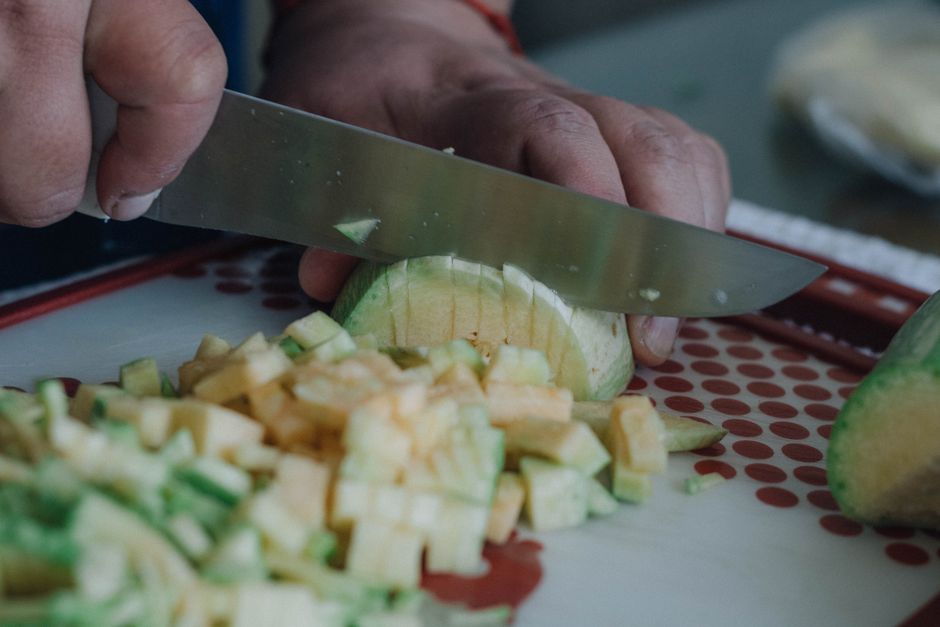
Knife Skills Mastery: From Basic Cuts to Professional Technique
In the culinary world, the phrase "a sharp knife is a safe knife" carries significant weight. It's a notion that encapsulates much of what it means to develop knife skills in the kitchen. For many home cooks, the kitchen can feel intimidating, especially when it comes to mastering the variety of cuts and techniques that come with using a knife. However, learning how to handle this essential tool can elevate both your cooking and your confidence in the kitchen. This blog post aims to take you on a comprehensive journey through the various knife skills you need, from the simplest cuts to more intricate techniques that will have you slicing and dicing like a pro.
To embark on this journey, it's important to recognize that the mastery of knife skills does not happen overnight; it requires patience, practice, and, most importantly, familiarity with your tools. Each knife is designed for specific tasks, and understanding these differences can enhance your efficiency and precision. From the sturdy chef's knife to the delicate paring knife, knowing when and how to use each will not only improve your culinary skills but also make your cooking experience more enjoyable. Whether you’re dicing onions for a flavorful stew or julienning vegetables for a fresh salad, having confidence in your knife skills adds a wonderful dynamic to your cooking repertoire.
The techniques we will cover not only focus on the physical movements of cutting but also delve into the importance of ingredient preparation, knife maintenance, and safety practices. As we dissect various cuts and styles, remember that the essence of great cooking often starts with properly prepared ingredients. By honing these skills, you empower yourself to create dishes that are not only visually appealing but also richly flavorful. So, let’s grab our knives and get started on this essential culinary journey towards knife skills mastery.
The Importance of Knife Skills in Cooking
Knife skills are foundational to any cooking routine. When you improve your cutting techniques, you open new doors to recipe adaptability and creativity. The way you cut ingredients can greatly affect cooking times and flavors, which can transform a simple dish into something extraordinary. For example, knowing how to dice onions correctly can ensure that they cook evenly and blend harmoniously with other ingredients, enhancing the overall taste. This attention to detail not only affects taste but also influences your dish's presentation, making it visually pleasing.
Another vital aspect of knife skills is efficiency. When you can chop ingredients quickly and uniformly, you streamline the entire cooking process. Much of the time spent in the kitchen is devoted to prep work, and mastering techniques like rolling cuts or rock chopping can significantly reduce this time. It allows you to focus on other elements of cooking, such as seasoning and presentation. The more you practice, the faster you'll become, and with speed comes confidence.
Safety is paramount when it comes to using knives. The horrifying statistic that many accidents happen in the kitchen often results from improper knife skills rather than the tools themselves. A well-sharpened knife allows for cleaner cuts and greater control, minimizing the risk of slips and mishaps. Learning the right grip techniques and cutting methods will reduce the likelihood of injury and make for a more enjoyable cooking experience. Thus, honing your knife skills is not only about preparing food but also about creating a safe and efficient cooking environment.
Understanding Your Knives
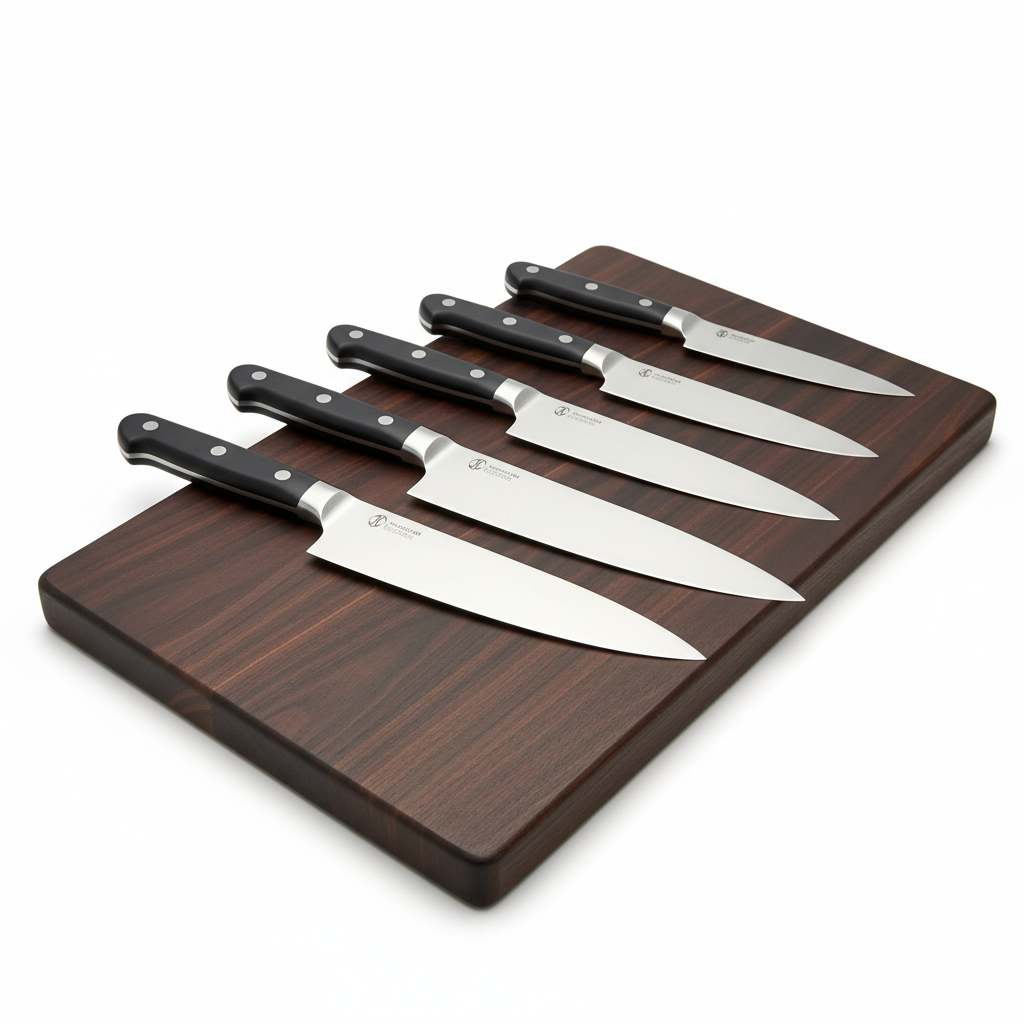
Before diving into the various techniques and cut styles, it’s crucial to understand the types of knives you'll be using and their specific applications. Each knife serves a unique purpose, and getting accustomed to their designs can drastically improve your cutting methods.
Types of Kitchen Knives
Knife Maintenance
Proper maintenance of your knives is key to ensuring longevity and effectiveness. A dull knife can lead to accidents and frustration, so here are some essential tips for keeping your knives in top shape:
Taking the time to care for your knives will reward you with better performance and safer kitchen practices.
Basic Knife Cuts
Once you’ve grasped the importance and maintenance of your knives, it’s time to explore the fundamental cuts that every cook should master. Each cut serves a distinct purpose and can transform your culinary creations.
The Classic Cuts
- Technique: Hold the knife firmly with one hand and place the tip onto the cutting board. Use a forward and downward motion, moving the item towards the knife.
- Technique: Start with a chopped item, create strips, then rotate to cut across those strips to form cubes. Typically, a dice can be in sizes such as small (1/4 inch), medium (1/2 inch), or large (3/4 inch).
- Technique: Start by slicing the vegetable into thin planks, then cut those planks into thin strips.
- Technique: After julienning, turn the strips and cut across them to produce very small cubes.
- Technique: Use a rocking motion, keeping the tip of the knife on the board, to finely chop until you reach the desired size.
“Good knife skills are the first step to confidence in the kitchen.”
Practicing Basic Cuts
To become proficient at these cuts, practice is essential. Consider the following steps to improve your skills:
Advanced Knife Techniques
Once you're comfortable with basic cuts, it’s time to elevate your skills with more advanced techniques used in professional kitchens. These techniques will not only improve your work efficiency but will also make your food aesthetically pleasing.
Creating a Mirepoix
In classical cooking, a mirepoix is a mixture of diced onions, carrots, and celery used as a flavor base. The traditional ratio is 2 parts onion, 1 part carrot, and 1 part celery. Understanding how to create a mirepoix can provide fundamental varieties of flavor for soups, sauces, and stews.
#### Technique:
Rocking Motion
The rocking motion cut is one of the most efficient ways to chop herbs and vegetables. Mastery of this technique allows for greater speed and consistency, greatly enhancing your cooking efficiency.
#### Technique:
"Master the rocking motion, and you’ll find your rhythm in the kitchen."
The Chiffonade
The chiffonade cut is an advanced technique used mainly for leafy greens and herbs, providing elegant strips perfect for garnishing or flavoring dishes.
#### Technique:
Portioning Meat
Knives aren't just for vegetables. Meat requires specific cutting techniques, including breaking down larger cuts into manageably sized portions. Understanding how to cut against the grain can yield more tender meat.
#### Technique:
Knife Skills for Specific Ingredients
Every ingredient has unique characteristics that may require slightly different knife techniques. Let’s examine how to wield your knife effectively on specific categories of ingredients.
Vegetables
When it comes to vegetables, the variety in size and texture can dictate your approach. Hard-skinned vegetables like squash require a different technique compared to soft tomatoes.
Fruits
Slicing fruits requires attention to their ripeness and moisture content.
Proteins
Knowing how to handle and portion proteins is crucial when preparing meals.
Safety Tips and Best Practices
Developing great knife skills does come with a responsibility, and learning to handle your knives safely is crucial.
General Safety Guidelines
First Aid for Knife Injuries
Despite precautions, accidents do happen. It's essential to know how to respond:
Conclusion
Mastering knife skills is an invaluable asset for anyone looking to expand their culinary horizon. From basic cuts that serve as the foundation for countless recipes to advanced techniques that show off your newfound skills, knife proficiency is the cornerstone of great cooking. Whether you’re preparing a simple weeknight meal or crafting an extravagant feast, the right knife skills can make a substantial difference not just in preparation but also in the enjoyment of your culinary journey.
The most important takeaway is practice. The more comfortable you become with your knives, the more confidence you will gain in the kitchen. Remember, each slice you make brings you closer to culinary mastery. So, grab your knife, practice those cuts, and unleash your culinary creativity today!
With consistent practice and a focus on technique, you'll soon find that not only is knife work no longer intimidating, but it’s an enjoyable and rewarding part of cooking. Here’s to your journey toward becoming a knife skills master, ready to cook with confidence in every meal you create!

Get the Next Recipe
Weekly recipes, techniques, and gear picks — straight to your inbox.
