
Knife Skills Mastery: From Brunoise to Julienne
In the culinary world, the significance of knife skills cannot be overstated. A chef’s ability to wield a knife with precision affects not only the aesthetic appeal of a dish but also its flavor and texture. Whether you are dicing, slicing, or chopping, mastering these fundamental techniques can elevate your cooking from mundane to extraordinary. Many home cooks underestimate the power of a finely chopped onion or a meticulously sliced vegetable. The proper knife skills ensure that ingredients cook uniformly, allowing for the harmonious blending of flavors that is the essence of good cooking.
When it comes to knife techniques, there is a vast array of cuts to explore, each with its own purpose and presentation. Understanding the various styles of cuts can enhance your kitchen proficiency and inspire creativity in your culinary endeavors. From the classic julienne to the intricate brunoise, each method has its rhythm and reason. These skills are not just for professional chefs; they are essential for anyone who enjoys cooking and wants to make their dishes shine. Moreover, enhanced knife skills can cut down your prep time significantly, allowing you to spend more time enjoying the cooking process and less time laboriously chopping ingredients.
Moreover, safety and ergonomics play a critical role in knife mastery. The way you hold a knife, the grip on your ingredients, and the motion in your wrists can either make your tasks effortless or lead to injury. This post will guide you through the essential techniques and tips needed to develop your skills, along with practical exercises to help you practice at home. Whether you are a beginner looking to build confidence or an advanced cook wanting to refine your technique, the following sections will provide you with the knowledge to navigate your kitchen with newfound confidence.
Understanding Your Knife
Choosing the Right Knife
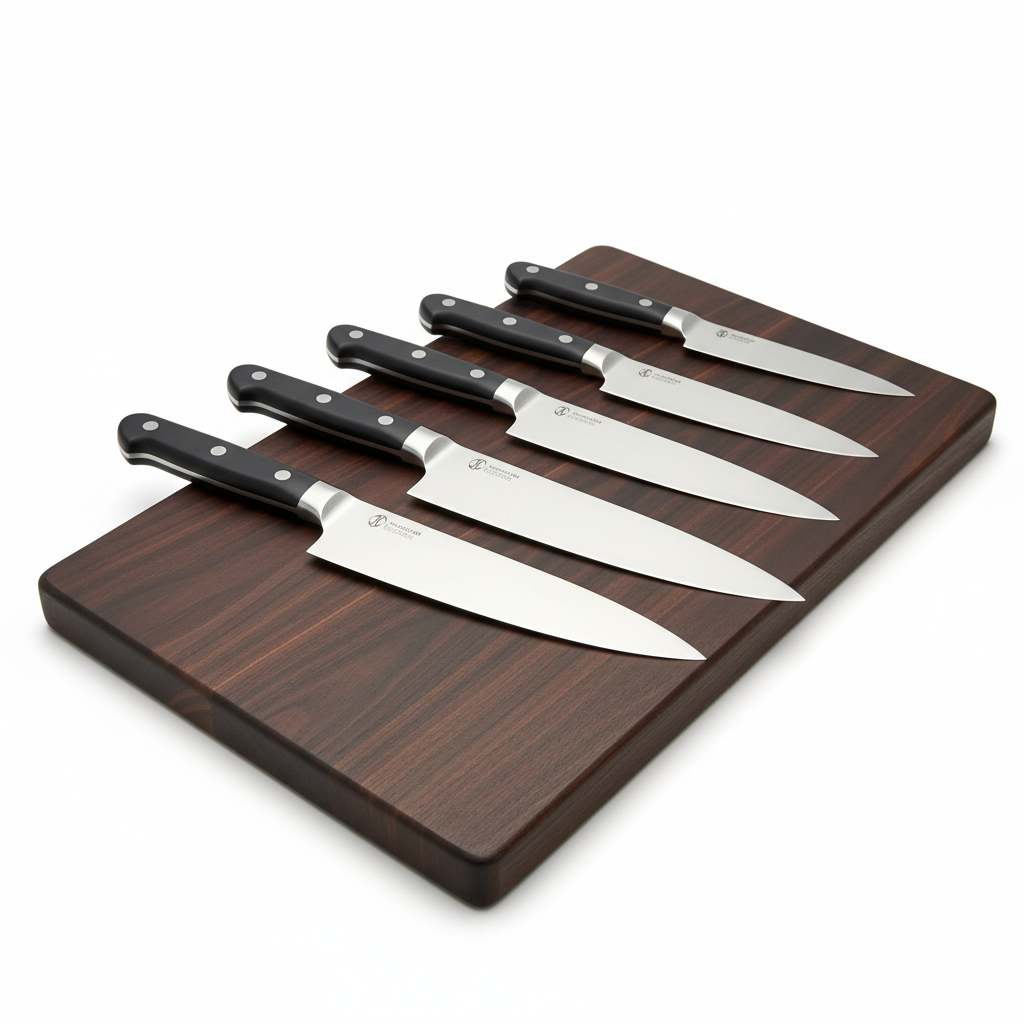
Every culinary journey begins with picking the right tool for the job. The chef's knife is the workhorse of the kitchen, typically 8 to 10 inches long, and versatile enough to handle most tasks from chopping herbs to dicing vegetables. A good quality knife can make all the difference in achieving clean cuts and safe handling.
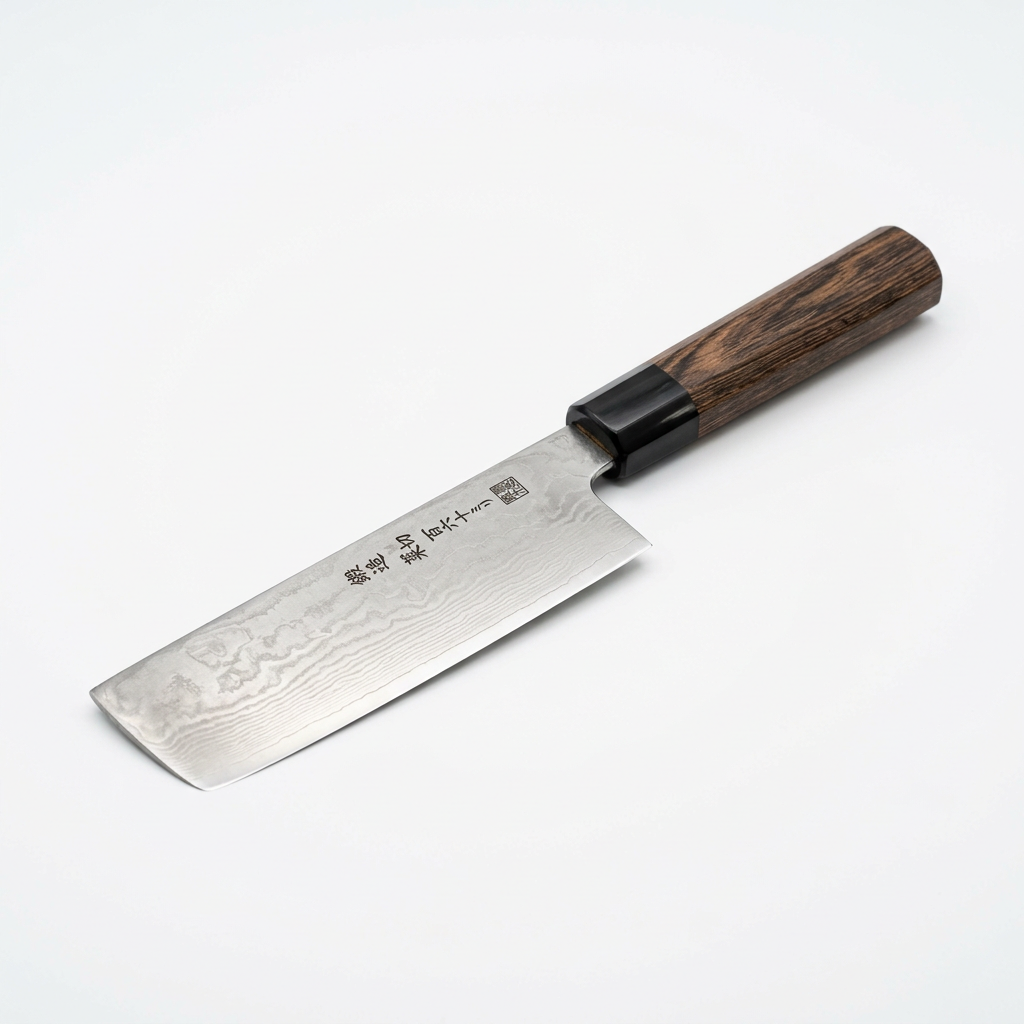
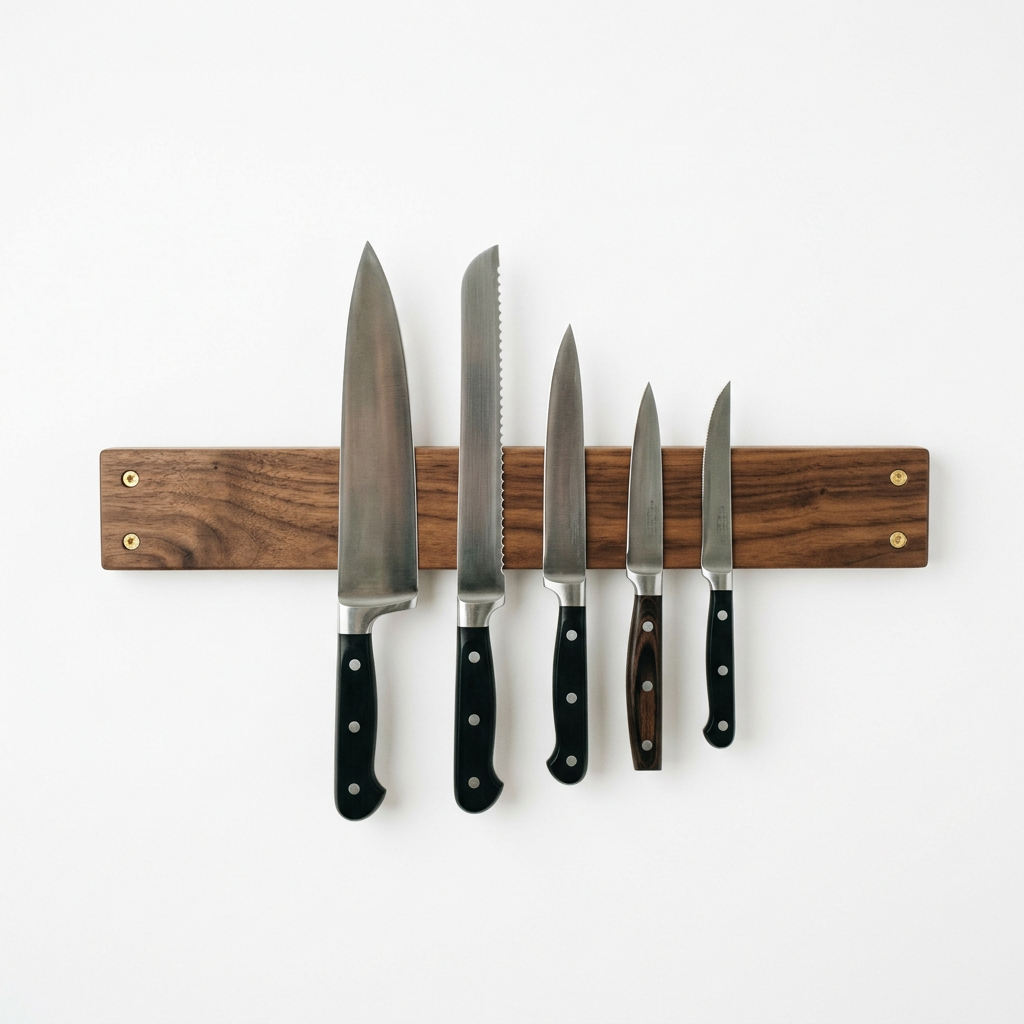
Here are several essential knives you should consider having in your kitchen:
When selecting a knife, consider these key factors:
Knife Maintenance
To ensure your knives remain effective over time, regular maintenance is essential. Here are some tips to keep your knives in top condition:
Importance of Grip and Cutting Technique
The way you grip the knife significantly impacts your cutting efficiency and safety. The pinch grip is favored by many chefs: pinch the blade between your thumb and index finger while curling your remaining fingers around the handle. This grip provides better control and stability.
When it comes to cutting technique, practice the following:
“A sharp knife is a safe knife. The better your knife skills, the less likely you are to injure yourself."
Basic Cuts: An Overview
Understanding basic cuts is the foundation for more advanced knife skills. Each cut serves a different purpose and leads to distinct culinary outcomes. When you master these fundamental styles, you will unlock limitless possibilities in your cooking repertoire.
Chopping
Chopping is the most straightforward cutting technique, where food is cut into irregularly sized pieces. This cut is often used for vegetables like onions, carrots, and garlic.
Steps for Chopping:
Dicing
Dicing produces uniform cube-shaped pieces, which not only look appealing but also ensure even cooking. This cut is widely used for vegetables, fruits, and even meats.
Steps for Dicing:
“The beauty of a diced vegetable lies in its uniformity — they not only cook evenly but also present beautifully on the plate.”
Julienne
The julienne cut transforms vegetables into thin, matchstick-like pieces, perfect for stir-fries or garnishes.
Steps for Julienne:
Brunoise
Brunoise is a refined technique producing tiny cubes, often used as a garnish or base for sauces and soups. This technique reflects precision and skill.
Steps for Brunoise:
Chiffonade
Chiffonade is primarily used for leafy greens and herbs, yielding fine shreds that can be incorporated into dishes for added flavor.
Steps for Chiffonade:
Advanced Techniques: Precision Cuts
Once you have mastered the basic cuts, it's time to delve into more advanced techniques that require a higher skill level and attention to detail.
Mincing
Mincing is a technique typically used for garlic, herbs, and shallots, where the goal is to achieve very fine pieces to release maximum flavor.
Steps for Mincing Garlic:
Batonnet
Batonnet is a French culinary term that describes sticks of vegetable cut measuring roughly 1/4 inch by 1/4 inch by 2 to 3 inches. This is the precursor to the julienne and brunoise cut.
Steps for Batonnet:
Paysanne
Paysanne cuts are thin, flat, and usually round or triangular, often used for presentation in salads and soups.
Steps for Paysanne:
Concassé
Concassé involves peeling and chopping tomatoes, making for a perfect addition to sauces and salsas without the skin getting in the way.
Steps for Concassé:
Safety and Organization in the Kitchen
To enhance your knife skills, it’s crucial to cultivate a safe and organized workspace. This not only helps improve your confidence but also makes the cooking process smoother and more enjoyable.
Safe Knife Handling Techniques
Handling sharp knives requires awareness and focus. Here are some essential safety tips:
Keeping Your Workspace Organized
A clean workspace is not only hygienic but also helps to streamline cooking. Here are practical steps to maintain order:
Practical Exercises for Mastery
Skill development takes practice and dedication. Here are structured exercises you can follow to hone your knife skills at home.
Daily Practice Routine
Weekly Challenges
Join Cooking Classes
Consider enrolling in cooking classes that offer focused sessions on knife skills. Not only can you receive immediate feedback from instructors, but classes also provide an opportunity to practice alongside fellow cooking enthusiasts.
Conclusion
Mastering knife skills is an essential aspect of culinary arts that encompasses both safety and creativity in the kitchen. From the simplest chop to the intricate brunoise, each technique has its place in your cooking toolkit, improving efficiency and the overall presentation of your dishes. The more you practice, the more intuitive these skills will become, allowing you to experiment confidently with various ingredients and cuisines.
Beyond just enhancing your abilities, these skills have the power to transform your cooking experience. You will find joy not just in the act of cooking but also in the delightful results that come from the attentiveness and care you put into each cut. With time, patience, and dedication, you will not only elevate your home cooking but also foster a deeper connection with the food you create. Embrace your journey in the kitchen, and remember, it’s all about the love of cooking, which starts with mastering your knife skills. Embrace each challenge, and soon, you’ll find yourself slicing and dicing with the confidence of a professional chef.

Get the Next Recipe
Weekly recipes, techniques, and gear picks — straight to your inbox.
