Knife Skills Mastery: From Dicing to Brunoise Like a Pro Chef
In the world of culinary arts, knife skills stand as a fundamental pillar upon which every great dish is built. From precise dicing to the refined art of brunoise, mastering these techniques is akin to learning the alphabet before crafting a novel. Whether you're preparing a simple salad or an intricate meat dish, proper knife skills not only enhance the presentation of your food but also ensure that ingredients cook evenly, allowing for an explosion of flavors with each bite. As you embark on this culinary journey, understanding how to wield your knife like a professional will empower you to explore new recipes with confidence and creativity.
Every home cook yearns for the day when they can transition from merely chopping vegetables to showcasing their finesse in the kitchen. This transformation, however, demands patience, practice, and proper guidance. As you hone your skills, it is vital to familiarize yourself with different cutting techniques, learn how to maintain your knives, and, most importantly, understand the various types of cuts and their applications. This rich knowledge will become your trusted companion as you navigate the exhilarating landscape of cooking.
In this post, we'll explore the essential knife skills every home chef should master. From the basics of holding a knife correctly to advanced techniques like chiffonade and brunoise, we’ll cover everything you need to know to elevate your culinary game. This exploration will not only provide you with practical skills but will also impart a deeper appreciation for the artistry of cooking, igniting your passion even further. So, grab your knife, sharpen your skills, and let’s begin an exciting journey of culinary mastery.
Essential Knife Basics
To embark on your knife skills journey, it’s essential to start with the fundamentals. Understanding how to choose and maintain a quality knife can significantly influence your cooking experience. Not all knives are created equal, and as you venture into the world of culinary techniques, the choice of your knife becomes paramount.
Choosing the Right Knife
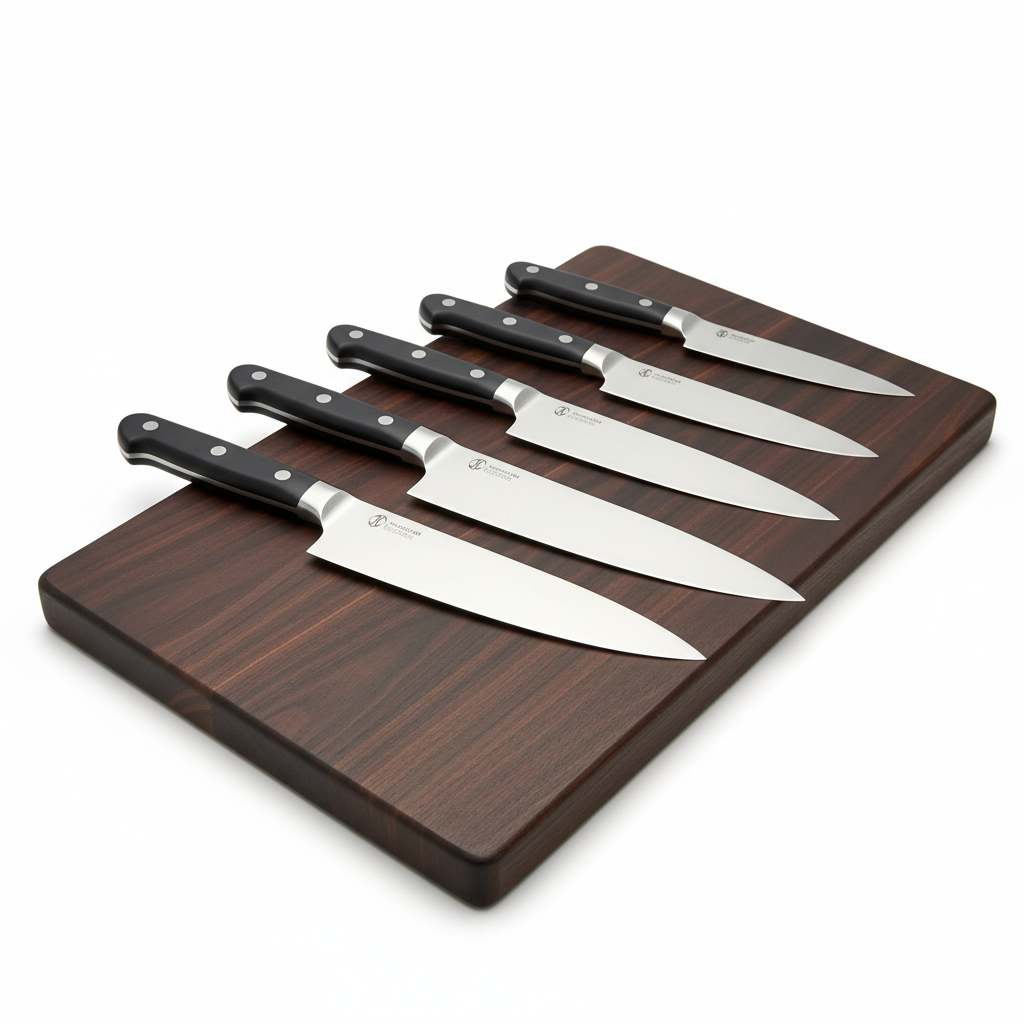
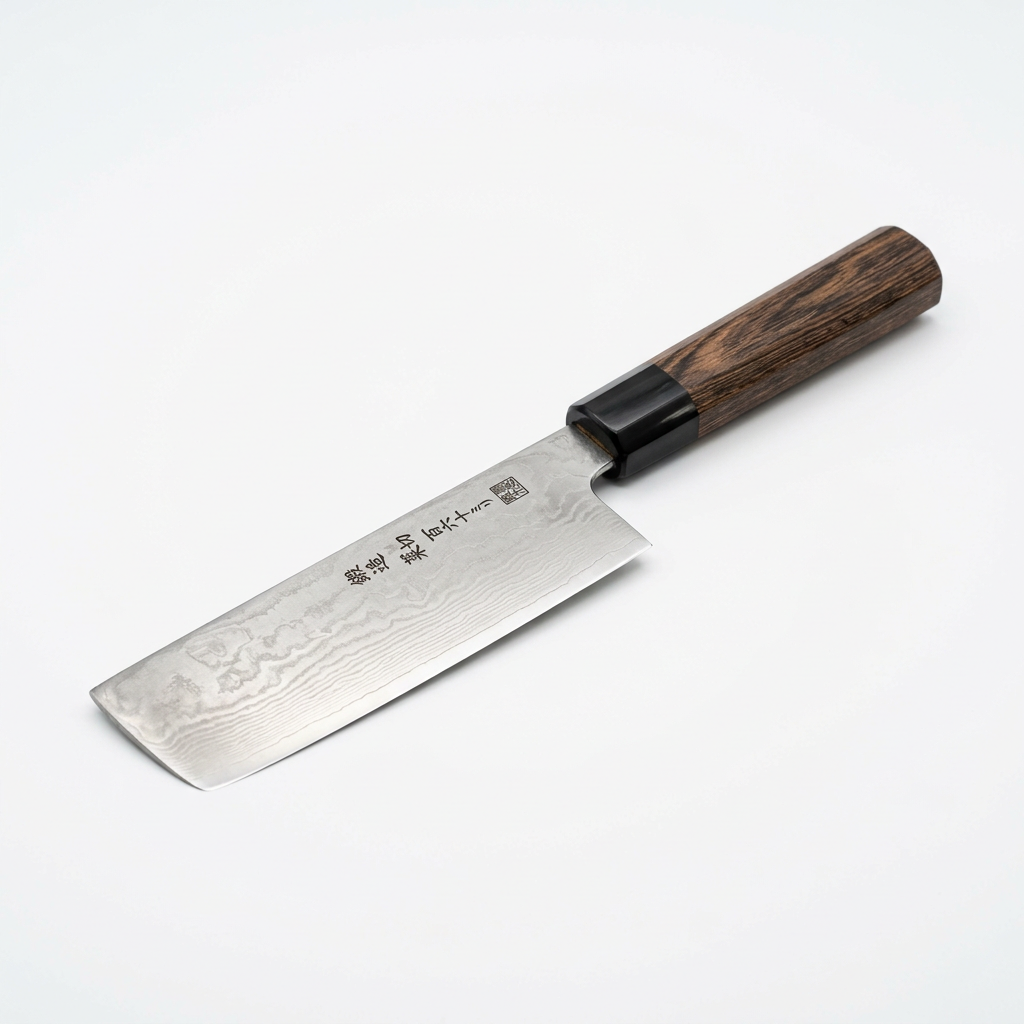
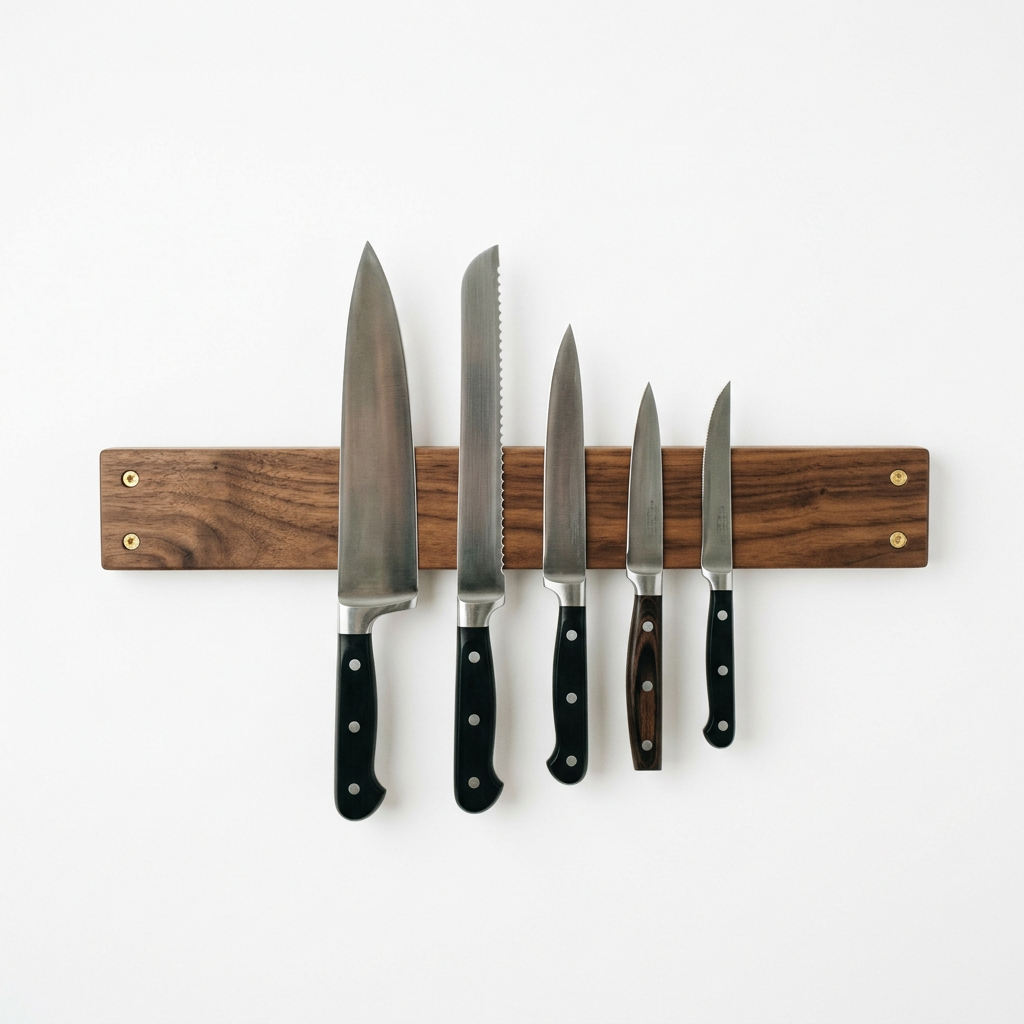
When selecting the right knife, consider the following types:
When investing in knives, look for high-carbon stainless steel for durability and sharpness. A good knife should have a comfortable handle, ensuring a secure grip for intricate work.
Knife Care and Maintenance
Proper maintenance can enhance the lifespan of your knives significantly. Use the following tips to keep your tools in top shape:
Proper Knife Grip
Your grip has a significant impact on control and stability during cutting. The pinch grip is the most recommended:
To practice, take a piece of fruit or vegetable and try slicing it while maintaining the pinch grip, ensuring you have a secure hold throughout the process.
Mastering Basic Cuts
Now that you’ve chosen your knife and learned how to care for it, it’s time to dive into mastering basic cuts. These foundational techniques will serve you as you progress to more advanced skills. Here, we’ll focus on five primary cuts: slicing, dicing, chopping, mincing, and Julienne.
Slicing
Slicing is one of the most fundamental techniques. It involves cutting ingredients into uniform pieces, which helps them cook evenly. Here's how to slice effectively:
For example, when preparing a stir-fry, you might want a thin slice to maximize flavor absorption.
Dicing
Dicing brings uniformity, particularly important for soups or salad preparations. To achieve a perfect dice:
The goal here is consistent size, as even dicing ensures uniform cooking times.
Chopping
Chopping involves cutting food into larger pieces, typically meant for robust flavors or hearty ingredients. Follow these steps:
This method is great for ingredients like potatoes or carrots, where the pieces do not need to be uniformly small.
Mincing
Mincing produces very fine pieces, which are excellent for ingredients like garlic, herbs, or ginger. Here’s how to do it:
Mincing allows flavors to meld more intensely when cooked, releasing essential oils and aromas.
Julienne
The Julienne technique results in thin, matchstick-like pieces that are excellent for salads and stir-fries. To execute this cut:
This cut enhances both visual presentation and texture in dishes. Plus, it offers quick cooking times, perfect for stir-fries.
Advanced Cuts: Chiffonade and Brunoise
Having established a solid foundation with basic cutting techniques, we now transition to advanced skills, particularly chiffonade and brunoise. These cuts are not just impressive but also convey a deeper level of proficiency in the kitchen.
Chiffonade
Chiffonade is a method typically used for leafy greens and herbs. This technique adds elegance to both presentation and flavor. Here’s how to master it:
This technique is fantastic for garnishing or enhancing the flavor of salads, pastas, or soups without overwhelming your dish.
Brunoise
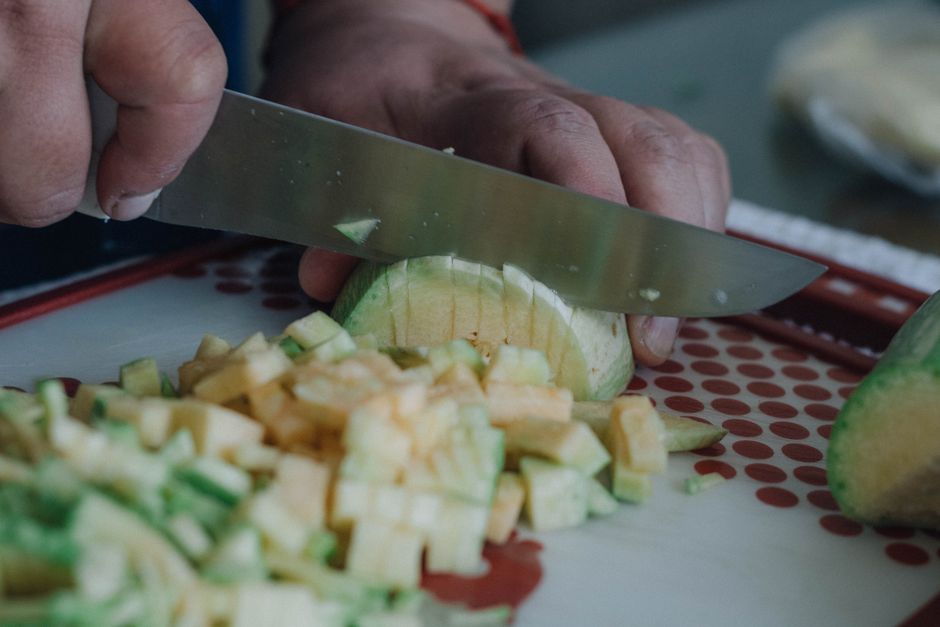
The brunoise cut is the epitome of precision. This technique results in very small cubes, about 1/8 inch on each side. It’s often used for flavor bases, especially in soups and sauces. Here’s how to achieve a perfect brunoise:
Professional tip: The brunoise cut is often used in French cuisine for mirepoix — the aromatic vegetable base of soups and sauces.
Understanding Knife Techniques for Specific Ingredients
Knife skills are essential, but different ingredients require different approaches. Understanding how to adapt your techniques based on the texture and nature of the ingredient can elevate your dishes significantly.
Hard vs. Soft Ingredients
Hard Ingredients such as carrots, potatoes, and squash require more force and a different strategy. Use a chef’s knife, applying even pressure and using your body to guide the motion.
Soft Ingredients, such as tomatoes or herbs, need a gentle touch. Here’s how to handle them:
Proteins: Tips for Meats and Fish
When working with proteins, knife techniques can differ greatly from those used with vegetables.
Fruits: Techniques for Textural Variety
Fruits often present unique challenges when it comes to knife skills. Using a paring knife can significantly increase your efficiency.
The Role of Knives in Flavor Development
While knife skills may seem primarily focused on aesthetics and uniformity in cooking, they can significantly contribute to flavor development as well. Proper cuts enhance the way ingredients interact in a dish.
Surface Area and Flavor Release
The surface area of your ingredients can dictate how effectively they absorb flavors. Smaller cuts, like minces and brunoise, expose more of the ingredient’s interior, releasing volatile oils and juices that contribute to overall flavor.
Texture and Mouthfeel
The type of cut can alter the texture in your final dish, affecting mouthfeel. For instance, a chunky potato in a stew may provide a different eating experience compared to a smooth, creamy potato puree.
Cooking Times and Techniques
Understanding the different cuts helps control cooking times. For example, diced vegetables will cook faster than larger chunks.
Practical Applications: Recipes to Test Your Skills
Now that you’ve become acquainted with various knife techniques, it's time to implement your skills in the kitchen. Here are a couple of recipes where your newly mastered cuts will shine.
Vegetable Stir-Fry
A vegetable stir-fry is the perfect stage to showcase your dicing and chopping skills.
#### Ingredients:
#### Instructions:
- Begin with carrots to give them a head start.
- Add bell peppers and zucchini.
- Finally, add broccoli and spinach.
Ratatouille
Ratatouille allows you to experiment with various cuts, highlighting the beauty of uniformity.
#### Ingredients:
#### Instructions:
Conclusion
Mastering knife skills is not just about practicality; it’s an essential part of the culinary journey that elevates your cooking. These fundamental techniques — from slicing and dicing to the finesse of chiffonade and brunoise — equip you to tackle a myriad of recipes. By understanding the nuances of different ingredients, practicing proper maintenance and grip, and consistently applying these cuts, you’ll not only enhance the aesthetic appeal of your dishes, but also enrich their flavor profiles.
As you continue on your culinary path, remember that proficiency comes with practice. Don’t be afraid to make mistakes; every chop and slice will bring you one step closer to mastery. The kitchen is your creative canvas, and with your newfound skills, you are ready to paint a masterpiece. Embrace the rhythm of the knife, and let it guide you to gastronomic excellence. Happy cooking!

Get the Next Recipe
Weekly recipes, techniques, and gear picks — straight to your inbox.
