
Knife Skills Mastery: Techniques Every Home Cook Should Know
In the culinary world, the importance of knife skills cannot be overstated. A good knife is a chef's best friend, and how one wields it can affect not only the aesthetics of a dish but also its cooking process and flavor integration. For home cooks looking to elevate their craft, mastering knife skills is paramount. Every successful dish begins with the way ingredients are prepared, and an adept knowledge of slicing, dicing, and chopping can dramatically improve your efficiency in the kitchen. Understanding which techniques to use for different types of ingredients is not only essential but can also lead to more consistent results.
As you progress in your cooking journey, you'll discover that proper knife skills lead to safer practices and optimize your workflow. A well-timed dice can mean the difference between a perfectly cooked mirepoix and a burnt one. Moreover, uniform cuts allow for even cooking, which is critical for achieving the desired texture in your dishes. This mastery allows you to transform simple ingredients into culinary masterpieces, a skill that both home cooks and professional chefs rely on continuously.
In this article, we’ll explore the essential techniques that every home cook should know to improve their knife skills. From understanding the anatomy of a knife to mastering various cutting techniques, we’ll guide you through practical tips that will elevate your proficiency in the kitchen. We’ll also share insights into knife care and maintenance to ensure your tools remain in top condition for years to come. By the end of this journey, you’ll feel confident in your ability to handle a knife, leading to more enjoyable cooking experiences and delicious meals.
Understanding Knife Anatomy
Before diving into the techniques themselves, it’s crucial to understand the anatomy of your knives. Each part of the knife serves a specific purpose, and knowing how to leverage these features can improve your cutting efficiency and effectiveness.
Types of Knives and Their Uses
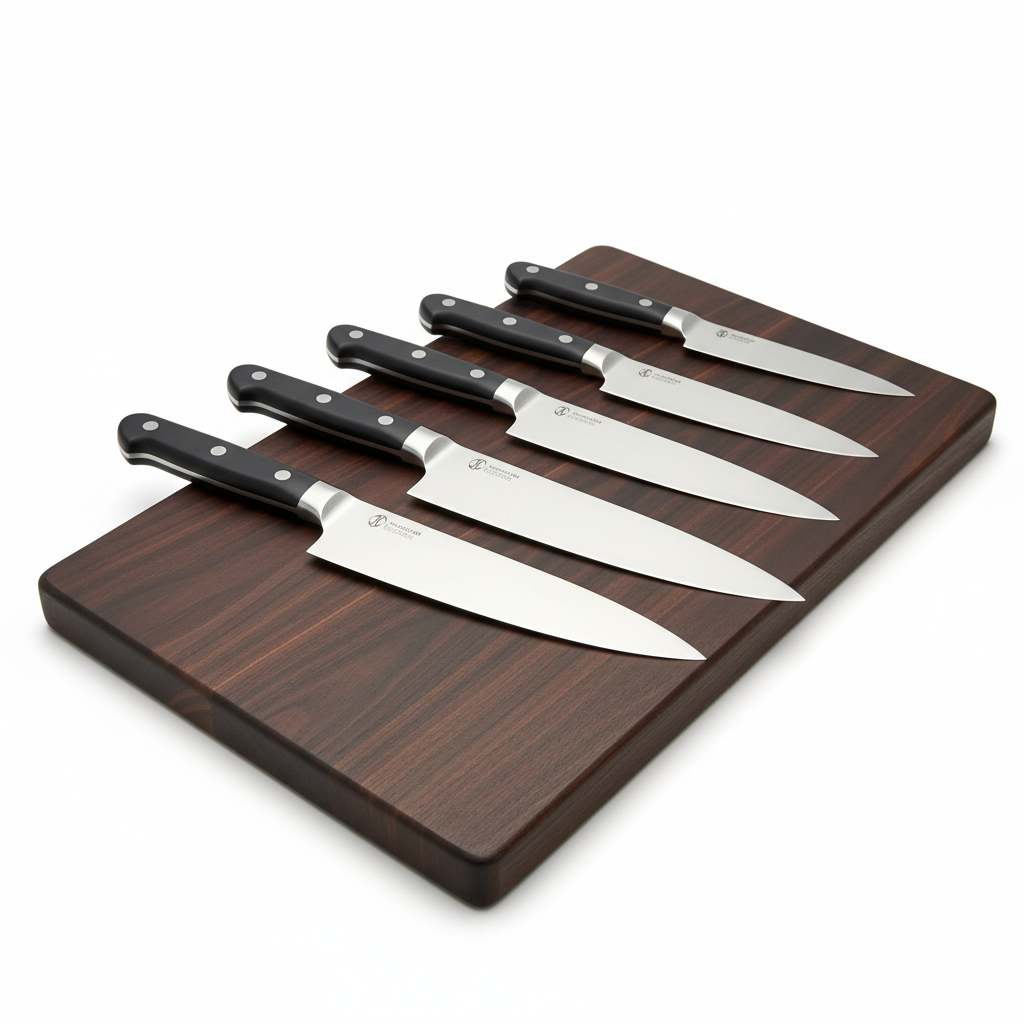
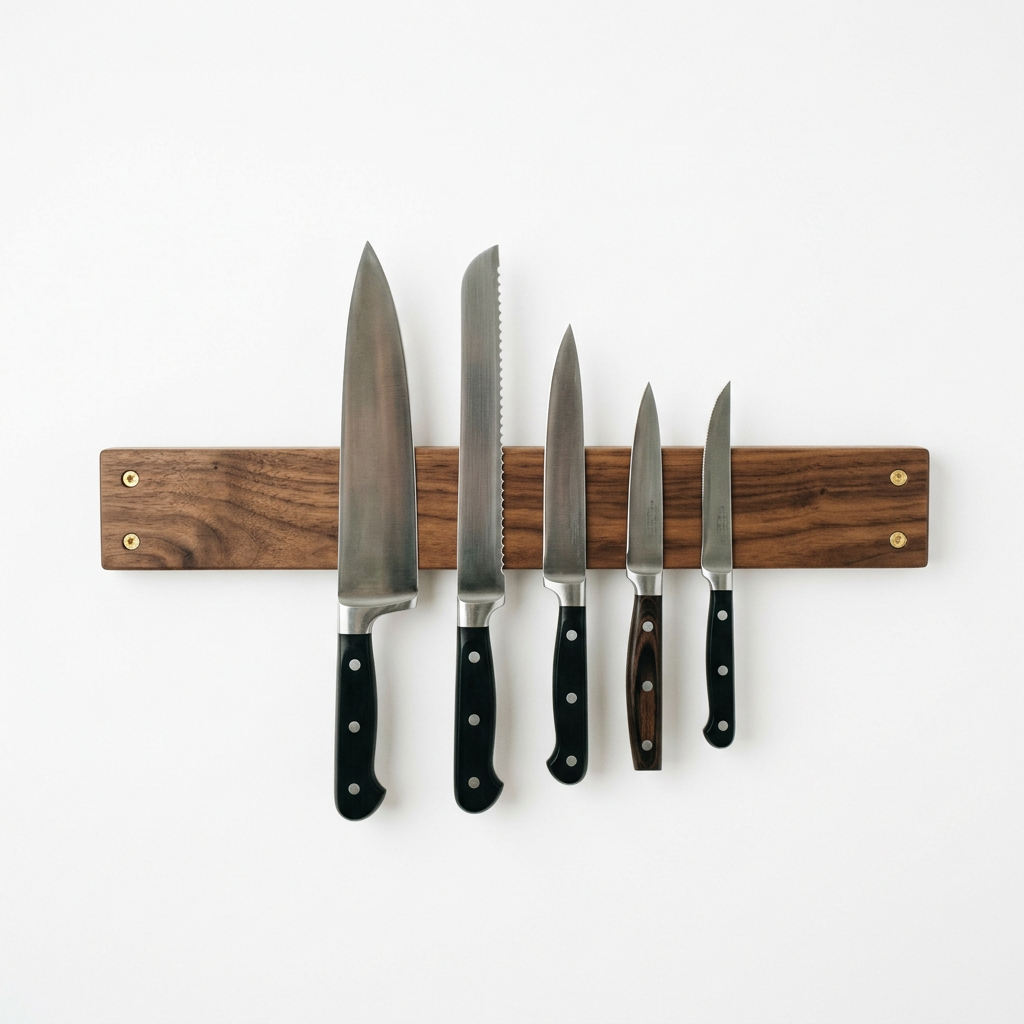
When it comes to kitchen knives, variety is the spice of life. Here are some essential types of knives that every home cook should be familiar with:
Each knife excels in its domain, and knowing which to use when is foundational to developing your knife skills.
Knife Parts and Their Functions
Understanding the parts of a knife can further refine your skills. Here are the key components:
"A knife is not just a tool; it’s an extension of a cook's artistry. Understanding its anatomy opens the doorway to culinary creativity."
Familiarizing yourself with these parts will help you gain better control over your cuts, leading to a more enjoyable cooking experience.
The Importance of Knife Skills
Having great knife skills goes beyond aesthetics and precision. They are foundational to culinary confidence, safety, and efficiency in the kitchen. Here's how heightened knife skills can enhance your cooking:
Enhancing Safety
Learning proper cutting techniques can prevent accidents and injuries. A dull knife is often the culprit for mishaps, as it requires more force to cut through ingredients. Here’s how you can ensure safety while handling knives:
Implementing these best practices will help you minimize risks and maintain a safe cooking environment.
Boosting Efficiency
With improved knife skills, you’ll notice a significant boost in your kitchen efficiency. When ingredients are cut uniformly, they cook more evenly, which can help reduce cooking time and enhance flavor absorption. In addition, knowing the right techniques for different vegetables and proteins allows for faster meal preparation.
To enhance your efficiency, consider these tips:
Elevating Flavor and Presentation
Uniform cuts not only improve cooking times but also ensure that flavors meld together beautifully. Evenly sized pieces cook at the same rate, allowing for even flavor distribution. Presentation-wise, well-cut ingredients can enhance a dish's visual appeal, making it more inviting.
"Consistency in cuts isn’t just a matter of aesthetics; it plays a crucial role in flavor development."
Essential Cutting Techniques
Now that we’ve covered the basics, let’s explore essential cutting techniques. Mastering these will significantly enhance your skills and speed in the kitchen.
The Chop
The chop is one of the most fundamental techniques in a cook's arsenal, used primarily for vegetables. This method involves cutting through the ingredient in a rapid, steady motion.
Practicing the chop on various vegetables will develop muscle memory and confidence in your technique.
The Dice
Dicing is similar to chopping but involves more precise cuts, creating even cubes.
Different sizes of dice can be used for various recipes, from small dice for soups to larger dice for stew.
The Slice
Slicing is generally used for meat and bread. It provides essential texture and appearance for your dishes.
These technical differences can dramatically affect flavor and tenderness in your meals.
The Julienne
The julienne cut is a popular method for creating thin strips, typically used in salads and stir-frys.
This technique is excellent for enhancing texture and can also speed up cooking time for thinner cuts.
The Brunoise
Brunoise is a fine dice and is often used to add texture, flavor, and color to dishes.
While this technique requires more skill, the precision adds a professional touch to your dishes.
"Mastering the basics of cuts not only saves time but elevates the overall quality of your culinary creations."
Knife Care and Maintenance
Taking care of your knives is as essential as learning how to use them effectively. Proper maintenance will prolong the lifespan of your knives and enhance their performance.
Regular Sharpening
A sharp knife is a safe knife, and it’s crucial to include regular sharpening in your routine:
Cleaning and Storage
Proper cleaning and storage are crucial for maintaining knife integrity:
Regular care will keep your knives in good condition, ensuring your efforts in honing your skills are not in vain.
Recognizing When to Replace
Even with diligent care, knives will eventually need replacing. Here’s when you should consider a new knife:
Knowing when to invest in new tools is part of being a responsible home cook.
Advanced Techniques for Knife Mastery
Once you have the basic skills down, exploring advanced techniques will further enhance your artistry in the kitchen.
Chiffonade
The chiffonade technique creates delicate ribbons, mainly used for leafy greens and herbs.
This technique is useful for adding a beautiful fresh element to your dishes.
Mincing
Mincing involves cutting ingredients into extremely small pieces, enhancing flavor distribution in a dish.
Mincing is particularly useful for aromatics like garlic, ginger, and herbs, which helps release essential oils and flavors.
Filleting
For those who enjoy seafood, learning to filet fish opens up a world of culinary opportunities.
Mastering fish filleting enhances your ability to prepare a variety of fish dishes.
Practicing Your Skills
Practicing your knife skills doesn’t have to be a chore. Integrate your learning into your daily cooking routine by:
Consistency is vital, and you will see improvement over time as you practice regularly.
Conclusion
Mastering knife skills is an essential and rewarding journey for every home cook. From understanding the anatomy of your knives to employing a myriad of cutting techniques, enhancing your skills can elevate both your cuisine and your enjoyment of cooking. Focused practice, combined with effective maintenance of your tools, will yield delicious results and foster new levels of creativity in your culinary endeavors.
Embrace the challenges that come with honing your skills and remember that every accomplished chef once stood where you are—striving for improvement and learning through experience. As you develop your knife skills, you'll soon find that they serve as a foundation for countless recipes and techniques that lie ahead. With confidence, practice, and a little bit of curiosity, you’ll become the skilled home cook you’ve always aspired to be.


Get the Next Recipe
Weekly recipes, techniques, and gear picks — straight to your inbox.
