
Knife Skills Mastery: The Essential Cuts Every Home Cook Should Know
When it comes to cooking, one of the most important skills every home cook should acquire is knife handling and cutting techniques. A well-crafted dish often begins on the cutting board, where the initial preparation sets the stage for the flavors to unfold. Learning to wield a knife with precision not only enhances the presentation of your meals but also ensures uniform cooking times, contributing to a balanced flavor profile. Mastering knife skills is about more than just chopping; it's an art form that can influence every aspect of your culinary creations.
The key to excelling in the kitchen begins with understanding the tools of the trade. A good chef knows that investing in high-quality knives can significantly impact your cooking efficiency and enjoyment. It’s essential to choose the right knives for different tasks, as each type is designed for specific cutting techniques. Additionally, maintaining these knives through proper care and sharpening will elevate your kitchen experience, allowing you to cook with confidence and ease. The right knife not only feels comfortable in your hand, but it also empowers you to execute cuts that can be intimidating for many novice cooks.
What stands in the way of many aspiring chefs is a lack of confidence with their knife skills. This is often fueled by misunderstandings about what consistent, precise cuts can achieve. In this blog post, we will unravel the mysteries of knife skills, addressing the essential cuts every home cook should know. From dicing and julienne to chiffonade, you'll learn the techniques that will not only beautify your dishes but will also allow you to work more effectively in the kitchen. Let’s delve into the fundamentals of knife skills mastery, ensuring you can elevate your culinary repertoire.
The Importance of Knife Skills
Understanding the importance of knife skills cannot be overstated. When you become proficient in these techniques, you'll notice improvements not just in how your ingredients look but also in how they cook. Uniformity in cuts ensures that cooking times remain consistent, preventing some pieces from becoming overdone while others remain raw. For example, if you're preparing a stew, evenly diced vegetables will cook together at the same pace, enhancing the overall flavor and texture of the final dish.
Furthermore, good knife skills add a level of professionalism to your home cooking. Culinary schools often emphasize the importance of mastering basic cuts, and with good reason. Whether it’s for a casual dinner with friends or an elaborate dinner party, beautiful, evenly cut ingredients elevate your presentation, drawing admiration from your guests. When you slice through vegetables gracefully, it transforms the mundane act of prep into a culinary performance.
Additionally, honing these skills can lead to increased safety in the kitchen. Many accidents occur due to improper handling of knives or inconsistent cutting, leading to slips and injuries. By understanding proper grip, body positioning, and cutting techniques, you significantly reduce the risk of injury, creating a safer environment to express your culinary creativity. In short, quality knife skills are a foundational aspect of all good cooking, making it crucial for every home chef to devote time to mastering them.
Choosing the Right Knife
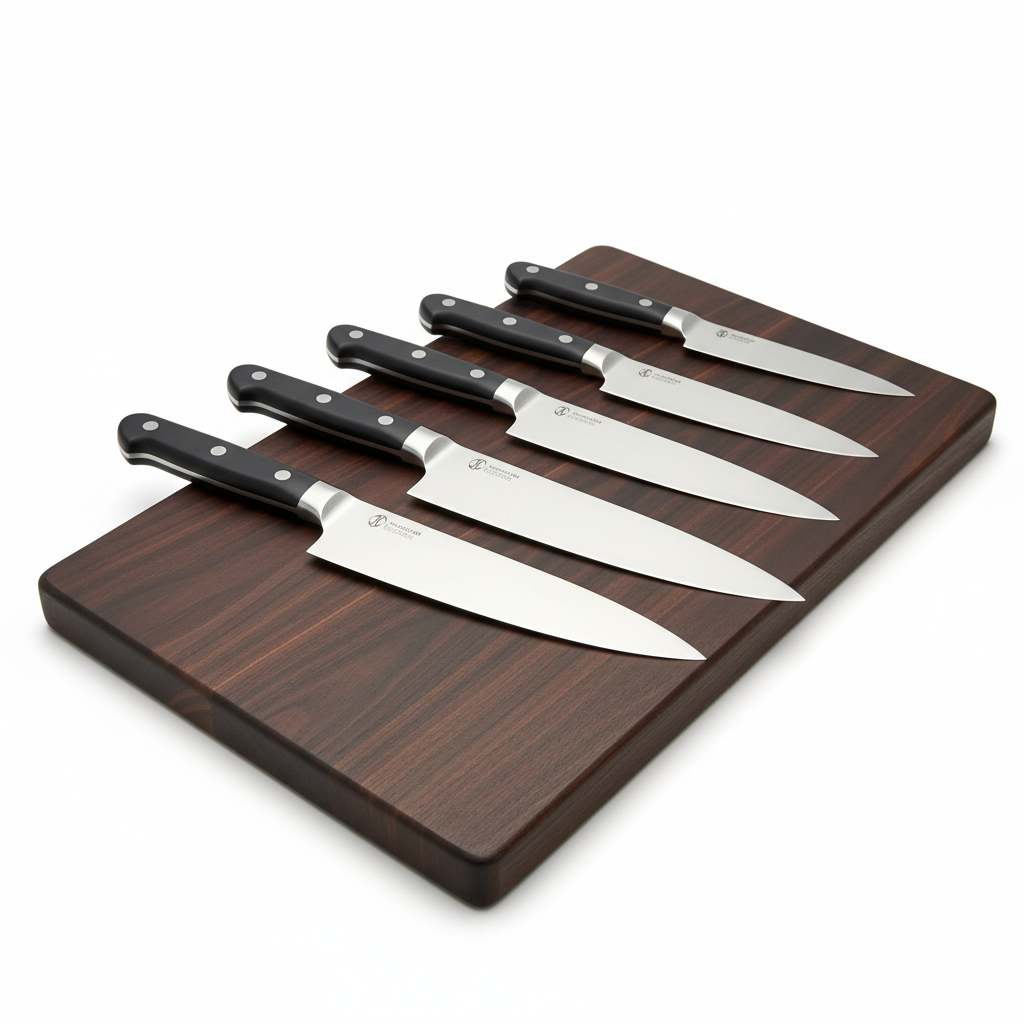
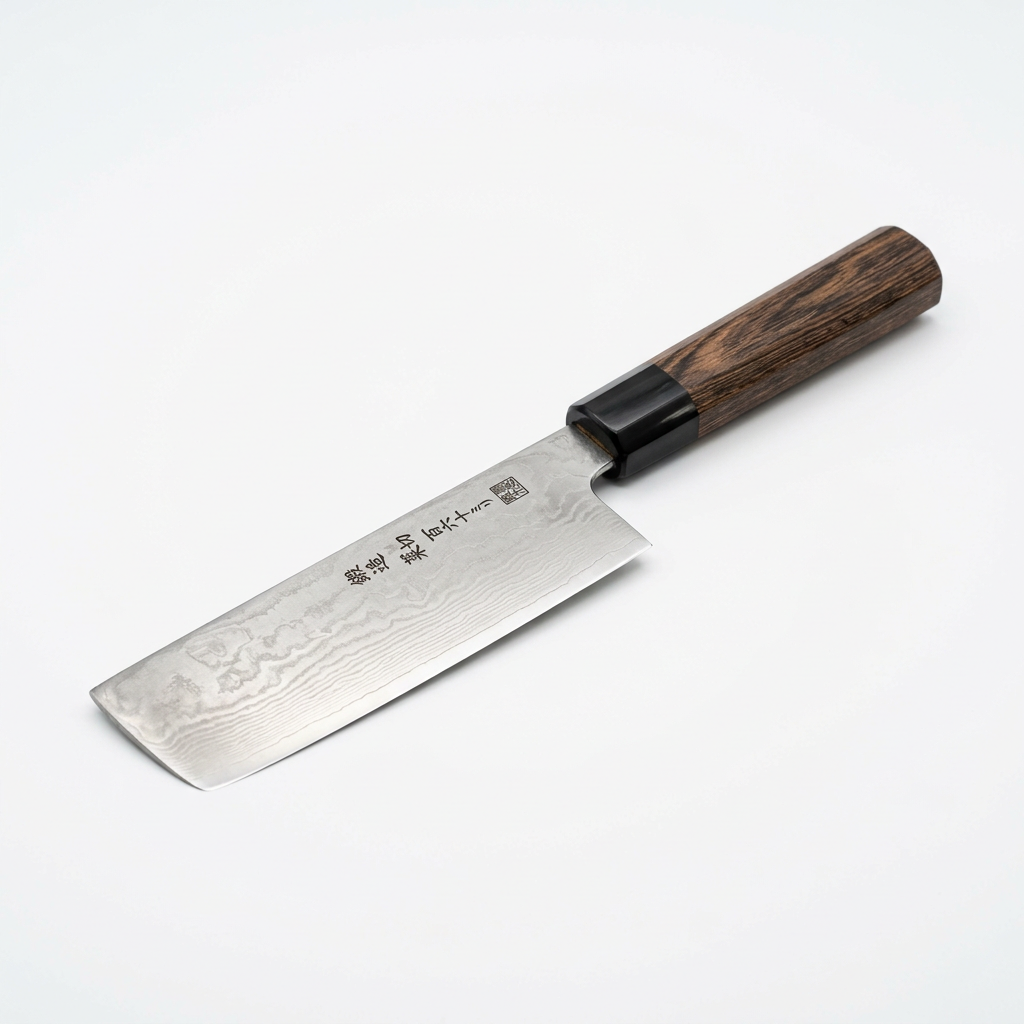
To begin your journey into knife skills mastery, it’s essential to select the right knife for the job. While there are countless types of knives available, a few essential varieties can cover most cooking tasks.
Types of Knives
Knife Materials
When choosing knives, consider the blade materials as well. Here are the most common types:
Grip and Handling
Proper grip and handling of your knives not only enhance control but also reduce the risk of accidents. When holding a chef's knife, use the pinch grip, where you grasp the blade with your thumb and index finger while the other three fingers wrap around the handle. This grip offers maximum control and minimizes fatigue during those longer prep sessions.
“A knife is a cook’s best friend—know how to wield it, and it will serve you well.”
Knife Safety Tips
Knife safety is paramount in the kitchen. To ensure your safety while honing your knife skills, consider the following tips:
Being aware of these safety measures not only protects you but also enhances your overall kitchen experience by allowing you to focus on the joy of cooking.
Mastering Basic Cuts
Understanding basic cuts is the cornerstone of knife skills mastery. Each cut serves a unique purpose and can dramatically change a dish's final presentation and texture. Here, we’ll explore some fundamental cuts every home cook should know.
Dicing
Dicing refers to cutting food into small, uniform cubes. It’s commonly used for vegetables in recipes such as soups, stews, and salads.
How to Dice an Onion:
“Uniformity is key in dicing; it ensures even cooking and a pleasant eating experience.”
Julienne
Julienne is a technique that produces thin, matchstick-sized pieces of food, often used for vegetables. This technique can be used to create garnishes or add crispness to salads.
How to Julienne a Carrot:
Chopping
Chopping is a more general term that indicates a rough cut where the pieces are not uniformly sized. It's used for ingredients like herbs, garlic, and onions.
Tips for Efficient Chopping:
Mincing
Mincing is the process of cutting food into very fine pieces, often for garlic, herbs, or shallots. It enhances flavor distribution throughout a dish.
How to Mince Garlic:
Advanced Cutting Techniques
Once you’ve mastered the basic cuts, it’s time to delve into some advanced techniques that will elevate your knife skills.
Chiffonade
Chiffonade is a slicing technique used primarily for herbs and greens, resulting in long, thin strips. This method adds elegance to dishes like salads and garnishes.
How to Chiffonade Basil:
Brunoise
Brunoise is a precise technique where food is cut into very fine dice, typically 1/8 inch per side. It’s commonly used for vegetables in sauces or garnishes.
Achieving Brunoise:
Tourne
The tourne cut is a classic technique popularized in French culinary schools, giving vegetables a distinctive, elegant shape. Each piece is shaped like a small football.
Creating a Tourne:
Knife Maintenance and Care
Just as mastering cuts is important, so too is caring for your knives. Proper maintenance can extend the life of your knives and keep them performing at their best.
Sharpening Your Knives
Regular sharpening is essential for maintaining a functional kitchen knife. Without a sharp edge, you’ll find yourself struggling, which increases the risk of accidents.
There are several methods for sharpening knives:
Cleaning and Storing Knives
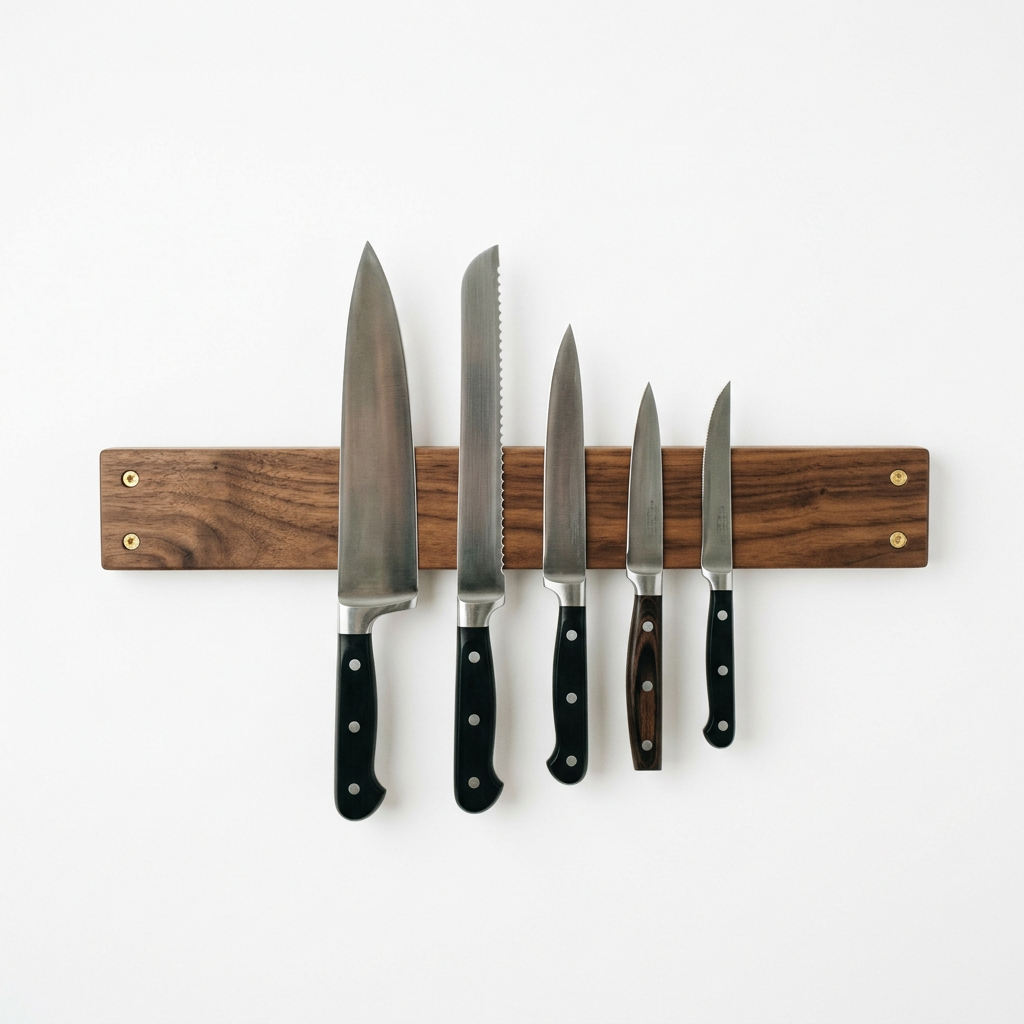
Your knives should always be washed immediately after use. Here are some tips for cleaning and storing them correctly:
Avoiding Common Mistakes
Many home cooks make common mistakes when it comes to knife care. Here are some to watch out for:
Conclusion
Mastering knife skills is an essential aspect of becoming an accomplished home cook. Understanding the importance of proper cuts, choosing the right knife, and honing your technique will revolutionize your cooking experience. With practice, patience, and the knowledge shared in this post, you'll be well on your way to elevating not just your culinary skills but also the joy of cooking that comes from confidently wielding a knife.
By incorporating these techniques into your daily cooking routine, you’ll soon find that your efficiency improves, your food presentations elevate, and your overall enjoyment of the culinary journey expands. Remember, every exquisite dish starts with a well-prepared ingredient, so take the time to master your knife skills. The flavors of your food will thank you!
Final Thoughts
Whether you’re a novice or someone looking to polish your culinary repertoire, remember that these foundational techniques will serve you well throughout your cooking journey. With practice and a commitment to mastering your knife skills, you’ll discover a new passion for preparing meals that are not only delicious but beautifully crafted. Keep experimenting, keep learning, and most importantly, keep cooking! Your skills will sharpen alongside your knives, transforming every meal into a delightful culinary adventure.
Word Count: 2,180

Get the Next Recipe
Weekly recipes, techniques, and gear picks — straight to your inbox.
