
Knife Skills Mastery: The Foundation of Confident Cooking
The kitchen, often dubbed the heart of the home, is where magic happens—flavors merge, aromas dance, and memories are created over shared meals. Yet, the foundation of any good dish lies not just in the ingredients, but in the skills and techniques employed to prepare them. Among the myriad of culinary skills, knife skills stand out as the cornerstone of confident cooking. Mastering how to wield a knife can elevate a home cook’s efficiency, precision, and safety, transforming daunting recipes into manageable, enjoyable tasks. Whether you’re dicing vegetables for a comforting stew or mincing herbs to lift a light summer dish, proficient knife skills provide the confidence needed to tackle various culinary landscapes.
Aspiring chefs often underestimate the importance of mastering their knives. Good knife habits pave the way for better workflow, reducing preparation time, food waste, and frustration in the kitchen. Moreover, understanding the anatomy of a knife and the correct techniques can help mitigate risks associated with cutting, such as slips and accidents, making the kitchen a safer environment for everyone. As you delve deeper into the art of knife skills, you’ll discover not just a way of preparing food but a profound respect for the ingredients you work with. This respect, in turn, allows for more thoughtful cooking that honors the flavors of the earth, laying the groundwork for a successful culinary journey.
As you embark on this exploration of knife skills mastery, it's essential to approach it with patience and practice. Much like learning to ride a bike or play a musical instrument, developing expertise takes time and consistent effort. Today, we'll guide you through essential techniques, tools, and tips that will not only boost your confidence but also empower your cooking adventures. From the types of knives every home cook should own to the best practices for technique and maintenance, you’ll be equipped to handle any recipe that comes your way.
Understanding Your Tools: The Anatomy of a Knife
A good cook knows that the right tools make all the difference in preparation. This begins with understanding the anatomy of a knife. A well-designed knife enhances your efficiency, making cutting, slicing, and dicing less of a chore and more of a delight.
The Essential Components of a Knife
Knives come in various shapes and sizes, but understanding their basic components helps clarify their functions. Key parts of a knife include:
Each component plays a role in how the knife performs, so it’s crucial to select knives that suit your cooking style and preferences.
Types of Knives Every Cook Should Own
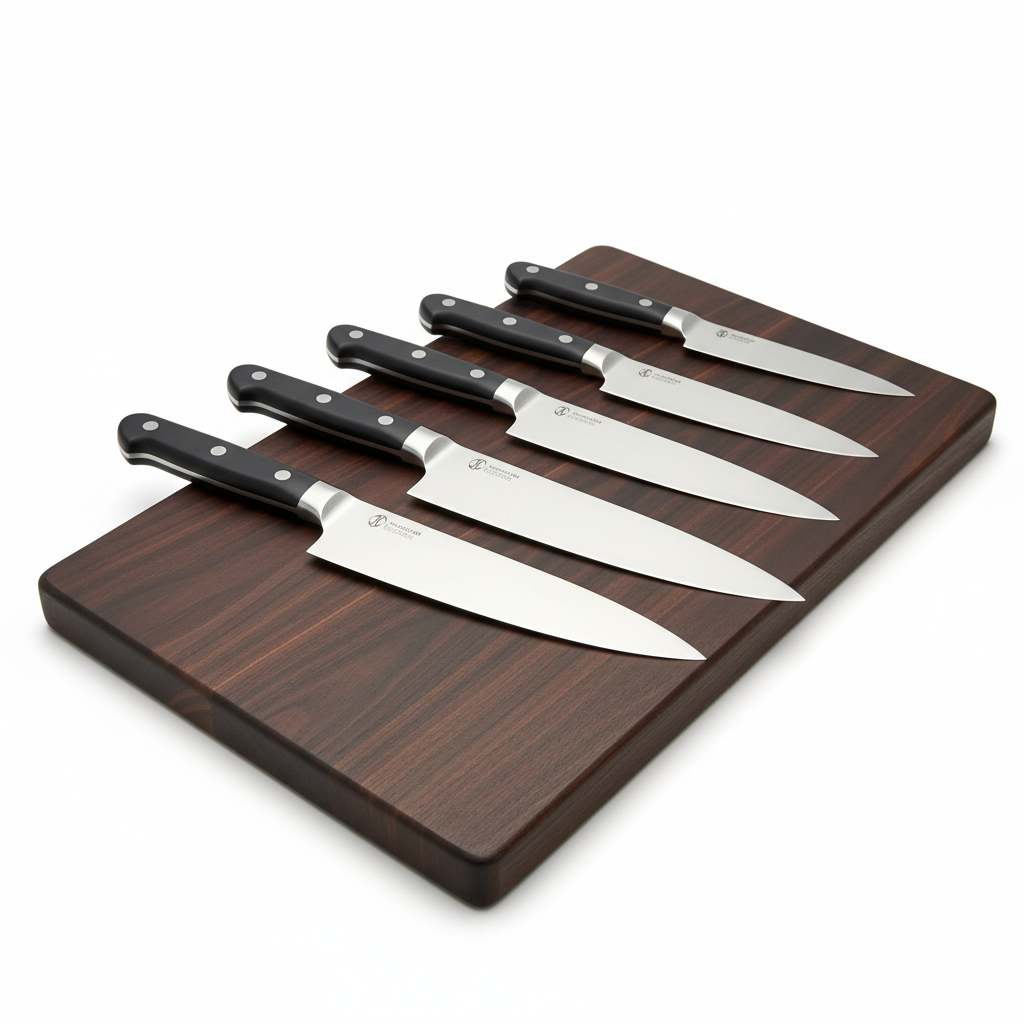
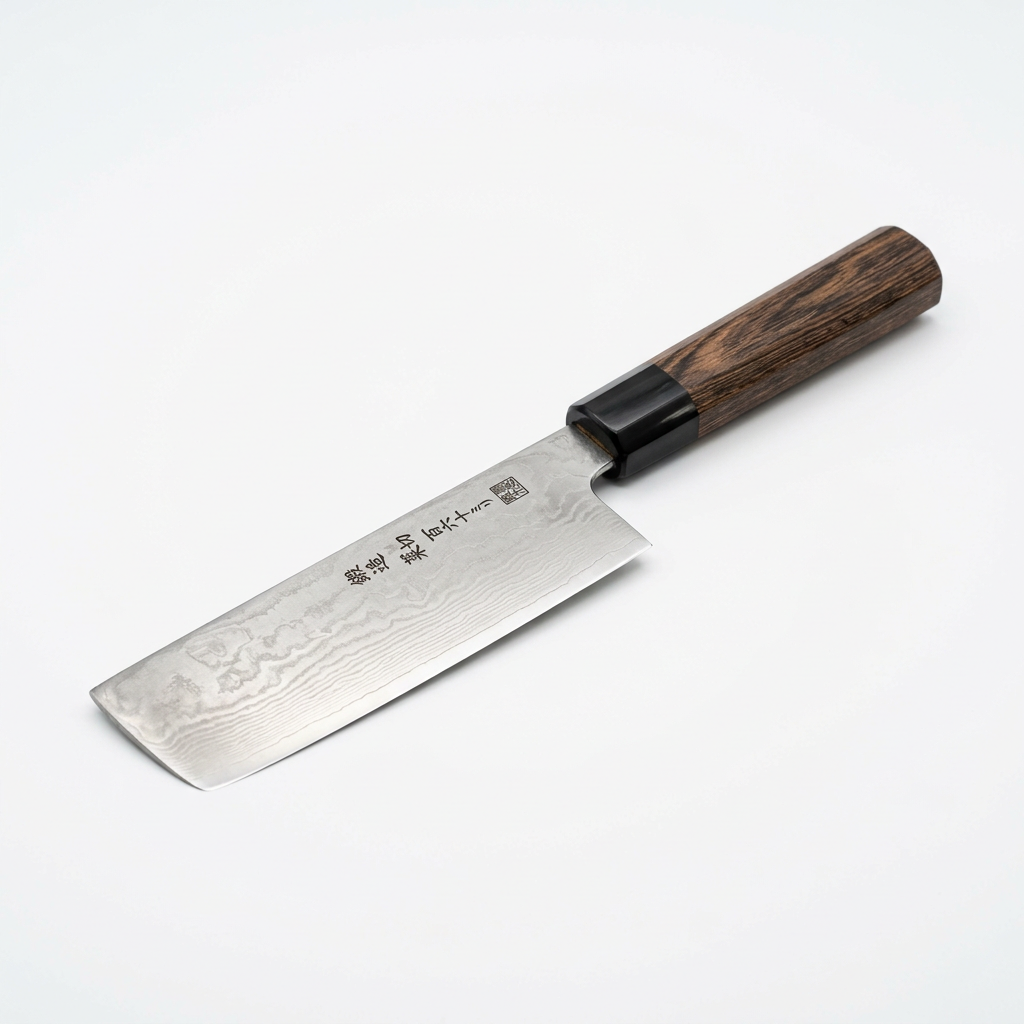
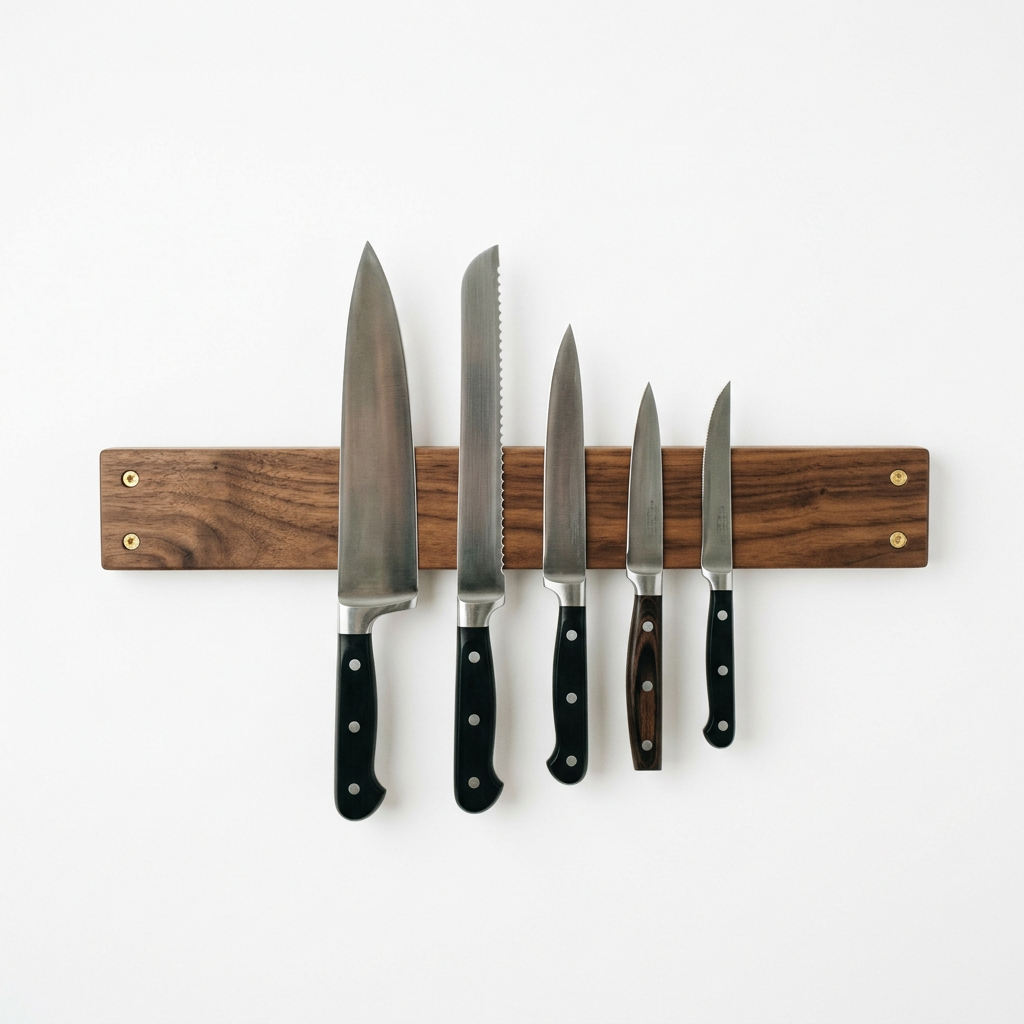
Not every knife is suitable for every task. Investing in a set of versatile knives can significantly enhance your kitchen experience. Here are some essential knives to consider:
By understanding the various types of knives, you can choose the right tool for your specific needs, thus enhancing your cooking efficiency.
Techniques: Basic Knife Skills You Must Master
Arming yourself with knowledge about knife anatomy and types is just the beginning. The next step is to master the essential knife skills that will serve as the foundation for all your culinary endeavors.
The Grip: How to Hold Your Knife Effectively
A proper grip is crucial for both safety and control. Here's how to hold a chef’s knife, the most common knife in your arsenal:
By mastering your grip, you’ll be better prepared to tackle any cutting task with confidence.
Basic Cuts: Practicing Essential Knife Techniques
Mastering a few basic cuts can make all the difference in your culinary presentations and cooking efficiency. Here are common knife techniques to practice:
Practicing these cuts will improve your speed, control, and presentation on the plate, allowing you to create dishes that look as good as they taste.
Safety First: Knife Safety Tips for Home Cooks
While knife skills can undoubtedly elevate your cooking, safety is paramount. A few precautions can help ensure a safe cooking environment and prevent accidents.
The Importance of a Sharp Knife
It may seem counterintuitive, but a sharp knife is actually safer than a dull one. A dull knife requires more force to cut through food, increasing the likelihood of slipping. Here are some reasons why you should prioritize knife sharpness:
Best Practices for Safe Knife Handling
To ensure safe handling of knives in the kitchen, follow these guidelines:
By adopting these safety practices, you reduce the risk of accidents and create a more enjoyable cooking experience.
Knife Maintenance: Caring for Your Kitchen Blades
Proper maintenance of your knives not only prolongs their life but also enhances performance. Understanding how to care for your tools is vital for any aspiring chef.
Cleaning Your Knives
Taking care of your knives begins with proper cleaning techniques. Follow these guidelines:
Sharpening Your Knives
A dull knife can be transformed with the right sharpening techniques. Regularly honing and sharpening your knives should be part of your maintenance routine.
Honing vs. Sharpening:
#### How to Sharpen Your Knife at Home
By following these steps, you’ll keep your knives in prime condition, ensuring they remain reliable tools in your kitchen arsenal.
Cooking with Confidence: Applying Your Knife Skills
With your improved knife skills and a solid understanding of maintenance behind you, it’s time to put those skills into practice. Cooking can often feel overwhelming, but understanding your techniques allows for a more confident approach.
Simple Recipes to Hone Your Skills
Consider practicing with these simple recipes that will allow you to showcase your newly honed knife skills:
Ingredients:
- 1 cup broccoli florets
- 1 cup bell pepper slices
- 1 cup carrot sticks
- 2 tablespoons soy sauce
- 1 tablespoon vegetable oil
- 1 clove garlic, minced
Instructions:
1. Heat oil in a pan over medium-high heat.
2. Add garlic and stir-fry for about 30 seconds.
3. Add your chopped vegetables, stir-frying for about 5-7 minutes until tender.
4. Pour in the soy sauce and stir for another minute before serving.
Mind Your Technique
While attempting new recipes, be mindful of your technique. After all, it’s not just about getting the food prepared; it’s about doing it safely and efficiently. Here are a few techniques to keep in mind:
Experimenting with Different Ingredients
As you become more comfortable with your skills, try experimenting with different ingredients requiring various cutting techniques. Consider working with:
By challenging yourself with a variety of ingredients, you enrich your culinary experience and enhance your knife skills.
Final Thoughts
As you conclude this culinary journey into knife skills mastery, remember that expertise does not come overnight. Each slice and dice is an opportunity to refine your technique, improve your safety awareness, and elevate your cooking. Your confidence in the kitchen will grow as you practice these skills, and soon you’ll find yourself executing more complex recipes with ease.
Your knife is more than just a tool; it’s an extension of your passion for cooking. Embrace the joy of preparing meals for friends and family with the knowledge and skills you’ve acquired. The journey of a chef is filled with discovery, experimentation, and, most importantly, the love of sharing good food.
So, roll up your sleeves, sharpen your knives, and step confidently into your kitchen—not just as a home cook, but as a culinary artist ready to explore the endless possibilities. With commitment, patience, and practice, you'll find that the mastery of knife skills is truly the foundation of confident and joyful cooking.

Get the Next Recipe
Weekly recipes, techniques, and gear picks — straight to your inbox.
