
Knife Skills Mastery: The Perfect Julienne, Brunoise, and Chiffonade
Mastering the art of knife skills is a critical step toward becoming a more proficient home cook. The way you chop, slice, and dice can significantly impact the flavor and presentation of your dishes. Not only do proper knife skills improve the texture of your ingredients, but they also promote even cooking and enhance the overall dining experience. Whether you aspire to recreate sophisticated restaurant dishes or whip up family favorites, mastering the techniques of julienne, brunoise, and chiffonade will elevate your culinary repertoire beyond measure.
In this blog post, we will delve into the nuances of these essential knife skills. You'll discover detailed guides on each technique, including the purpose, how to achieve them, and tips to ensure perfect execution every time. We're here to ensure that you understand the principles behind each technique and feel confident as you practice them in your kitchen. As you absorb this knowledge, keep in mind that practicing these skills will not only improve the aesthetics of your plates but will also enhance your overall enjoyment in the kitchen.
Knife skills are not just about cutting; they reflect the respect we have for our ingredients. When you take the time to prepare your vegetables and proteins using the right techniques, you are ensuring that they maintain their flavors and textures. This commitment to quality can make a world of difference, whether you're preparing a gourmet meal or a simple weeknight dinner. Prepare to transform the way you view food preparation as we embark on this journey of knife skills mastery.
The Importance of Knife Skills in Culinary Arts
Enhancing Flavors and Textures
Knife skills are fundamental in cooking because they directly affect how ingredients interact with each other. For instance, a finely diced onion will release its flavor more quickly than a rough chop, leading to a more integrated taste in soups and sauces. Conversely, herbs that are chiffonaded and added to a dish retain their freshness, imparting bright flavors without becoming bitter or overly bruised.
Slicing ingredients uniformly not only allows for even cooking but also contributes to a visually appealing dish. Think of a perfectly plated ratatouille or a colorful stir-fry; each component is cut to specific shapes and sizes to showcase the ingredients’ natural beauty. This attention to detail is what separates a home cook from a culinary professional.
Knife Skills as a Foundation for Culinary Techniques
Your ability to cut ingredients with precision serves as a gateway to other culinary techniques. For example, the precise cuts achieved through julienne and brunoise can be foundational for techniques such as sautéing, which demands uniform pieces to ensure even cooking. Mastering your knife skills will make it easier to tackle more advanced cooking methods like mirepoix preparation or implementing techniques like concassé for tomatoes.
Furthermore, possessing solid knife skills will boost your confidence in the kitchen, making you more inclined to experiment with complex recipes. Knowing that you can handle cutting tasks with the right techniques opens a myriad of possibilities in culinary exploration.
Safety First: Maintaining a Safe Kitchen Environment
Alongside developing your knife skills, it's critical to adhere to safety measures while wielding sharp instruments. Learning to handle your knife properly reduces the risk of accidents and injuries. Always ensure that your work surface is stable and free of clutter while using a cutting board and that your knife is sharp. A dull knife is more dangerous than a sharp one; it requires more force, increasing the likelihood of slipping and cutting yourself.
It’s also crucial to maintain proper posture while cutting. Stand with your non-dominant hand holding the ingredient securely while your dominant hand controls the knife. This positioning not only enhances your stability but also maximizes control over the blade.
Understanding Knife Types and Their Uses
Essential Knife Types for the Home Cook
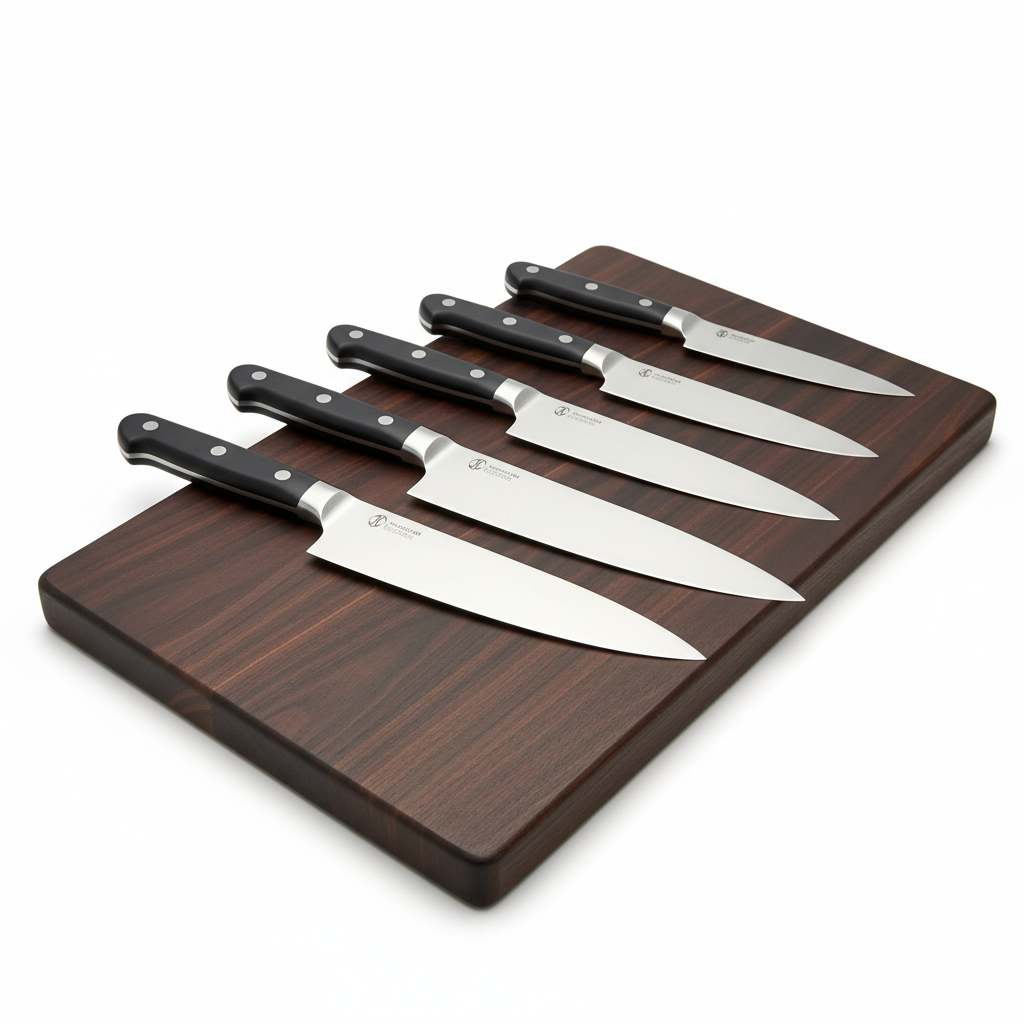
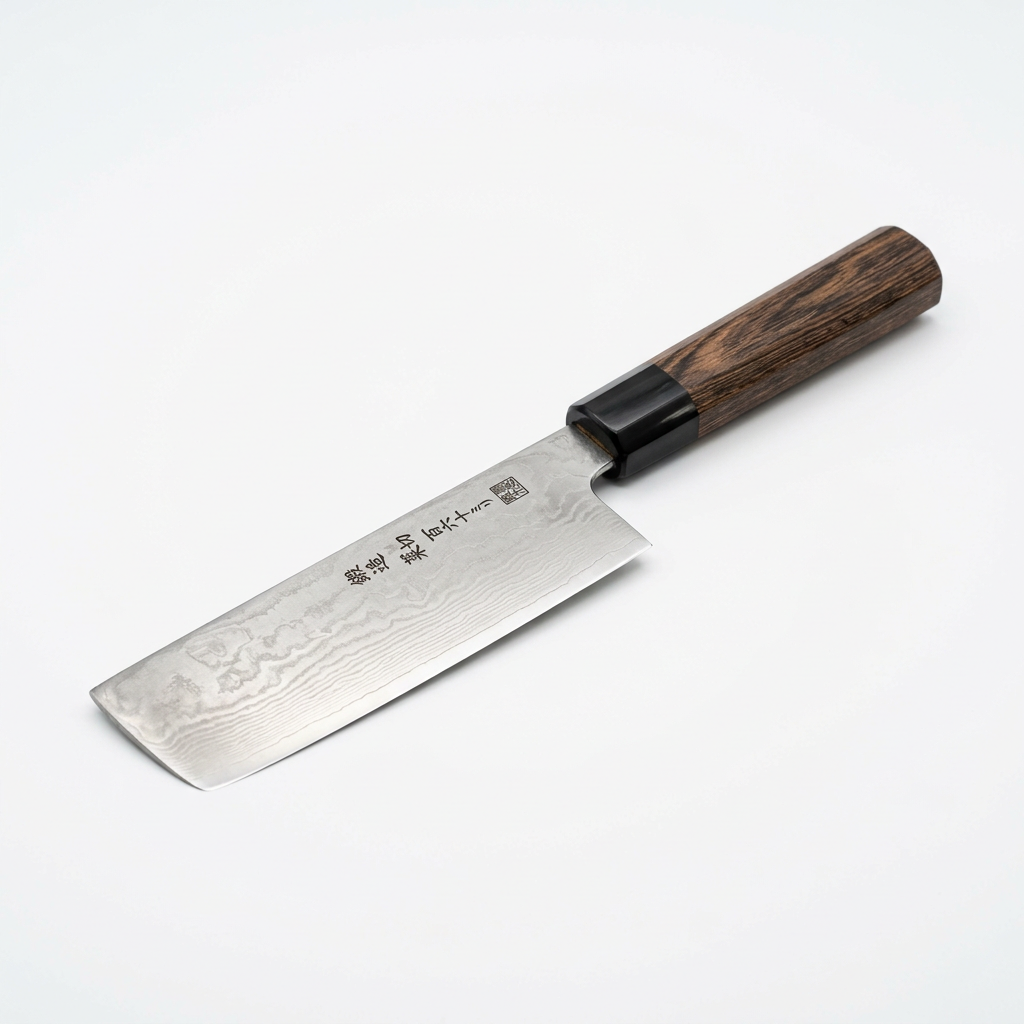
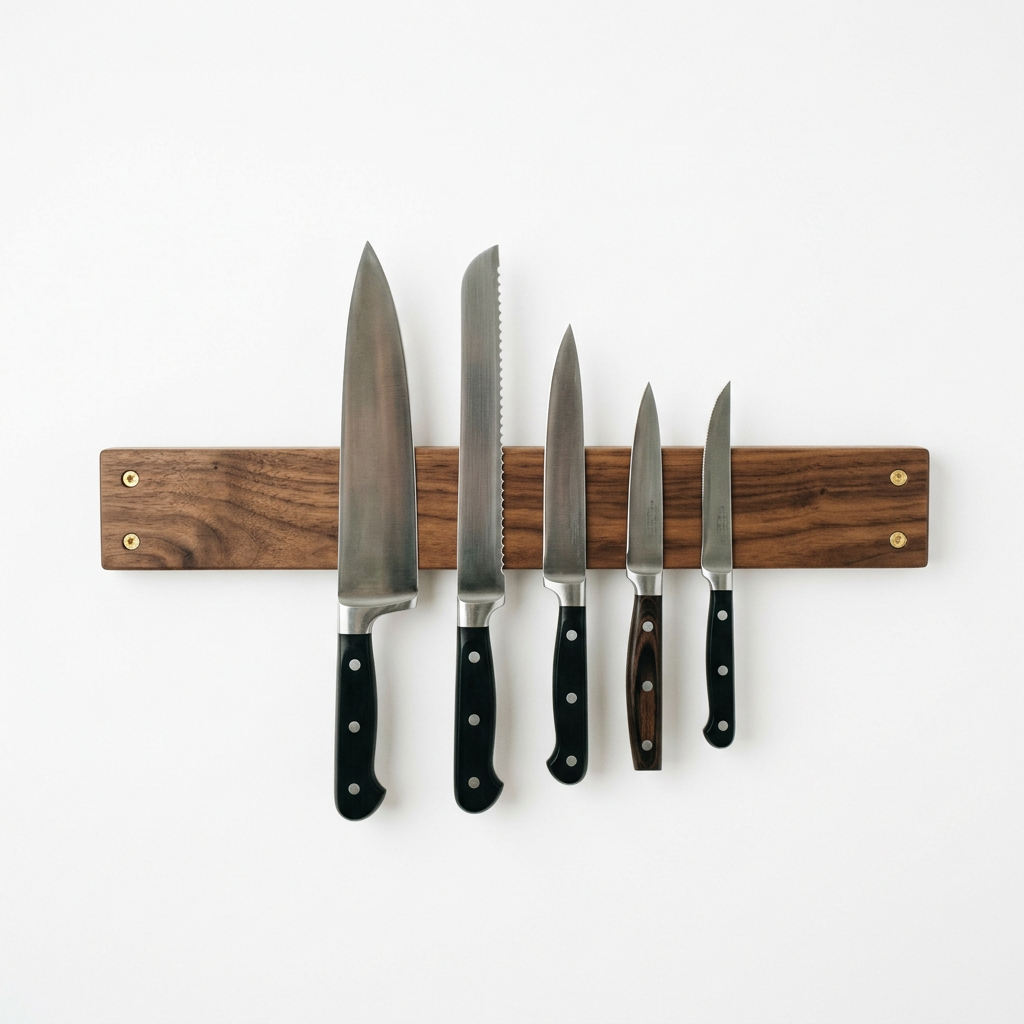
Before diving into the techniques themselves, let’s briefly discuss the types of knives that are typically used in culinary practices and how they relate to our cutting techniques. Each knife has its unique design and purpose. Here are a few essential knives every home cook should have:
Each of these tools can significantly enhance your chopping experience. Using the right knife for the task at hand promotes not only efficiency but also safety and precision.
Understanding Knife Care and Maintenance
No matter how skilled you become with your knife skills, you will not achieve optimal results without maintaining your tools. Regularly honing and properly caring for your knives is paramount:
By taking proper care of your knives, you ensure they remain effective tools in the kitchen, allowing for consistent and safe use.
The Art of Julienne
What Is Julienne?
Julienne refers to slicing vegetables into long, thin matchstick-like pieces. This cut is typically about 1/8 inch wide and 2-3 inches long. It’s often used for vegetables like carrots, bell peppers, and zucchini. The julienne cut not only enhances the visual appeal of a dish but also allows the ingredients to cook quickly and evenly.
How to Execute the Perfect Julienne
To achieve a perfect julienne, follow these steps:
"Julienne cuts allow for quick cooking and beautiful presentation. The speed at which they cook enhances the overall dish without losing nutritional value."
Applications of Julienne
The julienne cut is popular in many culinary applications, such as:
Experimenting with julienne cuts can lead to exciting personal interpretations of classic dishes.
Mastering Brunoise
What Is Brunoise?
Brunoise is a fine dicing technique where vegetables are cut into small cubes, size typically around 1/8 inch. This method not only presents a refined look but also works well for dishes requiring a subtle integration of flavors, such as sauces or fillings.
Steps to Achieve a Brunoise Cut
Follow these steps to create a perfect brunoise:
"Brunoise adds depth and a touch of elegance to your dishes, allowing flavors to meld beautifully."
Applications of Brunoise
Brunoise is particularly useful in culinary preparations:
Mastering brunoise will allow you to add a touch of professionalism to your everyday cooking.
The Chiffonade Technique
What Is Chiffonade?
Chiffonade refers to a technique used to cut leafy greens and herbs into thin strips, enhancing their texture and showcasing their flavors. It is often applied to basil for pasta dishes, salads, or garnishes.
How to Achieve a Chiffonade Cut
The chiffonade technique is simple yet elegant; follow these steps:
"A chiffonade cut not only elevates the presentation but also intensifies the flavor release from herbs."
Uses of Chiffonade
The chiffonade cut can elevate your culinary creations in numerous ways:
Final Tips for Knife Skills Mastery
Consistent Practice
As with any skill, consistent practice is vital for honing your knife skills. Take the time to practice each cutting technique on various vegetables and proteins. Regularly challenge yourself to improve your precision and speed. Set aside time each week to intentionally refine your cutting techniques, making it a fun and engaging experience.
Watch Your Body Mechanics
Paying attention to your body mechanics can enhance your efficiency and prevent fatigue. Ensure your cutting board is at an appropriate height so that you don’t have to bend or strain your back. Stand with your feet shoulder-width apart for stability and keep your knife hand in control, while your non-dominant hand securely holds the items being cut.
Focus on Clean Cuts
Whenever you practice different techniques, prioritize making clean, confident cuts. Ensure that you're using the correct amount of pressure; if you find yourself forcing the knife, it might be time to sharpen. Using a well-maintained knife allows you to slice through ingredients effortlessly, which in turn enhances your cutting speed and overall enjoyment of the cooking process.
Conclusion
Mastering knife skills such as julienne, brunoise, and chiffonade can dramatically elevate both your cooking and presentation. The techniques discussed prepare you not only to produce visually stunning dishes but also to create meals that are perfectly balanced in flavor and texture. As you grow more comfortable with these essential skills, remember to embrace the process of learning and refining your techniques. The kitchen should be a place of joy and creativity, and with practice, you will find yourself enjoying it even more.
Make these knife techniques a routine part of your cooking practice, and watch as your confidence and ability soar. With every slice, you are crafting not just meals, but delightful culinary memories. So grab your knife and cutting board, and begin your journey towards knife skills mastery today!
With time and dedication, you’ll soon find your efforts rewarded as those meals come together with greater ease and skill, all while impressing friends and family alike. Happy cooking!

Get the Next Recipe
Weekly recipes, techniques, and gear picks — straight to your inbox.
