Korean Banchan: The Art of Small Dishes That Define a Meal
To dine in a traditional Korean household is to witness a theatrical production performed on a tabletop, a vast mosaic of flavors that demands your full attention. While many Western diners fixate on the centerpiece—perhaps a bubbling pot of kimchi jjigae or a sizzling platter of bulgogi—the true soul of the meal lies in the banchan. These small side dishes are far more than mere accompaniments; they are the essential grammar of the Korean culinary language, providing the necessary contrast in texture, temperature, and taste that rounds out a dining experience. Without these vibrant plates, a Korean meal feels incomplete, almost barren, as they serve to balance the heat of the protein or the comfort of a steaming bowl of short-grain rice.
The beauty of banchan lies in its incredible diversity, covering the entire spectrum of the palate through techniques like fermentation, blanching, braising, and stir-frying. A well-composed table might feature the sharp acidity of mul-kimchi, the earthy sweetness of sautéed spinach, and the briny depth of braised lotus root all at once. This system of serving allows the home cook to highlight seasonal ingredients, transforming simple vegetables and leftovers into elevated components that define the identity of the kitchen. When you master these small plates, you are essentially learning how to bridge the gaps between flavors, ensuring that every bite of your main course is complemented by something crunchy, tangy, or umami-rich.
Embarking on the journey of preparing your own banchan is an act of patience and intention that will profoundly elevate your home cooking repertoire. It requires a fundamental shift in how you view the components of a meal, moving away from the "meat-and-two-veg" mentality toward a more nuanced, communal approach to nutrition and joy. Whether you are a novice cook or an experienced home chef, understanding the rhythm of these side dishes will provide you with a toolkit for endless creative expression. We are about to strip away the mystery surrounding these vibrant bowls and teach you the professional techniques required to craft an authentic, restaurant-quality spread that will leave your guests reaching for "just one more bite" long after the main course is finished.
The Philosophy of the Korean Table
At the heart of every Korean meal is the concept of bapsang, the traditional table setting that prioritizes harmony through balance. When you assemble a selection of banchan, you are not just throwing together leftovers; you are curating an experience based on the Five Colors theory (obangsaek). In Korean tradition, incorporating white, black, red, yellow, and green foods ensures that your meal is nutritionally complete and aesthetically pleasing. This practice has its roots in medicinal theory, where balanced colors represent the five elements—wood, fire, earth, metal, and water—and are believed to nourish different organs of the body.
Achieving Harmonic Balance
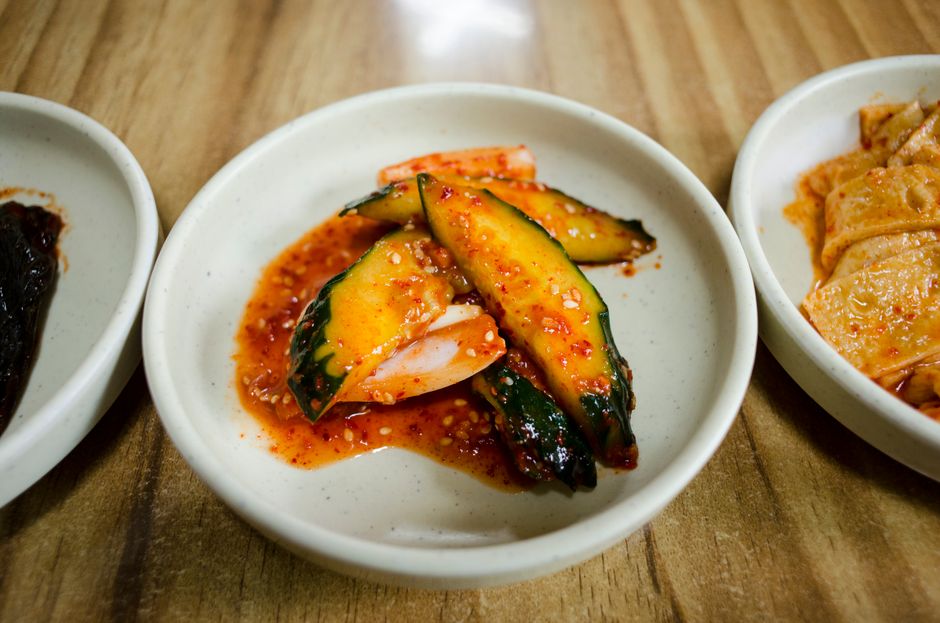
When selecting which banchan to prepare, think in terms of texture and preparation method. If your main dish is fried or heavily spiced, balance the palate with a refreshing, cold vegetable dish such as oi-muchim (spicy cucumber salad) or kongnamul-muchim (seasoned soybean sprouts). You should strive for a mix of textures: the snap of blanched greens, the chew of dried seafood, and the silky tenderness of braised tofu.
The secret to a perfect Korean meal isn't in the size of the protein, but in the complexity of the side dishes that allow the rice to become a canvas for infinite flavor combinations.
A well-rounded table should include at least one kimchi variant, one namul (seasoned vegetable), one braised or stir-fried item, and perhaps a small portion of protein-based side dish. By rotating your selection based on what is available at the market, you ensure that your table never feels monotonous. The goal is to create a dynamic interplay where every bite provides a new perspective, preventing the palate from becoming fatigued by a single dominant flavor profile.
The Essential Toolkit for Banchan Preparation
To execute these dishes with the precision of a professional chef, you must rely on a specific set of tools and staples. While many western kitchens are stocked with heavy-duty pans, the world of banchan relies more on precise knife skills and high-quality seasonings. Your pantry should be a sanctuary of fermentation and salinity, housing essential items like gochugaru (Korean red chili flakes), doenjang (fermented soybean paste), gochujang (red chili paste), and high-quality toasted sesame oil.
Knife Skills and Mise en Place
The hallmark of professional-looking banchan is uniform vegetable cutting. When blanching greens or preparing root vegetables, consistent sizing ensures that all pieces cook simultaneously, resulting in a uniform texture throughout the dish. Use a sharp chef’s knife or a Japanese mandoline to achieve thin, precise ribbons of carrot or zucchini. Before you begin cooking, ensure your mise en place is complete: measure your soy sauce, sugar, minced garlic, and sesame seeds into small ramekins so you can assemble your seasonings swiftly.
Gochugaru:* Look for a fine-toothed grind for kimchi, and a coarser grind for stir-fries to manage the intensity of heat.
Sesame Oil:* Always purchase toasted, high-quality oil in small quantities, as it loses its aromatic profile quickly once exposed to air.
Fermentation Vessels:* Glass or ceramic containers are non-negotiable for storing kimchi and fermented vegetables; never use porous plastics that trap odors and bacteria.
Mastering Namul: The Art of Seasoned Greens
Namul refers to seasoned vegetables that are either raw, blanched, or stir-fried. The technique of blanching is paramount here; it is not merely about cooking the vegetable, but about preserving its color and nutritional density while softening its fibers to better absorb your seasonings. For leafy greens like spinach or perilla leaves, the water must be at a rolling boil before the vegetables hit the pot. A quick blanch of 30 to 60 seconds is usually sufficient, followed by an immediate ice-water bath to lock in that vibrant emerald green.
The Secret Ratio
For most namul, the ratio of seasoning remains constant: one part high-quality soy sauce, one part sesame oil, and one part minced garlic, adjusted with a touch of sugar or toasted sesame seeds. The key is in the squeeze. After blanching your greens, you must gently but firmly squeeze out the excess water. If you don't remove this water, the seasoning will dilute, and your dish will become soggy and watery.
"When you master the squeeze, you master the namul. Excess moisture is the enemy of flavor intensity; remove the water, and you leave room for the magic of sesame and garlic to permeate the fibers."
Once the water is removed, break apart the clump of greens with your hands—using disposable food-safe gloves is common in professional kitchens for this task—and toss gently with your seasoning mixture. The friction of your hands helps the seasoning coat every strand of the vegetable. Seasoning immediately after blanching and cooling allows the vegetables to marinate while you finish preparing the rest of your table.
Braised Treasures: The Joys of Jorim
Jorim is a method of simmering ingredients in a savory, often slightly sweet, braising liquid until the liquid has reduced to a sticky, glaze-like consistency. This technique is perfect for root vegetables like lotus root, burdock root, or even firm tofu. The beauty of this method is that it creates a dish that can be prepared in advance; in fact, many jorim dishes taste significantly better after sitting in the refrigerator for a day, allowing the flavors to penetrate deep into the center of the ingredient.
Temperature Control and Reduction
To execute a successful jorim, start by browning or searing your base ingredient in a neutral oil. Then, add a mixture of soy sauce, water (or dashi), sweetener (honey, corn syrup, or brown sugar), and aromatics like ginger or dried chili. The key is to simmer the dish over medium-low heat until the liquid reduces by at least two-thirds. You want the sauce to coat the back of a spoon, becoming glossy and concentrated.
The World of Kimchi and Fermentation
No discussion of banchan would be complete without acknowledging the king of all side dishes: kimchi. While many associate it only with Napa cabbage, the category of kimchi spans dozens of variations. Learning to make kimchi is a rite of passage for any cook interested in Korean cuisine. The fundamental technique involves "salting out" the vegetables—usually with coarse sea salt—to draw out moisture and kill unwanted bacteria, creating a saline environment where beneficial lactobacillus can flourish.
Precision in Salting and Temperature
The most common mistake home cooks make with kimchi is under-salting. If the vegetable is not sufficiently salted, it will not ferment correctly, often leading to a mushy texture rather than the satisfying crunch we crave. Aim for a salt concentration that makes the cabbage feel limp and pliable after about two hours of resting. Once the cabbage is salted, rinse it thoroughly to remove excess sodium before applying the yangnyeom (the seasoning paste made of chili, garlic, ginger, fish sauce, and rice flour porridge).
Fermentation is temperature-sensitive. While traditional kimchi was buried in the ground in clay pots (onggi) to maintain a constant, cool temperature, modern home cooks should aim for a spot in their home that stays between 50 and 60 degrees Fahrenheit for the initial fermentation phase. Check your jars daily; as fermentation progresses, the cabbage will release carbon dioxide, which creates a characteristic tang and fizzy sensation on the tongue.
Protein-Based Banchan: The Sustenance Factor
While vegetable dishes dominate the table, small portions of protein-based banchan are essential for a complete meal. These often come in the form of dried seafood stir-fries, such as myeolchi-bokkeum (candied dried anchovies), or thin slices of marinated meat. These dishes are designed to be eaten in small quantities, as they are often quite potent in flavor and meant to stimulate the appetite rather than fill the stomach.
Caramelization Techniques
For the dried anchovy stir-fry, the goal is to achieve a balance between sweet, salty, and crunchy. Start by quickly dry-toasting the anchovies in a clean pan over high heat for two minutes; this removes the "fishy" aroma and intensifies the flavor. Remove the anchovies and set them aside. In the same pan, create a quick glaze with soy sauce, corn syrup, and a touch of butter. Toss the anchovies back in once the glaze is bubbling, stirring constantly to ensure each tiny fish is coated in the shimmering, sticky sauce.
Anchovies (small): The variety known as jiri or gaseum-chi* are best for this.
Crunch Factor:* Adding toasted walnuts or sliced almonds during the final minute of cooking adds a necessary contrast to the chew of the fish.
Serving Tip:* Store in an airtight glass container; this dish keeps well for up to two weeks and is a perfect "emergency" addition to any quick lunch.
The Role of Aromatics and Umami Boosters
If you find yourself wondering why your banchan doesn't taste quite like what you've had at an authentic restaurant, the answer usually lies in your handling of aromatics. Korean cuisine relies heavily on garlic, scallions, and ginger, but the way they are incorporated changes everything. For raw-style salads, use finely grated garlic; for stir-fries, use thinly sliced slivers; and for soups or braises, use crushed whole cloves to ensure the flavor infuses the liquid without overwhelming the bite.
Umami Building Blocks
The concept of umami is elevated through the use of specific fermented pastes. Doenjang, the fermented soybean paste, adds a depth and earthiness that is impossible to replicate with salt alone. When using it in a vegetable side dish, it is often best to dilute it with a small amount of sesame oil or water to create a dressing. Don't be afraid to experiment with anchovy broth as a base for your cooking liquids; this simple stock provides a complex, savory foundation that ties the various dishes on the table together.
The harmony of a Korean meal is achieved when the sharp bite of raw garlic is softened by the richness of sesame oil, and the salinity of fermented paste is rounded out by the natural sweetness of the vegetable.
Elevating Your Presentation
The presentation of banchan is as crucial as the preparation itself. Because the dishes are served in small bowls, the visual impact of the table comes from the variety of shapes, sizes, and colors of the vessels used. In a professional setting, a cohesive table often features matching or complementary ceramic bowls. When serving your dinner guests, place the bowls in a circular formation, ensuring that the flavors that contrast the most are placed side-by-side.
Organizing the Table
Keep the cold vegetables together and the hot or braised items closer to the main dish. Avoid crowding the table with too many large bowls; if you are serving a group, it is better to provide smaller portions of many varieties than large portions of just two or three. This encourages guests to sample a little bit of everything, which is the true intent of the banchan tradition.
Final Thoughts
The art of banchan is, at its core, an art of consideration. By taking the time to prepare these small, thoughtful dishes, you are showing respect for the ingredients, the season, and the people sitting at your table. You are moving beyond the role of a cook who simply feeds people, and becoming a curator of experience. Do not be intimidated by the number of dishes involved; many of these can be prepared ahead of time, and the variety only serves to make your table more inviting and your meal more satisfying.
As you practice these techniques—the blanching, the squeezing, the simmering, and the fermenting—you will begin to internalize the flavors that define Korean cuisine. You will find that you no longer need a recipe to make a quick batch of seasoned spinach or a jar of cucumber kimchi. You will develop an instinct for balance, an understanding of how the sharpness of vinegar can lift the heaviness of pork, or how the sweetness of mirin can highlight the earthiness of root vegetables.
This process is a marathon, not a sprint. Start with two or three dishes that you truly enjoy. Master them. Learn how they react to the heat of your stove and the acidity of your pantry. Once you have built your confidence, expand your repertoire, adding a fermented element, then a protein-based side, then perhaps a cold soup. Before you know it, you will be setting a table that reflects the depth and beauty of the Korean culinary tradition. So, take your time, keep your knives sharp, and remember that every small dish you place on the table is a testament to your growing skill and your passion for good food. Your kitchen is now a space of creation, and your banchan is the hallmark of your craft. Enjoy the process, and let the flavors speak for themselves. The table is set; it is time to eat.
Beyond the Plate: Building Your Culinary Intuition
As you settle into the routine of preparing these small plates, you will naturally begin to deviate from standard recipes, which is where true culinary growth occurs. Your palate will become accustomed to the specific "Korean" flavor profile—the distinct interplay of garlic, ginger, sesame, and soy. Once this foundation is established, you can start substituting ingredients based on what you find at your local farmer's market. Have an abundance of radishes? Make kkakdugi. Found some beautiful kale? Blanch it and treat it like spinach for a heartier namul.
Seasonal Adaptability
The true masters of banchan are those who follow the seasons. In the spring, focus on tender shoots and early greens like wild garlic or mustard leaves. Summer is the time for refreshing, cucumber-heavy dishes and cold, watery kimchi that can cool the body during the heat. Autumn calls for root vegetables like burdock, lotus, and sweet potatoes, while winter is the time to rely on the preserved flavors of your kimchi and dried vegetable stores. By letting the seasons guide your hand, your table will always feel fresh, vibrant, and relevant.
Winter:* Rely on hearty, braised root vegetables and mature, highly fermented kimchi.
Spring:* Focus on light, crisp, and slightly bitter greens that cleanse the palate.
Summer:* Utilize high-moisture vegetables that offer hydration and sharp, acidic notes.
Autumn:* Lean into earthy flavors, nuts, and harvests that provide comfort as the temperature drops.
The Communal Joy of Banchan
Ultimately, the reason we put such effort into these dishes is the communal nature of the dining experience. Eating with others is one of the most fundamental human acts, and a table laden with many different types of banchan invites conversation and interaction. Everyone reaches for a different bowl, everyone discusses which dish is their favorite, and the meal becomes a shared exploration rather than a solitary consumption. When you serve your guests, do not be afraid to tell them the story behind a dish. Explain that the spinach was blanched just right, or that the kimchi was fermented in your own kitchen. This connection to the process makes the food taste better, grounding the experience in your personal labor and care.
A Note on Leftovers
One of the most practical benefits of having a collection of banchan in your refrigerator is that you are always ready to make a world-class meal out of leftovers. A scoop of rice, a leftover egg, a bit of seaweed, and three different types of banchan mixed together in a large bowl becomes a delicious bibimbap. Add a spoonful of gochujang and a drizzle of sesame oil, and you have a meal that feels intentional rather than improvised. Your ability to repurpose these small plates is the final mark of a home chef who has truly mastered the system.
Final Culinary Reflections
As we conclude this exploration, remember that you are learning a system that has been perfected over centuries. You are not just cooking vegetables; you are participating in a culture that values health, harmony, and the collective joy of a shared table. Do not stress if your first attempts don't look exactly like the photos in a glossy magazine. The character of home-cooked banchan is precisely that—it is personal, it is unique to your kitchen, and it reflects the hands that prepared it.
Every time you squeeze the water out of those greens, every time you stir the glaze for your anchovies, you are practicing a craft. You are developing a memory for flavor and a precision in technique that will serve you for the rest of your life. So continue to cook, continue to taste, and continue to experiment. Your table is your canvas, and every dish you add to it is another stroke of color in a masterpiece that celebrates the art of living well through the simple, beautiful power of small, intentional bites. Keep your pantry stocked, keep your spirit curious, and always, always keep the sesame oil within reach. You are ready to transform your meals, one small dish at a time. The world of Korean cuisine is vast, and your journey has only just begun. Happy cooking, and may every meal you prepare be a celebration of flavor and togetherness.



Get the Next Recipe
Weekly recipes, techniques, and gear picks — straight to your inbox.
