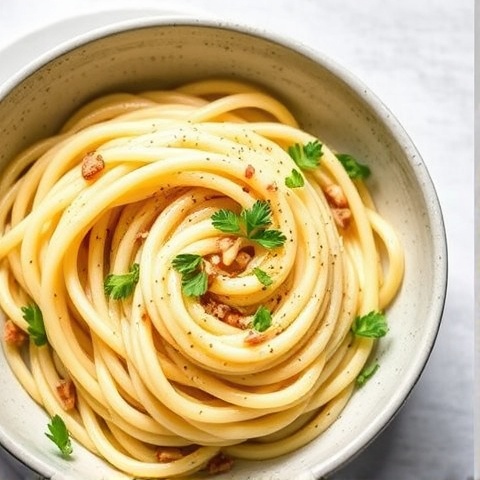
Making Fresh Pasta From Scratch: Beyond the Egg Noodle
The allure of freshly made pasta is undeniable; there’s something almost magical about the process of transforming simple ingredients into a versatile, delicious foundation for a remarkable meal. The traditional egg noodle is a classic, but making pasta from scratch opens up a world of culinary creativity that goes far beyond this staple. Whether you want to create delicate sheets for lasagna, airy gnocchi, or even intricate shapes like orecchiette, the art of pasta-making allows you to customize your dish in ways that store-bought varieties simply cannot match. The best part is that with just a few basic ingredients—flour and water as your foundation—you can craft a variety of pasta types that can elevate any meal.
Many people shy away from the idea of making pasta at home, fearing it’s too labor-intensive or complicated. However, the beauty of making pasta is in its simplicity and the satisfaction of hands-on food creation. As you knead the dough and roll it out, you will find that the process becomes not just a chore, but a delightful ritual. In this post, we'll explore a variety of pasta types, the tools you’ll need, and techniques to deliver perfectly textured pasta every time, empowering you to bring a piece of Italy into your kitchen.
From understanding the different types of flour that yield the best results, to mastering the kneading technique, this guide will provide you with detailed steps and insider tips that both beginners and seasoned cooks can appreciate. Whether you're planning an intimate dinner for two or a festive gathering with friends, the homemade pasta experience is sure to impress. So, roll up your sleeves and let’s dive into the rewarding art of making fresh pasta from scratch.
Understanding Pasta Ingredients
Pasta is deceptively simple, made with just a few basic ingredients, yet the key to perfect pasta lies in knowing how to choose and work with them. The most common pasta recipe includes only flour and water, but adding eggs and a pinch of salt can enhance both flavor and texture. Understanding the role of each ingredient is crucial to mastering this culinary craft.
Flour Selection
The type of flour you use has a significant impact on the texture and flavor of your pasta.
When selecting flour, consider what kind of pasta you intend to make. For instance, if you are planning to make delicate ravioli, 00 flour would be your best bet. If you're aiming for a robust pappardelle, a mix of semolina and all-purpose flour can provide the right bite.
Egg Versus No Egg
While many pasta recipes include eggs, particularly those that result in rich egg noodles, there are delicious options that don't require them.
Understanding your primary goal can guide you in deciding whether to include eggs in your pasta dough.
Additional Ingredients
While flour and water (or eggs) form the core of pasta, you can incorporate other ingredients to add depth to your pasta.
With these ingredient considerations, you are ready to decide upon the perfect combination that fits your dish or dietary needs.
Tools of the Trade
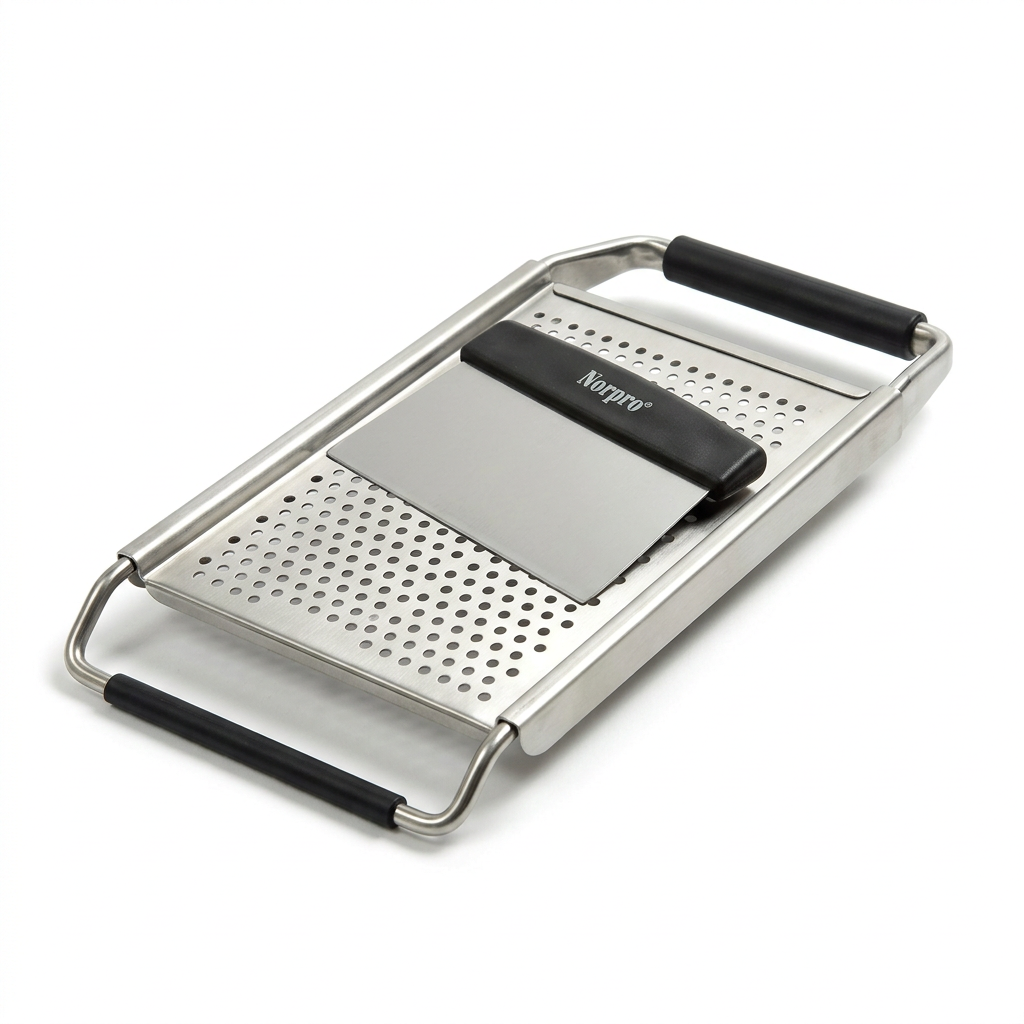
Making pasta requires not only the right ingredients but also the appropriate tools to achieve the best results. While some traditionalists prefer using their hands, certain tools can make the process more efficient and successful. Here’s a breakdown of the essential equipment you need.
Basic Tools for Pasta-Making
Optional Tools
While the basics are vital, there are optional tools that can enhance your pasta-making experience:
Preparation Tips
Before you begin the pasta-making process, here are a few tips for preparation:
With the right tools in hand, the next step is perfecting the pasta dough technique that will allow you to create the flawless pasta you envision.
Making the Dough
The making of pasta dough is both an art and a science. It involves combining your chosen ingredients, kneading them to develop gluten, and allowing time for the dough to rest. Mastering this process is essential for achieving the right structure and texture in your pasta.
Ingredients for Basic Pasta Dough
Step-by-Step Process
Adjusting Consistency
If during the mixing process your dough is too sticky, sprinkle it lightly with flour. Alternatively, if the dough is too dry and crumbly, add a splashing of water, a teaspoon at a time, until the desired consistency is reached.
"Kneading pasta dough is a workout for your hands, but the effort makes a difference in texture that cannot be overstated."
Rolling and Cutting the Dough
Once your dough has rested and is ready to go, it’s time to roll and cut it into your desired shape. The technique employed here is crucial to achieving uniform thickness and texture.
Rolling Out the Dough
- Rolling Pin: Start with a flat disc and roll outwards, rotating the dough as you go to maintain an even circle. Aim for a thickness of about 1/16 inch.
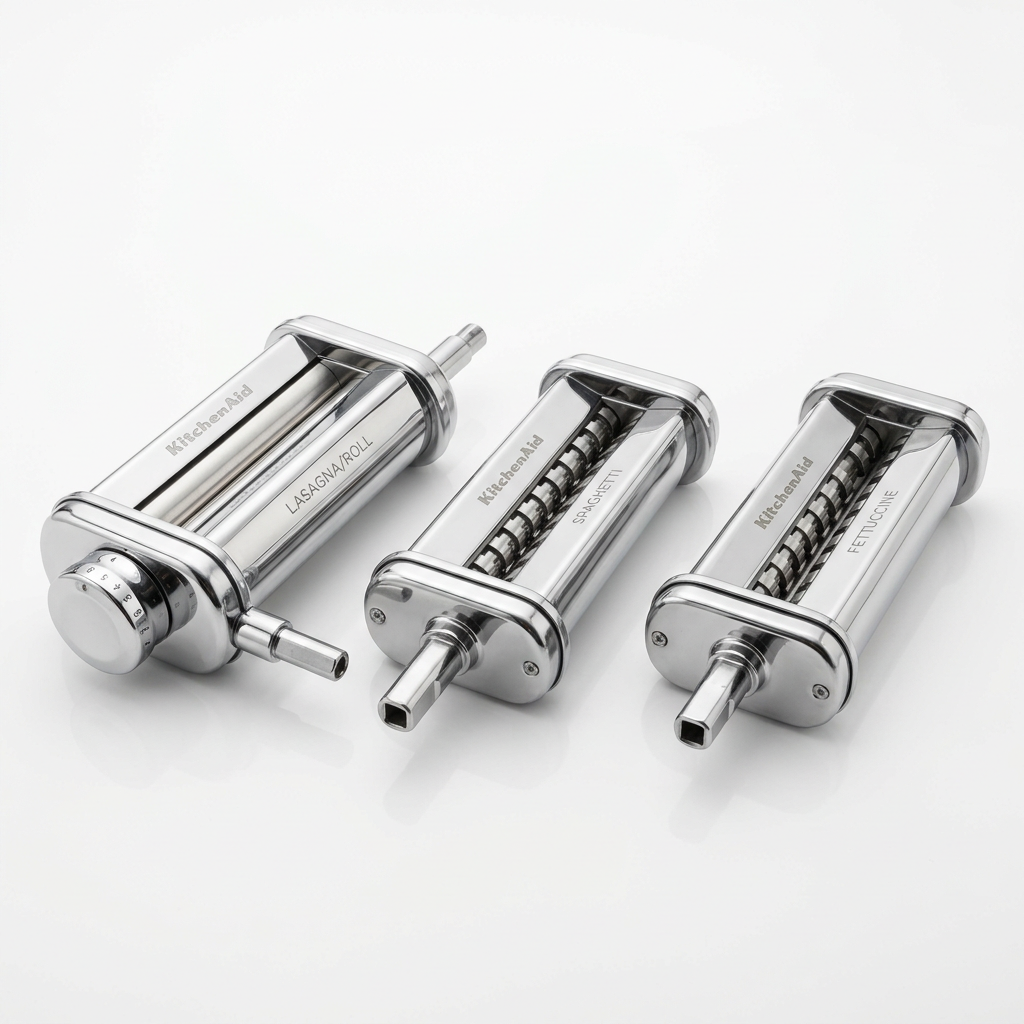
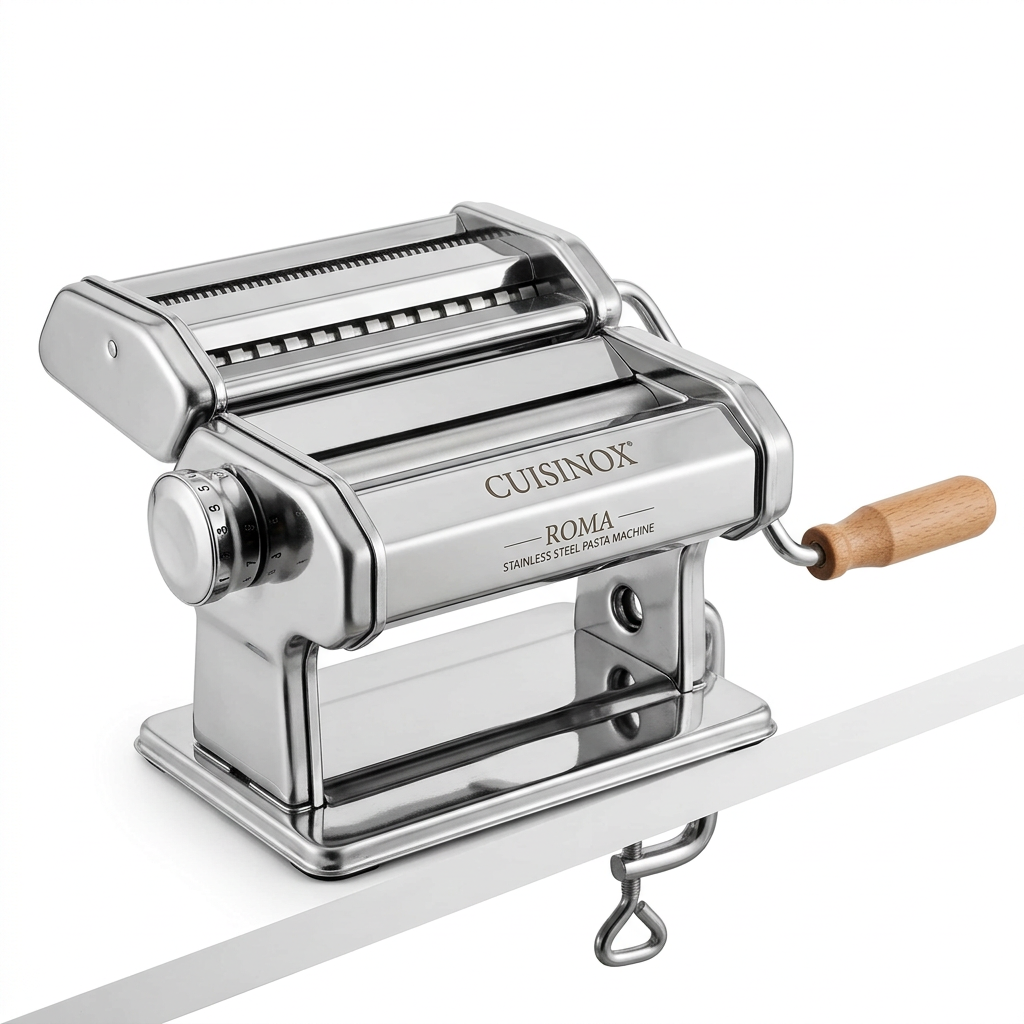
- Pasta Machine: Pass the dough through the machine, starting on the widest setting and gradually moving to thinner settings.
Cutting the Pasta
Once rolled out, you can cut the pasta into various shapes, depending on your needs:
Drying and Storing
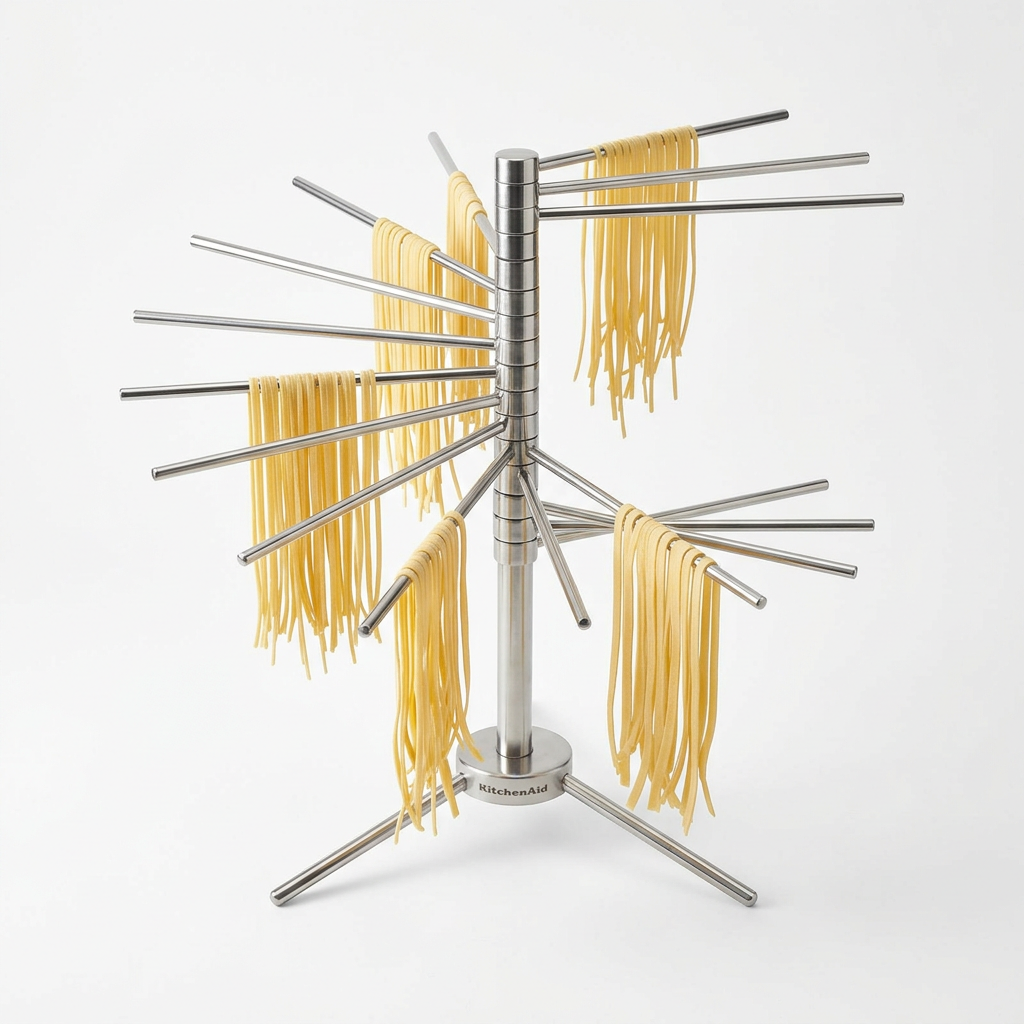
Once your pasta is cut, you can choose to cook it immediately or let it dry for later use. To dry:
"Perfect pasta is all about achieving the right texture; each step, from rolling to cutting, contributes to the final dish."
Cooking Fresh Pasta
Cooking fresh pasta differs from dried pasta and it’s essential to master this technique to experience the full benefits of your hard work. Cooking it correctly will ensure a tender yet firm bite that significantly enhances your meal.
Boiling Water
Cooking Time
Because fresh pasta cooks much faster than dried pasta, you'll need to keep a close eye on it:
Taste-testing is the best way to judge doneness. The goal is al dente, meaning it should be cooked through but still firm to the bite.
Finishing the Dish
Once your pasta is cooked, reserve a cup of the starchy pasta water before draining. This can be added to your sauce to help it adhere to the pasta. After draining, toss the pasta directly into your sauce and stir to combine, making sure every strand is coated.
"Using pasta water in your sauce not only adds flavor but also helps bind the ingredients for a well-integrated dish."
Sauces that Pair with Fresh Pasta
No pasta is complete without a fantastic sauce. The beauty of homemade pasta lies in its versatility, allowing you to pair it with a wide variety of sauces. Here are some classic ideas to elevate your dish.
Classic Tomato Sauce
A simple yet delicious tomato sauce can highlight the freshness of your pasta.
Creamy Alfredo Sauce
For a rich, comforting dish, creamy Alfredo is an excellent selection.
Pesto
For a fragrant, herby touch, pesto delivers robust flavor complemented well by fresh pasta.
Aglio e Olio
This simple Italian dish uses just garlic and olive oil but is effective and flavorful.
Final Thoughts
As you can see, making fresh pasta from scratch is a multi-step process that marries tradition with personal creativity. From selecting the right ingredients to perfecting your dough and choosing complementary sauces, each aspect plays a crucial role in crafting stunning pasta dishes. It might take some time to master, but the results are remarkably rewarding, both in taste and texture.
Whether you're preparing a sumptuous dinner for special occasions or a comforting weeknight meal, mastering the art of fresh pasta will add an invaluable skill to your culinary repertoire. As you grow more comfortable with the process, let your imagination run wild—experimenting with flavors, shapes, and sauces will only enhance the experience and open up even more possibilities for your kitchen adventures. Making pasta isn’t just about achieving the perfect plate of noodles—it's about the joy of cooking and the pleasure of sharing delicious food with others.
So, the next time you consider reaching for a box of dried pasta, remember the wonderful world of fresh pasta awaits you. Embrace the challenge, indulge in the process, and enjoy the delectable results that come from making fresh pasta from scratch. Your efforts will be rewarded with praise and satisfaction that truly makes every bite worth the work.
Get the Next Recipe
Weekly recipes, techniques, and gear picks — straight to your inbox.
