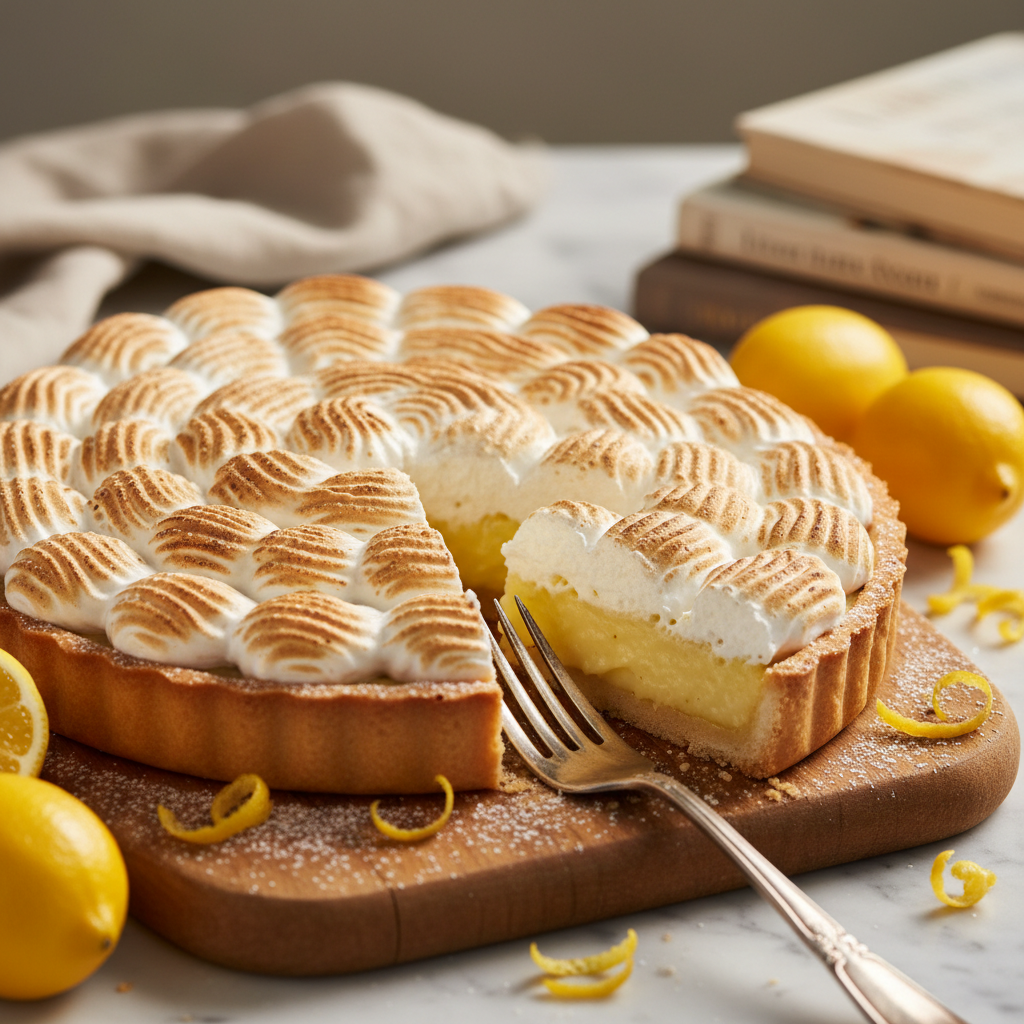
Master the Magic of Meringue: 5 Tips for Flawless Baking Every Time
Meringue is one of those culinary wonders that can elevate your baking from ordinary to extraordinary. At first glance, it may seem like a delicate and fussy creation, perhaps reserved for the pastry chef elite. However, with a little bit of understanding and the right techniques, anyone can master the magic of meringue in their own kitchen. Whether you’re dreaming of a crunchy pavlova topped with fresh fruits, a rich chocolate mousse, or a simple meringue cookie, this guide will arm you with all the knowledge you need for flawless results every time.
At its core, meringue is a mixture of whipped egg whites and sugar, usually sweetened to perfection with the addition of a bit of acid, such as lemon juice or cream of tartar. This combination results in a light, airy texture that can either be stable or soft, depending on how it’s prepared. One of the incredible features of meringue is its versatility. It can be piped into intricate shapes, spread as a topping, or baked into light, crisp cookies. Despite its simplicity, achieving the ideal meringue takes practice and attention to detail.
The joy of baking with meringue comes from not just the final product, but the process itself. It’s a beautiful transformation that begins with just a few basic ingredients that, when whipped together at the right speed and temperature, create a dazzling display of texture. In this blog post, we’ll share five essential tips to help you achieve meringue perfection, paving the way for a variety of delicious desserts that will leave your friends and family in awe.
Understanding the Basics of Meringue
What is Meringue?
Meringue is a classic component in the baking world, utilized primarily for its airy and light texture. It consists of egg whites and sugar, with the addition of an acid in most recipes. Depending on the proportions and technique, you can create several types of meringue: French, Swiss, and Italian. Each type possesses unique characteristics and applications.
Understanding these distinctions will guide your choices based on the desired outcome for your baking projects.
The Science Behind Meringue
Meringue relies on a fundamental chemical process that occurs when egg whites are whipped. As you whip the eggs, the proteins unfold and trap air, creating tiny bubbles. The sugar serves a dual purpose: it stabilizes the foam and sweetens the mixture. Adding acid, such as cream of tartar or lemon juice, helps strengthen the egg whites’ structure by tightening proteins and leading to a more robust foam.
A common misconception is that all eggs are created equal in the meringue world. Fresh eggs are essential for the best volume and stability. The older the egg, the weaker the protein structure becomes, which may lead to a less forgiving meringue. Therefore, for optimal results, reach for eggs that are no more than a week old.
“Understanding the science behind meringue isn’t just important; it’s essential for achieving an airy and stable texture.”
Tools of the Trade
While you can whip meringue by hand, having a stand mixer truly makes a difference in achieving the desired volume and consistency. Here are some essential tools to keep handy:
With the right tools at your disposal, you’ll be more prepared to tackle the art of meringue.
Tips for Perfect Meringue
Tip 1: Start with Clean Equipment
This may seem basic, but starting with squeaky clean equipment cannot be overstated. Any grease or residue can interfere with the egg whites’ ability to whip properly, resulting in a flat or unstable meringue. To ensure your mixing bowl and any utensils are spotless:
“The first step in mastering meringue? Clean your equipment as if your baking life depends on it. Because it does!”
Tip 2: Room Temperature Egg Whites
For the best results, always use room temperature egg whites. Egg whites at room temperature whip up more efficiently than cold ones. To bring your eggs to room temperature quickly, take the following steps:
This simple trick helps activate the proteins, allowing for a more voluminous meringue.
Tip 3: Add Sugar Gradually
When it comes to sugar, the method of incorporation is critical. Adding sugar too quickly can deflate your meringue, resulting in a grainy, less stable mixture. Here’s how to do it effectively:
The gradual addition allows the sugar to dissolve properly, leading to a smooth and silky finish.
Tip 4: Incorporate Acid for Stability
Adding an acid to your meringue not only enhances the foam stability but also gives it a slight brightness. Common acids include cream of tartar, lemon juice, or vinegar. Here’s how to use them:
Remember, the acid helps to strengthen the protein structure which is particularly important for larger batches.
Tip 5: Baking and Storing Meringue
The final step in creating your meringue masterpiece is the baking process. Here’s a reliable method for perfect meringues every time:
Once baked and cool, store your meringues in an airtight container at room temperature to maintain their crisp texture. Burst of humidity can ruin your hard work, so make sure to keep them well-protected!
Creative Uses for Meringue
Meringue in Desserts
Now that you’ve mastered the art of making meringue, the dessert possibilities are endless! Here are some of the most popular ways to use it:
Meringue as a Decorative Element
Meringue can also be the show-stopper in your baking repertoire. Its versatility allows for creative techniques that will impress your guests:
Incorporating meringue creatively can transform simple desserts into gourmet creations that dazzle the senses.
Flavoring and Coloring Meringue
One of the best things about meringue is its adaptability. You can flavor or color meringue to create custom desserts. Here are some fun ideas for flavoring or coloring your meringue:
---
As you begin experimenting with flavors and colors, don’t hesitate to mix and match! Let your creativity shine through and make each dessert uniquely yours.
Troubleshooting Common Meringue Issues
Problem: Meringue Falls Flat
If your meringue isn't holding its shape and collapses, consider these potential causes:
Problem: Meringue is Grainy
Graininess often indicates that the sugar did not dissolve properly. Here’s how to avoid this issue:
Problem: Meringue Cracks
Cracks in baked meringue are typically a result of rapid temperature changes, leading to expansion and contraction issues. To prevent this:
By recognizing these common issues, you’ll be well-equipped to troubleshoot and adjust your techniques for consistently impeccable meringue.
Conclusion
Mastering the magic of meringue opens up a world of culinary possibilities that bring elegance and refinement to your baking endeavors. With the five essential tips shared, you can confidently tackle meringue, creating not only stunning desserts but also gaining a deeper understanding of the science and artistry behind this beloved technique.
From that first whisk of the egg whites to the crisp, airy texture of the finished product, each step in the process can be rewarding and satisfying. As you experiment with flavors and forms, don’t shy away from creativity. Every new indulgence will help enhance your skills and develop your unique style.
Remember, the next time you find yourself in the kitchen with egg whites and sugar, you have the tools you need to create meringue magic. So roll up your sleeves, put on your apron, and let your culinary adventure unfold. Happy baking!

Get the Next Recipe
Weekly recipes, techniques, and gear picks — straight to your inbox.
