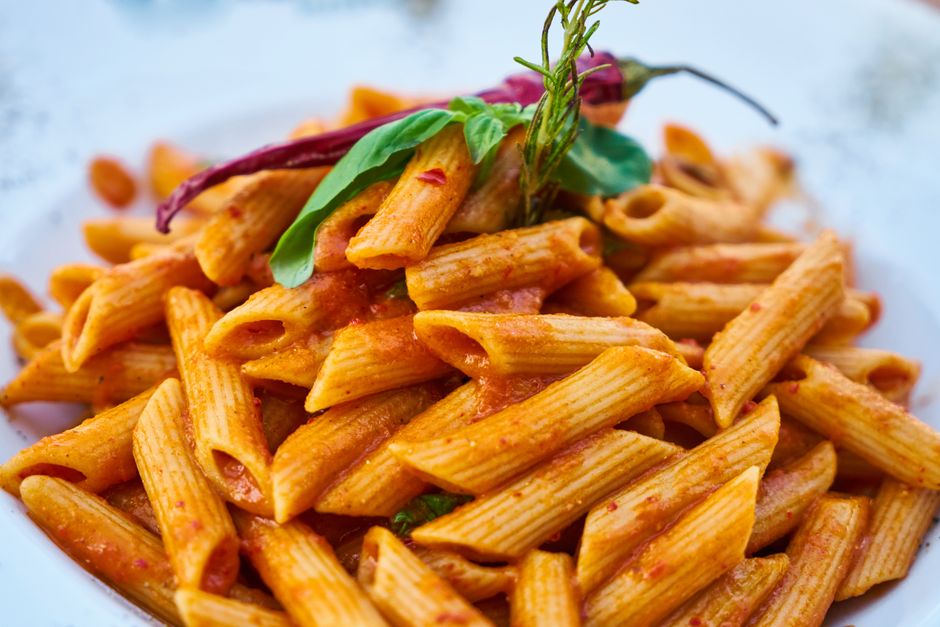
Mastering Homemade Pasta Sauces
Mastering the art of homemade pasta sauces is often regarded as the heart and soul of Italian cuisine. For many, the allure of a freshly made pasta dish hinges not only on the quality of the pasta itself but also on the sauce that envelops it. From the rich and comforting flavors of marinara to the creamy, indulgent touches of Alfredo, homemade pasta sauces elevate even the simplest of noodles to gastronomic heights. If you're ready to leave behind the jarred varieties and step into the world of homemade sauces, you are in for a delightful journey that will transform your understanding of flavor and technique.
In this culinary exploration, we will demystify pasta sauces, breaking down essential techniques, and exploring a vibrant array of flavor profiles. Each sauce comes with its unique parameters, requiring a thoughtful blend of ingredients, cooking times, and skillful execution. Although the processes may vary, the common thread is an emphasis on fresh, high-quality ingredients. As you learn to master these sauces, you'll find that each recipe invites creativity, allowing you to substitute and adjust ingredients to fit your palate and the season.
As you venture deeper into the realm of homemade pasta sauces, remember that the beauty of cooking lies in experimentation. Each batch of sauce you concoct will carry a piece of your signature style, much like an artist uses different colors on a canvas. Learn the fundamentals, embrace the improvisation, and soon, you'll be crafting sauces that not only complement your pasta but also serve as reflections of your culinary identity. It's time to roll up your sleeves and dive in, starting with the essential techniques that set the foundation for unforgettable pasta sauces.
The Foundations of Great Pasta Sauce
Understanding Sauces
At its core, a great pasta sauce is a balance of fat, liquid, and seasoning. Within these categories, you can find endless variations to suit your dish. Traditional Italian sauces often rely on olive oil, butter, and cream as their foundational fats, while liquids are typically derived from tomatoes, broths, or wine. Seasonings can include fresh herbs, spices, salt, and pepper, which all play pivotal roles in enhancing the overall flavor profile.
When creating your sauce, grasping the balance of acidity and sweetness is essential. For example, a tomato sauce benefits from sugar to counteract acidity, while a cream sauce may be brightened with lemon juice. Understanding this interplay of flavors will allow you to adapt recipes to your preferences while also correcting any perceived flaws in taste.
The Right Techniques
Mastering the techniques of preparing sauces is as vital as the ingredients themselves. Two foundational methods often define sauce preparation: sautéing and reduction.
Expert Tip: To avoid an overly oily or greasy sauce, begin with a dry sauté to enhance the flavors of your aromatics. Always cook down your onions and garlic until they are translucent, as this builds a great flavor base without overpowering the other ingredients.
The Importance of Fresh Ingredients
The quality of your ingredients plays an imperative role in the overall taste of the sauce. Choosing seasonal vegetables, fresh herbs, and whole canned tomatoes (if using canned) can elevate your sauces to extraordinary levels. Fresh herbs, for instance, should be added towards the end of the cooking process to retain their vibrant flavors, while dried herbs can be included earlier to infuse their essence fully.
- Choose organic tomatoes whenever possible.
- Use whole or crushed tomatoes rather than tomato puree for a richer texture.
- Fresh garlic (not powder) is essential for an authentic taste.
Commit to using quality staples because they will enhance the depth of flavors in a sauce that can often be compromised with lower-quality counterparts.
Tomato-Based Sauces
Marinara Sauce
No discussion of homemade pasta sauces would be complete without delving into marinara sauce, a classic that forms the bedrock of countless Italian dishes. Traditionally a simple tomato sauce flavored with garlic, olive oil, and herbs, marinara is perfect with spaghetti or as a base for other sauces.
Ingredients:
Instructions:
"The key to marinara sauce is simplicity—let the tomatoes shine through."
Arrabbiata Sauce
For those who crave a bit of heat, Arrabbiata sauce delivers with its zesty and spicy profile. This sauce contrasts with marinara and brings a robust kick to pasta dishes.
Ingredients:
Instructions:
Pomodoro Sauce
Pomodoro, or tomato sauce, is another perfect representation of homemade pasta sauce that emphasizes the essence of its primary ingredient—tomatoes. This variation employs a slightly longer cooking time, ensuring a rich and smooth flavor.
Ingredients:
Instructions:
"Great pomodoro emphasizes freshness with a touch of smoothness; it's about letting that tomato flavor shine bright."
Cream-Based Sauces
Alfredo Sauce
Transcending the classic creamy finish is Alfredo sauce, known for its rich, velvety texture and flavor. Originating from Rome, this indulgent sauce is fantastic with fettuccine, and a little can go a long way.
Ingredients:
Instructions:
Carbonara Sauce
Carbonara, a Roman classic, combines eggs, cheese, pancetta, and pepper to produce a luscious pasta sauce. Authentic carbonara doesn’t use cream, relying instead on the heat of freshly cooked pasta to create a creamy consistency.
Ingredients:
Instructions:
Bechamel Sauce
Another essential sauce is béchamel, a thick white sauce that serves as the base for lasagna and other creamy pasta dishes. Understanding how to craft this sauce can broaden your repertoire of sauces significantly.
Ingredients:
Instructions:
Pesto-Based Sauces
Classic Basil Pesto
Perhaps one of the most beloved sauces is basil pesto, a vibrant green sauce combining fresh basil, garlic, pine nuts, Parmesan cheese, and olive oil. Perfect for pasta, sandwiches, or drizzling over roasted vegetables, homemade pesto is a staple in Italian cuisine.
Ingredients:
Instructions:
Variations on Pesto
While basil pesto is the traditional version, you can create delightful variations using other herbs and greens. Consider the following substitutions:
Sauce Pairings and Suggestions
Matching Sauces with Pasta
Choosing the right sauce for your pasta is as essential as the sauce itself. Here are some excellent pairings to consider:
Layering Flavors
Experimenting with flavor layering can enhance your sauces significantly. Consider these tips:
Sauce Highlights
To truly elevate your pasta dishes, focus on:
Conclusion
In conclusion, mastering pasta sauces is not merely about following a recipe; it involves understanding the fundamentals of flavor, texture, and presentation. As you immerse yourself in the world of homemade sauces, take time to explore, experiment, and refine your skills. From tomato-based classics like marinara and arrabbiata to the creamy richness of Alfredo and the vibrant burst of pesto, there is a palette of flavors waiting to be discovered.
As you become more confident in your techniques, remember that the heart of Italian cooking lies in simplicity and quality ingredients. With a little creativity and a lot of love, you can generate sauces that will impress family and friends around your table, transforming simple pasta dishes into memorable culinary experiences. So go ahead, roll up your sleeves, and dive into the joyful creation of homemade pasta sauces. After all, it’s all about the love you put into your cooking — and if something goes awry, remember, it’s just part of the journey. Happy cooking!


Get the Next Recipe
Weekly recipes, techniques, and gear picks — straight to your inbox.
