Exploring the world of Indian cuisine is like embarking on a vibrant journey of flavors, aromas, and rich traditions. For many, the gateway into this wonderful culinary landscape can be traced back to curry, a dish that evokes warmth and comfort. The heart of any great curry lies in the careful use of spices—a fundamental aspect that sets Indian cooking apart. Whether you're a seasoned chef or a kitchen novice, understanding how to use these spices will not only elevate your dishes but also deepen your appreciation for this diverse cuisine.
Indian spices are not just ingredients; they are an essential part of the culture and history of the region. Each spice carries a story and its unique profile that contributes to the depth of flavor found in Indian cooking. The sheer variety of spices used can be overwhelming for beginners, but fear not; mastering them is easier than it seems. As you dive into this guide, you'll find that spices are more than just seasonings; they are the tools you can use to paint a canvas of fragrant, colorful, and delightful meals that resonate with the soul.
In this guide, we'll break down the essential spices commonly used in Indian cooking, along with their characteristics and applications. You'll also learn the fundamental techniques for creating your own curry blends and mastering the art of curry preparation. By the end of this journey, you’ll not only feel confident in making your own curries but also understand the nuances of balancing flavors to suit your palate.
Understanding Indian Spices
When exploring Indian spices, it's crucial to recognize that they can be categorized into several groups based on their flavor profiles and purposes. Commonly, spices are divided into two main categories: whole spices and ground spices. Whole spices are generally added early in the cooking process to infuse their oils and flavors into the dish, while ground spices are typically used towards the end for a burst of flavor.
Common Whole Spices
1.Cumin Seeds: Often the backbone of Indian cooking, cumin seeds have a warm, earthy flavor. They can be used whole in tadka (tempering) or ground into a powder. Toasting them enhances their flavor dramatically.
2.Coriander Seeds: With a citrusy aroma, coriander seeds are often paired with cumin. They add a sweet and nutty element to curries. Ground coriander is commonly used in many spice mixes.
3.Mustard Seeds: These tiny seeds pack a punch. Used in pickles and curries alike, mustard seeds contribute a pungent flavor when tempered in hot oil.
4.Cardamom: Known as the "queen of spices," cardamom has a stunningly complex flavor profile. Both green and black varieties are used in different contexts. The green pods are often used in sweets and lighter dishes, while black has a stronger, smokier flavor.
5.Cloves: These aromatic buds add warmth and depth to both savory and sweet dishes. They should be used sparingly, as their intense flavor can easily overpower other ingredients.
6.Cinnamon: Often associated with baking, cinnamon also features prominently in Indian cuisine. Stick cinnamon is used in whole form, while ground cinnamon is added for a sweeter flavor.
Common Ground Spices
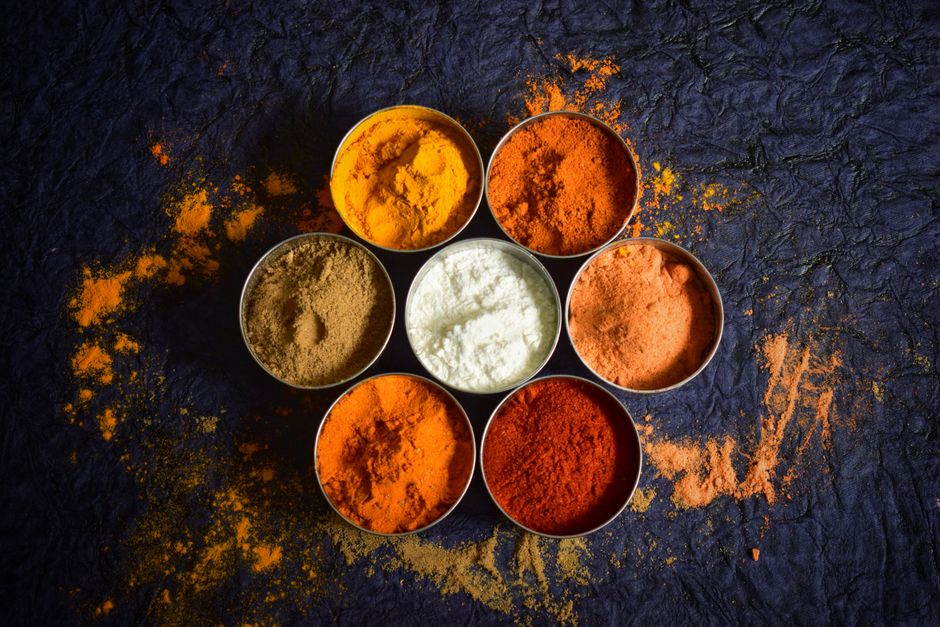
●Turmeric: This brilliant yellow spice is key to achieving that iconic curry color. It has an earthy, bitter flavor and is known for its anti-inflammatory properties.
●Red Chili Powder: Depending on the variety, this spice can bring heat and color. The heat level can vary, so it’s wise to adjust according to your taste when adding it to recipes.
●Garam Masala: A beloved spice blend that typically includes cumin, coriander, cardamom, and cloves, among other spices. Each region has its own variation, lending depth and warmth to many dishes.
●Asafoetida (Hing): This pungent spice is often used in dals and vegetarian dishes to create a depth of flavor. It should be used sparingly, as its strong aroma mellows during cooking.
Understanding the basics of these spices is the first step in your journey. As you become familiar with them, you'll start to recognize how they interact and complement one another.
Essential Equipment and Preparations
To effectively work with spices and create delicious curries, it's important to have the right tools at your disposal. While you may not need professional-grade equipment, a few essentials will make the process smoother and more enjoyable.
Must-Have Kitchen Tools
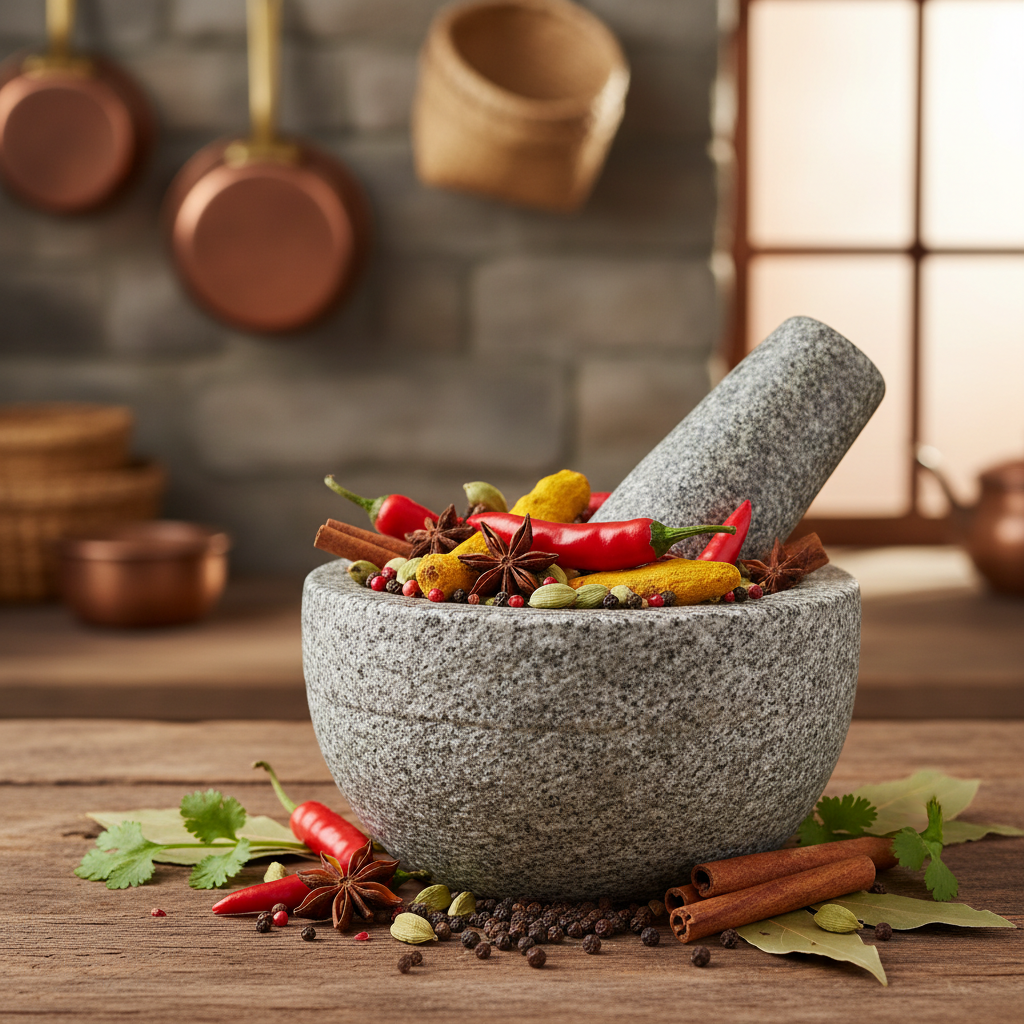
1.Spice Grinder: Freshly ground spices have a depth and complexity that pre-ground varieties can lack. A spice grinder or a mortar and pestle will allow you to create your own blends and keep your spices fresh.
2.Heavy-bottomed Pot or Dutch Oven: Cooking curries requires even heat distribution. A heavy pot helps prevent burning and allows for proper simmering, which is key to melding flavors.
3.Wooden Spoon: A sturdy wooden spoon helps with stirring while ensuring the spices are evenly distributed. It also won’t scratch your pots.
4.Measuring Cups and Spoons: While cooking is an art, accurate measurements can help ensure consistency and balance in your dishes, especially when experimenting with spices.
5.Cutting Board and Knife: A sharp knife and a dependable cutting board will make prepping vegetables and meats a breeze.
With the right tools, you'll feel more confident and prepared to explore the complexities of Indian cuisine.
Preparing Your Ingredients
Before you dive into cooking, preparation is key. Many Indian recipes call for an array of ingredients that need to be chopped, diced, or measured in advance.
●Mise en Place: This French cooking term translates to “everything in its place.” Set out all your ingredients before you start cooking. It helps streamline the process and reduce stress in the kitchen.
●Chopping Vegetables: For a curry, chop veggies into uniform pieces to ensure they cook evenly. Ingredients like onions, garlic, and ginger should be prepared in advance, as they often form the base of the dish.
●Meat Preparation: If using meat, make sure to trim excess fat and cut it into bite-sized pieces. Marinating meat in spices beforehand can enhance flavor and tenderness.
Building the Base of a Curry
The foundation of any successful curry starts with a flavor base commonly made up of onions, garlic, ginger, and tomatoes. This base is essential for developing the depth of flavor that characterizes Indian curries.
Starting with Aromatics
1.Onions: Onions are often sautéed until they turn golden brown, which adds sweetness and rich flavor to the dish. This step usually takes about 15-20 minutes on medium heat.
2.Garlic and Ginger: Fresh ginger and garlic should be minced and added after the onions have cooked down. They impart a fragrant and slightly spicy kick. Cook for just a couple of minutes until fragrant but be cautious not to burn them.
3.Tomato Base: Adding chopped tomatoes (fresh or canned) will provide acidity and sweetness. Cook them down until they break apart and meld with the onion-garlic-ginger mixture. This process typically takes 10-15 minutes.
Creating the Spice Tempering
Tempering, or tadka, is a technique that involves frying whole spices and aromatics in a little oil before adding them to the rest of the dish. This method enhances their flavor.
1.Heat your oil (ghee or vegetable oil) in your heavy pot over medium heat.
2.Add whole spices—like cumin seeds, mustard seeds, and bay leaves—allowing them to sizzle and pop for a few seconds until they release their oils.
3.Once fragrant, lower the heat slightly and add your onion-garlic-ginger mixture, cooking until fully caramelized and golden.
Building Flavor Layers
Once you have your base, it’s time to add your ground spices. Layering them at different stages of cooking allows their flavors to develop beautifully.
1.Add your ground spices (like turmeric and chili powder) directly into the cooked aromatics. Stir continuously for about 30 seconds to toast the spices, which enhances their intensity.
2.For a richer flavor, you can add coconut milk, yogurt, or cream at this stage, depending on the recipe. This addition gives body to the curry and helps create a luscious sauce.
3.Don't forget to adjust seasoning with salt. Start with a small pinch and adjust to taste as the curry simmers, allowing flavors to meld over time.
Choosing Your Protein or Vegetables
Curries are versatile; they can be made with a variety of proteins or vegetables, allowing for an array of flavors and textures. Selecting the right components for your curry will enhance the dish's overall experience.
Meat Options
1.Chicken: A popular choice for curries, chicken thighs or breasts can be used. Thighs stay juicier during cooking. Ideally, cut into uniform pieces and marinate in spices for 30 minutes before cooking.
2.Lamb: Known for its rich flavor, lamb is excellent for slow-cooked curries. Use shoulder or leg cuts, which become tender when simmered.
3.Fish and Seafood: Delicate and quick to cook, fish like salmon or shrimp are great in lighter curries. They require less cooking time—about 10-15 minutes—so add them later in the process to prevent overcooking.
Vegetarian and Vegan Options
●Lentils: From split red lentils (masoor dal) to green lentils (masoor dal), they’re packed with protein and fiber. Cook lentils separately to ensure they don't overcook during curry preparation.
●Chickpeas: Canned chickpeas are convenient and can be added directly to the curry for a hearty meal. They require only about 15-20 minutes of simmering to absorb flavor.
●Vegetables: Common choices include potatoes, cauliflower, bell peppers, and spinach. Ensure you cut them into even pieces for uniform cooking, and consider timing by adding heartier vegetables first.
Cooking Tips
1.Marination: For meats, marinating in spices and yogurt not only imparts flavor but also tenderizes the meat.
2.Cooking Times: Keep a close eye on cooking times. Overcooking can lead to dry meat or mushy vegetables, so check for doneness regularly.
3.Simer Gently: Once you’ve added your protein or vegetables, reduce the heat to low and let them simmer gently. This allows flavors to meld organically without losing texture.
Adjusting Flavors and Consistency
One of the hallmarks of mastering curries is learning how to balance flavors and achieve the desired consistency. Each element must harmonize to create a well-rounded dish.
Balancing Flavors
1.Salt: Essential for flavor enhancement. Add gradually and taste as you go to avoid over-salting your dish.
2.Acidity: Fresh lime juice or a dash of vinegar can brighten flavors and add complexity. This is especially beneficial if your curry feels one-dimensional.
3.Sweetness: Occasionally, a touch of sugar can help balance out acidity or heat. Use sparingly and taste before adding more.
4.Heat Levels: Adjust chili powder gradually. Start with a small pinch if you're uncertain about heat preferences.
Achieving the Right Consistency
1.Thickening Agents: If you prefer a thicker curry, consider adding a mixture of cornstarch and water or mashed potatoes to the sauce.
2.Coconut Milk or Cream: For a silkier texture, coconut milk adds not only creaminess but also a touch of sweetness. Stir it in at the end of cooking for best results.
3.Simmering Liquid: If your curry is too thick, simply add a bit of water or broth to reach your desired consistency. Simmer for an additional few minutes to combine.
Presentation Tips
●Garnish: Fresh herbs like cilantro added just before serving can elevate the dish. A sprinkle of fresh spices or a squeeze of lime can add a beautiful finishing touch.
●Serving: Serve curries with traditional accompaniments like naan or basmati rice. The aroma of freshly made flatbreads will enhance the overall experience.
Exploring Regional Variations
Indian cuisine is incredibly diverse, with each region offering unique twists on curry. Understanding these variations can inspire your culinary journey and encourage creativity in your cooking.
North Indian Curries
1.Butter Chicken: This famous dish features a creamy tomato base enriched with butter and spices. Chicken is marinated in yogurt with spices, then grilled and added to the curry sauce.
2.Paneer Butter Masala: A vegetarian classic featuring paneer (Indian cottage cheese) simmered in a rich, buttery sauce with tomatoes and cream, offering a delightful balance of flavors.
South Indian Curries
1.Fish Curry: Often made with tamarind, coconut, and mustard, Southern fish curries are known for their tangy flavors and vibrant use of spices.
2.Sambar: A lentil-based vegetable stew flavored with tamarind and spices like fenugreek and mustard seeds, often served with rice or idli.
Eastern and Western Influences
●Bengali Curries: Use mustard oil and spices like nigella to impart a unique flavor, often featuring a strong emphasis on flavor and simplicity.
●Goan Curries: Known for their use of vinegar and coconut milk, Goan curries can be spicy and tangy, showcasing seafood prominently.
Fusion Curries
Explore fusion options like Thai-Indian fusion or incorporate ingredients from other cuisines to create unique dishes that reflect your personal taste.
Bringing It All Together
After exploring the world of Indian spices, preparing the perfect base, selecting proteins or vegetables, and mastering the balance of flavors, you're well on your way to crafting delicious curries. Remember, cooking is as much about the journey as it is about the destination. Enjoy the process of experimenting with spices, techniques, and even regional twists. Each attempt will teach you something new and bring you closer to authentic Indian flavors.
“Cooking is like painting or writing a song. Just as there are only so many notes, there are only so many flavors—it’s how you combine them that sets you apart.”
Do not shy away from making mistakes in the kitchen; they often lead to the best discoveries. Record your favorite recipes, note the changes you made, and let your palate guide you. The world of Indian curries is vast and varied, making it an exciting culinary adventure.
Conclusion
Mastering the art of Indian curry is a rewarding endeavor filled with flavor, tradition, and creativity. By understanding the spices, techniques, and regional variations, you can elevate your cooking and impress your friends and family with mouth-watering dishes that celebrate the essence of Indian cuisine.
As you continue to refine your skills, remember that every curry has its place and each meal tells a story. Whether you're exploring classic recipes or creating your own fusion versions, let your imagination run wild. With patience and practice, you'll discover how to blend spices seamlessly and create unforgettable meals that resonate with warmth and community.
So grab your spices, get your apron on, and let the journey begin—your culinary masterpiece is just around the corner waiting to be savored. Enjoy the vibrancy and richness of Indian cooking, and always remember, when you cook with love, it shows in every bite.
(Word Count: 2,049)